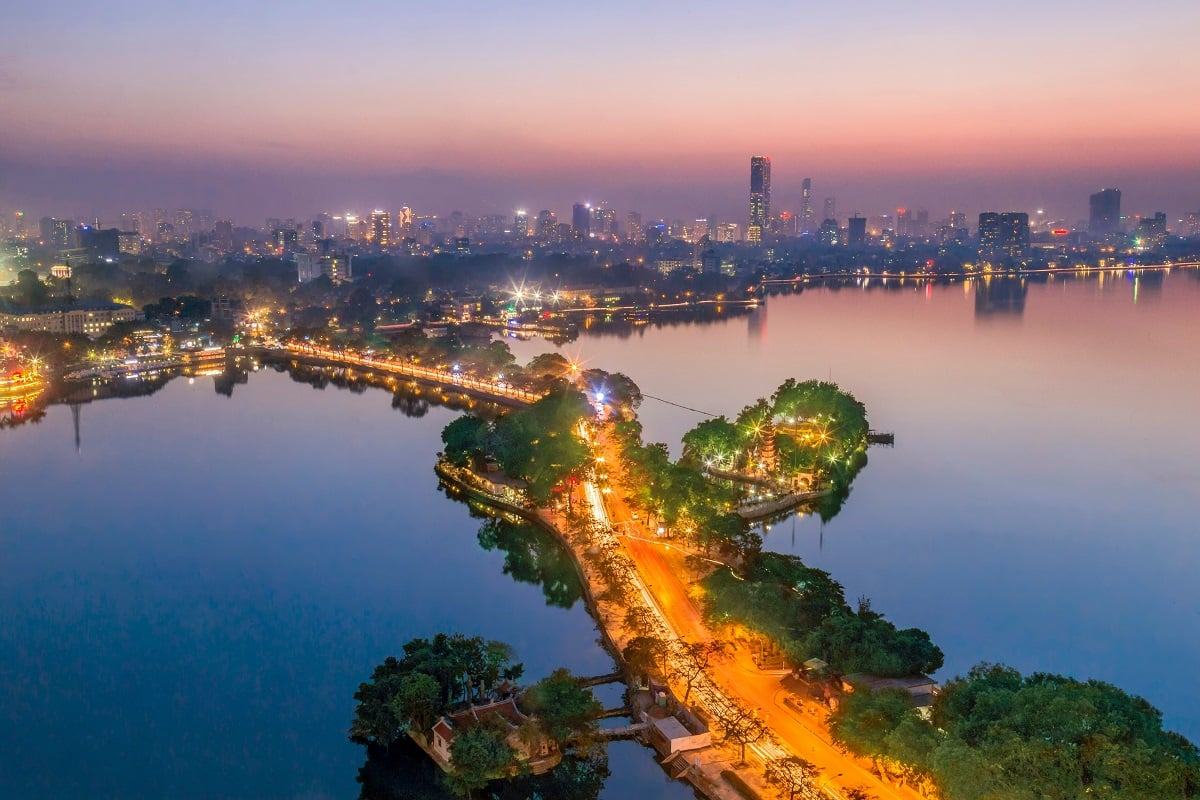
A Hanoi city tour is the most efficient way to explore the diverse layers of Vietnam’s capital. This guide takes you through ancient citadels, colonial districts, and peaceful lakeside pagodas. Readers will discover the stories behind iconic landmarks and the architectural fusion that defines the city. By joining this journey, you will gain a comprehensive overview of Hanoi’s thousand-year legacy. Join us in 2026 to see how tradition and modernity coexist in this vibrant urban landscape.
The Historical Heart: Ba Dinh Square and the Mausoleum
Every Hanoi city tour must begin at the historic Ba Dinh Square, the most significant political site in Vietnam. This area is a profound symbol of national independence and the final resting place of President Ho Chi Minh. In this section, we explore the solemn atmosphere of the Mausoleum and the surrounding monuments. Specifically, we look at the humble lifestyle of the nation’s leader through his traditional stilt house. Consequently, you will understand the deep respect that locals have for their history.
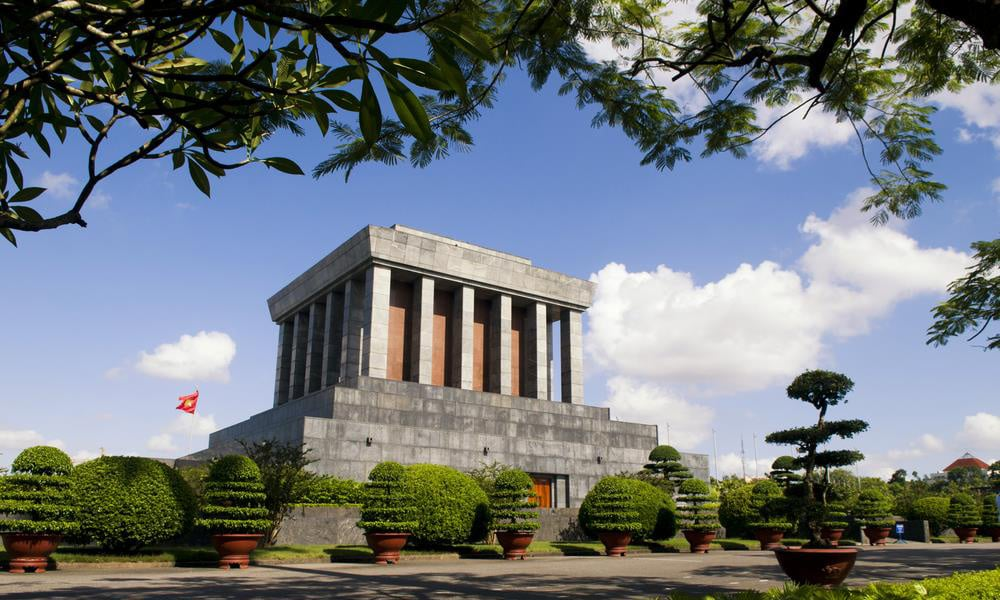
The complex is a blend of grand monumentality and peaceful gardens. As you walk through the site, your guide will explain the significance of the changing of the guard ceremony. Furthermore, the nearby One Pillar Pagoda offers a unique glimpse into 11th-century Buddhist architecture. This wooden structure, built to resemble a lotus blossom, is a masterpiece of ancient design. Therefore, visiting this complex provides a strong foundation for understanding the Vietnamese spirit.
- Ba Dinh Square: The location where the Declaration of Independence was read in 1945.
- The Presidential Palace: A stunning example of French colonial architecture in a vibrant mustard yellow.
- The Stilt House: A simple wooden residence surrounded by a tranquil fruit garden and carp pond.
Indeed, the contrast between the massive stone mausoleum and the modest wooden house is striking. It reflects the dual nature of Hanoi city tour experiences: grandeur and simplicity. Transitioning from the open square to the shaded gardens, you will feel a sense of peace amidst the city’s hustle. As a result, this stop is both an educational and emotional highlight of the trip.
Architectural Fusion in the French Quarter
A fascinating part of any Hanoi city tour is exploring the elegant boulevards of the French Quarter. This area showcases the “Indochina Style,” a unique blend of European aesthetics and local climate adaptations. This heading dives into the grand villas, luxury hotels, and cultural institutions that earn Hanoi the nickname “Paris of the East.” You will discover how these buildings have been repurposed for modern use while maintaining their historic charm.
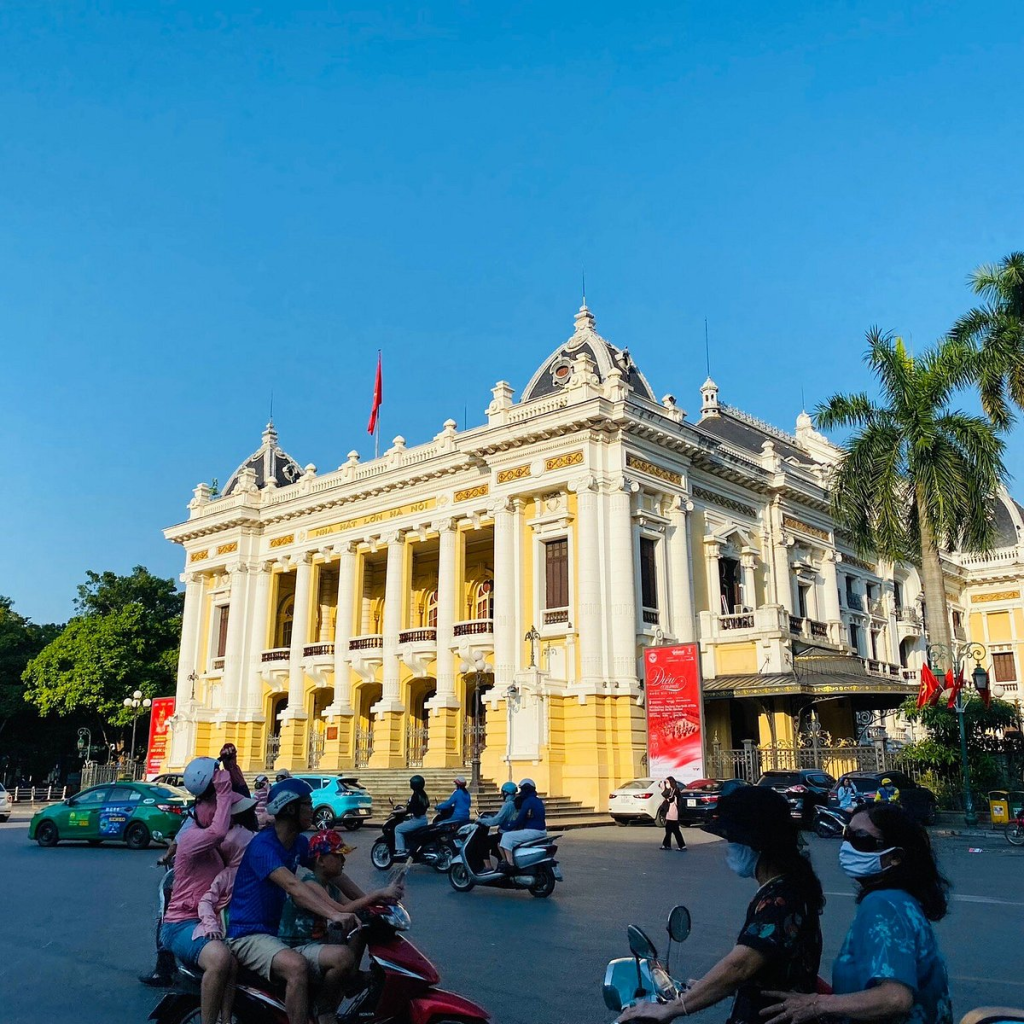
The Opera House stands as the crown jewel of this district, modeled after the Palais Garnier in Paris. During your Hanoi city tour, you will walk past the legendary Metropole Hotel, where many famous writers and politicians once stayed. Furthermore, the wide, leafy sidewalks provide a stark contrast to the cramped alleys of the Old Quarter. Specifically, the yellow walls and green shutters create a nostalgic atmosphere that is perfect for photography.
- Hanoi Opera House: A center for performing arts and a masterpiece of Neo-Baroque design.
- Long Bien Bridge: An iron cantilever bridge designed by the Eiffel company, symbolizing resilience.
- State Bank of Vietnam: An example of Art Deco influence combined with Asian decorative motifs.
Consequently, the French Quarter offers a more structured and sophisticated side of the capital. Your guide will share stories of the colonial era and the subsequent struggle for sovereignty. Moreover, the area is now home to many high-end cafes and galleries that bridge the gap between past and present. Therefore, this segment of the Hanoi city tour highlights the city’s cosmopolitan identity and its enduring love for art and design.
Spiritual Retreats and Lakeside Serenity
The final stage of a Hanoi city tour often leads to the tranquil shores of West Lake and Hoan Kiem Lake. These bodies of water are the lungs of the city and home to some of its most sacred temples. This heading describes the spiritual significance of Tran Quoc Pagoda and the Temple of Literature. You will learn how these sites offer a quiet retreat for locals seeking balance in their busy lives.
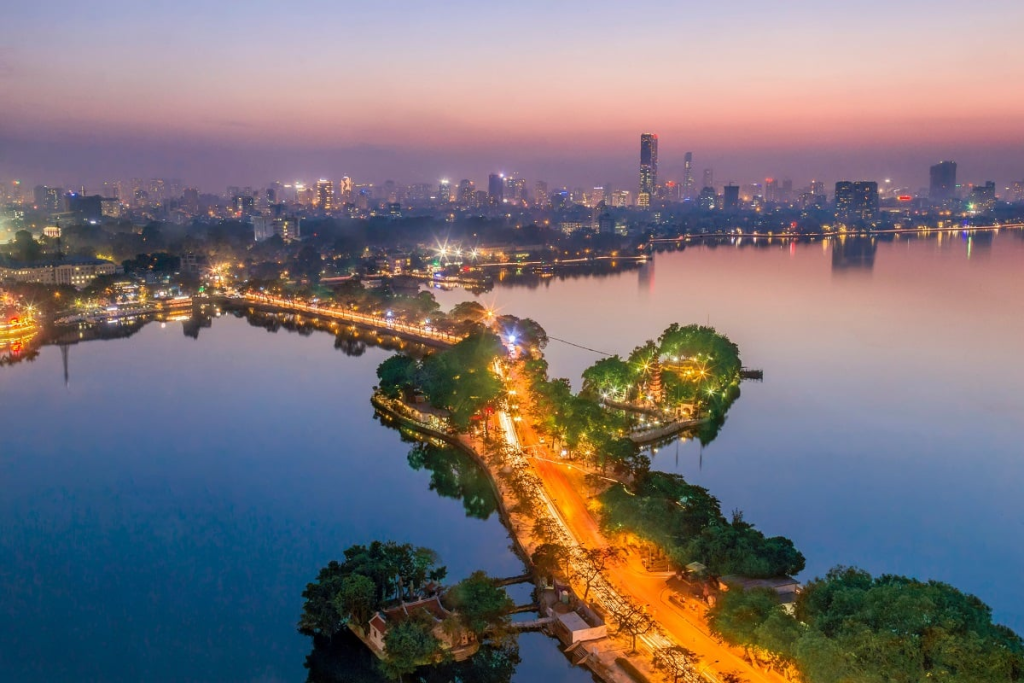
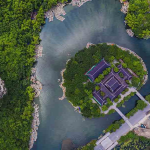
Tran Quoc Pagoda, the oldest in Hanoi, sits on a small island linked by a causeway. Its red stupa reflects beautifully on the water, especially during sunset. Furthermore, the Temple of Literature serves as a monument to education and Confucian values. During your Hanoi city tour, you will see students praying for luck before their exams, maintaining a centuries-old tradition. Specifically, the stone stelae on the backs of turtles represent the nation’s intellectual heritage.
- Tran Quoc Pagoda: A peaceful Buddhist sanctuary with a history dating back over 1,500 years.
- Temple of Literature: The site of Vietnam’s first university and a stunning example of traditional courtyards.
- Ngoc Son Temple: Located on an island in Ho Hoan Kiem, reached by the iconic red Huc Bridge.
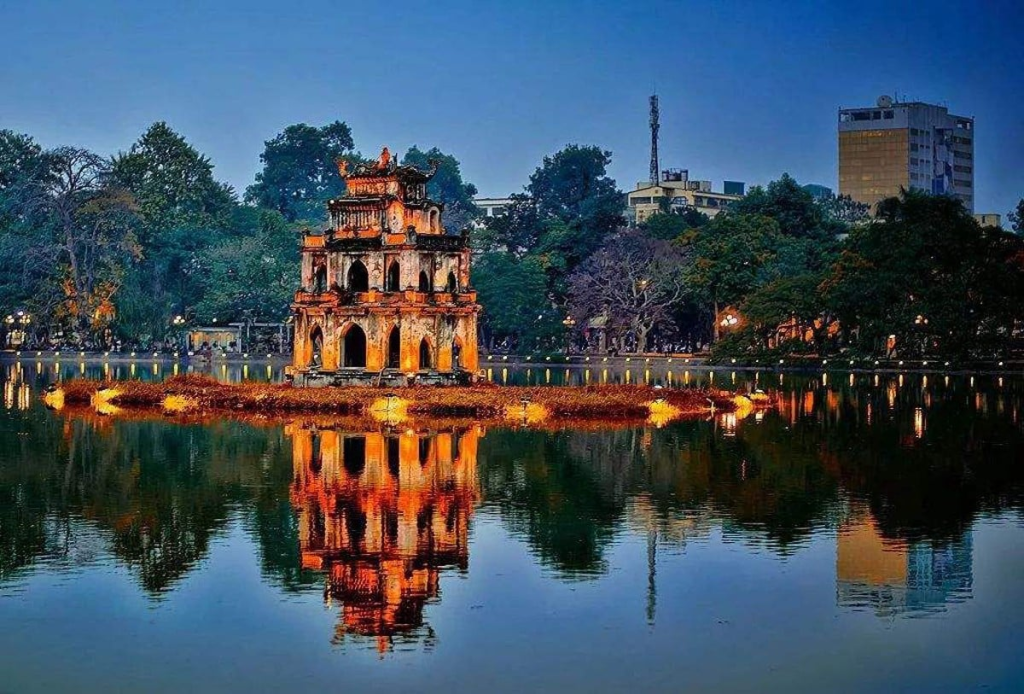
Indeed, these spiritual sites provide the perfect conclusion to a day of exploration. Transitioning from the busy streets to these quiet gardens allows for reflection and relaxation. As a result, you leave the Hanoi city tour with a sense of the city’s holistic character. Most importantly, you will see that Hanoi is a place where history, faith, and daily life are beautifully intertwined. Ultimately, this journey through the city’s highlights will leave you with a lasting connection to the soul of Vietnam.
Read for more information:
- http://Hanoi Cooking Class: Discover Vietnamese Recipes with Local Market Visit
- http://Hanoi Old Quarter lifestyle: A Deep Dive into Local Soul
- http://Hanoi Old Quarter culture: 7 Traditions You Must See (2026)
At Abite.asia, we specialize in curated Vietnam tours for international travelers, ensuring an authentic and hassle-free experience. Let us take care of your journey so you can fully embrace the beauty of Vietnam. Contact us today at +84363770835 to start planning your adventure!


Leave a Reply