The Ho Chi Minh Mausoleum complex is the most significant political and historic site in modern Vietnam. This vast area serves as the final resting place of the nation’s beloved leader, President Ho Chi Minh. Readers will discover the solemn beauty of the grand mausoleum and the humble charm of the President’s stilt house. By visiting this complex, you will understand the profound respect that the Vietnamese people hold for their “Uncle Ho.” Join us in 2026 to explore this sacred landmark that stands as a symbol of national independence and unity.
The Solemn Grandeur of the Mausoleum and Ba Dinh Square
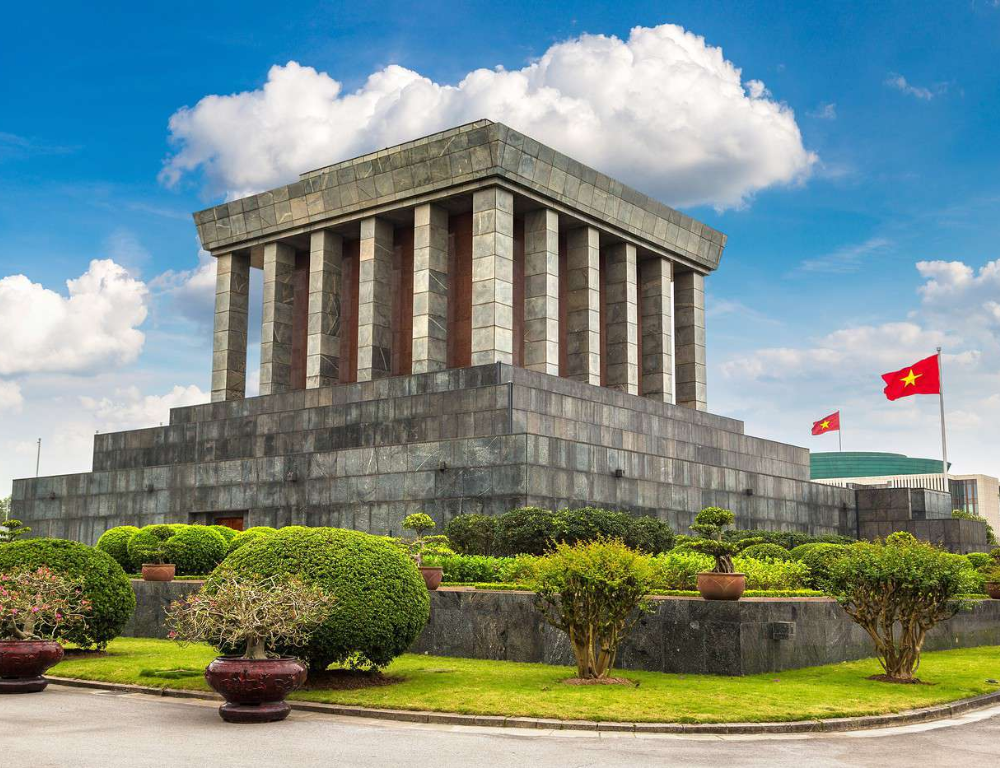
The centerpiece of the Ho Chi Minh Mausoleum complex is the imposing granite structure where the President’s body lies in state. Located in the middle of Ba Dinh Square, this site is where the Declaration of Independence was read in 1945. In this section, we explore the architectural significance of the mausoleum, which blends traditional Vietnamese motifs with Soviet inspiration. Specifically, the structure is designed to resemble a stylized lotus flower. Consequently, it radiates a sense of strength, permanence, and national pride.
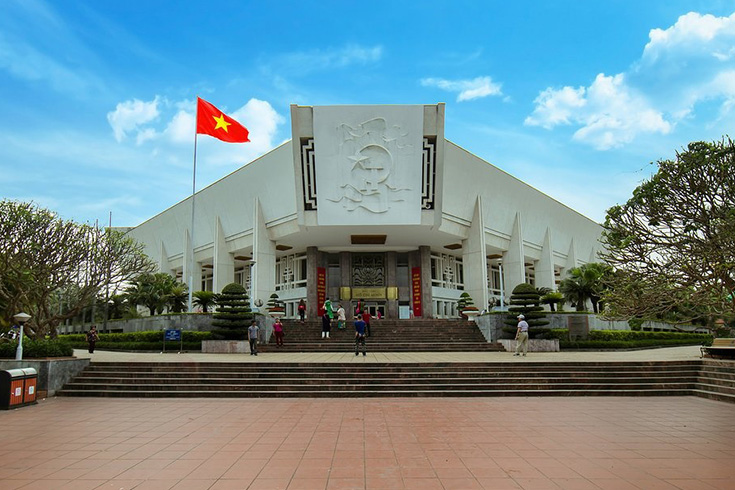
The surrounding Ba Dinh Square is a massive open space divided into over 200 green grass patches. During your visit to the Ho Chi Minh Mausoleum complex, you will notice the rhythmic precision of the honor guard. Furthermore, the daily changing of the guard ceremony is a spectacle that attracts thousands of onlookers. Therefore, standing in this square offers a powerful connection to the country’s struggle for sovereignty.
- The Mausoleum: A grey granite monument inspired by the lotus, representing the purity of the leader.
- Ba Dinh Square: The historic site of national gatherings and important political milestones.
- The Honor Guard: Elite soldiers who maintain a 24-hour vigil with absolute discipline and respect.
Indeed, the atmosphere here is one of deep silence and reverence. Transitioning from the busy streets into this open expanse, you will feel the weight of history. As a result, the Ho Chi Minh Mausoleum complex remains the heart of the capital’s political identity. Moreover, the site serves as a constant reminder of the sacrifices made for the nation’s freedom.
The President’s Stilt House and Humble Lifestyle
A stark contrast to the grand mausoleum within the Ho Chi Minh Mausoleum complex is the President’s Stilt House. This simple wooden structure was where Ho Chi Minh lived and worked from 1958 until his passing. This heading describes the humble lifestyle of a man who chose simplicity over the luxury of the nearby Presidential Palace. You will learn about his daily routines and his deep love for nature. Specifically, the house is surrounded by a peaceful fruit garden and a large carp pond.
The architecture of the house is modeled after the traditional dwellings of Vietnam’s ethnic minorities. During your walk through the Ho Chi Minh Mausoleum complex, you can see his modest bedroom and study through the glass windows. Furthermore, the absence of ornate decorations reflects his philosophy of serving the people above all else. Consequently, this site offers an intimate look at the character of the man behind the revolution.
- The Stilt House: A two-story wooden home designed for minimalism and natural ventilation.
- The Carp Pond: A serene water feature where the President used to feed the fish to relax.
- The Fruit Garden: A lush area filled with various trees gifted from different regions of the country.
Indeed, the tranquility of this area is a highlight for many international visitors. Transitioning from the stone mausoleum to this green sanctuary, you will understand his connection to the rural roots of Vietnam. Therefore, the Ho Chi Minh Mausoleum complex provides a holistic view of his life as both a leader and a simple citizen. As a result, you leave the house feeling inspired by his dedication and modest spirit.
The One Pillar Pagoda and Spiritual Traditions
No journey through the Ho Chi Minh Mausoleum complex is complete without visiting the iconic One Pillar Pagoda. Originally built in 1049, this unique Buddhist temple is designed to look like a lotus blossom rising from a pond. This heading explores the legend behind its construction and its significance in Vietnamese spiritual life. You will learn how the pagoda survived multiple destructions to remain a symbol of the city’s resilience. Specifically, it highlights the deep integration of Buddhism within the national identity.

The pagoda sits on a single stone pillar in the middle of a small lake. During your Ho Chi Minh Mausoleum complex tour, you will see locals offering incense and prayers for health and fertility. Furthermore, the surrounding gardens provide a quiet space for reflection amidst the historic monuments. Therefore, this site adds a spiritual layer to the otherwise political atmosphere of the complex.
- One Pillar Pagoda: A wooden masterpiece of 11th-century design, symbolizing purity and rebirth.
- The Lotus Pond: A symbolic setting that represents the beauty emerging from the mud.
- The Bodhi Tree: A gift from India, located nearby, which adds to the sacredness of the grounds.
Consequently, the pagoda serves as a bridge between the ancient Ly Dynasty and modern Vietnam. Your guide will explain how the site was carefully restored to maintain its original architectural integrity. Moreover, the contrast between the stone monuments and the delicate wooden pagoda is visually stunning. Transitioning through the complex, you see how faith and history coexist harmoniously. Ultimately, the Ho Chi Minh Mausoleum complex is a place where the soul of the nation is truly revealed.
Essential Etiquette and Visitor Tips for a Respectful Experience
Visiting the Ho Chi Minh Mausoleum complex requires a high level of respect and adherence to specific local regulations. Since this is the most sacred site in Vietnam, the authorities maintain strict rules regarding behavior and attire. In this section, we provide the necessary guidance to ensure your visit is smooth and honorable. Specifically, we focus on the dress code and the silent atmosphere required inside the inner sanctum. Consequently, being well-prepared will help you avoid any inconvenience during your historic journey.
The most important rule for the Ho Chi Minh Mausoleum complex is modest dress. Visitors must ensure that they should cover their shoulders and knees; otherwise, entry may be denied. Furthermore, you must remain silent and walk in an orderly line while inside the mausoleum to show respect for the late leader. Therefore, it is essential to plan your visit for the early morning to avoid the long queues and the midday heat.

- Dress Code: Wear trousers or long skirts and shirts with sleeves; remove hats upon entry.
- Security Check: Expect a thorough security screening for bags and cameras at the main entrance.
- Silence and Motion: Maintain absolute silence inside the tomb area and keep moving steadily in the designated lane.
Indeed, following these rules allows everyone to appreciate the solemnity of the site without distraction. Transitioning through the security gates with a mindful attitude will enhance your connection to the history being honored here. As a result, your visit to the Ho Chi Minh Mausoleum complex will be a meaningful and unforgettable tribute to the nation’s past. Ultimately, respecting these customs is a vital part of experiencing the true heart of Vietnam.
Read for more information:
- https://abite.asia/hanoi-temple-of-literature-discover-vietnams-first-national-university/
- https://abite.asia/hanoi-city-tour-history-culture-and-architecture-highlights/
- https://abite.asia/hanoi-food-tour-best-street-food-local-eats-in-the-old-quarter/
At Abite.asia, we specialize in curated Vietnam tours for international travelers, ensuring an authentic and hassle-free experience. Let us take care of your journey so you can fully embrace the beauty of Vietnam. Contact us today at +84363770835 to start planning your adventure!





Leave a Reply