A Perfume Pagoda day trip from Hanoi offers more than a typical sightseeing experience. It invites travelers into one of Vietnam’s most important spiritual journeys. Every spring, thousands of pilgrims travel to this sacred complex of temples and caves located in the limestone mountains of Huong Son. The route combines river travel, mountain scenery, and religious tradition.
Many visitors begin the journey in the early morning. The drive from Hanoi takes about two hours, passing rural villages and rice fields before reaching the small harbor where boats depart. From there, travelers glide along the Yen Stream toward the mountains. The slow movement of the boat already sets a reflective mood. Pilgrims, tourists, and local families share the same path, all moving toward the same sacred destination.
During festival season, the atmosphere becomes even more vibrant. Vendors prepare offerings, monks guide prayers, and pilgrims carry incense while climbing toward the main cave temple. For travelers, a Perfume Pagoda day trip from Hanoi becomes an opportunity to observe a living spiritual tradition rather than simply visiting a historic site.
1. Understanding the Sacred Journey to Perfume Pagoda
The pilgrimage to Perfume Pagoda is not a single temple visit. Instead, it is a multi-stage journey combining river travel, walking trails, and mountain temples. Each stage holds symbolic meaning. This section explains how the route unfolds and why the journey itself matters as much as the destination.
Traveling Along the Yen Stream
The first part of the pilgrimage begins on water. Small metal or wooden rowboats carry visitors along the Yen Stream, a quiet river surrounded by rice fields and limestone mountains. Local boat rowers guide the journey using slow, steady strokes.
The boat ride usually lasts about one hour. During this time, the scenery gradually shifts from farmland to dramatic karst formations. Water lilies float near the riverbanks. Birds move quietly across the sky.
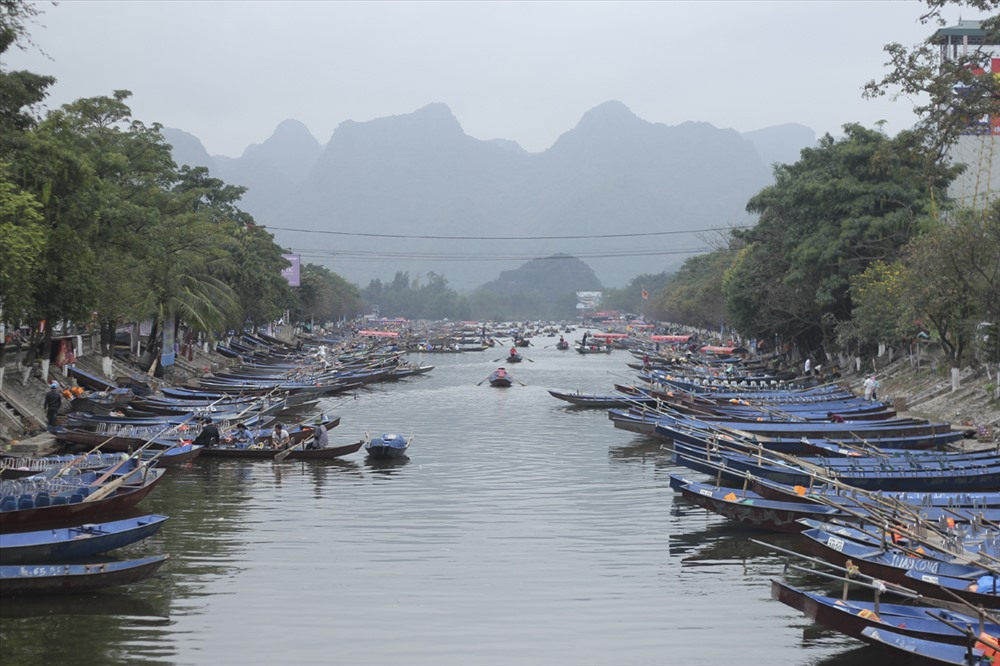
Rowboats carrying pilgrims on Yen Stream to Perfume Pagoda
Important aspects of the river journey include:
- Boats rowed manually by local residents
- Calm water that reflects surrounding mountains
- Pilgrims sharing the boat ride with travelers
- A slow pace that encourages reflection
This stage represents a transition from everyday life to spiritual space.
Walking Toward the Mountain Temples
After reaching the dock, visitors continue on foot toward the temple complex. The walking route passes markets, shrines, and resting areas before reaching the main pagoda sites. Pilgrims often carry offerings such as flowers, fruit, or incense.
Along the pathway, travelers may notice:
- Small stalls selling offerings and snacks
- Pilgrims stopping to light incense at minor shrines
- Monks guiding visitors toward prayer areas
- Local families resting before continuing the climb
The walk introduces the cultural atmosphere of the pilgrimage.
Climbing to Huong Tich Cave
The final stage leads to Huong Tich Cave, the spiritual heart of the complex. Visitors reach the cave either by climbing stone steps or by cable car. Inside the cave, natural rock formations surround the altar, creating a powerful and sacred atmosphere.
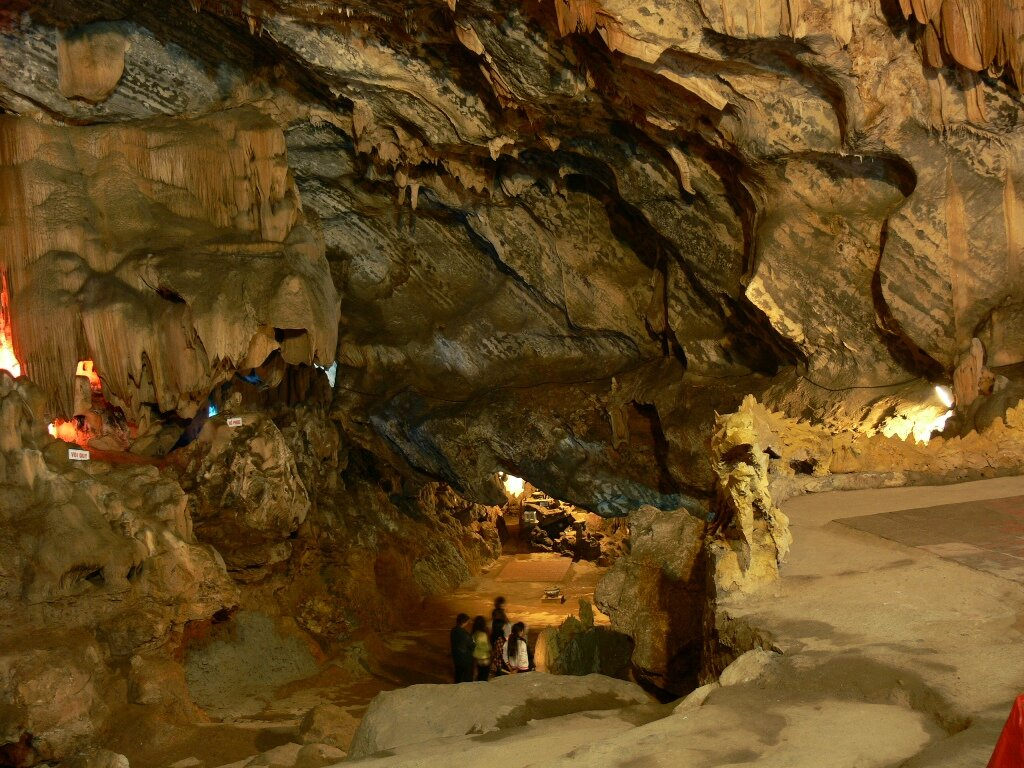
Huong Tich Cave temple interior at Perfume Pagoda
Pilgrims believe this cave holds special blessings for health, fertility, and prosperity. As incense smoke rises into the cavern, the environment feels both ancient and spiritual.
Through this layered journey, a Perfume Pagoda day trip from Hanoi becomes more than travel. It becomes participation in a tradition that has shaped Vietnamese spiritual life for centuries.
2. Experiencing the Perfume Pagoda Festival Atmosphere
The Perfume Pagoda Festival transforms the pilgrimage route into one of Vietnam’s most vibrant spiritual gatherings. Beginning shortly after Lunar New Year and lasting for several months, the festival draws thousands of pilgrims from across the country. During this time, a Perfume Pagoda day trip from Hanoi becomes not only a scenic journey but also a chance to witness living traditions shaped by faith and community.
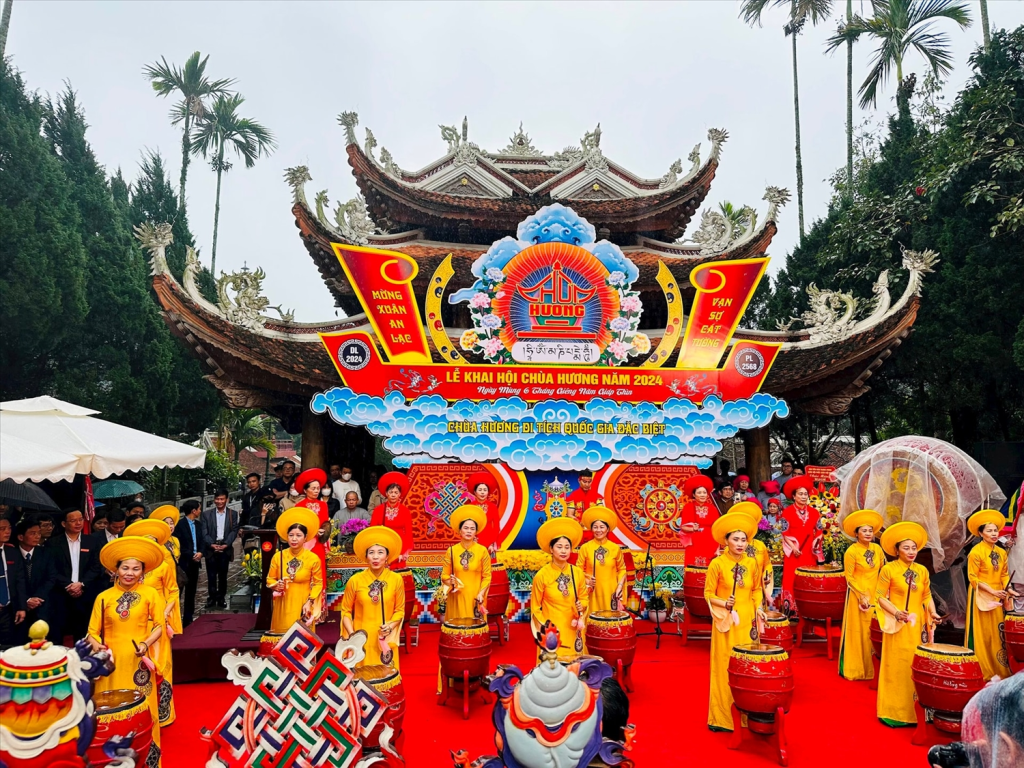
Pilgrims lighting incense at Perfume Pagoda temple
Unlike many cultural festivals that focus on performances or entertainment, the atmosphere here centers on devotion. Pilgrims travel with families, monks guide prayers, and temple bells echo through the valley. As a result, visitors experience a rare combination of natural beauty and spiritual activity.
Pilgrims and Sacred Traditions
Pilgrims form the heart of the festival. Many travel long distances each year to return to the sacred mountains. Some arrive to give thanks for blessings received during the past year. Others come to pray for health, prosperity, or success in work and study.
Along the pathways, travelers may notice many small but meaningful rituals. For example, pilgrims often pause before entering temples to arrange offerings or light incense. These gestures reflect sincerity rather than formality.
Common traditions during the pilgrimage include:
- Lighting incense to express gratitude and hope
- Carrying offerings such as fruit, flowers, or rice cakes
- Praying quietly before statues of Buddhist deities
- Writing wishes for family happiness or career success
These rituals create an atmosphere of calm reflection despite the large crowds.
Festival Markets and Local Life
Although the pilgrimage is spiritual, daily life also appears along the route. Temporary markets emerge near the dock and along the walking paths. Vendors sell snacks, tea, souvenirs, and traditional offerings used for prayer.
These markets add energy to the experience while supporting local communities. However, they remain relatively modest compared with urban festivals. The focus still stays on the pilgrimage rather than commercial activity.
Visitors may encounter:
- Stalls selling incense, candles, and lotus flowers
- Small restaurants offering simple Vietnamese meals
- Local crafts and handmade souvenirs
- Farmers selling seasonal fruit or mountain herbs
For travelers, these scenes reveal how local culture and religion coexist naturally.
Balancing Spiritual Respect with Travel
While the festival welcomes visitors, respectful behavior remains essential. Many people visit for deeply personal reasons. Therefore, travelers should observe the environment carefully and follow local customs.
Helpful reminders include:
- Speak quietly near temples and prayer areas
- Avoid interrupting religious rituals
- Dress modestly when entering pagodas
- Be patient during crowded moments
By following these simple guidelines, visitors can participate respectfully while appreciating the cultural richness of the festival.
Ultimately, the festival transforms a Perfume Pagoda day trip from Hanoi into a meaningful cultural encounter. The journey offers more than scenery or historical landmarks. It reveals how faith, community, and tradition continue to shape everyday life in northern Vietnam.
3. Key Temples and Sacred Sites Along the Journey
A Perfume Pagoda day trip from Hanoi includes several important temples and shrines, not just a single destination. Each location along the route carries symbolic meaning. Some represent the beginning of the pilgrimage, while others mark deeper spiritual stages of the journey. Understanding these sites helps visitors appreciate why the pilgrimage unfolds step by step rather than ending at one temple.
Den Trinh – The Gateway Temple
Den Trinh, also known as the Presentation Shrine, stands near the boat dock and serves as the first sacred stop. Pilgrims traditionally pause here before continuing toward the main temples. This moment symbolizes announcing one’s arrival to the spiritual world.
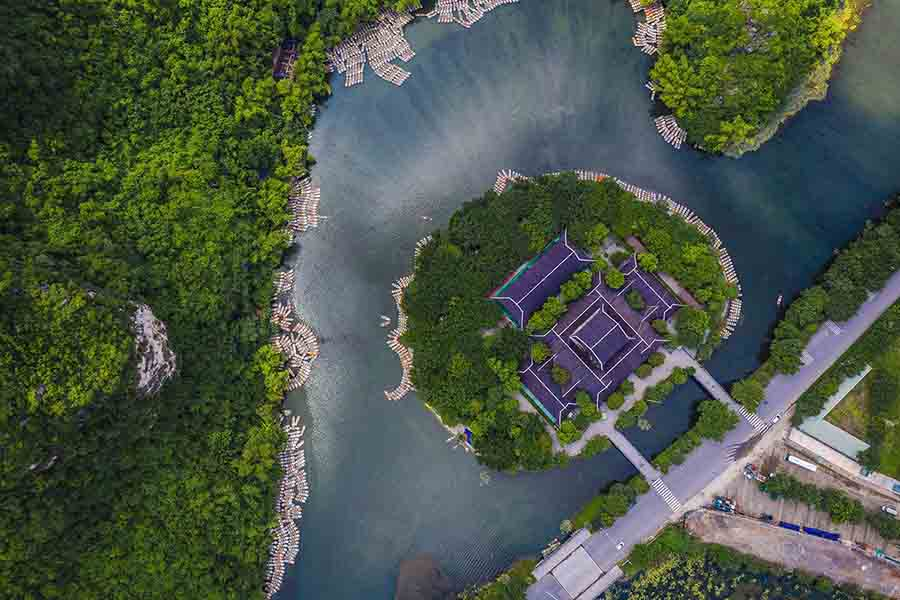
Den Trinh temple gateway shrine at Perfume Pagoda Vietnam
Visitors often notice that the atmosphere at Den Trinh feels calm and respectful. Many pilgrims light incense and bow before the altar before moving forward. The ritual reflects the belief that the journey should begin with humility and gratitude.
Important features of Den Trinh include:
- A small temple located close to the river landing
- Pilgrims offering incense before continuing the journey
- A symbolic starting point for the pilgrimage route
- Quiet surroundings that encourage reflection
Although the temple appears modest, its role in the pilgrimage remains significant.
Thien Tru Pagoda – The Heavenly Kitchen
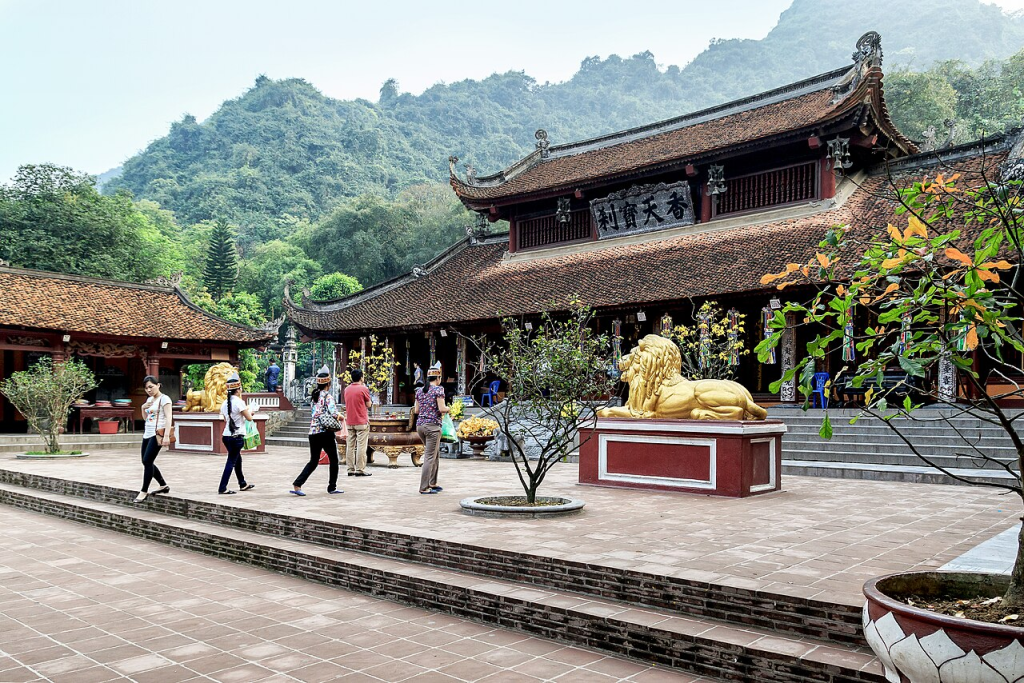
Further along the path stands Thien Tru Pagoda, often called the “Heavenly Kitchen.” This temple complex forms one of the main spiritual centers of the Perfume Pagoda area. Pilgrims frequently stop here to rest, pray, and prepare for the final stage of the climb.
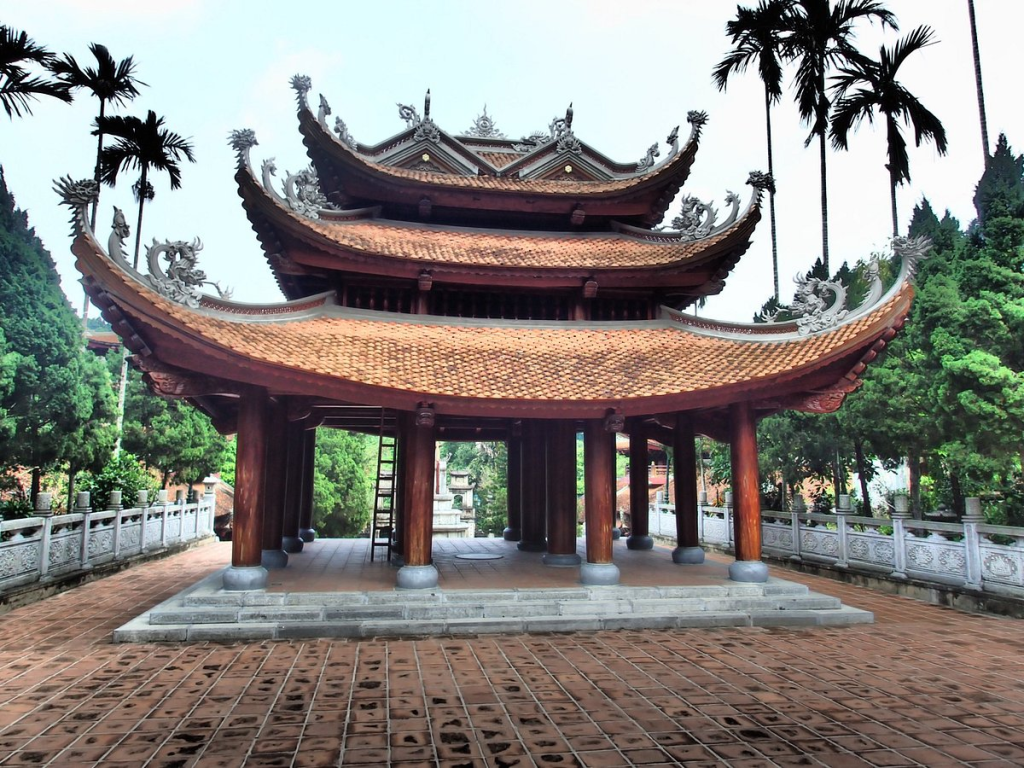
Thien Tru Pagoda courtyard surrounded by mountains
The pagoda courtyard opens toward the surrounding mountains, creating a peaceful setting. Monks maintain the temple, and visitors often hear bells ringing softly through the valley.
Key aspects of Thien Tru Pagoda include:
- A central courtyard surrounded by traditional temple buildings
- Statues of Buddhist figures used for prayer and meditation
- Large incense burners where pilgrims leave offerings
- Rest areas where travelers pause before continuing the journey
This stop often becomes the emotional midpoint of the pilgrimage.
Huong Tich Cave – The Spiritual Heart
Huong Tich Cave represents the final destination of the pilgrimage and the most sacred site within the complex. The cave sits high in the mountain and requires either a steep climb or a cable car ride to reach. Inside, natural rock formations surround the main altar, creating a mystical atmosphere.
Pilgrims believe the cave holds powerful spiritual energy. Many visitors pray for health, fertility, or family prosperity. Drops of water falling from the cave ceiling add to the sense of sacredness.
Highlights of Huong Tich Cave include:
- A large natural cavern used as a temple space
- Stone formations associated with traditional blessings
- An altar dedicated to Buddhist figures
- A quiet atmosphere despite the number of visitors
Reaching this cave completes the pilgrimage. For many travelers, this moment becomes the most memorable part of a Perfume Pagoda day trip from Hanoi, combining natural beauty with deep spiritual tradition.
4. Practical Tips for Planning a Perfume Pagoda Day Trip from Hanoi
Planning ahead makes a Perfume Pagoda day trip from Hanoi smoother and more rewarding. The pilgrimage route includes several stages, from road travel to boat rides and mountain paths. Therefore, preparation helps visitors enjoy the experience without unnecessary stress. This section highlights practical tips about timing, transportation, and what to expect along the journey.
Choosing the Best Time to Visit
Timing affects both the atmosphere and the crowd level. The Perfume Pagoda Festival begins shortly after Tet and usually lasts until late spring. During this period, the valley becomes lively with pilgrims and travelers.
Early mornings often offer the best conditions. The air feels cooler, the light is softer, and the river remains calmer.
Helpful timing considerations include:
- Visit between January and April for the festival atmosphere
- Arrive early in the morning to avoid long queues
- Choose weekdays if possible to reduce crowds
- Check the weather, since rain can make mountain paths slippery
Travelers who prefer a quieter experience may choose to visit outside the peak festival days.
Transportation from Hanoi
Most travelers begin the trip from central Hanoi. The journey to the Perfume Pagoda area takes around two hours by road. Many visitors join organized tours, while others travel independently by private car or bus.
After reaching the harbor area, the route continues by boat along the Yen Stream. Local rowers guide these boats slowly through the valley.
Transportation options typically include:
- Guided tours departing from Hanoi hotels
- Private car or taxi for flexible travel schedules
- Local buses combined with short taxi rides
- Boat transportation included at the harbor
Each option leads to the same pilgrimage route once visitors arrive at the dock.
What to Bring for the Journey
The route includes both walking and climbing. Comfortable preparation helps visitors focus on the scenery and spiritual atmosphere rather than physical discomfort.
Travelers should consider bringing:
- Comfortable walking shoes for mountain paths
- Water and light snacks for the climb
- Sunscreen and a hat for warm days
- Small cash for boat tickets or offerings
During festival season, carrying only essential items also makes moving through crowded areas easier.
Perfume Pagoda cable car over limestone mountains
Making the Journey Meaningful
Although many travelers visit the site for sightseeing, the pilgrimage carries deeper meaning for local people. Observing traditions respectfully allows visitors to connect more authentically with the experience.
Visitors can enrich the journey by:
- Taking time to observe rituals quietly
- Respecting sacred spaces inside temples and caves
- Moving patiently along the pilgrimage route
- Appreciating the natural scenery surrounding the temples
Ultimately, a Perfume Pagoda day trip from Hanoi offers more than scenic landscapes. It combines spiritual tradition, natural beauty, and cultural understanding into one memorable journey through northern Vietnam’s sacred mountains.
Read for more information:
- https://abite.asia/hanoi-pagoda-hopping-after-tet-a-locals-guide-to-spring-luck/
- https://abite.asia/hanoi-french-quarter-architecture-a-walk-through-the-indochina-style/
At Abite.asia, we specialize in curated Vietnam tours for international travelers, ensuring an authentic and hassle-free experience. Let us take care of your journey so you can fully embrace the beauty of Vietnam. Contact us today at +84363770835 to start planning your adventure!

Leave a Reply