A Hanoi food tour is one of the most authentic ways to experience the capital, where cuisine is deeply connected to daily life, culture, and local identity. Unlike formal dining, Hanoi’s food scene lives on the streets—on small stools, in narrow alleys, and at busy corners where generations of recipes are preserved through everyday cooking.
What makes Hanoi special is not just the variety of dishes, but the way food is enjoyed. Meals are often simple, quick, and shared, yet full of depth in flavor. From a hot bowl of phở in the morning to grilled meats and snacks in the evening, each dish reflects a balance of fresh ingredients, herbs, and traditional techniques. A Hanoi food tour allows travelers to move through different neighborhoods, tasting these flavors in the places where locals actually eat.
During the 30/4 – 1/5 holiday, the food scene becomes even more lively. Streets are busier, night markets are more crowded, and popular food spots fill up quickly. While this means longer waits, it also creates a vibrant atmosphere where visitors can experience Hanoi at its most energetic and social.
For travelers who want to go beyond sightseeing, a Hanoi food tour offers a deeper connection to the city—through taste, interaction, and the rhythm of everyday life.
1. Why Choose a Hanoi Food Tour
A Hanoi food tour is more than just eating—it’s a way to understand the city through its flavors, habits, and everyday rhythm. In Hanoi, food is not separated from life; it happens on sidewalks, in small family-run shops, and in crowded corners where locals gather from morning to night. Exploring this scene with intention allows travelers to experience the city beyond typical sightseeing.
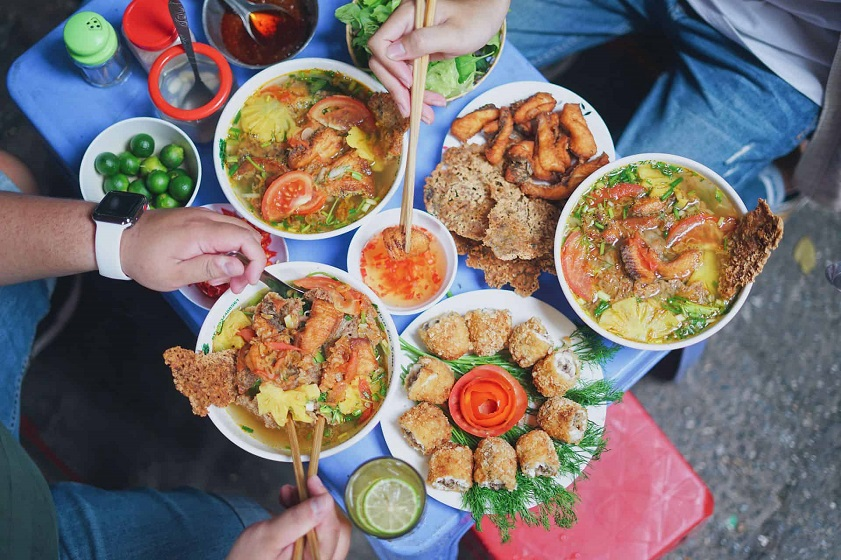
Experience street food culture in Hanoi
Taste Authentic Local Flavors in the Right Places
One of the biggest advantages of joining a Hanoi food tour is knowing where to eat. Many of the best dishes are not found in large restaurants, but in small, local spots that can be easy to miss.
On a typical food journey, you will:
- Try iconic dishes like phở, bún chả, bánh mì, and nem rán
- Visit hidden street stalls and long-standing local eateries
- Experience recipes that have been passed down for generations
- Taste food prepared in the most traditional way
This ensures you are not just eating, but eating well and authentically.
Understand the Culture Behind the Food
Hanoi cuisine is not only about flavor—it reflects history, lifestyle, and local habits. Each dish has its own context, from how it is served to when it is eaten.
During a Hanoi food tour, you will notice:
- How locals eat quickly yet socially on the street
- The importance of fresh herbs and balanced flavors
- The difference between breakfast, lunch, and evening dishes
- The connection between food and daily routines
This cultural insight adds depth to every bite.
Explore the City Through Its Neighborhoods
Food tours naturally guide you through different parts of Hanoi, especially the Old Quarter. Instead of walking randomly, each stop has a purpose.
As you move between food spots, you will:
- Walk through narrow streets full of local activity
- Observe daily life happening around you
- Discover small alleys and hidden corners
- Experience the city in a more interactive way
This makes a Hanoi food tour both a culinary and cultural exploration.
A Social and Interactive Experience
Eating in Hanoi is often a shared experience, and food tours reflect that. Whether you are traveling solo or in a group, the experience becomes more engaging through interaction.
You can expect:
- Sitting at small tables or stools like locals
- Sharing dishes and trying multiple flavors
- Talking with guides about food and culture
- Meeting other travelers along the way
This creates a relaxed and enjoyable atmosphere.
Even More Vibrant During 30/4 – 1/5
During the 30/4 – 1/5 holiday, the food scene becomes even more dynamic. Streets are livelier, and popular food areas are filled with both locals and visitors.
This means:
- A wider variety of street food available, especially in the evening
- A more energetic and festive atmosphere
- Busy but exciting dining environments
- A chance to see how locals celebrate through food
While it can be more crowded, it also makes the Hanoi food tour feel more authentic and alive.
Choosing a Hanoi food tour allows you to experience the city in a way that is both delicious and meaningful. It connects you directly to local life, offering not just meals, but a deeper understanding of Hanoi itself.
2. What to Eat on a Hanoi Food Tour
A Hanoi food tour is built around variety rather than a single meal. Instead of sitting down for one large dish, you move from place to place, tasting different specialties that represent the city’s culinary identity. Each stop introduces a new flavor, texture, and way of eating, making the experience feel dynamic and engaging.
During the 30/4 – 1/5 holiday, the food scene becomes even more vibrant. Many vendors stay open later, and night food streets are busier than usual, giving you more options to explore—although it may also mean waiting a bit longer at popular spots.
Phở – The Iconic Vietnamese Noodle Soup
No Hanoi food tour is complete without phở, a dish that reflects the essence of Vietnamese cuisine. The broth is slow-cooked for hours, resulting in a light yet deeply flavorful base.
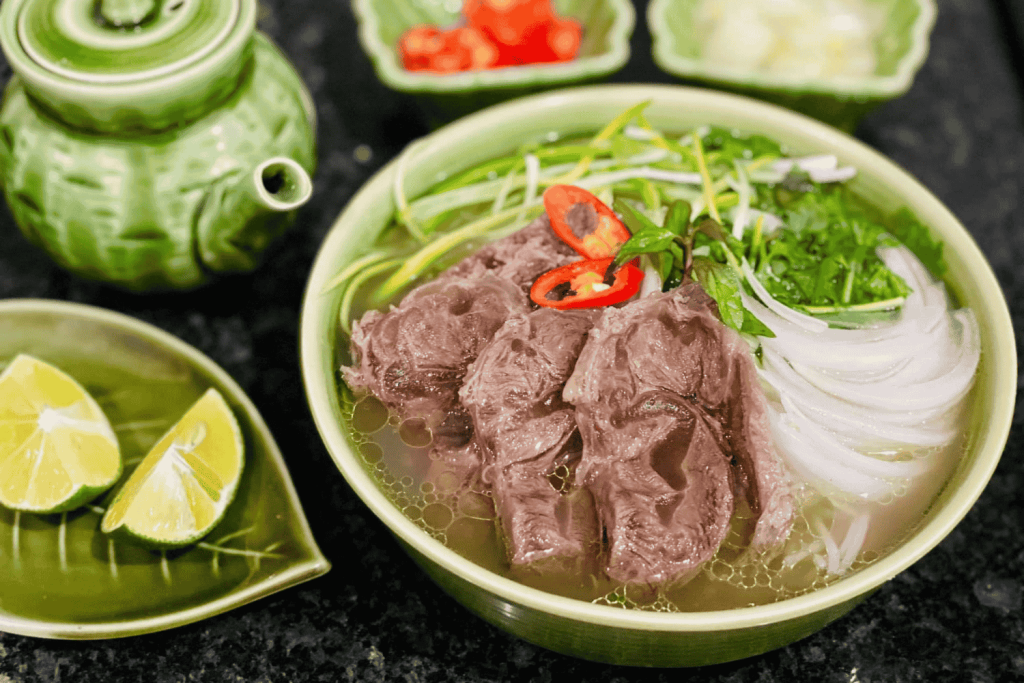
Try the iconic Vietnamese pho.
When trying phở in Hanoi, you will notice:
- Clear, aromatic broth with subtle spices
- Soft rice noodles paired with beef or chicken
- Fresh herbs and lime to adjust flavor
- A simple presentation that focuses on taste
It is often enjoyed in the morning, but can be found throughout the day.
Bún Chả – A Classic Hanoi Lunch Dish
Bún chả is another must-try, especially popular around midday. It consists of grilled pork served with rice noodles, herbs, and dipping sauce.
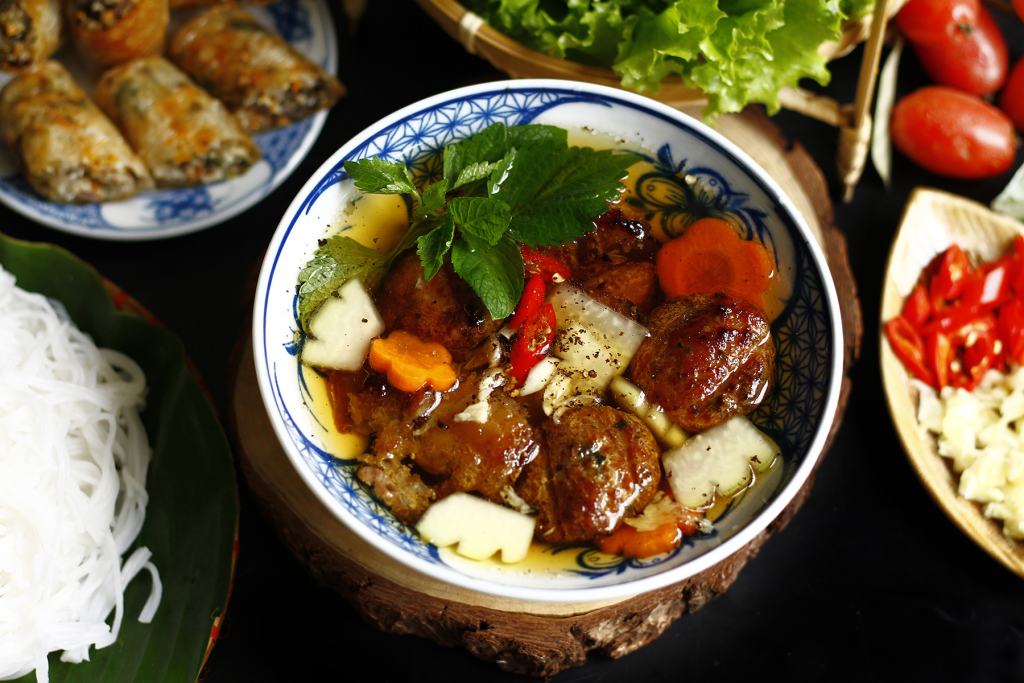
Enjoy Hanoi’s famous bun cha
This dish stands out because:
- The pork is grilled over charcoal, adding a smoky flavor
- The dipping sauce balances sweet, sour, and salty elements
- Fresh herbs create a refreshing contrast
- It is eaten by combining ingredients rather than mixing beforehand
On a Hanoi food tour, this is often one of the most satisfying stops.
Bánh Mì – A Fusion of Flavors
Bánh mì represents a blend of Vietnamese and French influences, combining a crispy baguette with a variety of fillings.
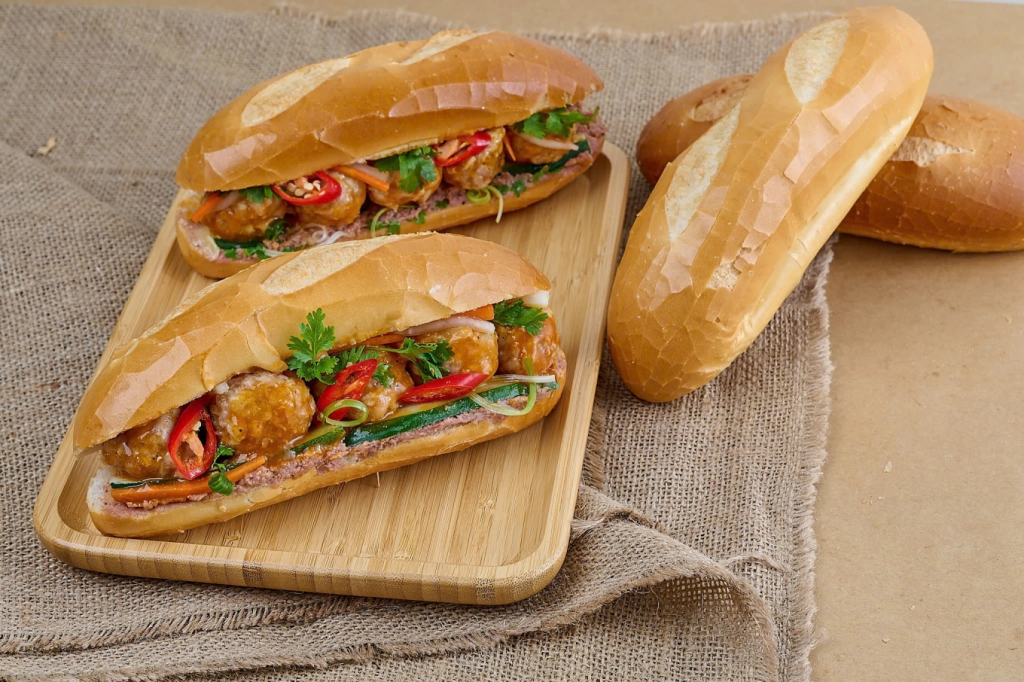
Taste the famous Vietnamese banh mi.
Typical ingredients include:
- Grilled meats or pâté
- Pickled vegetables for crunch and acidity
- Fresh herbs and chili for added flavor
- A light, crispy bread that holds everything together
It is a convenient and flavorful option that can be enjoyed at any time of day.
Street Snacks and Local Specialties
Beyond main dishes, a Hanoi food tour also includes smaller snacks that add variety to the experience. These are often found in street stalls or evening markets.
You may try:
- Nem rán (fried spring rolls) with a crispy exterior
- Bánh cuốn (steamed rice rolls) with savory fillings
- Bánh gối (pillow-shaped pastries) filled with meat and vegetables
- Grilled skewers or small bites sold on the street
These dishes are perfect for sharing and sampling multiple flavors.
Desserts and Local Drinks
To complete the experience, many tours include a stop for dessert or traditional drinks. These offer a lighter, refreshing end to the food journey.
Common options include:
- Chè (Vietnamese sweet soup) with beans, jelly, or fruit
- Fresh fruit with chili salt
- Egg coffee, a Hanoi specialty with a rich, creamy texture
- Iced tea, often served alongside meals
During the 30/4 – 1/5 holiday, dessert spots and cafés are often lively, adding to the social atmosphere of the tour.
A Hanoi food tour is not about eating one signature dish, but about experiencing a wide range of flavors in a short time. From savory meals to sweet treats, each stop contributes to a deeper understanding of Hanoi’s culinary culture.
3. What to Expect During the Experience
A Hanoi food tour is not just about eating—it is about moving through the city while experiencing how food fits into everyday life. The journey feels dynamic, with constant transitions between walking, tasting, observing, and interacting. Especially during the 30/4 – 1/5 holiday, the experience becomes even more lively, as the streets are filled with both locals and visitors enjoying the festive atmosphere.
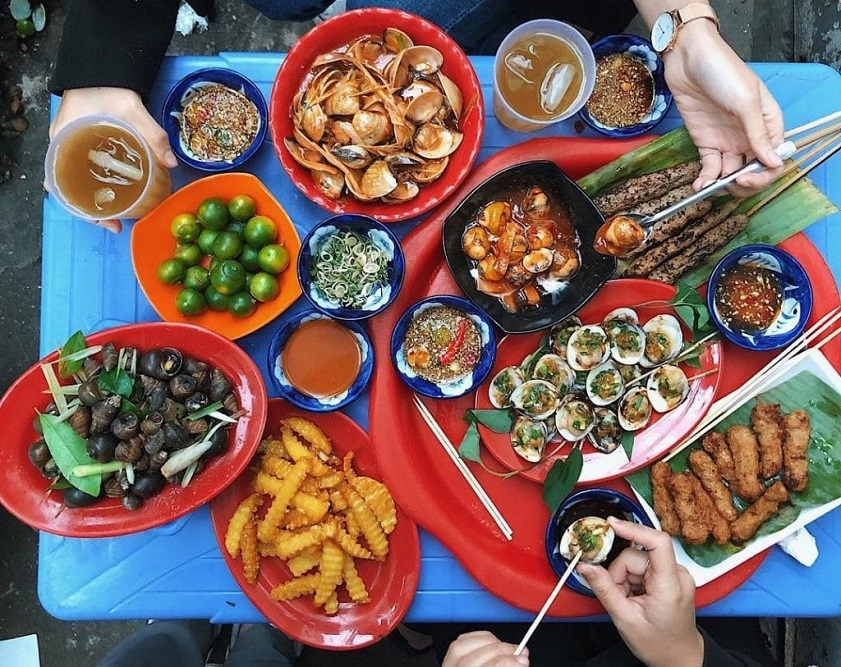
Explore the city while tasting food.
A Fast-Paced but Enjoyable Food Journey
Unlike a traditional meal, a Hanoi food tour unfolds in stages. You will not stay in one place for long; instead, you move between multiple stops, each offering a different dish and environment.
Throughout the tour, you will:
- Walk through busy streets and narrow alleys
- Stop frequently for short tasting sessions
- Alternate between standing, sitting, and moving
- Experience a rhythm that feels active but not exhausting
This pace keeps the experience engaging and prevents it from becoming too heavy.
A Strong Connection Between Food and Street Life
One of the most unique aspects of a Hanoi food tour is how closely food is tied to the street environment. Meals are not isolated from daily life—they happen right in the middle of it.
As you explore, you will notice:
- Vendors cooking directly on sidewalks
- Locals eating on small stools close to the street
- The sounds, smells, and movement surrounding each meal
- A sense that food is part of the city’s natural flow
During the holiday, this connection becomes even stronger as more people gather outside to eat and socialize.
A Lively and Crowded Atmosphere During 30/4 – 1/5
Traveling during the 30/4 – 1/5 holiday adds a different layer to the experience. The city feels more energetic, and food areas become social hubs.
You can expect:
- Busier food stalls with longer waiting times
- More street vendors operating, especially in the evening
- A festive and communal atmosphere
- A mix of locals and tourists sharing the same spaces
While it may feel crowded, it also makes the Hanoi food tour more vibrant and authentic.
A Social and Interactive Experience
Food in Hanoi is rarely a solitary activity, and this is reflected in the tour experience. Whether you are traveling alone or with others, the environment encourages interaction.
During the tour, you may:
- Share tables or seating with other guests
- Talk with guides about dishes and local habits
- Watch vendors prepare food up close
- Engage in casual conversations with people around you
This adds a human element to the journey, making it more than just a series of meals.
A Mix of Comfort and Controlled Chaos
Hanoi’s food scene can feel chaotic at first, especially for first-time visitors. However, within that chaos, there is an underlying order that locals are used to.
You will likely experience:
- Tight seating spaces and busy surroundings
- Quick service and fast turnover at food stalls
- A balance between spontaneity and routine
- A sense of immersion in real local life
Over time, what seems overwhelming at first becomes part of the charm.
An Experience That Engages All Senses
A Hanoi food tour is not only about taste—it engages sight, smell, and sound as well. The combination of these elements creates a fully immersive experience.
You may find yourself noticing:
- The aroma of grilled meats and fresh herbs
- The visual contrast of colorful dishes and street scenes
- The sound of cooking, traffic, and conversation
- The texture and temperature of different foods
A Hanoi food tour—especially during the 30/4 – 1/5 holiday—is an experience that feels alive, interactive, and sensory-rich. It is not just about what you eat, but how and where you eat it, making it one of the most memorable ways to explore Hanoi.
4. Tips for Planning a Hanoi Food Tour During 30/4 – 1/5
A Hanoi food tour during the 30/4 – 1/5 holiday can be one of the most exciting ways to experience the city, but it also requires a bit more planning than usual. With larger crowds, hotter weather, and high demand at popular food spots, being prepared will help you enjoy the experience without feeling overwhelmed.
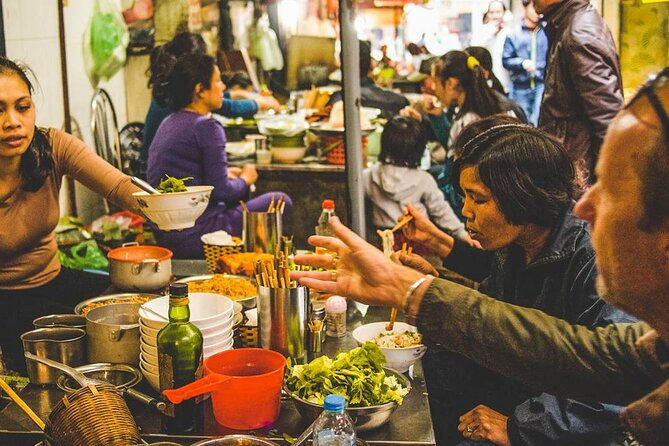
Choose the right time to avoid crowds
Choose the Right Time to Avoid Peak Hours
Timing plays a major role in how comfortable your food tour will be. During the holiday, popular food streets and stalls can become extremely crowded, especially in the evening.
To improve your experience:
- Start your tour early in the morning for a calmer atmosphere
- Or choose a late afternoon to evening slot after peak heat
- Avoid peak dining hours (12:00–1:30 PM and 6:30–8:00 PM if possible)
- Be flexible, as waiting times may vary
A well-timed Hanoi food tour will feel much more enjoyable.
Prepare for Heat and Walking
Late April and early May in Hanoi are typically hot and humid, and food tours involve a fair amount of walking between stops.
To stay comfortable:
- Wear light, breathable clothing
- Choose comfortable walking shoes
- Bring a small bottle of water
- Use a hat or sunglasses for sun protection
Managing the heat will help you maintain energy throughout the tour.
Come Hungry, but Pace Yourself
Because a Hanoi food tour includes multiple stops, it’s important to approach it with the right mindset. Eating too quickly or too much at the beginning can make the rest of the experience less enjoyable.
A good approach is to:
- Eat small portions at each stop
- Focus on tasting rather than finishing everything
- Take breaks between dishes
- Listen to your body and adjust your pace
This allows you to enjoy the full range of flavors without feeling too full.
Be Patient with Crowds and Waiting Times
During the 30/4 – 1/5 holiday, some of the best food spots may have queues. While this can be inconvenient, it often indicates quality and popularity.
You should be prepared for:
- Waiting a bit longer at well-known stalls
- Busy seating areas with limited space
- A more energetic and noisy environment
- Slight delays between stops
Patience is key to enjoying a Hanoi food tour during peak periods.
Choose a Guided Tour for a Smoother Experience
While it is possible to explore food independently, a guided tour can be especially helpful during busy holidays.
With a guide, you can:
- Skip the guesswork of where to eat
- Navigate crowded areas more efficiently
- Learn the story behind each dish
- Access hidden spots that are less obvious
This makes the overall experience more organized and less stressful.
Pay Attention to Hygiene and Food Safety
Street food in Hanoi is generally safe, but taking a few precautions is always a good idea, especially when trying multiple dishes.
Simple tips include:
- Choose stalls that are busy and freshly preparing food
- Avoid food that has been sitting out too long
- Carry hand sanitizer or wet wipes
- Drink bottled or filtered water
These small steps help ensure a comfortable food experience.
Enjoy the Atmosphere, Not Just the Food
During the holiday, the food scene is not only about taste—it’s about energy and interaction. The streets are alive with people, sounds, and movement.
Take time to:
- Observe how locals eat and socialize
- Enjoy the lively street environment
- Capture moments beyond just the dishes
- Embrace the festive feeling of the city
A Hanoi food tour during the 30/4 – 1/5 holiday is about more than just trying dishes. It’s about experiencing Hanoi at one of its most vibrant times—where food, culture, and community come together in a truly memorable way.
Read for more information:
- https://abite.asia/hanoi-city-tour-old-quarter-hoan-kiem-lake-train-street-guide/
- https://abite.asia/hanoi-city-tour-explore-the-old-quarter-temples-cultural-landmarks/
- https://abite.asia/hanoi-street-food-tour-taste-the-best-local-dishes-in-the-old-quarter/
At Abite.asia, we specialize in curated Vietnam tours for international travelers, ensuring an authentic and hassle-free experience. Let us take care of your journey so you can fully embrace the beauty of Vietnam. Contact us today at +84363770835 to start planning your adventure!




Leave a Reply