Ba Be Lake National Park is one of northern Vietnam’s most peaceful natural destinations, known for its freshwater lake, limestone mountains, forests, caves, and ethnic villages. Located in Bac Kan Province, the park offers a refreshing escape for travelers who enjoy boat trips, scenic landscapes, and local culture. Visitors can explore quiet waterways, visit traditional Tay communities, and discover natural attractions surrounded by dense greenery. With its calm atmosphere and diverse scenery, Ba Be Lake National Park is an ideal destination for nature lovers, photographers, and travelers seeking a slower journey beyond Vietnam’s busy cities.
1. Why Visit Ba Be Lake National Park
Ba Be Lake National Park is an ideal destination for travelers who want to explore northern Vietnam at a slower pace. Instead of crowded attractions and busy urban areas, the park offers freshwater scenery, forested mountains, caves, rivers, and ethnic villages within one peaceful natural environment.
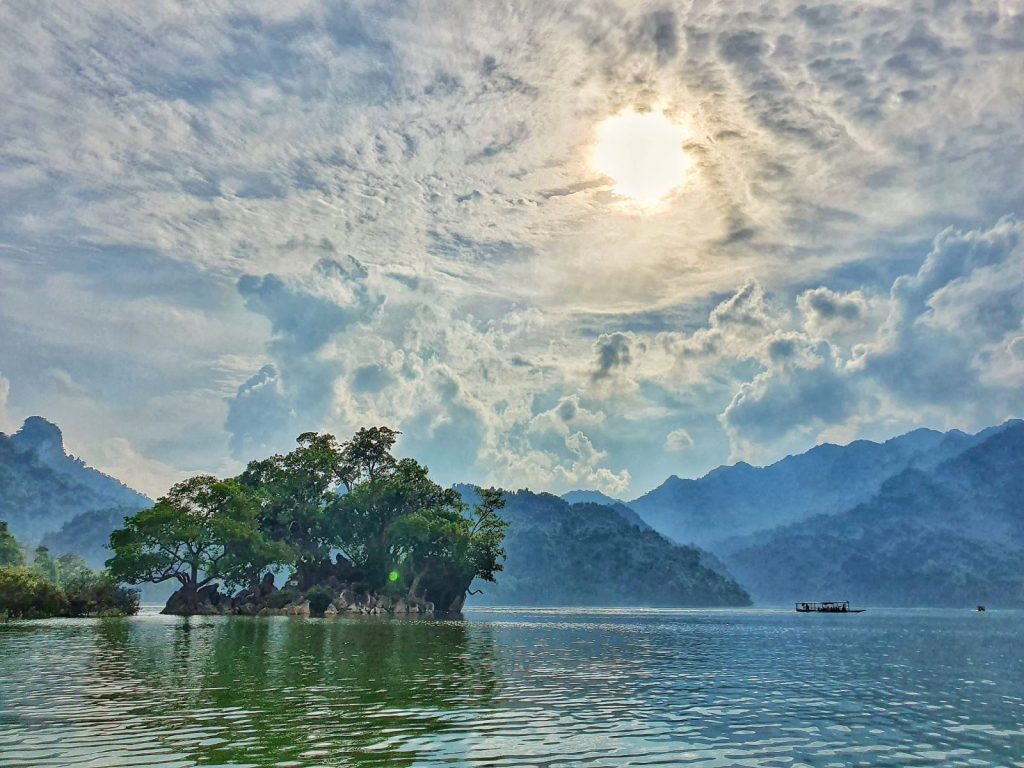
Ba Be Lake National Park with Limestone Mountains and Freshwater Lake. Picture: Internet.
A Unique Freshwater Landscape
The central attraction of the park is Ba Be Lake, one of Vietnam’s most distinctive natural lakes. Surrounded by limestone mountains and dense forest, the lake creates a calm setting where water, cliffs, and greenery come together in a dramatic but relaxing landscape.
Visitors can experience several different views during the same journey, including:
- Wide sections of open water surrounded by mountains
- Narrow waterways connecting rivers and lake areas
- Forest-covered limestone cliffs
- Small fishing boats and lakeside communities
- Reflections of trees and mountains on calm water
This variety makes Ba Be Lake National Park especially attractive for photography, boat trips, and quiet nature observation. The landscape feels spacious and peaceful, even when travelers visit several attractions within the park.
A Relaxing Boat Journey
A boat trip is one of the best ways to discover the park because many natural attractions are connected by water. The journey allows travelers to move slowly through the lake while enjoying fresh air, mountain scenery, and the quieter rhythm of local life.
Depending on the route, a boat trip may include:
- Scenic cruising across Ba Be Lake
- Views of rivers flowing into the lake
- Stops near caves or waterfalls
- Riverside villages and farming areas
- Quiet places for photography and relaxation
Unlike a fast sightseeing tour, the boat journey gives visitors time to observe small details along the way. The sound of the water, the movement of local boats, and the surrounding forest all contribute to the calm atmosphere.
Forests, Caves, and Rivers in One Destination
Ba Be Lake National Park offers more than lake scenery. The wider area includes forests, underground caves, rivers, waterfalls, and limestone formations, creating a varied environment for travelers who enjoy nature-based exploration.
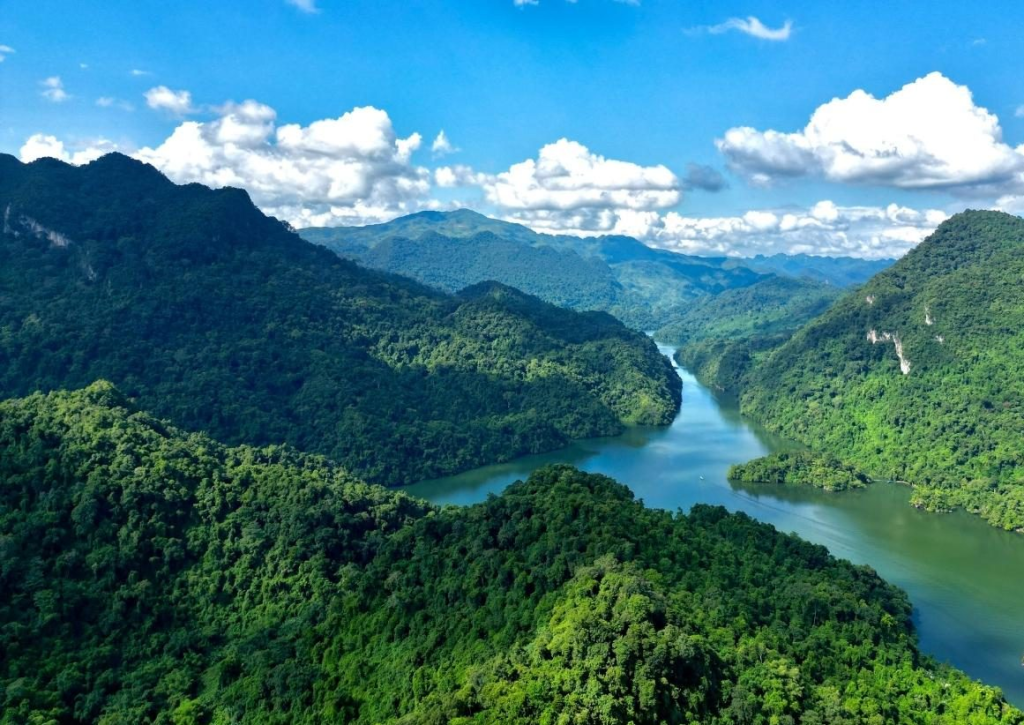
Forests, Caves and Rivers in Ba Be Lake National Park. Picture: Internet.
Popular natural experiences may include visiting Puong Cave, following the Nang River, or exploring areas near Dau Dang Waterfall. Each attraction reveals a different side of the park, from dark limestone chambers to open river landscapes and forested mountain paths.
Traditional Tay Villages
The park is also home to Tay communities whose lives remain closely connected to the lake, farmland, and surrounding forests. Visiting a local village gives travelers the opportunity to understand the cultural landscape of Ba Be rather than seeing it only as a natural attraction.
Travelers may notice:
- Traditional stilt houses built from wood
- Rice fields and small family gardens
- Local fishing and farming activities
- Home-style meals prepared with regional ingredients
- Quiet village roads near the lake
These communities are living residential areas, so visitors should behave respectfully during their stay. Asking permission before taking photographs and following local customs helps create a more meaningful cultural experience.
A Suitable Destination for Slow Travel
Ba Be is best suited to travelers who enjoy peaceful scenery, light outdoor activity, and unhurried exploration. The park does not depend on entertainment facilities or large tourist attractions because its main appeal comes from the landscape, local atmosphere, and sense of distance from city life.
Visitors can spend time boating, walking through villages, relaxing at a homestay, or simply observing the lake at different times of day. This slower rhythm makes Ba Be Lake National Park a strong choice for couples, families, photographers, and nature lovers.
A Rewarding Escape from Hanoi
Although Ba Be requires a longer journey than destinations closer to Hanoi, the change in atmosphere makes the trip worthwhile. Travelers move from busy streets and urban traffic into a region of mountains, water, forests, and small rural communities.
A visit to Ba Be Lake National Park offers a balanced combination of natural scenery and local culture. The lake, caves, villages, and peaceful surroundings create a memorable experience for travelers who want to discover a quieter side of northern Vietnam.
2. What to Expect When Visiting Ba Be Lake National Park
A visit to Ba Be Lake National Park usually combines boat travel, village exploration, light walking, and time in nature. The experience is generally calm rather than fast-paced, so travelers should expect a journey shaped by water, forests, local communities, and changing mountain weather.
A Scenic Boat Trip Across Ba Be Lake
Boat travel is often the main activity in the park because many natural attractions are connected by the lake and surrounding rivers. The journey usually moves at a gentle pace, allowing visitors to enjoy the scenery instead of rushing between destinations.
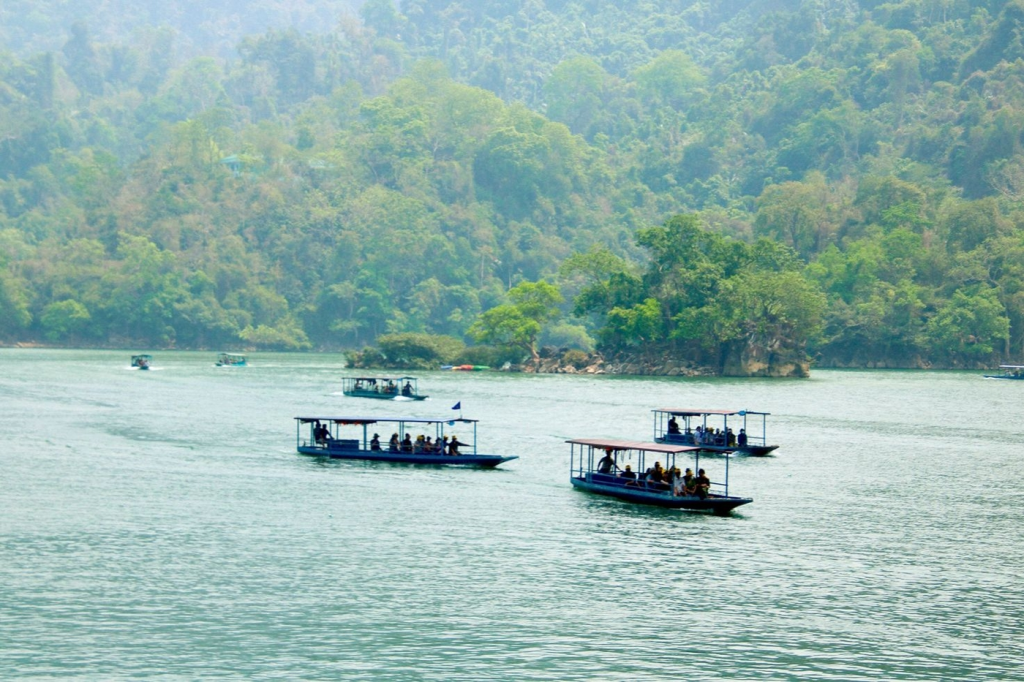
Scenic Boat Trip Across Ba Be Lake National Park. Picture: Internet.
During the boat trip, travelers may see:
- Forested limestone mountains rising beside the water
- Small fishing boats and lakeside homes
- Narrow river sections leading into wider lake areas
- Caves, cliffs, and natural rock formations
- Quiet viewpoints suitable for photography
The exact route may vary depending on weather, water levels, and the chosen tour. Some boat trips are short and focused on the lake, while others continue toward Puong Cave, the Nang River, or Dau Dang Waterfall.
Peaceful Natural Surroundings
The atmosphere inside Ba Be Lake National Park is noticeably quieter than in many popular tourist destinations. Instead of large entertainment areas, visitors are surrounded by water, forest, bird sounds, and rural scenery.
The landscape changes throughout the day, with mist often appearing in the early morning and warmer light spreading across the lake in the afternoon. Travelers who stay overnight can also enjoy the park after most day visitors have left, when the villages and lake become especially peaceful.
Light Walking and Outdoor Exploration
Most visits do not require difficult trekking, but travelers should expect some walking on village paths, forest trails, cave entrances, and uneven natural surfaces. Some areas may become muddy or slippery after rain, so comfortable footwear is important.
Depending on the itinerary, outdoor activities may include:
- Walking through Tay villages
- Exploring cave paths and stone steps
- Visiting riverside or waterfall areas
- Following short forest trails
- Moving between boats, homestays, and viewpoints
The level of activity is usually manageable for travelers with average fitness. However, visitors should check the itinerary in advance if they have mobility concerns or prefer a more relaxed route.
Traditional Homestay Experiences
Many travelers choose to stay in a Tay homestay near the lake. These accommodations are often built in traditional stilt-house style and provide a closer connection to local life than a standard hotel.
A typical homestay experience may include:
- Simple private or shared sleeping areas
- Home-cooked meals using local ingredients
- Views of rice fields, mountains, or village roads
- Conversations with local hosts
- A quiet evening away from city noise
Facilities may be more basic than those in urban hotels, so visitors should prepare for comfort rather than luxury. The cultural atmosphere and peaceful setting are often the main reasons travelers enjoy staying overnight.
Local Food and Regional Flavors
Meals in the park are usually simple, fresh, and served family-style. Ingredients may come from nearby farms, gardens, rivers, or the lake, creating a dining experience closely connected to the region.
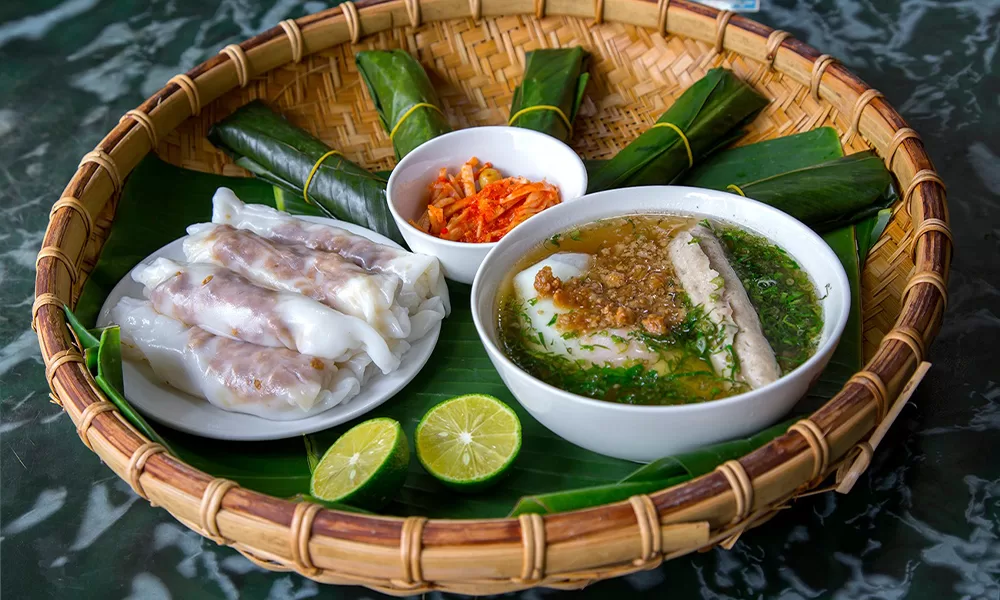
Traditional Northern Vietnamese Cuisine Near Ba Be Lake National Park. Picture: Internet
Travelers may try:
- Freshwater fish
- Grilled or stir-fried meat dishes
- Seasonal vegetables and mountain herbs
- Sticky rice or steamed rice
- Local specialties prepared by homestay hosts
The food is generally home-style rather than highly refined. Sharing a meal with local hosts or other travelers often becomes part of the overall experience.
Changing Weather Conditions
Mountain weather can change quickly, especially during the rainy season. A sunny morning may be followed by mist, light rain, or cooler temperatures later in the day.
Visitors should bring practical items such as a light jacket, rain protection, sunscreen, and insect repellent. Travelers should also remain flexible because boat schedules and outdoor activities may be adjusted when weather or water conditions change.
A Slower and More Authentic Travel Rhythm
A visit to Ba Be Lake National Park is best enjoyed without a packed schedule. The park is not about completing a long list of attractions, but about experiencing the lake, villages, and natural surroundings at a comfortable pace.
Travelers who allow time for boat rides, local meals, short walks, and quiet observation are likely to have a more rewarding trip. The combination of water, forests, ethnic culture, and peaceful rural life makes Ba Be a meaningful destination for those seeking a slower side of northern Vietnam.
3. Best Places to Visit in Ba Be Lake National Park
A trip to Ba Be Lake National Park can include much more than a simple boat ride across the lake. The wider area offers caves, waterfalls, rivers, villages, and scenic viewpoints, allowing travelers to experience both the natural and cultural sides of the park.
Ba Be Lake
Ba Be Lake is the central attraction and the starting point for most journeys through the national park. Surrounded by forested mountains and limestone cliffs, the lake offers peaceful views that change as boats move between open water, narrow channels, and riverside areas.
Travelers can enjoy several experiences around the lake, including:
- Scenic boat rides through calm water
- Views of forest-covered limestone mountains
- Quiet stops for photography
- Local fishing boats and lakeside houses
- Early morning mist and soft afternoon light
The lake is best explored slowly because much of its beauty comes from the atmosphere rather than a single viewpoint. Spending enough time on the water allows visitors to notice the changing scenery and the daily rhythm of communities living nearby.
Puong Cave
Puong Cave is one of the best-known natural attractions in Ba Be Lake National Park. The Nang River flows directly through the cave, creating an unusual route where boats pass beneath high limestone walls and dark rock formations.
Inside the cave, travelers can observe:
- Large limestone chambers
- Stalactites hanging from the ceiling
- River views framed by cave entrances
- Changing light as the boat moves underground
- Natural sounds created by water and echoing rock walls
The cave experience is relatively gentle because visitors usually remain on the boat. However, lighting and water conditions may vary, so the exact route depends on the season and local safety requirements.
Dau Dang Waterfall
Dau Dang Waterfall is located along the Nang River and provides a more energetic contrast to the calm lake. Water flows over rocky sections surrounded by forest, creating a natural stop that feels more rugged than the open scenery of Ba Be Lake.
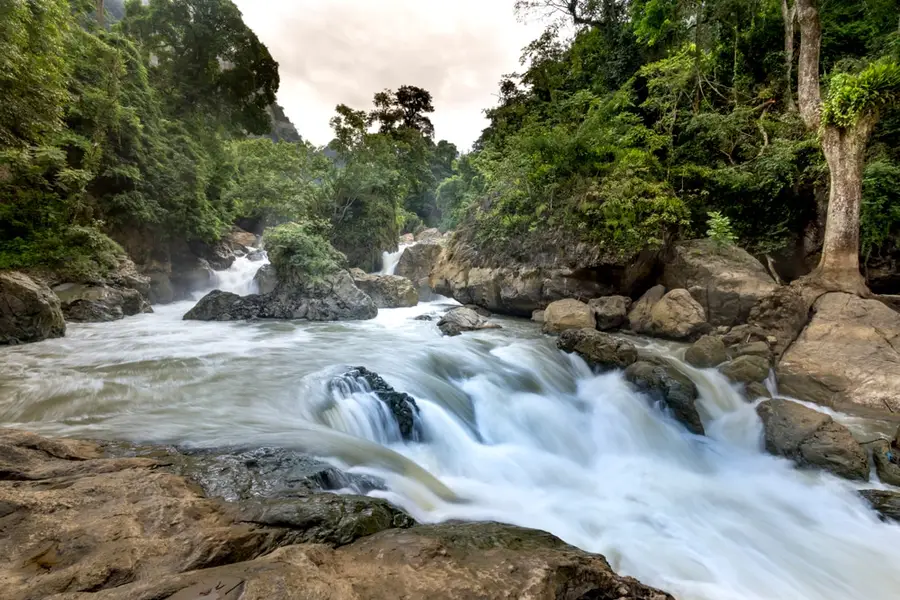
Dau Dang Waterfall Surrounded by Forests in Ba Be National Park. Picture: Internet
Reaching the waterfall may involve a boat journey followed by a short walk on uneven paths. Comfortable shoes are useful, especially during rainy periods when rocks and forest trails may become slippery.
Hua Ma Cave
Hua Ma Cave is known for its large underground chambers and impressive limestone formations. Unlike Puong Cave, which is usually experienced by boat, Hua Ma requires visitors to walk through the cave and explore its interior on foot.
Travelers should be prepared for:
- Stone steps leading toward the cave
- Walking through large underground spaces
- Stalactites and naturally shaped limestone formations
- Cooler air inside the cave
- Uneven or damp surfaces
The visit involves more physical activity than a boat trip, but it adds variety to the Ba Be itinerary. Travelers with limited mobility should check the access conditions before including it in their plans.
Pac Ngoi Village
Pac Ngoi is one of the most popular Tay villages near Ba Be Lake and a common place for homestay accommodation. The village is surrounded by rice fields, mountains, and traditional stilt houses, creating a peaceful setting close to the lake.
Visitors may experience:
- Traditional Tay wooden houses
- Local meals prepared by homestay hosts
- Village roads and rice fields
- Cultural performances on selected evenings
- A quiet atmosphere after daytime tours end
Pac Ngoi is not only a place to sleep, but also an important part of the cultural experience. Travelers should behave respectfully because the village remains a real residential community.
Coc Toc Village
Coc Toc Village offers another quiet base near the lake and is often less busy than Pac Ngoi. The village provides easy access to local boat trips while maintaining a relaxed rural atmosphere.
Travelers can walk through the surrounding area, observe farming activities, and enjoy views of the lake and nearby mountains. Staying here may suit visitors who prefer a quieter homestay experience and more time away from larger groups.
The Nang River
The Nang River plays an important role in the landscape of Ba Be Lake National Park because it connects the lake with caves, waterfalls, and surrounding valleys. Boat trips along the river reveal a different side of the park, with narrower waterways and closer views of limestone cliffs.
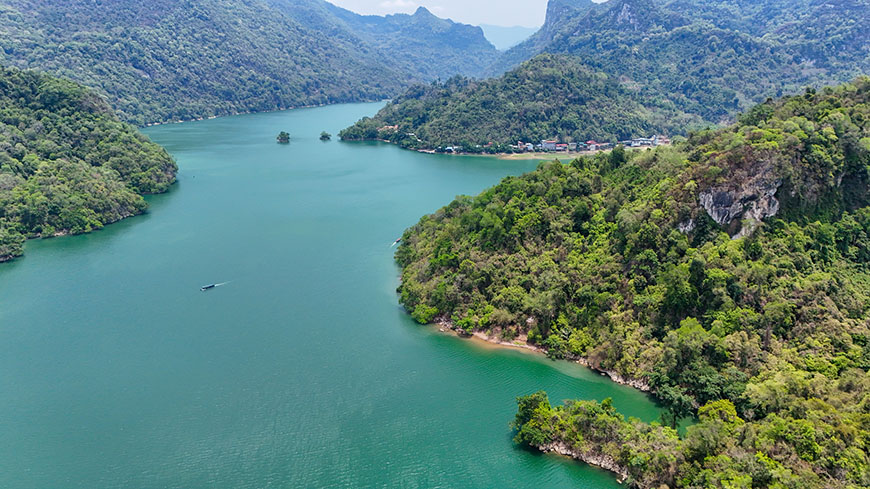
The Nang River Flowing Through Ba Be Lake National Park. Picture: Internet.
The river journey may include Puong Cave, Dau Dang Waterfall, and small riverside communities. Combining the lake and river sections creates a more complete understanding of how water shapes both the natural environment and local life.
Tay Ethnic Villages
Several Tay villages are located within and around the park, offering travelers opportunities to learn about local architecture, food, farming, and traditions. These visits are most meaningful when approached slowly and respectfully rather than treated as quick photo stops.
Visitors should ask permission before photographing residents, avoid entering private homes without invitation, and support local products responsibly. Respectful interaction helps protect village life while creating a more authentic travel experience.
Building a Balanced Ba Be Itinerary
Travelers with one day can focus on the lake, Puong Cave, and a short village visit. Those staying for two or three days can add Hua Ma Cave, Dau Dang Waterfall, riverside areas, and an overnight homestay for a more relaxed journey.
Overall, the best places in Ba Be Lake National Park combine water, forests, caves, and local culture. Choosing a balanced mix of natural attractions and village experiences helps travelers discover the park beyond its famous lake.
Read for more information:
- https://abite.asia/ba-be-lake-ban-gioc-waterfall-tour-complete-2d1n-adventure/
- https://abite.asia/ban-gioc-waterfall-vietnams-most-spectacular-border-waterfall/
At Abite.asia, we specialize in curated Vietnam tours for international travelers, ensuring an authentic and hassle-free experience. Let us take care of your journey so you can fully embrace the beauty of Vietnam. Contact us today at +84363770835 to start planning your adventure!


Leave a Reply