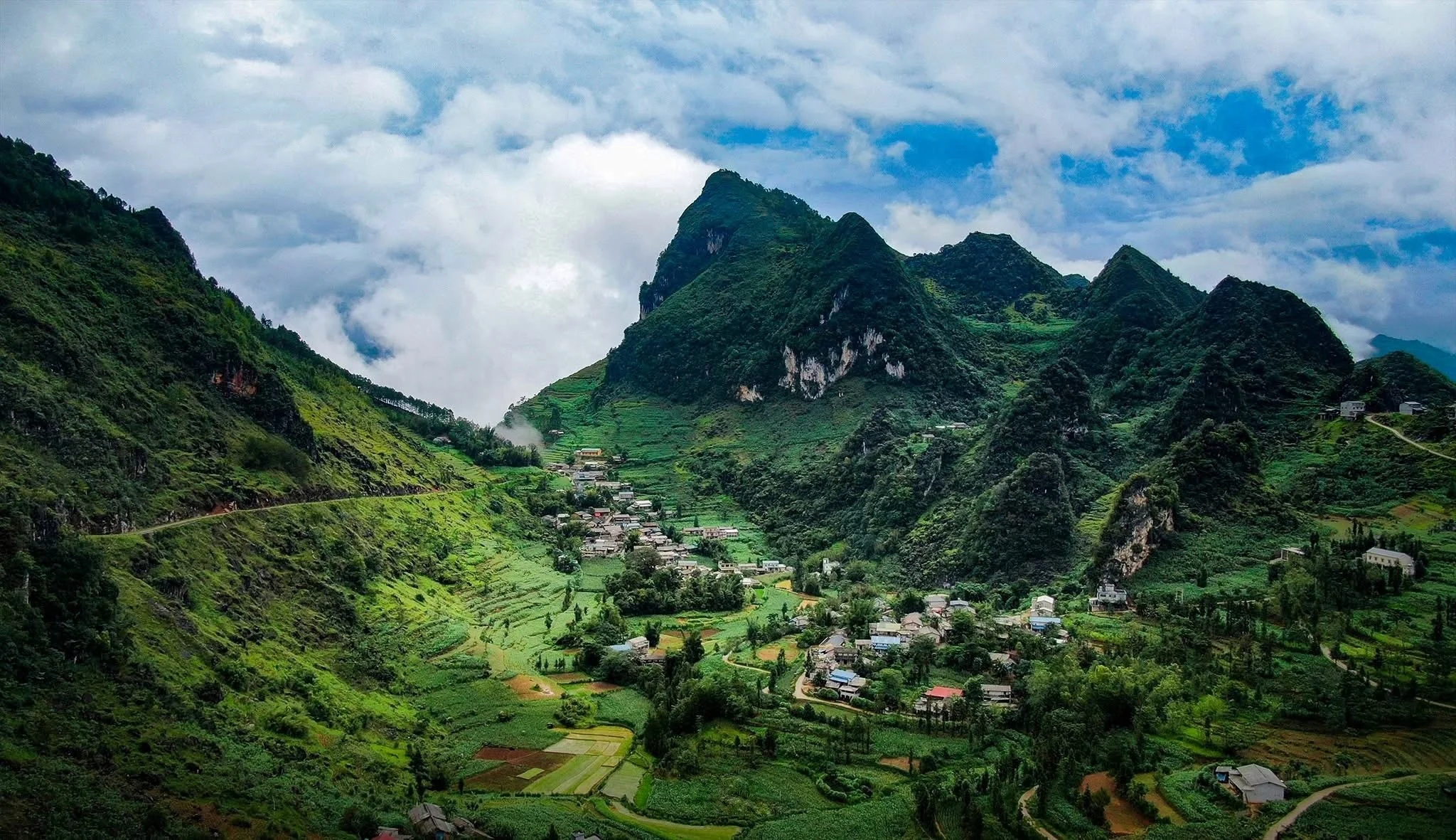
A Ha Giang Loop Tour is one of the most exciting ways to explore northern Vietnam’s dramatic mountain landscapes. The 3-day, 2-night journey takes travelers through winding passes, deep valleys, ethnic villages, and remote towns near the Chinese border. Along the route, highlights may include Quan Ba Heaven Gate, Dong Van Karst Plateau, Ma Pi Leng Pass, and the Nho Que River. Beyond the scenery, the tour also offers a closer look at local cultures, traditional homes, and mountain life. For adventure seekers and nature lovers, the Ha Giang Loop Tour delivers an unforgettable road journey through one of Vietnam’s most spectacular regions.
1. Why Choose a Ha Giang Loop Tour
A Ha Giang Loop Tour is ideal for travelers who want to explore one of Vietnam’s most dramatic mountain regions through a journey that combines scenery, culture, and adventure. The 3-day, 2-night route passes through high mountain roads, limestone plateaus, deep valleys, ethnic villages, and remote towns that feel very different from the country’s better-known tourist destinations.
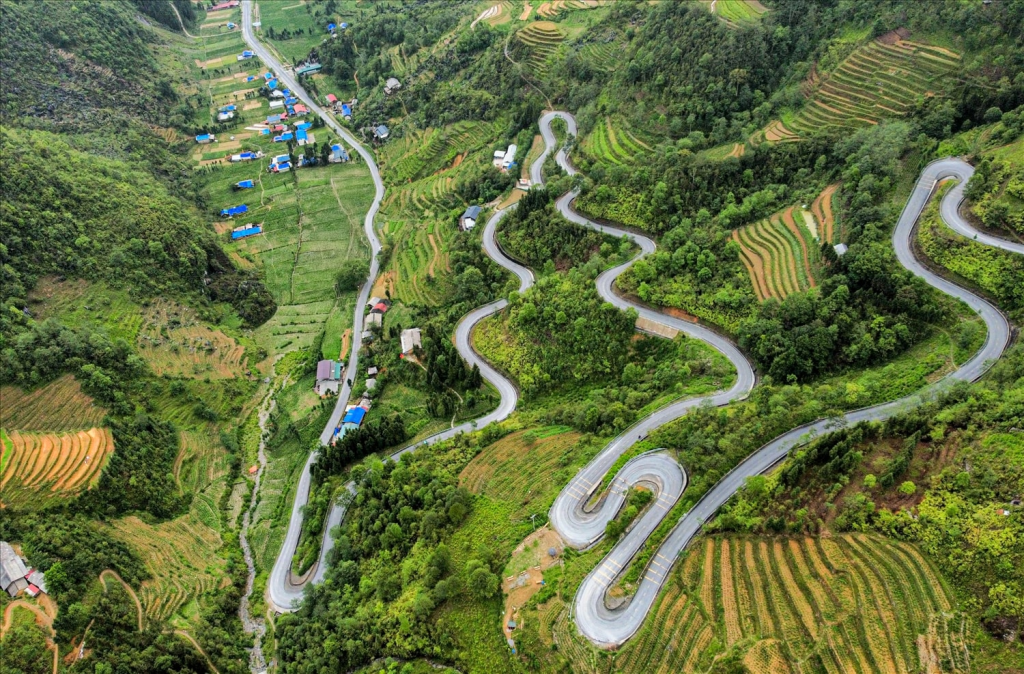
Scenic Mountain Roads on the Ha Giang Loop Tour. Picture: Internet.
Experience Northern Vietnam’s Most Dramatic Roads
The roads are one of the main attractions of the journey. Instead of simply traveling between destinations, visitors move through a constantly changing landscape of mountain passes, narrow valleys, terraced fields, and rocky cliffs.
During a Ha Giang Loop Tour, travelers may experience:
- Winding roads surrounded by limestone mountains
- Scenic viewpoints above deep valleys
- Terraced fields and rural farmland
- Small villages located along mountain slopes
- Dramatic sections near the Vietnam–China border
The route itself becomes an important part of the adventure. Each stop offers a different perspective on Ha Giang’s geography and remote mountain environment.
See Iconic Mountain Landscapes
Ha Giang is known for several of northern Vietnam’s most impressive natural viewpoints. A typical itinerary includes destinations such as Quan Ba Heaven Gate, Dong Van Karst Plateau, Ma Pi Leng Pass, and the Nho Que River.
These landscapes offer a combination of:
- Rocky mountain formations
- Wide panoramic views
- Deep canyons and river valleys
- High passes surrounded by clouds
- Changing scenery between districts
The variety of landscapes makes the Ha Giang Loop Tour especially rewarding for photographers, nature lovers, and travelers who enjoy scenic road journeys.
Explore Ethnic Minority Villages
The loop passes through areas inhabited by Hmong, Tay, Dao, Nung, Lo Lo, and other ethnic communities. Their traditional clothing, architecture, markets, and farming practices add an important cultural element to the journey.
Depending on the itinerary, travelers may see:
- Traditional houses built from wood, stone, or compacted earth
- Local markets selling food, textiles, and handmade products
- Families working in fields or caring for livestock
- Villages surrounded by mountains and terraced farmland
- Cultural customs connected to seasonal festivals and daily life
These villages are real communities, so visitors should approach them respectfully. Asking permission before photographing residents and following local guidance helps create a more meaningful cultural experience.
Traditional Ethnic Villages Along the Ha Giang Loop. Picture: Internet.
A Complete Adventure in Three Days
A 3-day, 2-night itinerary is a practical choice for travelers who want to see the main highlights without extending the trip for too long. The schedule is active, but it usually provides enough time to explore key viewpoints, visit local towns, and spend two evenings in the mountains.
A typical Ha Giang Loop Tour may include:
- Ha Giang City and Quan Ba
- Yen Minh’s mountain roads
- Dong Van Old Quarter
- Ma Pi Leng Pass
- The Nho Que River area
- Meo Vac and nearby villages
This compact structure makes the tour suitable for visitors with limited time. It also removes the need to organize transport, accommodation, and daily routes independently.
Choose Between Self-Riding and an Easy Rider
Travelers can experience the loop by riding their own motorbike or joining an easy-rider tour with a local driver. Self-riding offers more independence, while an easy rider allows visitors to focus on the scenery without managing difficult mountain roads.
An easy-rider option is often more suitable for travelers who:
- Have limited motorbike experience
- Are unfamiliar with mountain road conditions
- Prefer to take photos during the journey
- Want guidance from a local driver
- Feel more comfortable traveling in an organized group
The right option depends on riding ability, confidence, and personal travel style. Safety and comfort should remain more important than completing the route independently.
Discover Remote Towns and Local Markets
The loop connects several mountain towns, including Dong Van and Meo Vac. These places provide accommodation, food, and rest stops while also introducing travelers to the daily rhythm of the region.
Visitors can explore old streets, local cafés, food stalls, and markets where ethnic communities gather. Staying overnight in these towns also allows travelers to experience Ha Giang after the daytime traffic and tour groups have slowed down.
A Journey That Combines Adventure and Culture
A Ha Giang Loop Tour is not only about impressive roads or panoramic viewpoints. The journey also reveals how local communities have adapted to steep mountains, rocky land, and remote living conditions.
The combination of natural scenery, cultural encounters, and road travel gives the tour a strong sense of discovery. For travelers seeking an active and visually memorable experience, the loop offers one of the most complete mountain adventures in northern Vietnam.
2. Typical 3 Days 2 Nights Ha Giang Loop Tour Itinerary
A Ha Giang Loop Tour usually follows a circular mountain route connecting Ha Giang City, Quan Ba, Yen Minh, Dong Van, Meo Vac, and several smaller villages. The exact schedule may vary, but most 3-day, 2-night itineraries combine scenic riding, cultural stops, local meals, and overnight stays in mountain towns or homestays.
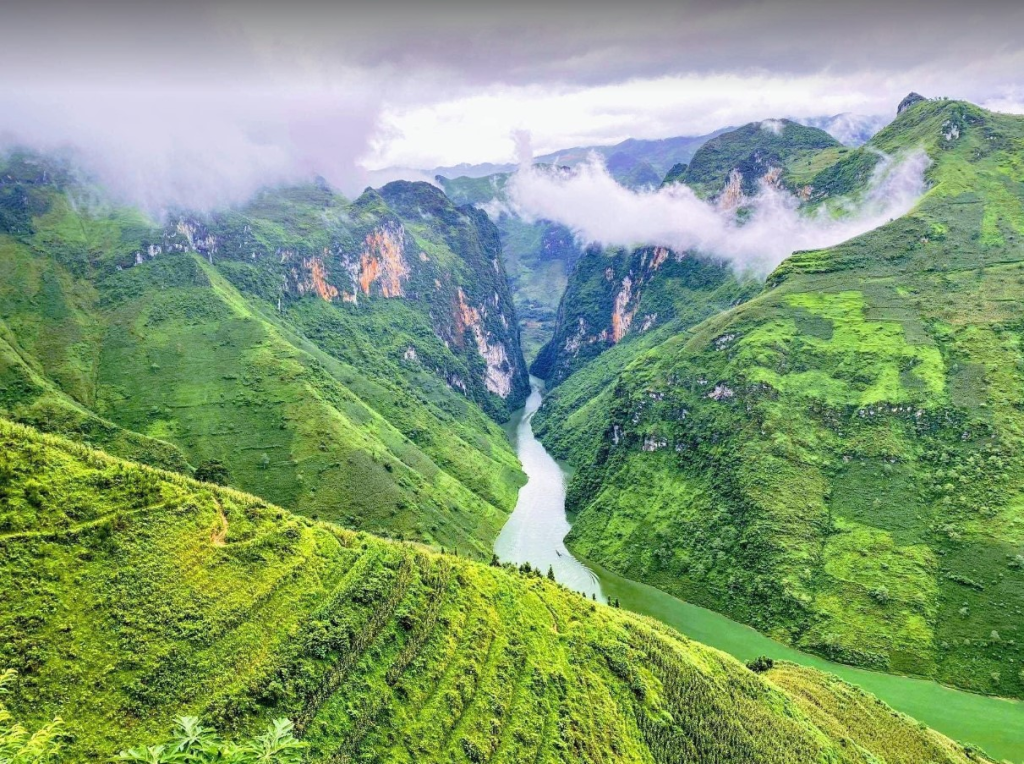
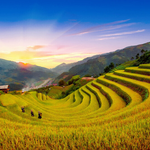
Quan Ba Heaven Gate and Mountain Views in Ha Giang. Picture: Internet.
Day 1: Ha Giang City – Quan Ba – Yen Minh – Dong Van
The first day normally begins in Ha Giang City, where travelers meet their guide, prepare luggage, and receive a short safety briefing. The route then heads north through mountain roads that gradually become steeper and more dramatic.
Typical Day 1 highlights may include:
- Bac Sum Pass
- Quan Ba Heaven Gate
- Twin Mountains viewpoint
- Villages and farmland around Yen Minh
- Scenic roads through the Dong Van Karst Plateau
- Arrival in Dong Van Old Quarter
Quan Ba Heaven Gate is often one of the first major viewpoints on the route. From here, travelers can look across valleys, limestone mountains, and rural settlements before continuing toward Yen Minh.
The road from Yen Minh to Dong Van introduces travelers to the rocky landscape that makes Ha Giang so distinctive. Depending on timing, the group may stop at ethnic villages, roadside viewpoints, or traditional houses before reaching Dong Van in the late afternoon.
Overnight in Dong Van
Dong Van is one of the most popular overnight stops on a Ha Giang Loop Tour. The town offers guesthouses, homestays, restaurants, and a compact old quarter where travelers can relax after a full day on the road. In the evening, visitors may:
- Walk around Dong Van Old Quarter
- Try local dishes at small restaurants
- Visit cafés in traditional buildings
- Meet other travelers from the tour group
- Rest before the next day’s mountain route
The atmosphere is usually quiet on normal weekdays and more lively during market days. Staying overnight also gives travelers a chance to experience the town after most daytime visitors have left.
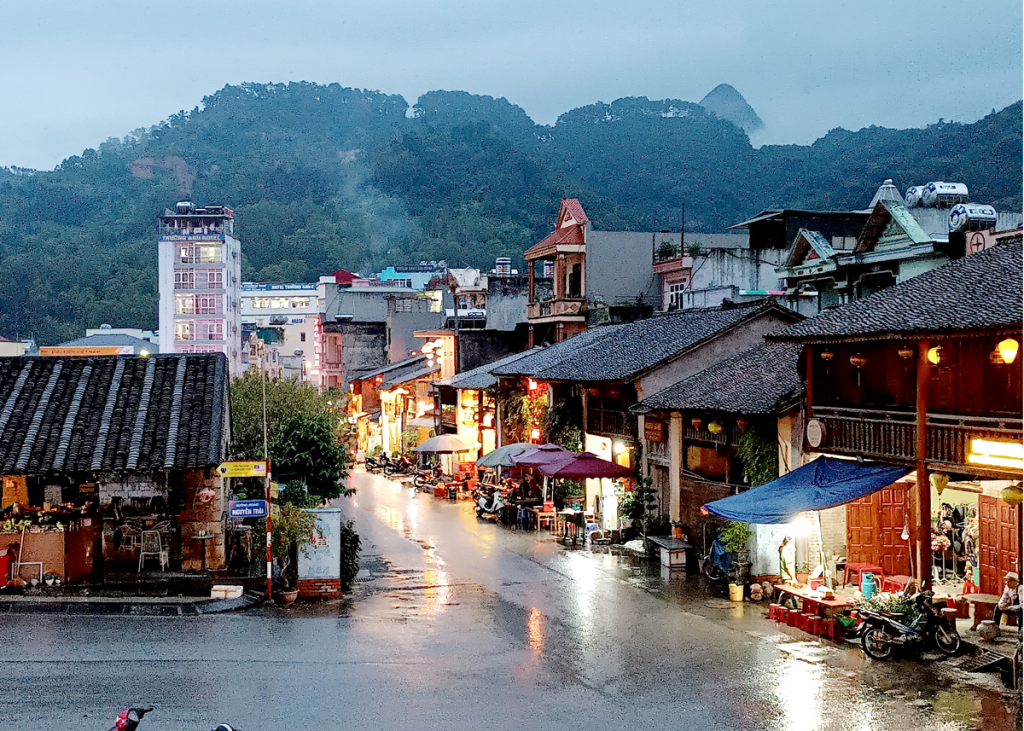
Dong Van Old Quarter and Local Culture. Picture: Internet.
Day 2: Dong Van – Lung Cu – Ma Pi Leng Pass – Meo Vac
The second day is often the most visually impressive part of the journey. The route may begin with a visit to Lung Cu or nearby border villages before continuing toward Ma Pi Leng Pass and the Nho Que River.
Typical Day 2 experiences may include:
- Lung Cu Flag Tower or northern border viewpoints
- Hmong villages and traditional houses
- Scenic roads between Dong Van and Meo Vac
- Ma Pi Leng Pass
- Nho Que River viewpoints
- Optional boat ride through Tu San Canyon
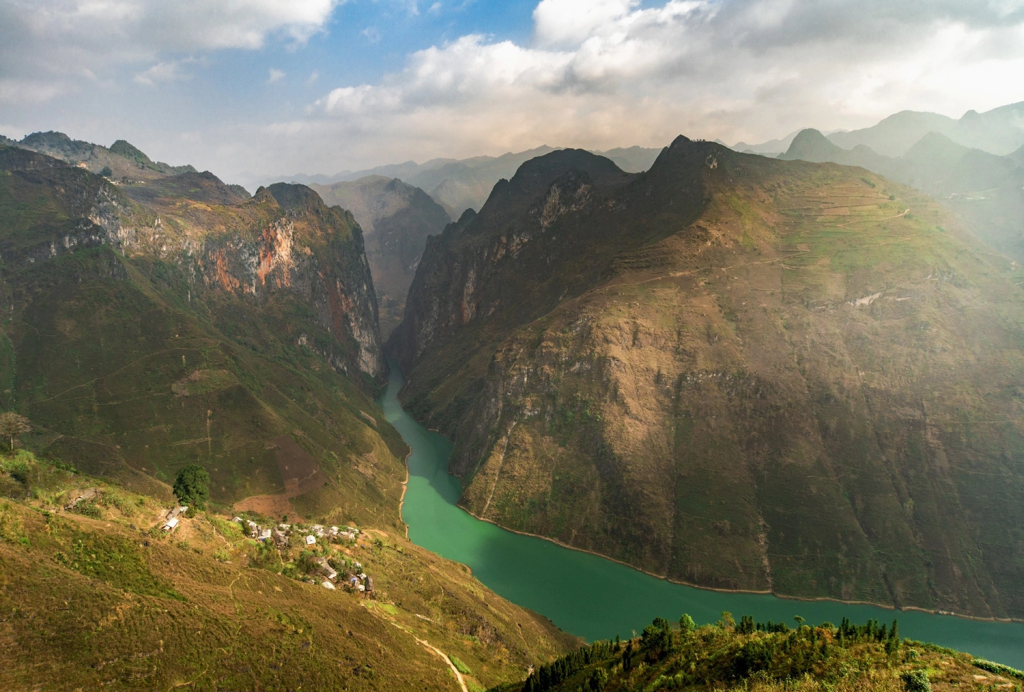
Ma Pi Leng Pass is one of the most famous sections of the Ha Giang Loop Tour. The road follows high mountain slopes above deep valleys, offering dramatic views of limestone peaks and the river below.
Nho Que River and Tu San Canyon
Many itineraries include time near the Nho Que River, either from mountain viewpoints or through an optional boat experience. The river flows between steep cliffs, creating one of the most recognizable landscapes in Ha Giang.
Depending on the tour program and local conditions, travelers may:
- View the river from Ma Pi Leng Pass
- Walk to a scenic observation point
- Take a boat ride through Tu San Canyon
- Photograph the cliffs and turquoise water
- Spend time in riverside areas before continuing
The boat ride usually requires additional transfer time and may not be included in every package. Travelers should check the itinerary in advance if this activity is a priority.
Overnight in Meo Vac or a Local Village
After exploring Ma Pi Leng and the Nho Que River area, the group usually continues toward Meo Vac or a nearby village for the second overnight stay. Accommodation may be provided in a local guesthouse or homestay, depending on the package.
The evening may include a shared dinner, local food, and time to relax with the group. Homestay accommodation is often simple, but it gives travelers a closer connection to the mountain atmosphere and local community.
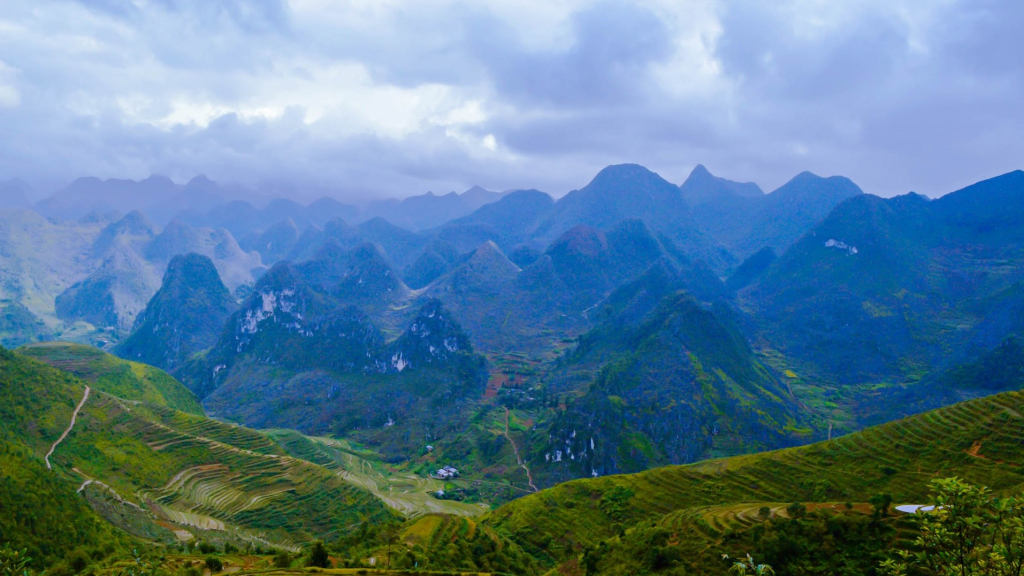
Meo Vac Town and Mountain Homestay Experience. Picture: Internet.
Day 3: Meo Vac – Du Gia or Yen Minh – Ha Giang City
The final day returns toward Ha Giang City through a different section of the loop. Depending on the chosen route, travelers may pass through Du Gia, Mau Due, Yen Minh, or other rural areas surrounded by valleys, rice fields, and smaller villages.
Typical Day 3 stops may include:
- Scenic mountain passes
- Rural villages and agricultural landscapes
- Waterfalls or river areas near Du Gia
- Local lunch stops
- Final viewpoints before returning to Ha Giang City
This section is often quieter than the route through Dong Van and Ma Pi Leng. It gives travelers a chance to enjoy softer landscapes and a more relaxed pace before completing the journey.
A Full but Well-Balanced Three-Day Route
A 3-day, 2-night itinerary involves several hours of riding each day, so travelers should expect an active schedule. However, regular photo stops, meal breaks, village visits, and overnight stays help divide the journey into manageable sections.
Within three days, a Ha Giang Loop Tour can include mountain passes, border landscapes, ethnic villages, old towns, river canyons, and remote rural roads. The combination of iconic viewpoints and local experiences makes the route feel varied, even though much of the journey takes place by motorbike.
3. What to Expect on a Ha Giang Loop Tour
A Ha Giang Loop Tour is an active road journey rather than a slow sightseeing trip. Travelers should expect several hours of riding each day, changing mountain weather, frequent scenic stops, and simple overnight accommodation in remote towns or villages.
Long Riding Days with Regular Stops
Most 3-day, 2-night itineraries involve long periods on mountain roads. The pace is broken up by viewpoints, meals, village visits, and short rest stops, so the journey remains varied throughout the day.
Travelers can expect:
- Several hours of riding each day
- Winding roads and steep mountain sections
- Frequent stops for photos and rest
- Early departures and late-afternoon arrivals
- Changing road conditions between districts
The riding time can feel tiring, especially for first-time passengers. Wearing comfortable clothing and choosing a reliable easy rider can make the journey much easier.
Fast-Changing Mountain Weather
Weather in Ha Giang can change quickly because of the region’s elevation and mountain terrain. A clear morning may turn misty or rainy later in the day, while higher passes can feel much cooler than Ha Giang City. Travelers should prepare for:
- Strong sunlight in open areas
- Cool temperatures on high passes
- Sudden rain or fog
- Reduced visibility in mountain sections
- Muddy or slippery roads after rain
A light waterproof jacket, warm layer, sunscreen, and covered shoes are useful throughout the journey. Flexible expectations are also important because guides may adjust the schedule for safety.
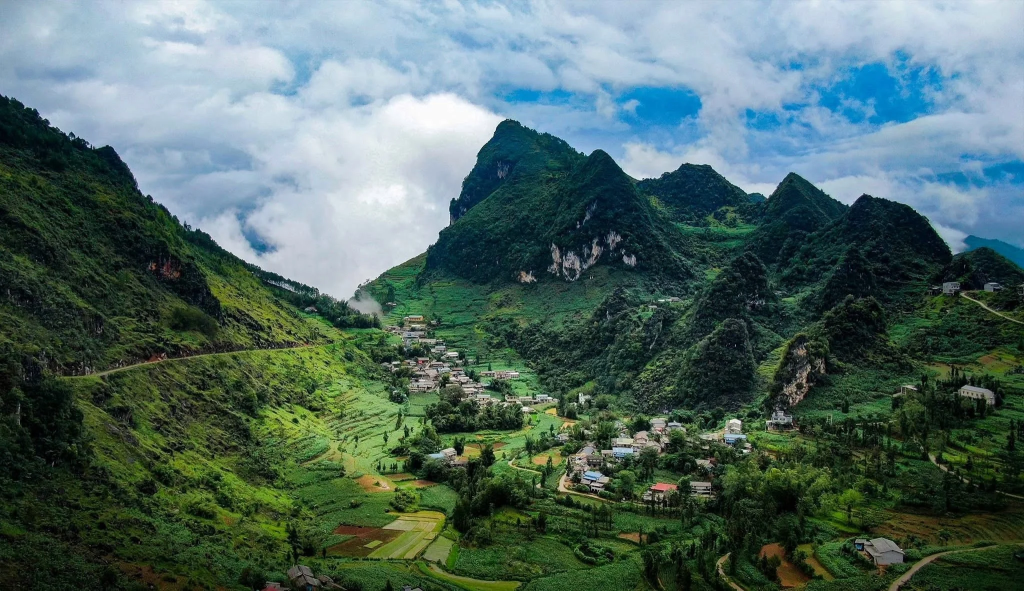
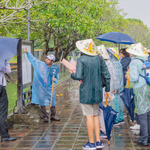
Changing Weather and Scenic Mountain Passes on the Ha Giang Loop. Picture: Internet.
Simple Accommodation and Local Meals
Most tours use guesthouses, hostels, or homestays rather than luxury hotels. Rooms are usually clean and practical, but facilities may be basic in smaller towns or remote villages. Meals often include rice, vegetables, meat dishes, soups, and regional specialties. Shared dinners are common and give travelers time to relax with the group after a full day on the road.
A Social Group Experience
Many travelers join a small-group Ha Giang Loop Tour, so the journey often has a social atmosphere. People spend long hours together, share meals, stop at the same viewpoints, and stay in the same accommodation.
Group tours work best for travelers who are comfortable following a shared schedule. Departure times, meal stops, and sightseeing durations are usually organized for the whole group rather than individual preferences.
Cultural Encounters Along the Route
The loop passes through living communities where local people continue their daily routines. Travelers may see farmers working in fields, families transporting goods, children walking to school, and markets serving nearby villages.
Visitors should treat these communities with respect by:
- Asking before taking close-up photographs
- Avoiding entry into private homes without permission
- Keeping noise levels low in villages
- Supporting local businesses responsibly
- Following guide instructions at cultural sites
Respectful behavior helps preserve the authenticity of the journey. It also creates a better experience for both visitors and local residents.
A Physically Demanding but Rewarding Journey
Even passengers who do not ride themselves may feel tired after spending several hours on a motorbike. The mountain roads, changing temperatures, and active schedule require more energy than a standard sightseeing tour.
Regular stretching, drinking enough water, and keeping luggage light can improve comfort. Travelers should also inform their guide if they feel unwell or need an additional break.
A Ha Giang Loop Tour is one of the most memorable adventures in northern Vietnam because the journey combines dramatic roads, mountain landscapes, ethnic culture, and remote local life. The 3-day, 2-night route is active and sometimes demanding, but each day brings a new mix of valleys, passes, villages, and scenic viewpoints.
For travelers who prepare well and choose a suitable riding option, the experience offers far more than beautiful photographs. It creates a strong sense of discovery and provides a deeper look at one of Vietnam’s most distinctive mountain regions.
Read for more information:
- https://abite.asia/ba-be-lake-national-park-everything-you-need-to-know-before-visiting/
- https://abite.asia/ban-gioc-waterfall-vietnams-most-spectacular-border-waterfall/
- https://abite.asia/ba-be-lake-ban-gioc-waterfall-tour-complete-2d1n-adventure/
At Abite.asia, we specialize in curated Vietnam tours for international travelers, ensuring an authentic and hassle-free experience. Let us take care of your journey so you can fully embrace the beauty of Vietnam. Contact us today at +84363770835 to start planning your adventure!

Leave a Reply