
A Hanoi Street Food Tour is one of the best ways to discover the capital’s culture through its most familiar local dishes. Instead of eating only in restaurants, travelers can follow small alleys, sidewalk stalls, family-run eateries, and busy market streets where Hanoians enjoy food as part of daily life.
From phở and bún chả to bánh mì, fried snacks, fresh noodles, and egg coffee, each stop reveals a different flavor of the city. A well-planned Hanoi Street Food Tour is not only about tasting famous dishes, but also about understanding how food connects with local habits, neighborhood life, and the rhythm of Hanoi’s Old Quarter.
1. Why Choose a Hanoi Street Food Tour
A Hanoi Street Food Tour is an ideal experience for travelers who want to understand the city through its everyday flavors. Hanoi’s food culture is deeply connected to local routines, family recipes, street-side dining, and neighborhood life, so joining a guided food tour helps visitors explore the capital in a more authentic and approachable way.
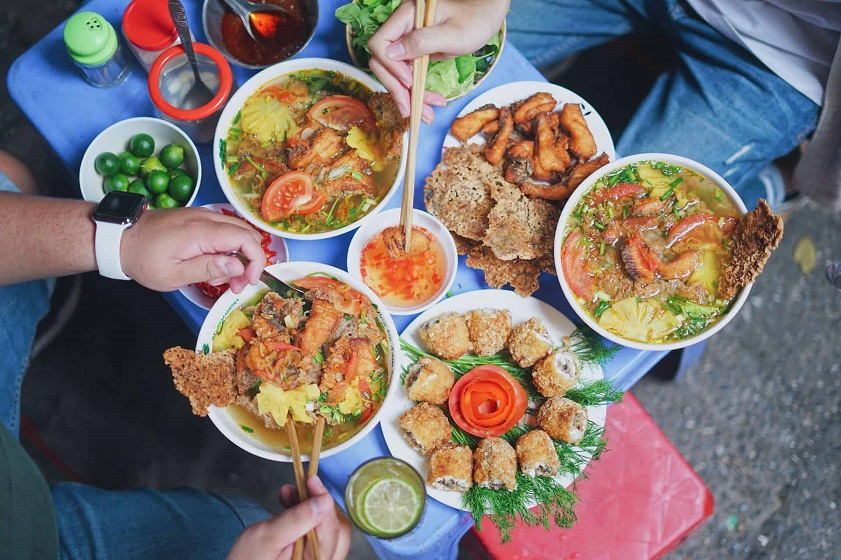
Hanoi Street Food Tour Through Old Quarter Local Food Streets. Picture: Internet.
Taste Hanoi’s Most Iconic Local Dishes
One of the main reasons to choose a street food tour is the chance to try several famous dishes in one journey. Hanoi has a rich food scene, but many of the best places are small, busy, or hidden in narrow streets, which can make them difficult for first-time visitors to find on their own.
A typical Hanoi Street Food Tour may include local favorites such as:
- Phở with rich broth and fresh herbs
- Bún chả served with grilled pork and dipping sauce
- Bánh mì filled with meat, vegetables, and sauces
- Fresh or fried spring rolls
- Local noodle dishes and savory snacks
- Egg coffee or traditional Vietnamese coffee
Trying these dishes with a guide helps travelers understand what makes each one special. It also allows visitors to learn how locals eat, order, and combine flavors in everyday meals.
Explore the Old Quarter Through Food
The Old Quarter is one of the best areas for a Hanoi Street Food Tour because it is full of small eateries, street vendors, markets, and family-run food stalls. Walking between food stops gives travelers a chance to experience the area’s narrow streets, old houses, busy sidewalks, and lively evening atmosphere.
Instead of moving quickly from one landmark to another, the tour follows the rhythm of local dining. Visitors may sit on small plastic stools, watch food being prepared in open kitchens, and see how each street has its own character.
Understand Local Food Culture
A street food tour is not only about eating. It also helps travelers understand how food reflects Hanoi’s history, lifestyle, and social habits, especially in neighborhoods where recipes are passed down through generations.
Guides can explain the origins of dishes, the role of ingredients, and the reason certain foods are eaten at particular times of day. These stories make the Hanoi Street Food Tour more meaningful than simply choosing random dishes from a menu.
A Comfortable Way to Try Street Food
For first-time visitors, Hanoi’s street food scene can feel exciting but overwhelming. Menus may be in Vietnamese, stalls can be crowded, and it may not be easy to know which places are reliable or suitable for travelers.
A guided tour makes the experience easier because the route, dishes, and food stops are already selected. Travelers can focus on tasting, observing, and enjoying the atmosphere while still feeling confident about what they are eating.
A Social and Memorable Travel Experience
Food naturally creates conversation, and a Hanoi Street Food Tour often feels more relaxed than a formal sightseeing tour. Travelers can share dishes, compare flavors, ask questions, and enjoy the city in a casual way.
This experience is suitable for solo travelers, couples, families, and groups of friends. It offers a fun and practical introduction to Hanoi while giving visitors a deeper connection to the city’s daily life through food.
2. What to Expect on a Hanoi Street Food Tour
A Hanoi Street Food Tour usually combines walking, tasting, local storytelling, and cultural observation in one relaxed experience. Instead of sitting down for one full meal, travelers move between several food stops and try different dishes that reflect the daily eating habits of local people.
A Walking Route Through Local Streets
Most tours take place in Hanoi’s Old Quarter or nearby local neighborhoods, where food stalls, small restaurants, markets, and cafés are located close to one another. The walking distance is usually manageable, but visitors should still wear comfortable shoes because the route may include narrow alleys, busy sidewalks, and crowded street corners.
During the walk, travelers can observe how food is prepared, served, and enjoyed in everyday settings. The experience is not only about tasting dishes, but also about seeing Hanoi’s street life, from vendors cooking on the sidewalk to locals gathering for dinner after work.
Multiple Food Stops Instead of One Big Meal
A typical Hanoi Street Food Tour includes several small tastings rather than one large restaurant meal. This allows travelers to try a wider range of flavors without feeling limited to only one dish.
Depending on the tour route, visitors may taste:
- Phở or another local noodle soup
- Bún chả with grilled pork and dipping sauce
- Bánh mì or Vietnamese savory snacks
- Fresh spring rolls or fried rolls
- Local desserts or sweet soups
- Egg coffee or traditional Vietnamese coffee
The dishes may vary depending on the season, opening hours, and guide recommendations. This variety keeps the tour interesting and gives travelers a broader introduction to Hanoi’s food culture.
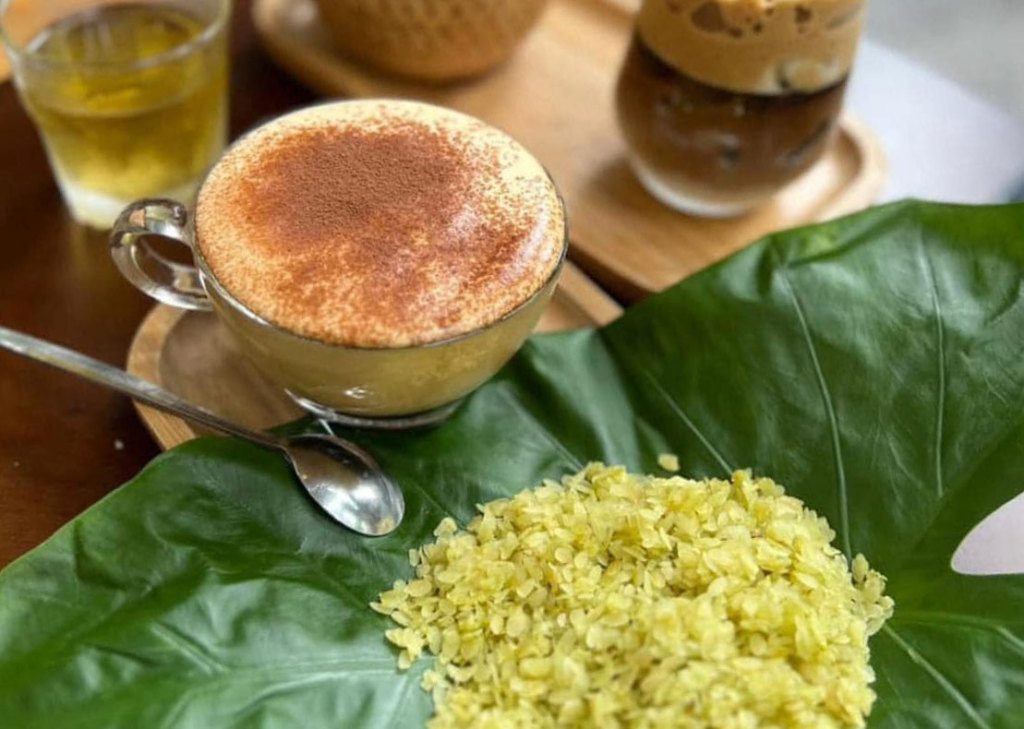
Authentic Hanoi Street Food Experience with Local Dishes. Picture: Internet.
Local Stories Behind Each Dish
A good food tour does more than introduce famous dishes. Guides often explain the background of each food, how it is eaten, and why it matters in Hanoi’s daily life.
Travelers may learn about family recipes, regional ingredients, cooking techniques, and the difference between northern Vietnamese flavors and food from other regions. These stories help turn a simple tasting experience into a deeper cultural journey.
Street-Side Dining Atmosphere
One of the most memorable parts of a Hanoi Street Food Tour is the street-side dining experience. Visitors may sit on low plastic stools, share small tables with other guests, or eat in compact family-run eateries where space is limited but the atmosphere feels lively.
This style of dining is part of Hanoi’s charm. It may feel informal compared with restaurants, but it gives travelers a more direct connection to how local people eat and socialize.
A Mix of Savory Dishes, Snacks, and Drinks
The tour usually includes a balance of main dishes, lighter snacks, and drinks. This structure helps travelers enjoy different textures and flavors throughout the route rather than becoming full too quickly.
Savory dishes may introduce rich broths, grilled meat, herbs, noodles, and dipping sauces. Drinks and desserts, such as egg coffee or local sweet treats, often provide a softer ending to the experience.
A Casual and Social Experience
A Hanoi Street Food Tour is usually relaxed and conversational. Travelers can ask questions, compare flavors, take photos, and interact with the guide while moving between stops.
For solo travelers, the tour can also be a good way to meet other visitors. For couples, families, or friends, it creates a shared food experience that feels more personal than a standard sightseeing activity.
Useful Preparation Before Joining
The tour is easy to join, but simple preparation can make the experience more comfortable. Since visitors will walk, eat in different places, and spend time outdoors, they should prepare for both food and street conditions.
Travelers should consider:
- Wearing comfortable walking shoes
- Bringing a small bottle of water
- Arriving with an open appetite
- Informing the guide about allergies or dietary restrictions
- Carrying some cash for extra drinks or personal purchases
- Keeping phones and valuables secure in crowded areas
These small steps help travelers enjoy the route without unnecessary discomfort. They also make it easier to focus on the food, stories, and lively atmosphere of Hanoi.
A Flavorful Introduction to Local Life
Overall, a Hanoi Street Food Tour offers much more than a list of dishes to try. It gives travelers a closer look at the way Hanoi eats, moves, talks, and gathers around food.
With the right guide and an open mindset, the tour becomes a memorable local experience. It connects flavor, culture, and street life in a way that helps visitors understand Hanoi beyond its landmarks.
3. Best Dishes to Try on a Hanoi Street Food Tour
A Hanoi Street Food Tour is most enjoyable when travelers try a mix of famous dishes, local snacks, and traditional drinks. Hanoi’s food scene is rich in flavor but often simple in presentation, with many dishes served from small family-run eateries, sidewalk stalls, or busy neighborhood kitchens.
Phở
Phở is one of Vietnam’s most famous dishes and a classic starting point for many visitors. In Hanoi, phở is usually served with clear broth, rice noodles, herbs, and either beef or chicken, creating a warm and comforting meal that reflects northern Vietnamese flavors.
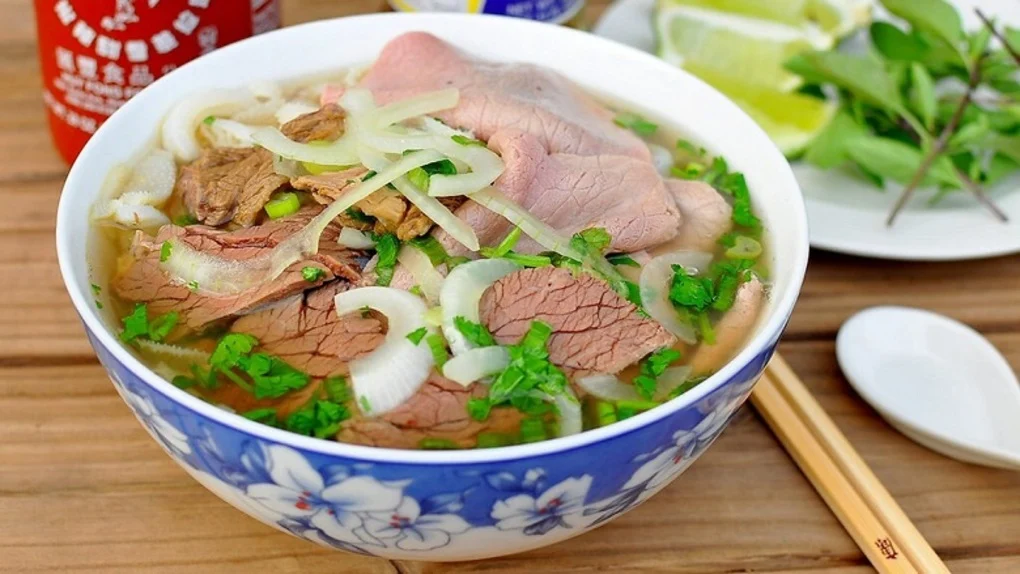
Traditional Hanoi Pho with Rich Broth and Fresh Herbs. Picture: Internet.
A good bowl of phở depends on the balance of broth, meat, noodles, and fresh herbs. During a Hanoi Street Food Tour, a guide can explain how locals season the dish and why phở remains such an important part of everyday food culture.
Bún Chả
Bún chả is another must-try dish in Hanoi, especially for travelers who enjoy grilled food. The dish includes grilled pork, rice noodles, fresh herbs, and a sweet-sour dipping sauce served separately, allowing visitors to combine the ingredients in each bite.
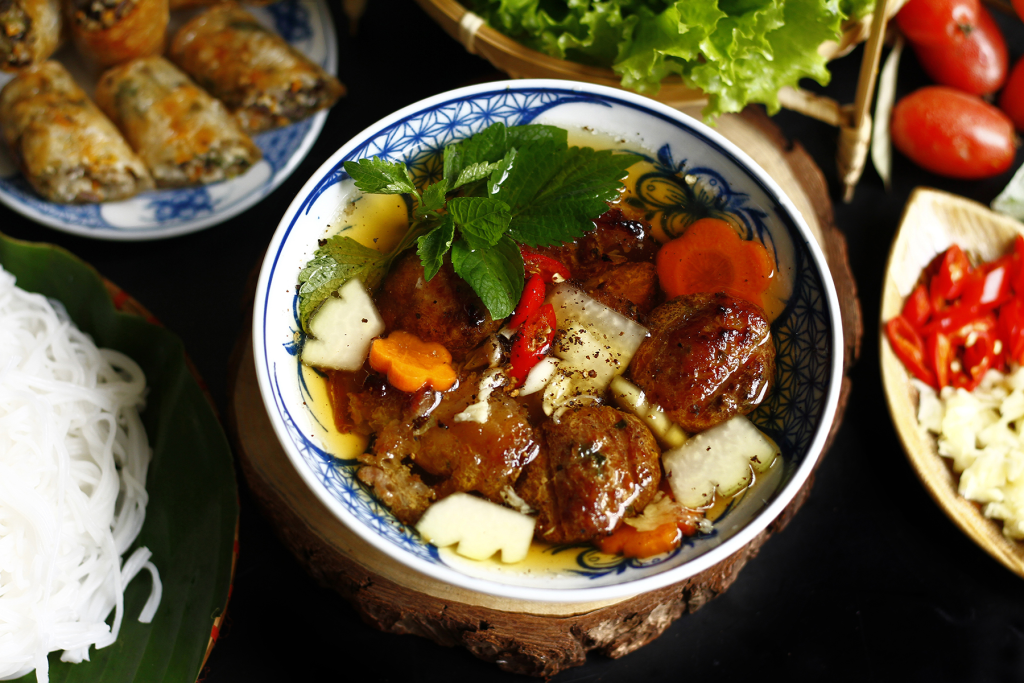
Hanoi Bun Cha with Grilled Pork and Local Dipping Sauce. Picture: Internet.
This dish is strongly connected to Hanoi’s local dining habits because it is often eaten for lunch at small street-side restaurants. The smoky flavor of grilled pork and the freshness of herbs make bún chả one of the most memorable stops on a Hanoi Street Food Tour.
Bánh Mì
Bánh mì is a convenient and flavorful street food that combines a crispy baguette with different fillings. Depending on the stall, it may include grilled meat, pâté, egg, pickled vegetables, herbs, chili sauce, and other local ingredients.
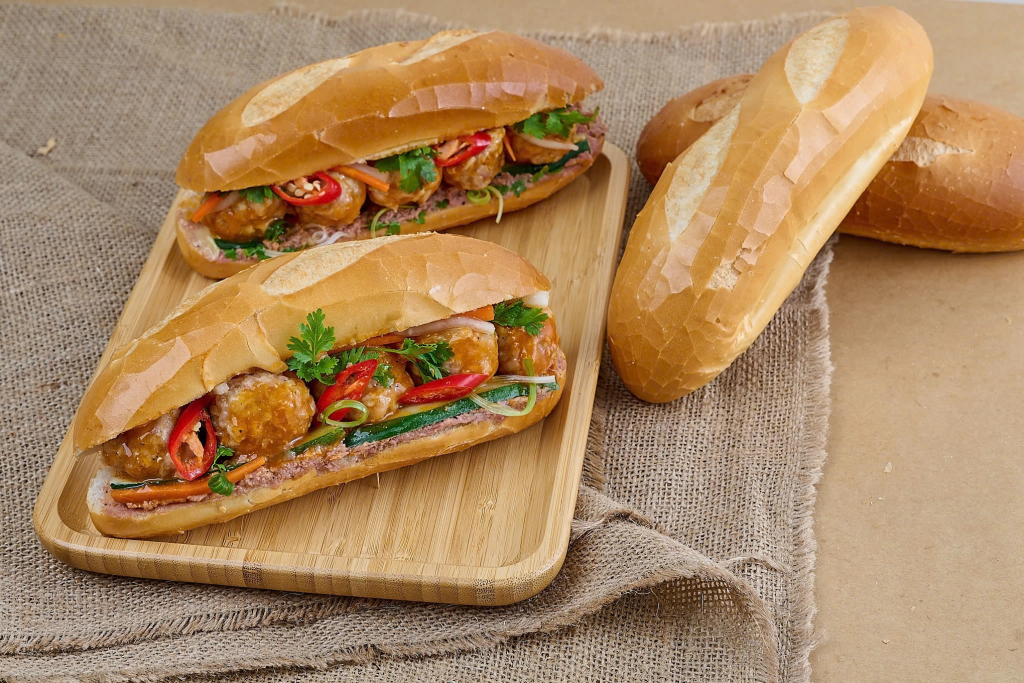
Vietnamese Banh Mi Street Food Experience in Hanoi. Picture: Internet.
Although bánh mì is popular across Vietnam, each city has its own style. In Hanoi, it is often enjoyed as a quick breakfast, light lunch, or evening snack, making it a practical dish to try while walking through the Old Quarter.
Fresh Spring Rolls and Fried Spring Rolls
Spring rolls are a good choice for travelers who want to try lighter or snack-style dishes during the tour. Fresh spring rolls usually include herbs, vegetables, noodles, and meat or shrimp wrapped in soft rice paper, while fried spring rolls offer a crispier texture and richer flavor.
Both versions are often served with dipping sauces that add sweetness, saltiness, or mild spice. Trying them during a Hanoi Street Food Tour helps visitors understand how Vietnamese food often balances freshness, texture, and sauce.
Local Noodle Dishes
Beyond phở, Hanoi has many other noodle dishes that are worth trying. Depending on the tour route, visitors may taste dishes with rice noodles, glass noodles, dry noodles, or soup-based preparations served with meat, herbs, and broth.
These dishes show how important noodles are in Hanoi’s food culture. Each bowl may look simple at first, but the flavor often comes from carefully prepared broth, fresh toppings, and a balance of herbs and seasonings.
Savory Snacks and Street-Side Bites
A good street food tour should also include smaller snacks because they reflect the casual way locals eat throughout the day. These bites are often found near schools, markets, narrow alleys, or evening food streets.
Travelers may try:
- Fried dumplings or pillow cakes
- Grilled skewers
- Sticky rice snacks
- Savory pancakes or rice cakes
- Seasonal street-side treats
These dishes are usually quick, affordable, and full of local character. They also make the tour feel more varied because visitors can taste different textures without sitting down for a full meal each time.
Egg Coffee
Egg coffee is one of Hanoi’s most famous drinks and a memorable way to end a food tour. Made with coffee and a creamy egg-based topping, it has a rich texture and a sweet flavor that feels closer to dessert than a regular drink.
Many visitors are surprised by how smooth and balanced it tastes. Enjoying egg coffee in a small café also gives travelers a slower moment after walking through busy food streets.
Conclusion
A Hanoi Street Food Tour is a flavorful introduction to the city’s local life, not just a chance to eat famous dishes. Through phở, bún chả, bánh mì, spring rolls, snacks, and egg coffee, travelers can experience how Hanoi’s food culture is shaped by family recipes, street-side habits, and everyday routines.
The best way to enjoy the tour is to stay open-minded and try dishes in the places where locals actually eat. With the right guide and a relaxed attitude, the experience becomes one of the most memorable ways to understand Hanoi beyond its landmarks.
Read for more information:
- https://abite.asia/hanoi-nightlife-tour-beer-street-night-market-local-bars/
- https://abite.asia/hanoi-street-food-tour-best-local-dishes-you-must-try/
At Abite.asia, we specialize in curated Vietnam tours for international travelers, ensuring an authentic and hassle-free experience. Let us take care of your journey so you can fully embrace the beauty of Vietnam. Contact us today at +84363770835 to start planning your adventure!





Leave a Reply