Behind the busy storefronts and crowded streets of Hanoi’s Old Quarter lies another world that many travelers rarely see. Narrow passageways, quiet courtyards, and hidden residential corners form a maze of spaces where daily life continues at a slower rhythm. Exploring the hidden alleys Hanoi offers a unique way to understand the city beyond its tourist routes.
While the main streets display shops, cafés, and vibrant markets, the alleys reveal the intimate side of urban life. These narrow passages connect homes, small workshops, and community spaces that have existed for generations. Walking through them allows visitors to observe routines that rarely appear in guidebooks.
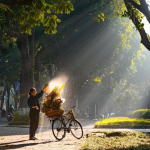
A journey into the hidden alleys of Hanoi often feels like stepping into a living story. Children play near doorways. Neighbors sit on small stools sharing tea. Laundry hangs above quiet pathways where sunlight filters through old buildings. Each alley reflects layers of history, shaped by families who have lived there for decades.
1. The Hidden Alleyways That Shape the Old Quarter
The Old Quarter is famous for its bustling streets, yet the deeper character of the neighborhood often exists within its smaller alleyways. These passages, sometimes only wide enough for two people to walk side by side, create a network of residential spaces behind the main commercial roads. Exploring the hidden alleys Hanoi reveals how the Old Quarter functions beyond its busy storefronts.
A Labyrinth Behind the Main Streets
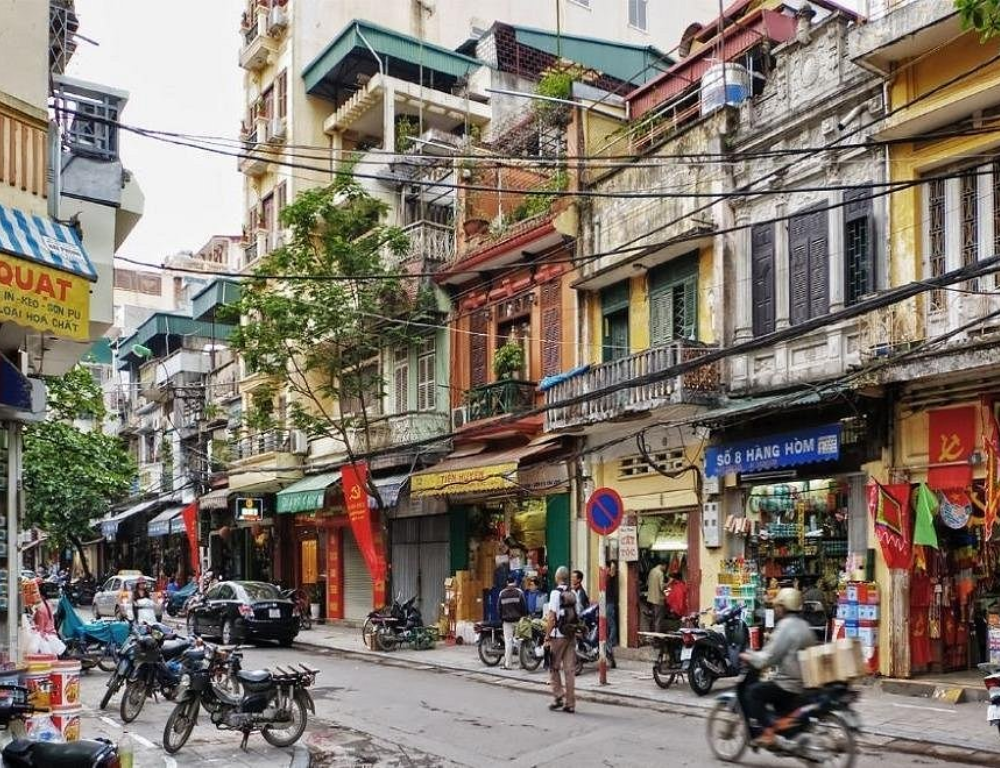
At first glance, the Old Quarter appears compact and organized around its well-known streets. However, stepping into an alley quickly changes that impression. The narrow pathways twist and branch into smaller corridors, forming a complex network that connects homes, shared courtyards, and small family businesses.
Visitors exploring these spaces may notice:
- Narrow entrances leading into deeper residential areas
- Layers of houses built closely together over generations
- Shared courtyards where several families live side by side
- Electrical wires and balconies crossing above the pathways
These features show how the neighborhood adapted to limited space while maintaining a strong community structure.
Homes Hidden Behind the Streets
Many residents of the Old Quarter live within these alleys rather than on the main roads. While storefronts dominate the front of many buildings, the living spaces often extend far behind them. Some houses connect through long corridors or internal courtyards.
Typical characteristics of homes within the hidden alleys Hanoi include:
- Narrow tube-shaped houses designed to maximize limited land
- Small courtyards providing light and ventilation
- Shared spaces used by several households
- Simple furniture placed near doorways for daily activities
These homes reflect a practical architectural style developed over centuries in Hanoi’s dense urban environment.
A Quiet Contrast to the Busy City
One of the most surprising aspects of these alleyways is the sudden shift in atmosphere. Just a few steps away from busy streets filled with traffic and tourists, the alleys often feel calm and residential.
Residents may sit outside their homes chatting with neighbors. Elderly locals slowly walk through familiar pathways. Small shrines appear at corners where families pause briefly to light incense.
Through this contrast, the hidden alleys Hanoi reveal an essential part of the city’s identity. They show that behind the energy of the Old Quarter lies a quieter world where community life continues in a deeply personal and authentic way.
2. Daily Life Inside Hanoi’s Hidden Alleys
Beyond the narrow entrances of the Old Quarter, the hidden alleys reveal a side of Hanoi shaped by routine, familiarity, and quiet social connections. These spaces are not designed for visitors. They exist primarily for the residents who live, work, and interact there every day. Walking through the hidden alleys Hanoi offers a rare glimpse into how urban communities function within tight spaces.
Unlike the commercial streets outside, the alleys feel residential and intimate. Daily activities take place just steps from each other. Kitchens open toward the passageways. Doors remain partially open as neighbors move in and out throughout the day.
Morning Routines in the Alleyways
The day inside Hanoi’s alleys usually begins early. As sunlight filters between buildings, residents start their routines with small but familiar activities. The atmosphere feels calm, yet purposeful.
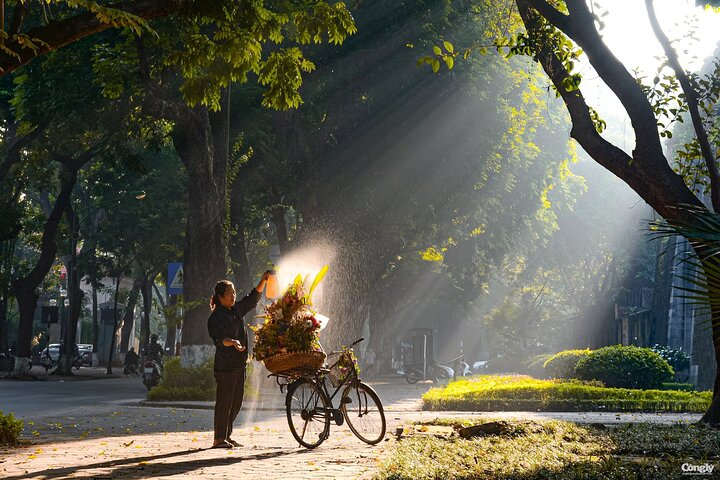
Common morning scenes include:
- Elderly residents sweeping the narrow pathways
- Families preparing breakfast in small kitchens
- Neighbors exchanging greetings while buying vegetables
- Children leaving for school through the maze of alleyways
These simple moments illustrate how the hidden alleys Hanoi function as living spaces rather than quiet backstreets.
Shared Spaces and Community Interaction
Because homes stand so close together, many daily activities happen in shared areas. Residents often place small stools, plants, or cooking equipment outside their doors. These objects turn the alley into a semi-public living room where people naturally gather.
Typical community interactions include:
- Neighbors sitting together for tea or conversation
- Residents sharing cooking ingredients or household tools
- Small celebrations taking place in shared courtyards
- Children playing games along the pathways
The limited space encourages cooperation and familiarity between households.
Small Businesses Within the Alleys
Some alley residents run small family businesses from their homes. These operations may not appear on tourist maps, yet they support local communities and reflect the entrepreneurial spirit of the Old Quarter.
Visitors may encounter:
- Tailors sewing garments inside tiny workshops
- Families producing traditional snacks or noodles
- Repair shops fixing bicycles, electronics, or household items
- Small grocery stalls serving nearby residents
These businesses operate quietly within the neighborhood, maintaining a rhythm that feels very different from the crowded markets outside.
Through these everyday activities, the hidden alleys Hanoi reveal the social structure of the Old Quarter. Life unfolds through routine, cooperation, and shared space. For travelers, observing these details offers insight into how communities adapt and thrive within one of Hanoi’s most historic neighborhoods.
3. Stories and History Hidden Within the Alleyways
Behind the quiet walls of the Old Quarter’s alleyways lie countless personal stories and fragments of history. These narrow passages have witnessed decades of change, from colonial times to modern urban life. Exploring the hidden alleys Hanoi reveals how generations of residents have adapted their homes, traditions, and livelihoods within the same small spaces.
Although these alleys may appear ordinary at first glance, many of them carry historical layers that reflect the city’s past. Families who live here often share stories about how their neighborhoods developed over time.
Homes Passed Down Through Generations
Many houses inside the Old Quarter’s alleys have been occupied by the same families for decades. In some cases, several generations continue to live in the same building. Because of limited space, homes often expand vertically or extend deeper into the narrow plots.
Characteristics of these traditional homes include:
- Tube-shaped houses designed for narrow urban land
- Small internal courtyards that provide light and ventilation
- Wooden staircases connecting multiple floors
- Shared walls with neighboring houses
These architectural features reveal how residents adapted to the crowded environment while preserving family living spaces.
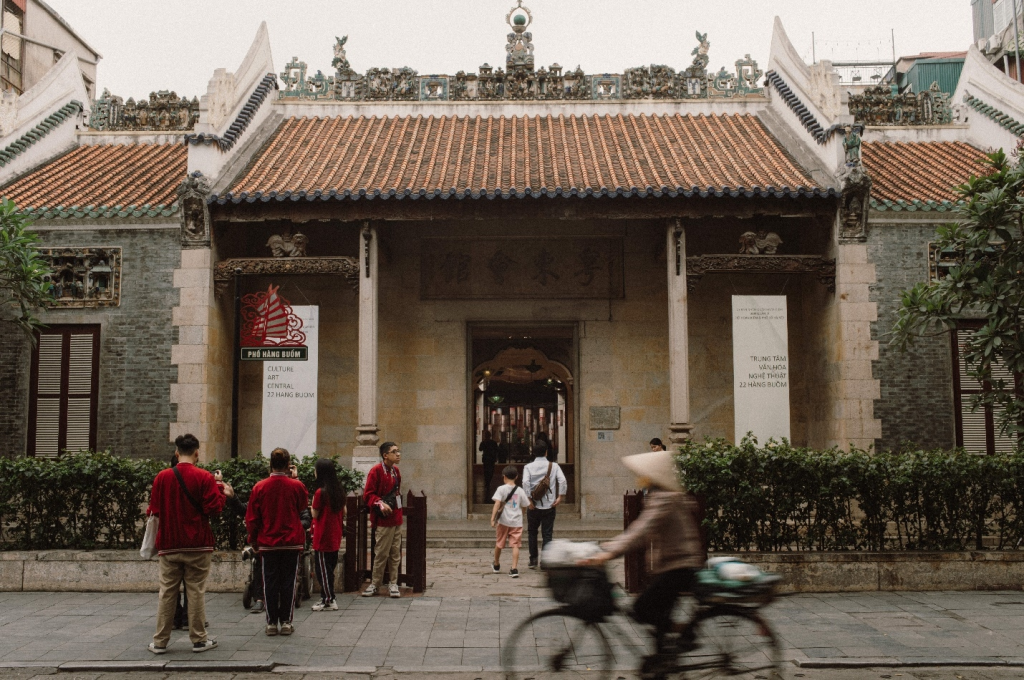
Memories of Changing Times
Residents of the hidden alleys Hanoi often remember periods when the neighborhood looked very different. Older locals may recall wartime conditions, economic changes, or the transformation of nearby streets into busy commercial areas.
Stories commonly shared by longtime residents include:
- How families sheltered together during difficult periods
- How small home businesses helped communities survive economic hardship
- How the Old Quarter gradually welcomed tourism while daily life continued
These memories connect the quiet alleyways to the broader history of Hanoi.
Cultural Traditions That Remain Alive
Despite modernization, many cultural traditions continue inside the alleys. Residents still celebrate festivals together, decorate homes during Lunar New Year, and maintain small ancestral altars within their houses.
Visitors may notice signs of these traditions such as:
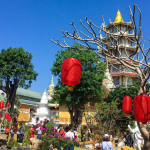
- Red decorations during Tet celebrations
- Small shrines placed near doorways
- Incense burning during important family occasions
Through these traditions, the hidden alleys Hanoi preserve a sense of cultural continuity. The spaces may appear modest, yet they hold rich stories that reveal how the Old Quarter has evolved while maintaining its community spirit.
4. Exploring the Hidden Alleys of Hanoi Respectfully
Exploring the hidden alleys Hanoi can become one of the most memorable experiences in the Old Quarter. However, these spaces remain private residential areas rather than tourist attractions. Respectful behavior allows visitors to observe local life while preserving the quiet atmosphere that residents value. Understanding how to move through these narrow passageways thoughtfully helps travelers appreciate their cultural importance.
Unlike the busy streets outside, alleyways function as extensions of people’s homes. Cooking, conversation, and daily chores often take place just outside the front door. Because of this, visitors should approach the environment with awareness and sensitivity.
Move Slowly and Observe the Environment
The best way to explore the alleyways is simply to walk slowly and observe. Many interesting details appear in small corners rather than large landmarks. Old wooden doors, hanging plants, and small shrines often reflect the personality of each household.
Visitors exploring the hidden alleys Hanoi may notice:
- Narrow entrances that open into deeper residential spaces
- Potted plants placed outside homes to brighten the pathway
- Simple chairs or stools where residents sit in the evening
- Small altars or incense holders near doorways
Taking time to notice these details allows travelers to understand how people shape their living spaces.
Respect the Privacy of Residents
Because families live closely together in these alleyways, privacy becomes especially important. Travelers should remember that they are walking through someone’s neighborhood rather than a public attraction.
Helpful etiquette includes:
- Asking permission before photographing people or homes
- Avoiding loud conversations that disturb residents
- Keeping pathways clear for scooters and bicycles
- Respecting signs that indicate private areas
These simple gestures help maintain a positive relationship between visitors and local communities.
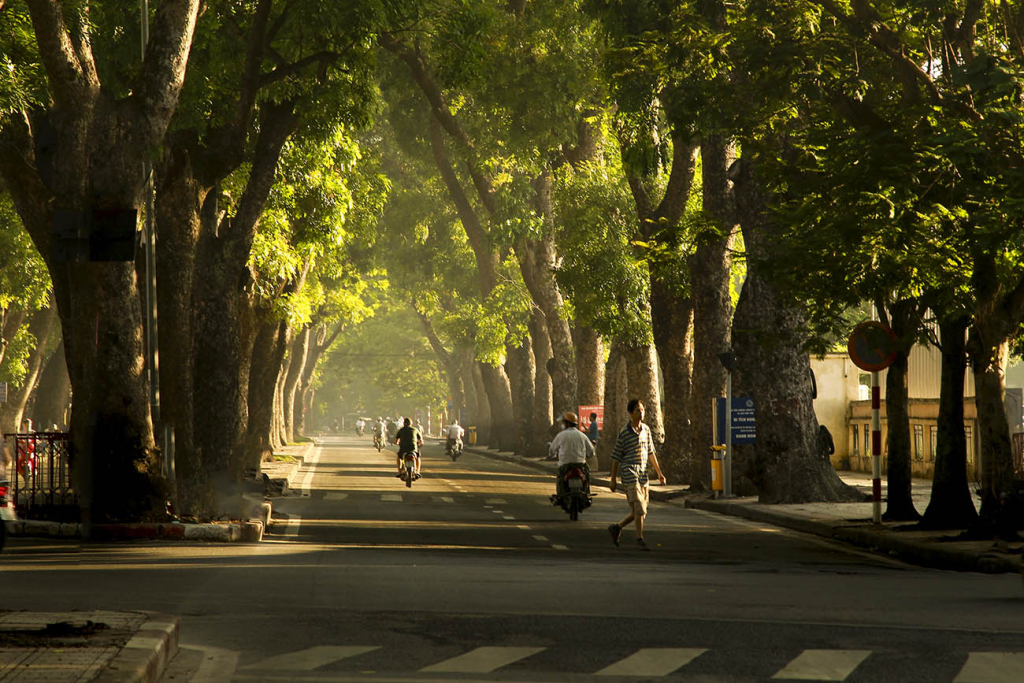
Discovering the Cultural Value of the Alleys
The true value of the hidden alleys Hanoi lies in the cultural insight they offer. Rather than focusing on sightseeing, the experience allows visitors to observe the everyday rhythm of urban life in one of the city’s oldest neighborhoods.
By walking through these narrow passages, travelers witness how history, architecture, and community coexist in small spaces. The alleyways reveal a side of Hanoi that often remains invisible from the main streets.
Ultimately, exploring these backstreets becomes less about finding a specific destination and more about understanding the living culture of the Old Quarter. Through patience, curiosity, and respect, visitors can discover the quiet stories hidden within Hanoi’s most intimate urban spaces.
Read for more information:
- https://abite.asia/hanoi-wet-market-morning-tour-the-real-pulse-of-daily-life/
- https://abite.asia/hanoi-spiritual-culture-tour-beyond-the-incense-smoke/
- https://abite.asia/vietnamese-calligraphy-art-hanoi-meaningful-red-ink-traditions
At Abite.asia, we specialize in curated Vietnam tours for international travelers, ensuring an authentic and hassle-free experience. Let us take care of your journey so you can fully embrace the beauty of Vietnam. Contact us today at +84363770835 to start planning your adventure!



Leave a Reply