Hanoi Old Quarter culture is a vibrant mosaic of history and living traditions. This article explores the deep-seated customs, spiritual beliefs, and traditional crafts that define the soul of the capital. Readers will discover how locals preserve their unique identity amidst a rapidly modernizing city. From early morning rituals to sacred temple ceremonies, we invite you to experience the authentic heartbeat of Vietnam’s iconic 36 streets in 2026.
The Enduring Charm of Hanoi Old Quarter Culture
Experience the timeless beauty of the capital through the lens of Hanoi Old Quarter culture. This historic district remains the spiritual heart of the city. In this section, we introduce the fundamental values that keep these ancient streets alive. Consequently, you will understand why this area remains a must-visit destination for every traveler.
Stepping into the 36 Streets feels like traveling back in time. Indeed, Hanoi Old Quarter culture thrives in every small detail of daily life. You can see it in the weathered yellow walls and the smell of burning incense. The local people maintain a deep connection to their ancestral roots. For instance, they still practice centuries-old customs within their narrow “tube houses.” Modernity has arrived, yet the core spirit remains unchanged. This resilience is a testament to the strength of Hanoian traditions. Therefore, exploring this area offers a profound insight into the nation’s heritage.
1. The Ritual of Morning Market Visits
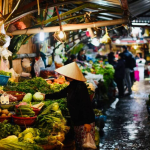
The Hanoi Old Quarter culture begins every day with the bustling energy of local markets. This section describes the early morning trading habits of the residents. It highlights how these markets serve as more than just a place for commerce.

- Freshness First: Locals prefer buying ingredients every morning to ensure quality.
- Social Hubs: Markets are where neighbors exchange news and maintain social bonds.
- Street Vendors: Moving vendors bring the market directly to every doorstep.
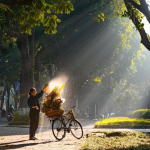
As the sun rises, the streets fill with the sounds of heavy baskets and friendly haggling. This activity is a vital part of Hanoi Old Quarter culture. Specifically, it reflects the industrious nature of the Vietnamese people. Many vendors have walked these same routes for decades. In addition, the variety of seasonal fruits and flowers creates a colorful spectacle. Transitioning from the quiet dawn to this vibrant chaos is a unique experience. As a result, visitors can witness the raw vitality of the city’s heartbeat.
2. Traditional Craftsmanship and Guild Streets
Architecture and trade are central pillars of Hanoi Old Quarter culture. Each street was originally named after the specific craft practiced there. This heading explores the legacy of the craft guilds and their survival in the modern era.

Historically, artisans from surrounding villages migrated to the city to establish specialized workshops. Today, Hanoi Old Quarter culture still honors these professional lineages. For example, Hang Bac Street remains the center for silver smithing and jewelry. Meanwhile, Hang Ma Street dazzles visitors with colorful paper offerings and lanterns. Even though some trades have evolved, the sense of “guild pride” remains strong. Consequently, these streets function as living museums of Vietnamese ingenuity. Moreover, younger generations are now reviving ancient techniques with modern flair. This blend ensures that traditional crafts do not disappear into history.
3. Spiritual Devotion at Communal Houses
Spirituality is deeply woven into the fabric of Hanoi Old Quarter culture. Every street typically features a communal house or “Dinh” dedicated to a patron saint. This section examines the importance of these sacred spaces in daily urban life.

Inside these quiet sanctuaries, the noise of traffic disappears completely. Residents often visit to light incense and pray for prosperity. Therefore, the Hanoi Old Quarter culture maintains a balance between material success and spiritual peace. These communal houses also serve as meeting points for local elders. During festivals, they become the stage for traditional ceremonies and folk performances. Specifically, the architecture of these buildings showcases exquisite wood carvings and ancient motifs. By preserving these sites, the community keeps its history tangible. As a result, the past continues to guide the present.
4. The Art of Sidewalk Gastronomy
Food is perhaps the most famous expression of Hanoi Old Quarter culture. The sidewalk is the primary stage for this culinary theater. This heading details how eating on the street fosters community and preserves authentic flavors.
- Plastic Stool Culture: Sitting low to the ground creates an informal and friendly atmosphere.
- Family Recipes: Most stalls specialize in a single dish perfected over generations.
- Seasonal Delicacies: The menu often changes based on the lunar calendar.

Sharing a meal on the sidewalk is an essential Hanoi Old Quarter culture experience. It allows people from all walks of life to connect over a steaming bowl of Phở. Furthermore, the interaction between the cook and the customer is often very personal. This closeness ensures that traditional tastes are never lost to industrial food chains. Consequently, the Old Quarter remains a sanctuary for authentic Vietnamese cuisine. Every bite tells a story of the city’s complex and flavorful history.
5. Tea and Coffee: The Rhythm of Reflection
Drinking tea and coffee is a daily ritual within Hanoi Old Quarter culture. From bitter green tea to creamy egg coffee, these beverages dictate the pace of the day. This section explores the “slow living” aspect of an otherwise hectic city.

In the afternoon, you will see groups of men gathered around small tea stalls. This is a classic image of Hanoi Old Quarter culture in action. They sip “Tra Da” while discussing everything from politics to family matters. Additionally, the rise of hidden specialty cafes offers a modern twist on this tradition. These cafes are often tucked away in colonial-era buildings or narrow alleys. Therefore, finding them feels like discovering a secret world. This culture of reflection provides a necessary break from the urban hustle. It encourages people to appreciate the present moment and their surroundings.
6. Lunar Traditions and Seasonal Festivals
The Hanoi Old Quarter culture reaches its peak during the Lunar New Year and Mid-Autumn festival. This heading describes the seasonal transformation of the neighborhood during these special times. It highlights the enduring power of family-oriented traditions.

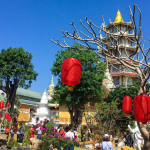
During Tet, the streets are transformed by peach blossoms and kumquat trees. This vibrant decor is a hallmark of Hanoi Old Quarter culture. Families gather to clean their ancestral altars and prepare traditional cakes. Similarly, the Mid-Autumn festival turns Hang Ma Street into a wonderland of toys and masks. These events are not just for children but for the entire community. They reinforce the bonds between the living and their ancestors. In addition, these festivals attract thousands of visitors who want to feel the festive spirit. As a result, the Old Quarter becomes the most exciting place in Vietnam.
7. Protecting Heritage in a Modern World
The final tradition of Hanoi Old Quarter culture is the conscious effort to protect its heritage. This section discusses how residents and the government work together to maintain the district’s soul. It reflects on the future of these traditions in 2026.
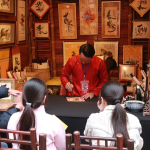
Preserving the Hanoi Old Quarter culture requires a delicate balance. On one hand, the city must modernize to support its growing population. On the other hand, the historical value of the 36 Streets is irreplaceable. Therefore, many residents have turned their ancient homes into boutique stays or galleries. This approach allows them to earn a living while keeping the architecture intact. Furthermore, cultural workshops now teach tourists about traditional arts and crafts. Consequently, the heritage becomes a source of sustainable growth. This commitment ensures that the soul of Hanoi will thrive for another thousand years.
Read for more information:
- https://abite.asia/hanoi-old-quarter-lifestyle-a-deep-dive-into-local-soul/
- https://abite.asia/hanoi-cooking-class-discover-vietnamese-recipes-with-local-market-visit/
At Abite.asia, we specialize in curated Vietnam tours for international travelers, ensuring an authentic and hassle-free experience. Let us take care of your journey so you can fully embrace the beauty of Vietnam. Contact us today at +84363770835 to start planning your adventure!


Leave a Reply