Hanoi Old Quarter lifestyle is a fascinating blend of ancient traditions and modern adaptability. This article invites you to explore the intimate daily habits that define the people living in Vietnam’s historic heart. Readers will discover the unique sidewalk culture and the strong sense of community in the 36 streets. By understanding these local rhythms, you can experience the true soul of the capital in 2026. Join us as we uncover the secrets of living in this timeless urban labyrinth.
The Essence of Hanoi Old Quarter Lifestyle
To truly understand the city, one must immerse themselves in the Hanoi Old Quarter lifestyle. This way of living is deeply connected to the narrow streets and shared spaces. In this section, we introduce how locals navigate their crowded yet vibrant environment. Consequently, you will see why this area remains the cultural epicenter of Hanoi.
Living here requires a special kind of resilience and creativity. Indeed, the Hanoi Old Quarter lifestyle thrives on the balance between public and private life. Most homes are very narrow, so the street becomes an extension of the living room. You will see people drinking tea, fixing motorbikes, and chatting with neighbors on the sidewalk. This openness creates a warm and welcoming atmosphere for everyone. Furthermore, it fosters a deep sense of belonging among the residents. Even though the world is changing fast, these habits remain remarkably steady. Therefore, observing the street life is the best way to feel the local pulse.
1. Sidewalk Living: The Communal Living Room
The most visible part of the Hanoi Old Quarter lifestyle is the vibrant activity on the pavement. This section describes how the sidewalk serves as a multipurpose space for the community. It highlights the social connections made over simple daily tasks.

- Outdoor Dining: Tiny plastic stools are the foundation of the local social scene.
- Daily Choreography: Residents expertly share limited space for work and leisure.
- Neighborhood News: The sidewalk is the primary place for exchanging gossip and stories.
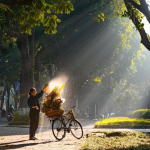
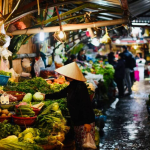
Everything happens in the open air within the Hanoi Old Quarter lifestyle. For instance, a barber might set up a mirror on a centuries-old wall. Nearby, a woman sells fresh fruit from a traditional bamboo pole. These interactions are not just for commerce; they are vital social rituals. Specifically, they keep the community tightly knit despite the urban density. Moreover, the constant movement creates a rhythmic energy that never feels overwhelming. As a result, the street feels like a living, breathing entity. Visitors often find this proximity to local life both surprising and deeply charming.
2. The Art of “Slow Living” in a Fast City
Despite the traffic, the Hanoi Old Quarter lifestyle emphasizes the importance of slowing down. This heading explores the quiet moments that locals cherish amidst the chaos. It focuses on the traditional tea culture and the appreciation of the present.

In the early afternoon, a calm settles over the residential alleys. This is a key aspect of the Hanoi Old Quarter lifestyle that many tourists miss. You will see elderly men playing Chinese chess under the shade of ancient trees. Meanwhile, others enjoy a cup of strong green tea while watching the world go by. This “slow living” provides a necessary contrast to the hectic motorbike traffic. Consequently, it allows residents to maintain their mental balance and inner peace. This patience is a hallmark of the Hanoian character. By joining them for a quiet drink, you can feel the true depth of their soul.
3. Shared Courtyards and Hidden Alley Connections
Beyond the storefronts, the Hanoi Old Quarter lifestyle continues deep within hidden courtyards. This section examines the communal living arrangements found in the ancient “tube houses.” It reveals the invisible bonds that support the neighborhood.

Many families often share a single narrow entrance that leads to a labyrinth of rooms. Therefore, the Hanoi Old Quarter lifestyle is built on mutual respect and cooperation. Sharing a kitchen or a small courtyard requires a high degree of social harmony. Residents learn to navigate these shared spaces with grace and consideration for others. Furthermore, these hidden corners protect families from the noise of the main roads. Inside, the atmosphere is quiet and reminiscent of a rural village. This hidden world is where the most intimate traditions are preserved. As a result, the alleys act as the safe haven for the city’s heritage.
4. Adapting Traditions for a Modern 2026
The Hanoi Old Quarter lifestyle is not stuck in the past; it is constantly evolving. This final heading describes how the younger generation integrates technology into their traditional habits. It reflects on the future of the local soul in a digital world.

Today, you can see the modern side of the Hanoi Old Quarter lifestyle everywhere. For example, local elders now use smartphones to stay connected with their grandchildren. Furthermore, traditional shopkeepers accept digital payments while sitting on their low stools. This adaptability ensures that the neighborhood remains relevant and vibrant. Even as boutique cafes and galleries open, the core values of hospitality remain. Consequently, the Old Quarter is a place where history and the future coexist. This unique blend is what makes the local soul so resilient and fascinating. Ultimately, the lifestyle here is a lesson in embracing change without losing one’s identity.
5. Multi-Generational Living Under One Roof
A significant pillar of the Hanoi Old Quarter lifestyle is the tradition of multi-generational households. This section explores how grandmothers, parents, and children coexist within the historic “tube houses.” It highlights the family values that anchor the community.

In these narrow homes, space is a luxury that families manage with great care. Therefore, the Hanoi Old Quarter lifestyle emphasizes collective harmony over individual privacy. Specifically, you will often find three or even four generations sharing daily meals and responsibilities. This living arrangement allows elders to pass down oral histories and traditional values to the youth. Moreover, it creates a natural support system where everyone looks after one another. Children grow up surrounded by the wisdom of their grandparents, fostering a deep respect for lineage. Consequently, the family unit remains the strongest bond in the neighborhood. This continuity is essential for preserving the district’s social fabric in a modern age.
6. The Evening “Bia Hoi” Social Ritual
As the sun sets, the Hanoi Old Quarter lifestyle shifts toward the vibrant and casual social scene of “Bia Hoi.” This heading describes how locals and travelers gather on street corners to unwind. It reflects the democratic and open nature of Hanoian hospitality.

When the workday ends, the streets transform into a lively hub of laughter and clinking glasses. This transition is a vital part of the Hanoi Old Quarter lifestyle for many residents. People gather on tiny stools to enjoy fresh, local beer and simple snacks like roasted peanuts. Indeed, these corners serve as a social leveler where everyone is equal. You will see businessmen sitting next to laborers, sharing stories about their day. Furthermore, the energetic atmosphere encourages strangers to become friends instantly. This nightly ritual provides a much-needed release from the pressures of city life. Consequently, “Bia Hoi” corners are more than just bars; they are essential community institutions.
7. Spiritual Symbols in Modern Living Spaces
Even in 2026, the Hanoi Old Quarter lifestyle remains deeply rooted in spiritual practices and ancestor worship. This final section examines how residents integrate sacred altars and rituals into their busy, modern routines. It shows that faith is an inseparable part of the local identity.
Spirituality is not reserved for special occasions but is practiced daily within the Hanoi Old Quarter lifestyle. Almost every home and shop maintains a small, brightly decorated altar near the entrance. Every morning, you will see residents offering fresh flowers, fruit, and incense to their ancestors. This act serves as a quiet moment of reflection before the day’s hustle begins. Additionally, these rituals provide a sense of protection and continuity for the family business. Even young entrepreneurs continue these traditions to ensure good fortune and harmony. Therefore, the scent of incense remains a permanent feature of the neighborhood’s air. As a result, the spiritual world and the physical world exist in perfect, everyday balance.
Read for more information:
- http://Hanoi Old Quarter culture: 7 Traditions You Must See (2026)
- http://Daily Life in Hanoi Old Quarter – Inside the City’s Everyday Rhythm
At Abite.asia, we specialize in curated Vietnam tours for international travelers, ensuring an authentic and hassle-free experience. Let us take care of your journey so you can fully embrace the beauty of Vietnam. Contact us today at +84363770835 to start planning your adventure!


Leave a Reply