
Hanoi Pagoda hopping after Tet is more than a festive activity. It is a long-standing spiritual tradition that marks the beginning of a new year with intention and gratitude. After Tet, families across the city visit pagodas to pray for health, prosperity, harmony, and good fortune. The practice blends belief, community, and cultural identity into one meaningful journey.
As spring settles over Hanoi, temples fill with incense smoke and quiet footsteps. Visitors carry small offerings and sincere wishes. Some seek academic success. Others hope for stable work or peaceful family life. Through Hanoi Pagoda hopping after Tet, people reconnect with faith and reset their mindset for the months ahead.
This guide explains why the tradition matters, how locals approach it, and what travelers should know to experience it respectfully and authentically.
1. Why Hanoi Pagoda Hopping after Tet Matters
Hanoi Pagoda hopping after Tet reflects the spiritual rhythm of the city. This section explores its cultural meaning, emotional significance, and the values behind the tradition.
A Spring Ritual Rooted in Belief
Every year after Tet, pagodas across Hanoi welcome thousands of visitors. The early days of spring are believed to shape the energy of the entire year. Therefore, people begin the year with prayers and offerings. This tradition symbolizes renewal and intention. Instead of celebrating loudly, many families choose reflection and gratitude.

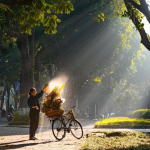
Spring atmosphere in Hanoi
Key purposes of the ritual include:
- Praying for health and family harmony
- Seeking career success or academic achievement
- Expressing gratitude for the previous year
- Asking for spiritual protection and peace
Through these prayers, individuals align personal goals with spiritual grounding.
Community, Not Just Individual Wishes
Although many prayers feel personal, the atmosphere remains collective. Families visit together. Friends meet at temple gates. Elderly parents guide younger generations through rituals. Consequently, the experience strengthens social bonds. Children learn customs by observing elders. Parents model patience and respect. Community presence reinforces shared belief. Hanoi Pagoda hopping after Tet therefore connects people on multiple levels. It nurtures both personal hope and collective identity.
A Moment of Reflection in a Busy City
Hanoi moves quickly during the year. However, pagoda visits create pause. Incense burns slowly. Bells ring softly. Visitors lower their voices. This contrast highlights the importance of spiritual balance. While daily life focuses on productivity, this tradition emphasizes intention and gratitude. In this way, Hanoi Pagoda hopping after Tet becomes more than ritual. It becomes a reset. It allows people to begin the year with clarity, humility, and quiet determination.
2. Where to Go for Hanoi Pagoda Hopping after Tet
Choosing the right pagodas shapes the entire experience. Some temples attract large crowds because of their historical reputation, while others offer quieter spaces for reflection. This section highlights meaningful locations and explains what makes each stop unique during Hanoi Pagoda hopping after Tet.
Tran Quoc Pagoda – Praying by the Water
Tran Quoc Pagoda stands on a small peninsula in West Lake, creating a peaceful setting for spring visits. Many locals begin their Hanoi Pagoda hopping after Tet here because the temple symbolizes longevity and stability. The open lake view adds calmness to the ritual.

Tran Quoc Pagoda in Hanoi during spring after Tet festival
Visitors often arrive early in the morning. Incense smoke rises gently beside the red tower. Families line up quietly to place offerings and bow before the altar.
Why Tran Quoc Pagoda is popular after Tet:
- It is one of Hanoi’s oldest Buddhist temples
- The lakeside setting enhances a sense of renewal
- Early morning visits feel especially tranquil
- The temple connects history with living faith
Although it attracts many people, respectful silence keeps the atmosphere balanced.
Quan Thanh Temple – Seeking Protection and Strength
Located near West Lake as well, Quan Thanh Temple honors Tran Vu, a Taoist deity associated with protection. Many Hanoians include this temple in their spring route to pray for stability and strength in the year ahead.

Visitors praying at Quan Thanh Temple in Hanoi after Tet
The bronze statue inside the main hall creates a solemn atmosphere. Visitors move slowly, carrying small offerings and speaking in hushed tones. Unlike pagodas focused on compassion and peace, this temple emphasizes resilience and safeguarding.
Reasons locals visit Quan Thanh Temple:
- To pray for protection from misfortune
- To seek courage in business or personal decisions
- To continue long-standing family traditions
Including this temple adds symbolic balance to the spiritual journey.
Phu Tay Ho – Prayers for Prosperity
Phu Tay Ho, dedicated to Mother Goddess Lieu Hanh, attracts visitors who pray for wealth and career success. During the weeks following Tet, the temple becomes lively with people seeking financial luck.

Crowds visiting Phu Tay Ho temple in Hanoi during spring festival
While the atmosphere feels more energetic, respect remains central. Vendors sell offerings nearby, yet the ritual itself stays sincere.
Common intentions at Phu Tay Ho include:
- Business growth and financial stability
- Career advancement
- Good fortune for the entire household
Because of its association with prosperity, this temple often becomes a key stop in Hanoi Pagoda hopping after Tet.
Choosing Your Route Thoughtfully
Not everyone visits the same temples. Some families follow tradition. Others choose based on personal goals. However, most routes balance different symbolic meanings: peace, protection, wisdom, and prosperity.
When planning your journey:
- Visit early in the day to avoid peak crowds
- Prepare small offerings rather than extravagant displays
- Focus on intention instead of quantity of stops
Ultimately, Hanoi Pagoda hopping after Tet is not about checking off locations. It is about beginning the year with clarity and gratitude. The temples provide structure, but the meaning comes from sincere intention and respectful presence.
3. Rituals, Offerings, and Etiquette During Hanoi Pagoda Hopping after Tet
Understanding how locals practice their rituals helps visitors approach Hanoi Pagoda hopping after Tet with awareness and respect. Although the atmosphere may appear simple, each gesture carries meaning. This section explains common offerings, basic etiquette, and the quiet rhythm that defines the experience.
Preparing Offerings with Intention
Offerings during spring visits are modest yet symbolic. People rarely bring extravagant gifts. Instead, they focus on sincerity. Fruits, flowers, incense, and small paper notes are the most common items.
Preparation often begins at home. Families carefully arrange trays before heading out. The act of preparation already reflects gratitude and hope.
Typical offerings include:
- Fresh fruit symbolizing abundance
- Flowers representing purity and renewal
- Incense as a bridge between human wishes and spiritual presence
- Small envelopes containing written prayers
Importantly, intention matters more than value. Locals believe sincerity carries greater weight than material display.
Steps of the Ritual
Upon entering a pagoda, visitors move calmly and respectfully. They light incense sticks, bow before the altar, and silently state their wishes. Movements remain slow and deliberate.
The process usually follows a simple order:
- Place offerings neatly on designated tables
- Light incense and bow three times
- Whisper personal wishes or prayers
- Step aside quietly to allow others space
Because many people visit during this season, patience becomes essential. No one rushes the ritual. Everyone waits their turn.

Traditional offerings of fruit and incense at Hanoi pagoda after Tet
Dress Code and Behavior
Clothing reflects respect. Visitors avoid revealing outfits and choose modest attire. Neutral colors are common, although festive shades may appear during the early days after Tet.
Behavior inside the pagoda follows unwritten rules:
- Speak softly or remain silent
- Avoid pointing at sacred statues
- Refrain from excessive photography
- Keep phones on silent mode
These small actions preserve the spiritual atmosphere.
Balancing Tradition and Modern Life
Although Hanoi has modernized rapidly, the ritual of pagoda visits remains steady. Young people join older generations. Students pray for exams. Business owners pray for stable work. Families pray for harmony.
In this way, Hanoi Pagoda hopping after Tet bridges tradition and contemporary life. The ritual adapts without losing its core meaning.
Ultimately, the experience centers on mindfulness. By observing etiquette and understanding the symbolism behind each action, visitors move beyond sightseeing. They participate respectfully in a tradition that continues to shape Hanoi’s cultural identity every spring.
4. A Local’s Tips for Meaningful Hanoi Pagoda Hopping after Tet
While visiting temples after Tet may seem straightforward, small details can greatly enhance the experience. Locals approach Hanoi Pagoda hopping after Tet with preparation, patience, and intention. This section shares practical advice to help visitors participate respectfully and meaningfully.

Locals visiting pagoda in Hanoi after Tet with incense and spring flowers
Start Early and Move Calmly
Timing shapes the atmosphere of a pagoda visit. Early mornings, especially within the first two weeks after Tet, offer cooler air and softer light. Although some temples become crowded later in the day, arriving early allows for a more reflective experience.
Locals often:
- Visit between 7:00–9:00 AM
- Choose weekdays if possible
- Plan routes to avoid unnecessary travel between distant temples
By starting early, visitors experience a quieter and more authentic rhythm.
Focus on Intention, Not Quantity
Some people believe visiting many pagodas increases luck. However, most locals emphasize quality over number. Sincere prayer at two or three meaningful temples often feels more fulfilling than rushing through several locations.
To approach the ritual thoughtfully:
- Set a clear personal intention before arriving
- Spend time observing the environment
- Pause between temples rather than moving quickly
This approach turns the journey into reflection rather than obligation.
Respect the Spiritual Space
Although temples welcome visitors, they remain active places of worship. Observing etiquette ensures harmony between locals and travelers.
Keep these points in mind:
- Dress modestly and comfortably
- Avoid loud conversations or disruptive behavior
- Step aside after praying to allow others access
- Dispose of incense properly in designated areas
Small gestures maintain respect for tradition.
Understand the Emotional Aspect
Beyond ritual steps, Hanoi Pagoda hopping after Tet carries emotional meaning. For many families, it marks renewal after a year of effort and challenge. It offers reassurance and hope.
Visitors who recognize this emotional dimension often connect more deeply. The atmosphere feels less like an attraction and more like shared cultural expression.
Ending the Journey with Reflection
After completing the route, locals often gather for tea or a simple meal. They discuss plans for the new year and carry the calmness forward into daily life.
In this way, Hanoi Pagoda hopping after Tet does not end at the temple gate. It extends into mindset and intention for the months ahead.
Ultimately, the tradition encourages balance. By combining preparation, sincerity, and respect, visitors can experience not only the beauty of Hanoi’s pagodas but also the deeper spirit of spring renewal.
Read for more information:
- https://abite.asia/water-puppet-show-hanoi-a-traditional-art-of-music-myth-and-movement/
- https://abite.asia/hanoi-train-street-tour-experience-the-city-where-trains-meet-daily-life/
At Abite.asia, we specialize in curated Vietnam tours for international travelers, ensuring an authentic and hassle-free experience. Let us take care of your journey so you can fully embrace the beauty of Vietnam. Contact us today at +84363770835 to start planning your adventure!

Leave a Reply