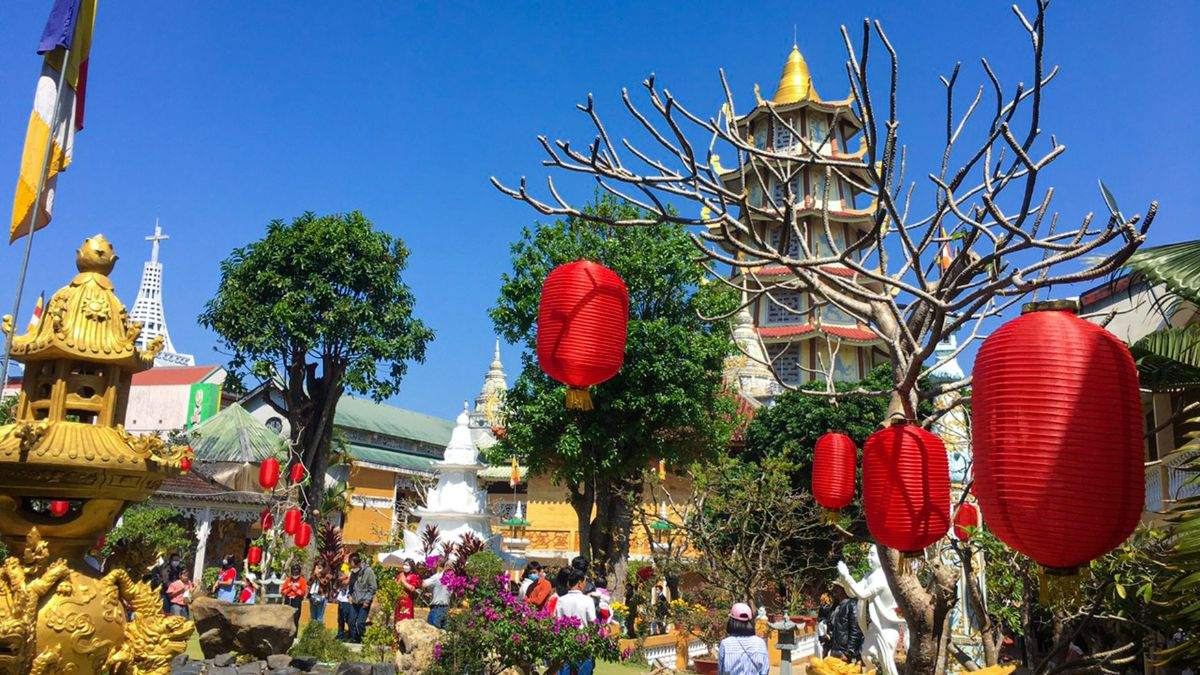
A Hanoi spiritual culture tour offers a deeper way to understand the city beyond its busy streets and famous landmarks. While many travelers focus on food, markets, and colonial architecture, Hanoi also carries a quiet spiritual layer shaped by centuries of belief, ritual, and community tradition. Temples, pagodas, shrines, and small household altars form an invisible network of faith across the city.
Walking through Hanoi, visitors often notice incense rising from doorways, fruit offerings placed before statues, and locals pausing briefly to pray before starting their day. These small actions reflect a worldview where spirituality blends naturally with daily life. A Hanoi spiritual culture tour therefore becomes less about visiting religious buildings and more about understanding how belief influences everyday habits.
Across neighborhoods, spiritual spaces appear in many forms. Large temples welcome pilgrims during festivals, while small roadside shrines quietly serve nearby residents. In addition, family altars inside homes remind people of their ancestors and traditions. Together, these practices create a spiritual landscape that exists alongside modern city life.
1. The Role of Spirituality in Hanoi’s Everyday Life
Spirituality in Hanoi does not remain limited to temples or religious ceremonies. Instead, it appears naturally within daily routines, social traditions, and family life. This section explains how belief systems influence everyday actions and why spiritual awareness remains important for many residents.
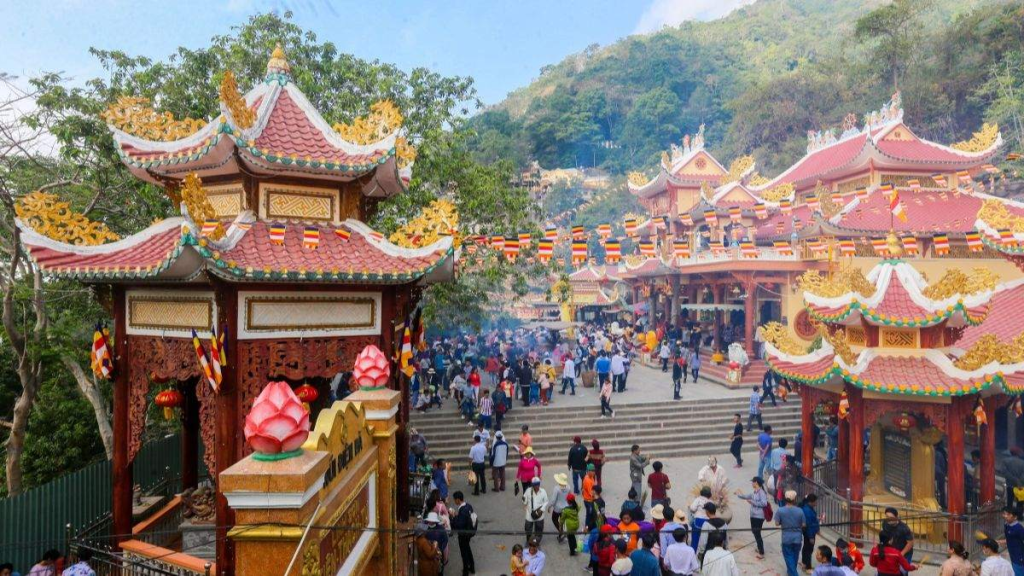
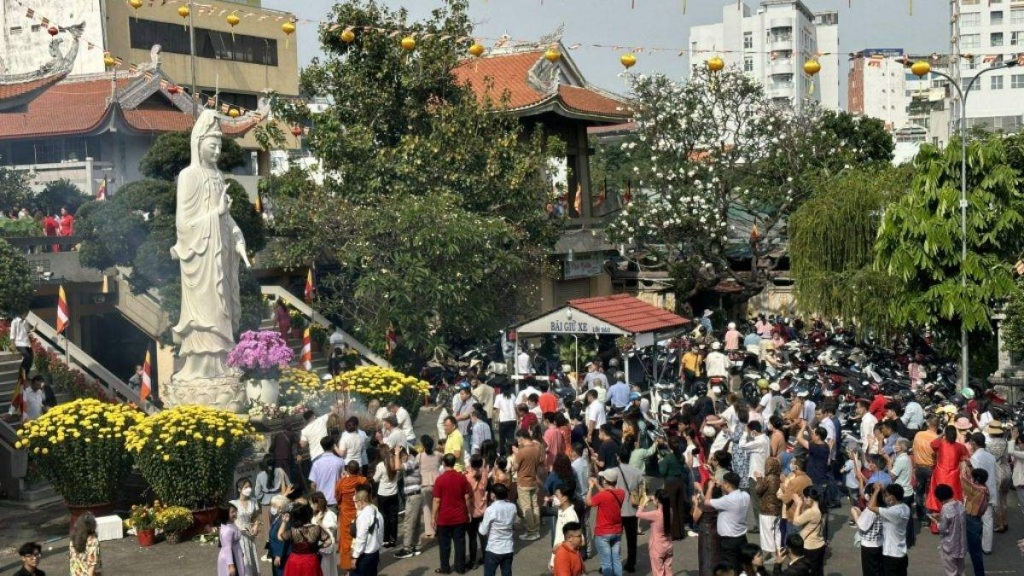
The custom of visiting temples at the beginning of the year is a beautiful cultural tradition of the Vietnamese people
Household Altars and Ancestor Respect
One of the most common spiritual practices in Hanoi is ancestor worship. Inside many homes, families maintain a small altar dedicated to relatives who have passed away. These altars usually hold incense burners, candles, photographs, and fresh offerings such as fruit or flowers.
Family members often light incense on special occasions or at the beginning of important events. The ritual expresses respect and gratitude toward previous generations.
Common elements found on household altars include:
- Incense sticks used for daily prayer
- Small plates of fruit as symbolic offerings
- Photos or name tablets representing ancestors
- Flowers placed during important holidays
Through these practices, spiritual tradition becomes part of ordinary family life.
Street Shrines and Community Faith
Beyond private homes, small shrines appear throughout the city. These shrines may stand at street corners, inside markets, or beside shops. Local business owners often maintain them to ask for prosperity and protection.
Visitors may notice:
- Incense burning quietly near shop entrances
- Small statues representing protective deities
- Offerings placed before opening a business day
- Residents pausing briefly to pray while passing by
These gestures show how belief integrates with everyday activity rather than existing separately from it.
Temples as Spaces of Reflection
Although household rituals remain common, temples still play an important role in spiritual life. Many people visit pagodas to pray during important moments such as the Lunar New Year, exams, or major life decisions.
During a Hanoi spiritual culture tour, visitors may observe locals lighting incense, bowing respectfully, or simply sitting quietly in temple courtyards. These spaces provide calm contrast to the busy streets outside.
Ultimately, spirituality in Hanoi does not depend on grand ceremonies. Instead, it lives through simple acts of respect, remembrance, and reflection. Understanding these everyday practices allows travelers to see the city through a more meaningful cultural lens.
2. Temples and Pagodas That Shape Hanoi’s Spiritual Landscape
A Hanoi spiritual culture tour often leads travelers to temples and pagodas that have guided the city’s spiritual life for centuries. These sacred spaces are not simply historical landmarks. They continue to serve as places where people pray, reflect, and connect with tradition. Visiting them offers insight into how belief systems coexist within modern urban life.
Unlike many cities where religious buildings stand apart from daily activity, Hanoi’s temples remain integrated into neighborhoods. Residents stop by on the way to work, families gather during festivals, and students visit before important exams. As a result, temples reflect living culture rather than static history.
Tran Quoc Pagoda – A Symbol of Longevity and Peace
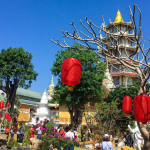
Tran Quoc Pagoda stands quietly on a small peninsula in West Lake. As one of Hanoi’s oldest Buddhist temples, it attracts both pilgrims and travelers seeking a peaceful atmosphere. The pagoda’s tall red tower and surrounding gardens create a calm environment that contrasts with the nearby city streets.
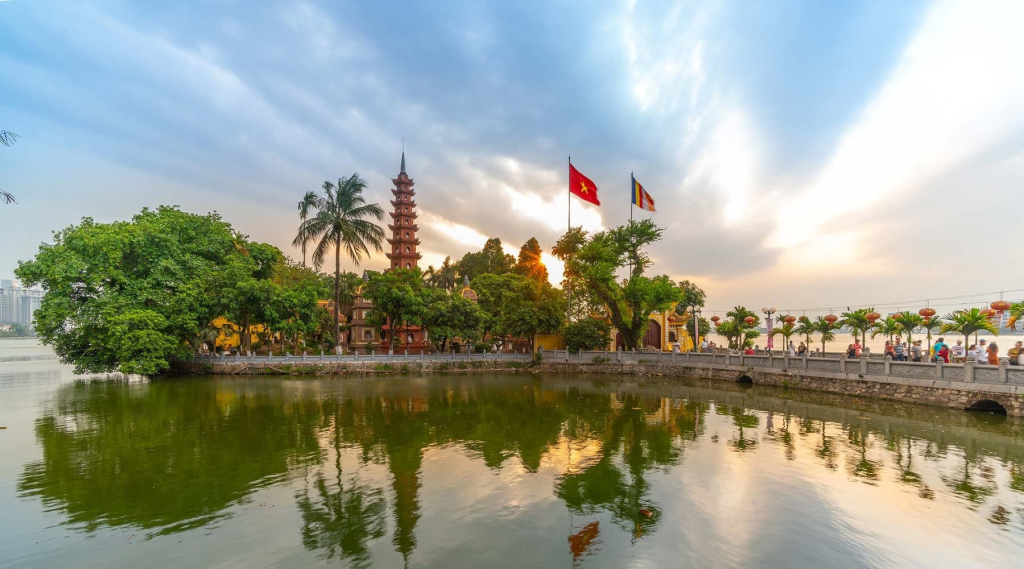
Tran Quoc Pagoda on West Lake in Hanoi
Visitors often notice how slowly time seems to move within the pagoda grounds. Bells ring softly, monks walk quietly through courtyards, and incense smoke drifts gently toward the lake.
Key elements that define Tran Quoc Pagoda include:
- Ancient Buddhist architecture preserved over many centuries
- A tranquil lakeside setting that encourages reflection
- Statues and prayer halls used for daily worship
- Gardens where visitors pause to meditate or rest
Because of its long history, the pagoda represents continuity between past and present spiritual traditions.
Quan Thanh Temple – Taoist Protection and Strength
Quan Thanh Temple introduces another important aspect of Hanoi’s spiritual identity. While many pagodas follow Buddhist tradition, this temple honors Taoist beliefs. The main statue inside the temple represents Tran Vu, a powerful deity associated with protection and strength.
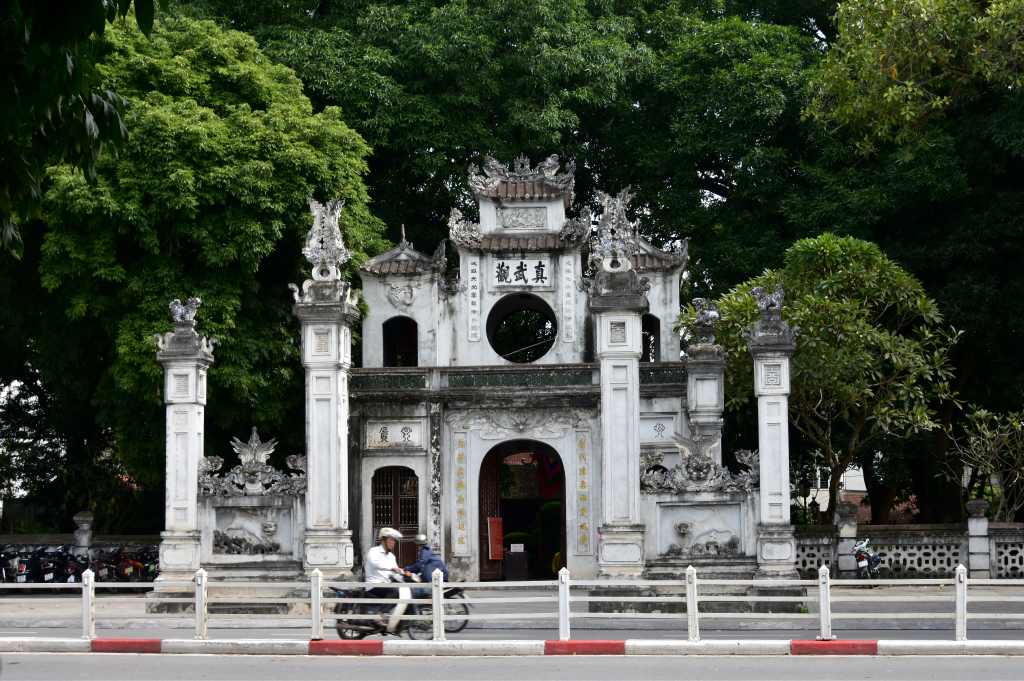
Quan Thanh Temple interior with bronze statue of Tran Vu
The temple interior feels solemn and mysterious. Visitors walk through wooden gates before entering a dim hall filled with incense and quiet prayer. Many locals visit this temple to seek courage during difficult decisions or to ask for protection in the year ahead.
Notable features of Quan Thanh Temple include:
- A large bronze statue representing the Taoist guardian Tran Vu
- Ancient wooden architecture reflecting traditional temple design
- Incense-filled halls that create a contemplative atmosphere
- Pilgrims offering prayers for protection and stability
Through this temple, visitors observe how Taoist belief complements Buddhist practice in Hanoi’s spiritual culture.
Ngoc Son Temple – Faith in the Heart of the City
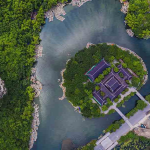
Located on a small island in Hoan Kiem Lake, Ngoc Son Temple stands at the center of Hanoi’s most iconic landscape. Although surrounded by tourist activity, the temple remains a meaningful place of worship for many residents.
Crossing the red Huc Bridge, visitors step into a quieter space filled with traditional altars and historical symbolism. The temple honors several figures connected with knowledge, military leadership, and moral integrity.
Highlights of the temple include:
- A symbolic bridge representing the connection between the human world and spiritual wisdom
- Altars dedicated to national heroes and scholars
- Quiet prayer areas overlooking the lake
By including these temples within a Hanoi spiritual culture tour, visitors see how different belief systems—Buddhism, Taoism, and traditional folk practices—combine to form the city’s unique spiritual identity.
3. Rituals, Beliefs, and Everyday Spiritual Practices
Understanding rituals helps visitors experience a Hanoi spiritual culture tour with greater awareness. Spiritual practices in the city are not limited to formal ceremonies. Instead, they appear quietly in daily routines. Many residents perform small rituals before work, during festivals, or when facing important decisions. These actions express respect for tradition while also offering comfort and guidance.
In Hanoi, belief systems often combine Buddhist teachings, Taoist philosophy, and folk traditions. Because of this blend, rituals may appear simple but carry deep symbolic meaning. Observing these practices allows travelers to understand how spirituality continues to shape daily life.
Visitors observing prayer ritual at Hanoi pagoda
Lighting Incense as a Form of Prayer
One of the most recognizable rituals in Hanoi involves lighting incense. The act may seem small, yet it represents communication between the human and spiritual worlds. People light incense sticks before temple altars, household shrines, and even small roadside statues.
The gesture often follows a simple sequence. Visitors light incense, bow respectfully, and pause briefly to reflect. Many believe that sincere intention matters more than elaborate offerings.
Common reasons for lighting incense include:
- Expressing gratitude for family well-being
- Asking for success in work or study
- Seeking protection during difficult periods
- Honoring ancestors and spiritual figures
Because this ritual appears across homes, temples, and shops, it forms a central part of a Hanoi spiritual culture tour.
Offerings That Symbolize Gratitude
Offerings accompany many spiritual rituals in Hanoi. These gifts do not aim to impress. Instead, they symbolize appreciation and humility. Fruits, flowers, and tea appear frequently because they represent purity and natural harmony.
When visiting temples, travelers may notice trays of carefully arranged items placed before altars. Although each offering carries symbolic meaning, the overall intention remains simple: expressing respect.
Typical offerings include:
- Fresh fruit representing abundance
- Lotus flowers symbolizing spiritual purity
- Tea or rice wine reflecting hospitality
- Incense used to accompany silent prayers
The simplicity of these items highlights how spiritual practice focuses on sincerity rather than material value.
Moments of Quiet Reflection
Not every spiritual moment involves ritual. Many residents visit pagodas simply to sit quietly. Temple courtyards provide peaceful spaces where people can pause, reflect, or meditate.
Visitors on a Hanoi spiritual culture tour may notice individuals resting on benches or walking slowly through temple gardens. These moments show that spirituality in Hanoi often emphasizes inner balance rather than formal ceremony.
This quiet reflection serves several purposes:
- Creating mental calm during busy city life
- Allowing individuals to focus on personal intentions
- Encouraging gratitude and patience
Through these everyday practices, spirituality becomes a natural part of the city’s rhythm. By observing respectfully, travelers gain insight into how Hanoi maintains a deep connection between belief, culture, and daily life.
4. Experiencing a Hanoi Spiritual Culture Tour Respectfully
Participating in a Hanoi spiritual culture tour requires more than simply visiting temples. Respectful behavior helps visitors appreciate the meaning behind each location and ensures that sacred spaces remain peaceful for local worshippers. While temples in Hanoi welcome travelers, they also function as active places of prayer where community traditions continue daily.
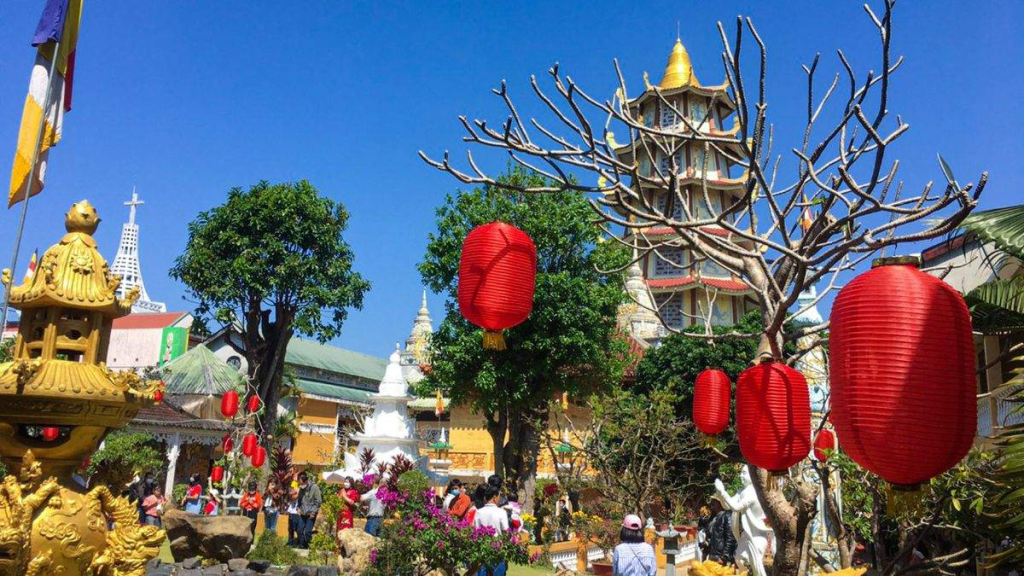
raditional Vietnamese ancestor altar with incense and fruit offerings
Understanding etiquette, observing the atmosphere carefully, and approaching each site with curiosity allow visitors to experience the spiritual culture more authentically. Rather than rushing through landmarks, thoughtful travelers take time to observe how people interact with these spaces.
Dress and Behavior in Sacred Spaces
Temples and pagodas in Hanoi maintain a calm and respectful environment. Clothing and behavior should reflect this atmosphere. Although the city itself feels modern and lively, spiritual sites still follow traditional expectations.
Visitors should consider the following guidelines when entering temples:
- Wear modest clothing that covers shoulders and knees
- Remove hats or sunglasses before approaching altars
- Speak softly to maintain the quiet environment
- Avoid pointing directly at statues or sacred objects
These small actions show respect for the people who visit the temples for spiritual reasons rather than sightseeing.
Observing Rituals with Sensitivity
During a Hanoi spiritual culture tour, visitors may witness locals performing rituals such as lighting incense, bowing before altars, or placing offerings on temple tables. These practices often hold personal meaning, so observing them respectfully is important.
Travelers can show cultural awareness by:
- Watching quietly without interrupting prayer
- Waiting patiently if someone is using the altar
- Avoiding flash photography near worshippers
- Following the movement of local visitors within the temple
By observing rather than intruding, visitors gain a deeper appreciation of the spiritual environment.
Taking Time to Reflect
Spiritual spaces in Hanoi offer a rare pause within the city’s busy rhythm. Temple courtyards, lakeside pagodas, and quiet gardens invite visitors to slow down and reflect. Even travelers who do not follow the same beliefs often find the atmosphere calming.
Moments of reflection may include:
- Sitting quietly in a temple courtyard
- Walking slowly around pagoda gardens
- Listening to bells or chanting in the distance
- Observing daily rituals without rushing
These experiences transform a simple visit into a meaningful cultural encounter.
Ultimately, a Hanoi spiritual culture tour reveals more than religious architecture. It shows how belief, tradition, and daily life intertwine across the city. By approaching temples with patience and respect, visitors gain insight into a spiritual culture that continues to shape Hanoi’s identity today.
Read for more information:
- https://abite.asia/hanoi-temple-of-literature-discover-vietnams-first-national-university/
- https://abite.asia/hanoi-city-tour-history-culture-and-architecture-highlights/
At Abite.asia, we specialize in curated Vietnam tours for international travelers, ensuring an authentic and hassle-free experience. Let us take care of your journey so you can fully embrace the beauty of Vietnam. Contact us today at +84363770835 to start planning your adventure!

Leave a Reply