The Hanoi Temple of Literature is a profound symbol of wisdom and the enduring scholarly traditions of Vietnam. Built in 1070, this historic complex offers a peaceful retreat from the modern city’s frantic pace. Readers will discover the architectural beauty of its five courtyards and the cultural significance of its ancient artifacts. By visiting this sanctuary, you will understand the deep respect for education that has shaped the nation for centuries. Join us in 2026 to explore this cornerstone of Vietnamese heritage in the heart of the capital.
The Historic Roots and Architectural Grandeur
The Hanoi Temple of Literature was established during the Ly Dynasty to honor Confucius and the finest scholars of the nation. It later became the site of Quoc Tu Giam, the first national university in Vietnam. In this section, we explore how the temple’s layout reflects the traditional philosophy of harmony. Specifically, the five courtyards represent the five basic elements of the universe. Consequently, walking through the complex feels like a spiritual journey into the past.

The architecture is a stunning example of the Ly and Tran dynasties, featuring dark wood, red tiles, and intricate carvings. As you pass through the Great Portico, the noise of the traffic disappears. Furthermore, the Khue Van Cac pavilion stands as the iconic symbol of Hanoi, representing the constellation of literature. Therefore, every gate and pathway tells a story of intellectual pursuit.
- The Great Portico: The grand entrance where visitors begin their journey into the sacred grounds.
- Khue Van Cac: A wooden masterpiece that appears on the 100,000 VND note.
- Thien Quang Well: The “Well of Heavenly Clarity,” which reflects the sunlight and brings balance to the garden.
Indeed, the preservation of these wooden structures is remarkable given the city’s humid climate. Transitioning from one courtyard to another, you will notice the balance between nature and man-made beauty. As a result, the Hanoi Temple of Literature remains one of the most picturesque landmarks in the city.
The Stelae of Doctors: A Legacy of Excellence
A highlight of any visit to the Hanoi Temple of Literature is the Garden of the Stelae. This area houses 82 stone tablets perched on the backs of giant tortoises. These monuments record the names and birthplaces of successful candidates in the royal examinations between 1442 and 1779. In this heading, we examine the symbolic importance of the tortoise, which represents longevity and strength. Furthermore, we discuss how these stelae inspired generations of Vietnamese students to strive for excellence.

The inscriptions provide invaluable insights into the social and political history of the feudal era. During your tour of the Hanoi Temple of Literature, you will learn that being a scholar was once the highest honor in society. Specifically, the phrase “Talent is the vital force of the nation” is engraved here to remind everyone of the value of intellect.
- Stone Tortoises: Symbols of endurance that have protected the scholarly records for centuries.
- UNESCO Recognition: The stelae are recognized as World Documentary Heritage for their global value.
- Scholarly Honor: Each name on the stone represents years of hard work and dedication to the country.
Consequently, this garden is a place of deep reflection and pride for the local community. Your guide will explain how students still come here today to seek luck before major exams. Moreover, the serene atmosphere under the ancient trees makes it an ideal spot for quiet contemplation. Therefore, the legacy of the Hanoi Temple of Literature continues to inspire the youth of 2026.
Modern Rituals and Calligraphy Traditions
The final part of the Hanoi Temple of Literature experience involves witnessing the modern rituals that keep the site alive. While it is no longer an active university, it remains a center for cultural activities and ceremonies. This heading describes the annual calligraphy festivals and graduation ceremonies that take place within these historic walls. You will learn how the site adapts to the needs of the modern community while respecting its ancient roots.

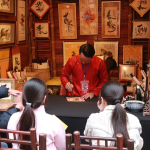
During the Lunar New Year, the temple becomes a vibrant hub for the “Calligraphy Festival.” Masters write auspicious characters in traditional ink for visitors seeking blessings. Furthermore, many students choose the Hanoi Temple of Literature as the backdrop for their graduation photos. Specifically, seeing young people in their traditional Ao Dai creates a beautiful bridge between the past and the present.
- Calligraphy Art: A traditional practice where scholars write meaningful words on red paper for good fortune.
- Graduation Photos: A modern tradition that honors the academic achievements of the city’s youth.
- Incense Rituals: Visitors can offer incense in the House of Ceremonies to show respect to Confucius and his disciples.
Indeed, these activities ensure that the spirit of the temple never fades into history. Transitioning from a historic monument to a vibrant cultural center, the site remains relevant to every generation. As a result, the Hanoi Temple of Literature is much more than a museum; it is the soul of Vietnam’s educational heritage. Ultimately, your visit will leave you with a profound appreciation for the nation’s intellectual journey.
Symbolic Landscaping and the Thien Quang Well
The layout of the Hanoi Temple of Literature is a masterpiece of symbolic landscaping, designed to inspire harmony between the mind and nature. In the center of the third courtyard lies the Thien Quang Well, also known as the “Well of Heavenly Clarity.” This square pond serves as a mirror, reflecting the sky and the surrounding ancient trees. In this section, we examine how the square shape of the well represents the earth, while the circular top of the pavilion represents the sky. Consequently, the entire space symbolizes the balance between heaven and earth.

As you walk around the well, you will notice the quiet beauty of the traditional red-tiled pathways. Furthermore, the lush greenery provides a cooling effect, even during the humid Hanoian summers. Therefore, the Hanoi Temple of Literature offers a sensory experience that calms the spirit. Specifically, the arrangement of the flora is intentional, featuring bonsai trees and ancient frangipanis that signify resilience and purity.
- Thien Quang Well: A symbolic pond that reflects the sky, representing clarity of thought.
- Bonsai Gardens: Meticulously shaped trees that represent the discipline required for scholarly success.
- Sacred Pathways: Symmetrical gates and walks that guide the visitor toward the highest halls of knowledge.
Indeed, the meticulous design ensures that every visitor feels a sense of order and peace. Transitioning from the open pond area to the shaded gardens, you can appreciate the architectural genius of the 11th century. As a result, the temple remains a sanctuary where one can escape the modern world. Therefore, understanding this symbolism adds a deeper layer to your cultural exploration.
Practical Tips for a Respectful Temple Visit
To truly enjoy your time at the Hanoi Temple of Literature, it is essential to follow local customs and etiquette. As this is a sacred and historic site, visitors are expected to dress modestly and behave with decorum. This final heading provides practical advice to help you navigate the complex with ease. You will learn about the best times to visit to avoid the crowds and how to interact with the site’s heritage respectfully. Specifically, we emphasize the importance of not touching the stone tortoises to preserve them for future generations.

The temple is most peaceful in the early morning or late afternoon when the sun casts a golden glow on the wooden beams. Furthermore, wearing clothing that covers the shoulders and knees is a sign of respect for the ancestors and scholars honored here. During your Hanoi Temple of Literature tour, you should also speak in low tones to maintain the serene atmosphere. Consequently, you will have a much more immersive and meaningful experience.
- Dress Code: Ensure shoulders and knees are covered; avoid hats when entering the inner sanctuary.
- Photography: While photos are encouraged, avoid using flash inside the House of Ceremonies.
- Respect the Artifacts: Do not climb on the monuments or touch the heads of the stone tortoises.
Indeed, following these simple rules allows everyone to appreciate the site’s beauty without distraction. Transitioning through the gates with a mindful attitude will help you connect with the ancient scholars who once walked these paths. Moreover, the entrance fee is modest, making it an accessible highlight for any budget. As a result, your visit to the Hanoi Temple of Literature will be both respectful and unforgettable. Ultimately, you will leave with a profound sense of Vietnam’s rich intellectual history.
Read for more information:
- https://abite.asia/hanoi-motorbike-tour-ride-through-hidden-streets-and-local-neighborhoods/
- https://abite.asia/hanoi-cooking-class-discover-vietnamese-recipes-with-local-market-visit/
- https://abite.asia/hanoi-old-quarter-lifestyle-a-deep-dive-into-local-soul/
At Abite.asia, we specialize in curated Vietnam tours for international travelers, ensuring an authentic and hassle-free experience. Let us take care of your journey so you can fully embrace the beauty of Vietnam. Contact us today at +84363770835 to start planning your adventure!


Leave a Reply