A Hanoi wet market morning tour offers one of the most authentic ways to experience the city’s everyday rhythm. While many travelers explore famous streets or historic landmarks, wet markets reveal a more intimate side of Hanoi. These lively spaces function as neighborhood centers where residents buy fresh food, exchange news, and begin their day.
In the early morning, the markets come alive with movement and sound. Vendors arrange vegetables on wooden tables. Fish sellers prepare their baskets beside ice trays. Shoppers move quickly between stalls, selecting ingredients for family meals. The atmosphere feels energetic yet familiar, shaped by habits repeated every day.
Unlike supermarkets, wet markets emphasize freshness and direct interaction. Buyers often know the vendors personally. Conversations happen naturally as people discuss seasonal produce or cooking tips. Through a Hanoi wet market morning tour, visitors can observe how food culture connects with social life and daily routines.
1. Why Morning Is the Best Time to Visit Hanoi’s Wet Markets
The morning hours reveal the most vibrant side of local markets. Fresh ingredients arrive before sunrise, and the busiest activity occurs during the early hours. This section explains why a Hanoi wet market morning tour offers a unique view into daily life.
The Freshest Ingredients of the Day
Wet markets depend on early supply chains. Farmers and distributors deliver produce, meat, and seafood before the city fully wakes up. As a result, the first hours of the morning showcase the freshest selection.
Visitors walking through the market may notice:
- Baskets of herbs such as cilantro, basil, and mint
- Fresh fish displayed on crushed ice
- Seasonal fruits stacked in colorful piles
- Vegetables harvested from nearby farms
These ingredients form the foundation of Vietnamese cooking. Seeing them in their raw state helps travelers understand how local dishes begin.
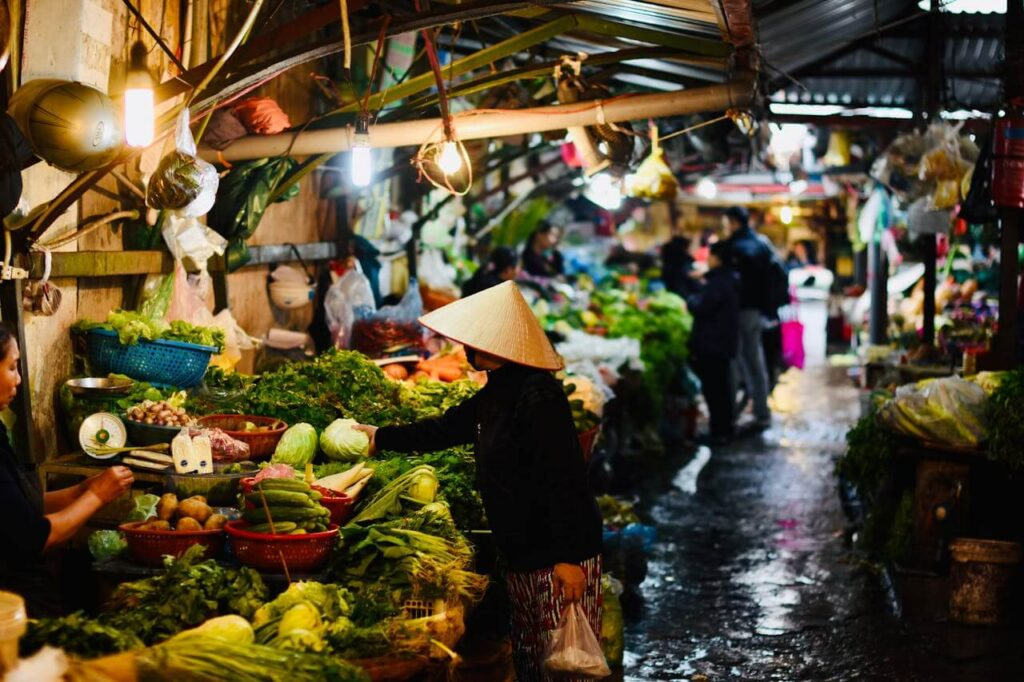
Early morning activity at a Hanoi wet market
A Social Space for the Neighborhood
Wet markets are more than shopping locations. They function as informal meeting places where neighbors greet each other and exchange small conversations. Shoppers often visit the same vendors every day, creating long-term relationships.
Common scenes during the morning include:
- Residents chatting while selecting vegetables
- Vendors calling out friendly greetings to regular customers
- Families shopping together before breakfast
- Elderly locals slowly walking through familiar stalls
This lively social environment reveals how community life continues through everyday routines.
A Window into Vietnamese Food Culture
Because cooking remains central to Vietnamese households, markets play an important role in shaping daily meals. People prefer to buy fresh ingredients rather than store food for long periods. This habit explains why markets operate most actively in the early morning.
During a Hanoi wet market morning tour, travelers may observe how locals carefully select ingredients. They smell herbs, inspect fish, and negotiate prices with vendors. These small interactions illustrate the attention and care that Vietnamese cooking traditions require.
Through this experience, the wet market becomes more than a place of commerce. It becomes a living expression of Hanoi’s food culture and community spirit.
2. Discovering Ingredients and Local Food Traditions
A Hanoi wet market morning tour does more than introduce visitors to fresh ingredients. It reveals how food traditions connect with daily habits and local knowledge. Every stall in the market tells a small story about Vietnamese cooking. Vendors organize herbs, vegetables, and meats according to how they are used in traditional dishes. As a result, walking through the market feels like exploring the beginning of many Vietnamese recipes.
Markets in Hanoi also reflect the season. Certain fruits, vegetables, and herbs appear only during specific months. Because of this seasonal rhythm, local shoppers often adjust their cooking based on what the market offers each morning. Observing these patterns helps travelers understand how closely Vietnamese cuisine relates to nature and agriculture.
A Colorful Variety of Ingredients
The first impression of the market often comes from the vibrant colors and aromas of fresh food. Green herbs, bright red chilies, and golden tropical fruits create a lively visual scene. Vendors display ingredients carefully so that shoppers can easily see their quality.
Common ingredients found during a Hanoi wet market morning tour include:
- Fresh herbs such as basil, mint, cilantro, and Vietnamese coriander
- Seasonal vegetables like morning glory, cabbage, and green papaya
- Fresh fish and seafood brought from nearby rivers or coastal areas
- Tofu, noodles, and fermented sauces used in traditional dishes
These ingredients form the foundation of many Vietnamese meals. By seeing them in the market, visitors gain a deeper understanding of how dishes like pho, bun cha, or spring rolls begin.
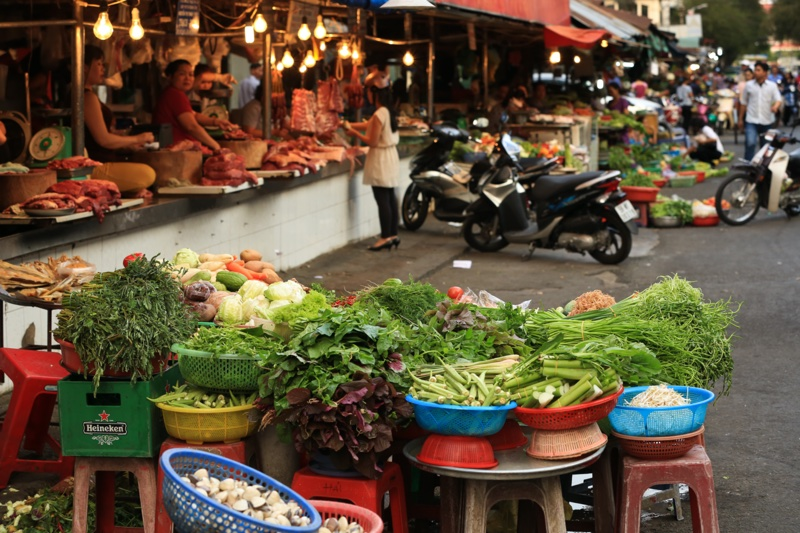
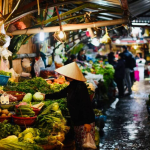
Fresh herbs and vegetables at Hanoi wet market
The Knowledge of Market Vendors
Market vendors hold valuable knowledge about food preparation and ingredient quality. Many of them have worked in the same market for decades. Because of this experience, they often know exactly which ingredients work best for specific dishes.
Shoppers frequently ask vendors for advice before cooking. For example, someone preparing soup might ask which herbs taste freshest that day. Vendors may also recommend alternative ingredients depending on what is available.
Typical interactions at the market include:
- Vendors explaining how to prepare certain vegetables
- Customers discussing recipes while choosing ingredients
- Friendly bargaining that reflects long-term relationships
- Regular buyers greeting vendors by name
These conversations create a lively atmosphere and show how markets function as both commercial and social spaces.
Connecting Food with Daily Life
Food in Hanoi is not only about taste. It reflects routine, family habits, and cultural identity. Many households cook fresh meals every day, which explains why markets remain active every morning. Ingredients purchased at sunrise often appear on dining tables just a few hours later.
During a Hanoi wet market morning tour, travelers witness this connection between market and kitchen. The journey through the stalls reveals how Vietnamese cuisine begins with fresh ingredients, local knowledge, and daily tradition.
2. Discovering Ingredients and Local Food Traditions
A Hanoi wet market morning tour does more than introduce visitors to fresh ingredients. It reveals how food traditions connect with daily habits and local knowledge. Every stall in the market tells a small story about Vietnamese cooking. Vendors organize herbs, vegetables, and meats according to how they are used in traditional dishes. As a result, walking through the market feels like exploring the beginning of many Vietnamese recipes.
Markets in Hanoi also reflect the season. Certain fruits, vegetables, and herbs appear only during specific months. Because of this seasonal rhythm, local shoppers often adjust their cooking based on what the market offers each morning. Observing these patterns helps travelers understand how closely Vietnamese cuisine relates to nature and agriculture.
A Colorful Variety of Ingredients
The first impression of the market often comes from the vibrant colors and aromas of fresh food. Green herbs, bright red chilies, and golden tropical fruits create a lively visual scene. Vendors display ingredients carefully so that shoppers can easily see their quality.
Common ingredients found during a Hanoi wet market morning tour include:
- Fresh herbs such as basil, mint, cilantro, and Vietnamese coriander
- Seasonal vegetables like morning glory, cabbage, and green papaya
- Fresh fish and seafood brought from nearby rivers or coastal areas
- Tofu, noodles, and fermented sauces used in traditional dishes
These ingredients form the foundation of many Vietnamese meals. By seeing them in the market, visitors gain a deeper understanding of how dishes like pho, bun cha, or spring rolls begin.
The Knowledge of Market Vendors
Market vendors hold valuable knowledge about food preparation and ingredient quality. Many of them have worked in the same market for decades. Because of this experience, they often know exactly which ingredients work best for specific dishes.
Shoppers frequently ask vendors for advice before cooking. For example, someone preparing soup might ask which herbs taste freshest that day. Vendors may also recommend alternative ingredients depending on what is available.
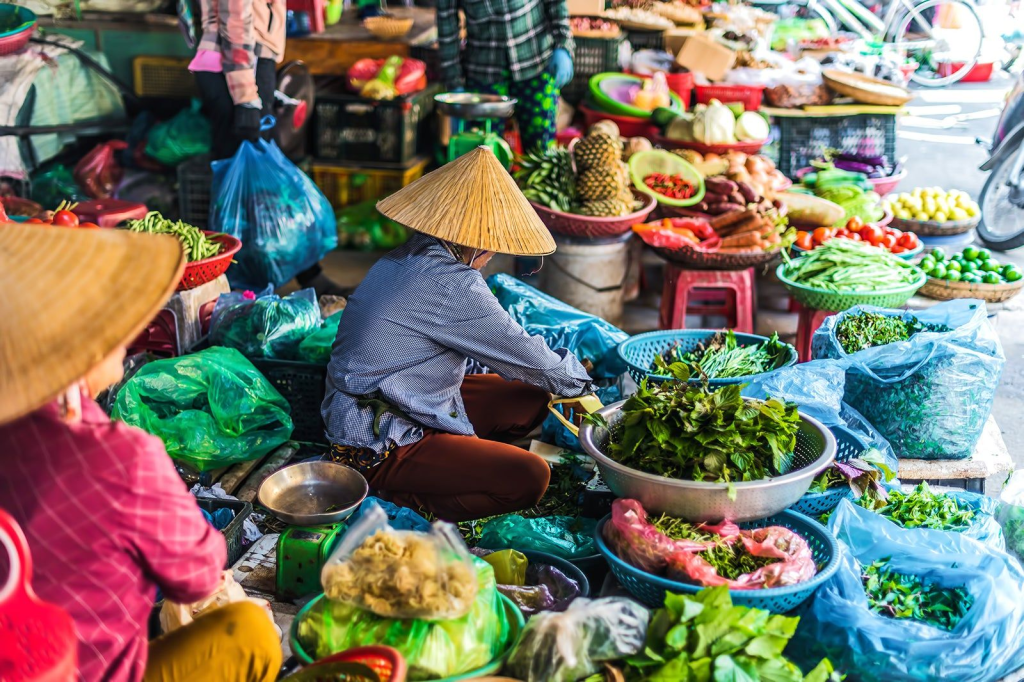
Fresh herbs and vegetables at Hanoi wet market
Typical interactions at the market include:
- Vendors explaining how to prepare certain vegetables
- Customers discussing recipes while choosing ingredients
- Friendly bargaining that reflects long-term relationships
- Regular buyers greeting vendors by name
These conversations create a lively atmosphere and show how markets function as both commercial and social spaces.
Connecting Food with Daily Life
Food in Hanoi is not only about taste. It reflects routine, family habits, and cultural identity. Many households cook fresh meals every day, which explains why markets remain active every morning. Ingredients purchased at sunrise often appear on dining tables just a few hours later.
During a Hanoi wet market morning tour, travelers witness this connection between market and kitchen. The journey through the stalls reveals how Vietnamese cuisine begins with fresh ingredients, local knowledge, and daily tradition.
4. Tips for Enjoying a Hanoi Wet Market Morning Tour
Exploring a market in the early morning can feel exciting and slightly overwhelming at first. However, with a few simple preparations, visitors can enjoy a Hanoi wet market morning tour comfortably and respectfully. Wet markets operate with their own rhythm, and understanding that rhythm helps travelers appreciate the experience rather than feel rushed.
Unlike organized tourist attractions, markets remain active working environments. Vendors prepare food, customers shop quickly, and deliveries arrive continuously. Therefore, observing carefully and moving thoughtfully allows visitors to blend naturally into the atmosphere.
Arrive Early to Experience the Market at Its Best
Timing greatly influences the market experience. Most wet markets begin activity before sunrise, and the busiest period usually occurs between 6:00 and 8:30 in the morning.
During these hours, visitors will notice:
- The widest selection of fresh ingredients
- Vendors actively arranging their stalls
- Locals shopping before starting their workday
- A lively yet authentic morning atmosphere
Arriving early also allows travelers to observe the market before crowds grow too large.
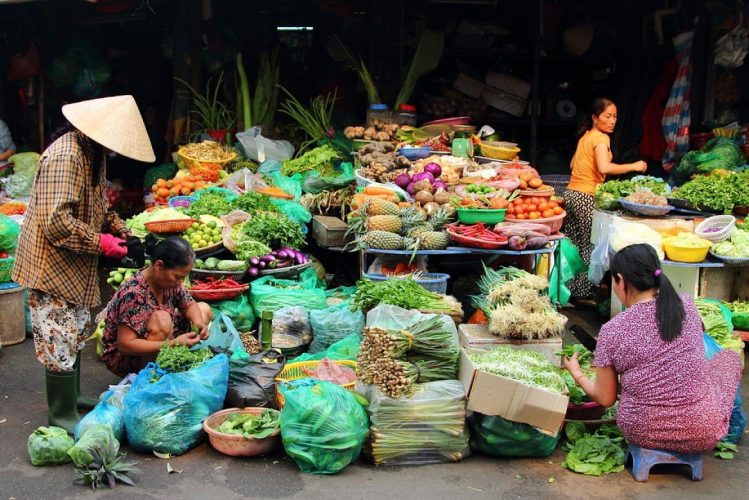
Local shoppers buying food at Hanoi traditional market
Move Slowly and Observe Carefully
Markets can appear chaotic at first glance. Narrow aisles, scooters, and busy vendors create constant movement. However, slowing down helps visitors notice details that reveal the market’s character.
Travelers on a Hanoi wet market morning tour can enrich the experience by:
- Watching how vendors prepare and display ingredients
- Listening to conversations between locals and sellers
- Noticing how shoppers select herbs, fish, or vegetables
- Observing the rhythm of transactions and interactions
These observations help visitors understand the deeper cultural context of the market.
Respect the Working Environment
Wet markets remain important workplaces for many families. Vendors often begin their day very early, and the market represents their primary source of income. Respectful behavior helps maintain a positive atmosphere for everyone.
Visitors should remember to:
- Avoid blocking narrow pathways while taking photos
- Ask permission before photographing vendors
- Keep voices low in crowded areas
- Move aside when vendors transport goods through the aisles
These small gestures show appreciation for the people who keep the market running each day.
Embrace the Experience as Part of Local Life
A Hanoi wet market morning tour is not designed as a performance for tourists. Instead, it reflects authentic daily routines that have existed for generations. By approaching the market with curiosity and patience, visitors can experience a genuine side of Hanoi that many travelers overlook.
Through the colors of fresh produce, the sounds of morning conversations, and the steady rhythm of buying and selling, the wet market reveals the real pulse of daily life in the city.
Read for more information:
- https://abite.asia/hanoi-city-tour-history-culture-and-architecture-highlights/
- https://abite.asia/hanoi-motorbike-tour-ride-through-hidden-streets-and-local-neighborhoods/
At Abite.asia, we specialize in curated Vietnam tours for international travelers, ensuring an authentic and hassle-free experience. Let us take care of your journey so you can fully embrace the beauty of Vietnam. Contact us today at +84363770835 to start planning your adventure!


Leave a Reply