
Hanoi French Quarter architecture offers a sophisticated contrast to the ancient soul of the Old Quarter. This district is famous for its grand boulevards, yellow-walled villas, and elegant cultural institutions. Readers will discover the unique “Indochina Style,” which blends European design with local tropical adaptations. By exploring these streets, you will witness the historic intersection of two different cultures. Join us in 2026 to admire the architectural masterpieces that earned Hanoi the title “Paris of the East.”
The Grandeur of the Hanoi Opera House
The most iconic example of Hanoi French Quarter architecture is undoubtedly the Hanoi Opera House. Built in the early 20th century, this building was modeled after the Palais Garnier in Paris. In this section, we explore its Neo-Baroque design and its role as a cultural heart for the capital. Specifically, the theater features ornate balconies, marble pillars, and crystal chandeliers. Consequently, it stands as a testament to the artistic ambition of a bygone era.
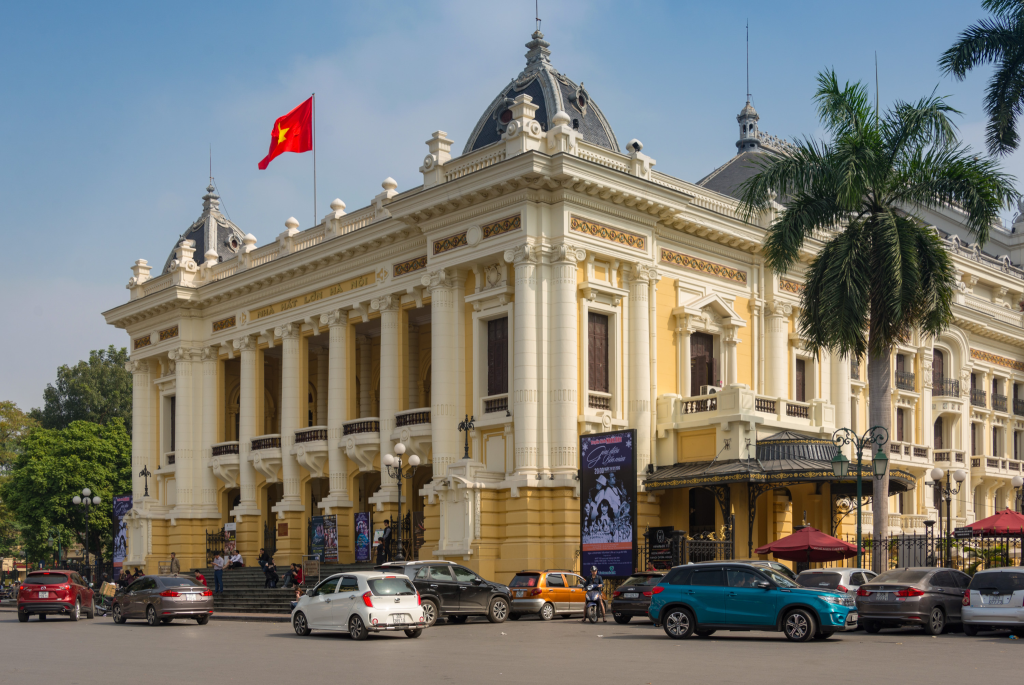
- Neo-Baroque Style: Characterized by theatrical grandeur and intricate decorative elements.
- Cultural Hub: Still hosts world-class performances, ballets, and traditional Vietnamese music.
- Visual Identity: The bright yellow exterior and white columns are a photographer’s dream.
Indeed, the building is not just a monument but a living stage. During your tour of Hanoi French Quarter architecture, you will notice how it dominates the surrounding square. Furthermore, the interior acoustics are carefully designed for the human voice. Therefore, attending a show here is a multisensory experience. Transitioning from the busy streets into this grand hall feels like stepping back into 1911. As a result, the Opera House remains the crowning jewel of the city’s colonial heritage.
The Legend of the Sofitel Legend Metropole Hanoi
No exploration of Hanoi French Quarter architecture is complete without visiting the Sofitel Legend Metropole Hanoi. This historic hotel has welcomed famous writers, actors, and world leaders since 1901. This heading examines its classic white facade and the “Indochina” wing, which radiates luxury and nostalgia. You will learn about its underground bunkers and the stories of the people who stayed here. Specifically, the hotel reflects the high-society lifestyle of early 20th-century Hanoi.
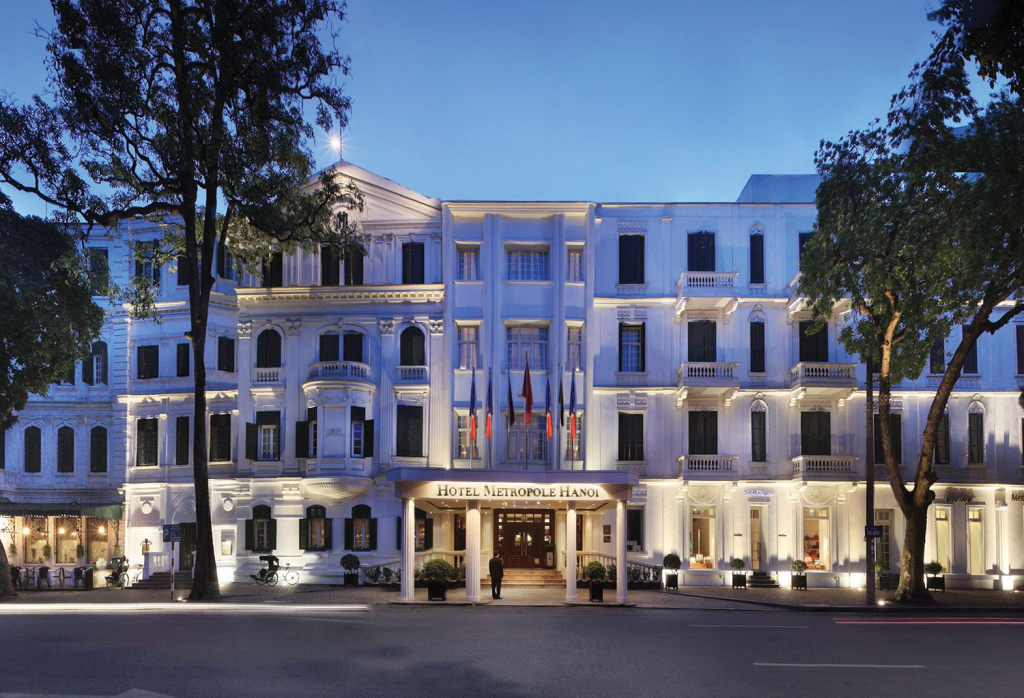
- Colonial Luxury: Featuring classic French shutters and dark wood interiors.
- Historic Significance: A meeting place for journalists and diplomats during critical eras.
- Preserved History: Home to a war-era bunker that was rediscovered and opened to guests.
Consequently, the Metropole is more than a hotel; it is a time capsule. Furthermore, the lush courtyards provide a peaceful escape from the urban hustle. Therefore, walking through its corridors offers a deep sense of the Hanoi French Quarter architecture spirit. Most importantly, the hotel demonstrates how historic buildings can be modernized without losing their charm. Every corner tells a story of elegance and survival.
Indochina Style: Adapting European Design to the Tropics
The true genius of Hanoi French Quarter architecture lies in its ability to adapt to the local climate. Architects quickly realized that pure French designs were too hot for the Vietnamese humidity. This section explains the birth of the Indochina Style, which added balconies, high ceilings, and deep eaves to colonial buildings. Specifically, these features allowed for better air circulation and protection from heavy rains. As a result, the buildings became both beautiful and practical for tropical living.
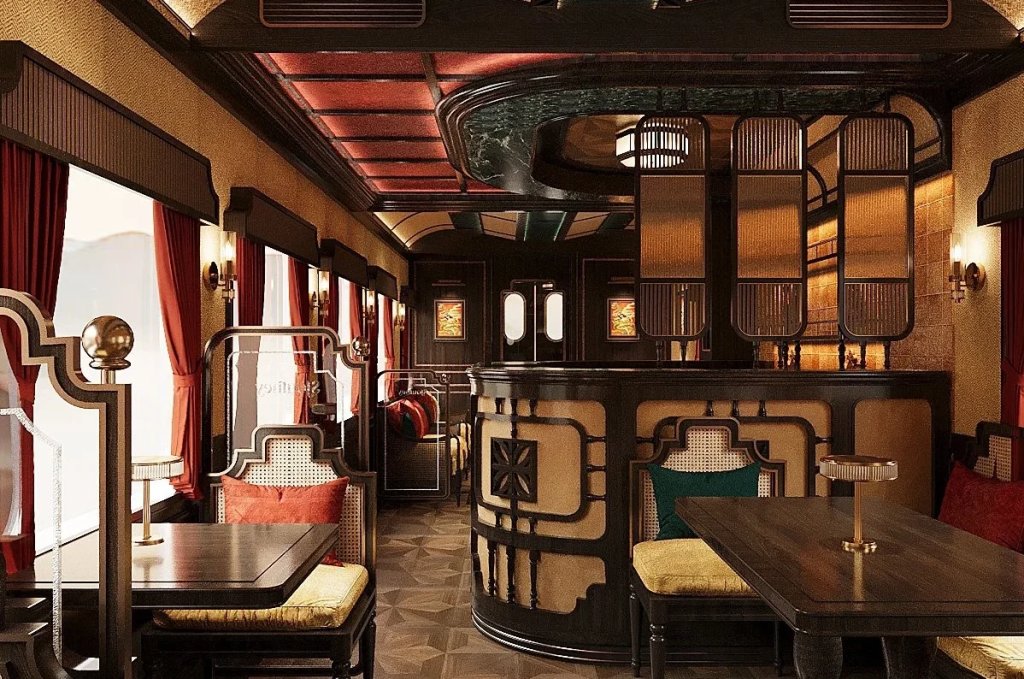
- High Ceilings: Designed to trap warm air and keep the living spaces cool.
- Deep Eaves: Protect the walls from the intense sun and tropical downpours.
- Decorative Motifs: Use of local symbols like dragons or flowers in European moldings.
Indeed, this hybrid style is what makes Hanoi French Quarter architecture truly unique. For instance, the State Bank of Vietnam showcases Art Deco influence combined with Asian decorative patterns. Transitioning through the leafy boulevards, you can see these details on every yellow villa. Therefore, this district is a masterpiece of early urban planning. It shows that architecture is most successful when it respects the environment and its local context.
The Enduring Legacy of Long Bien Bridge
A remarkable feat associated with Hanoi French Quarter architecture is the legendary Long Bien Bridge. Designed by the famous Eiffel company, this iron structure was once the longest bridge in Indochina. This section explores its industrial aesthetic and its role as a vital link across the Red River. Specifically, the bridge symbolizes the resilience of the city through multiple conflicts. Consequently, it remains a powerful icon of history and engineering.
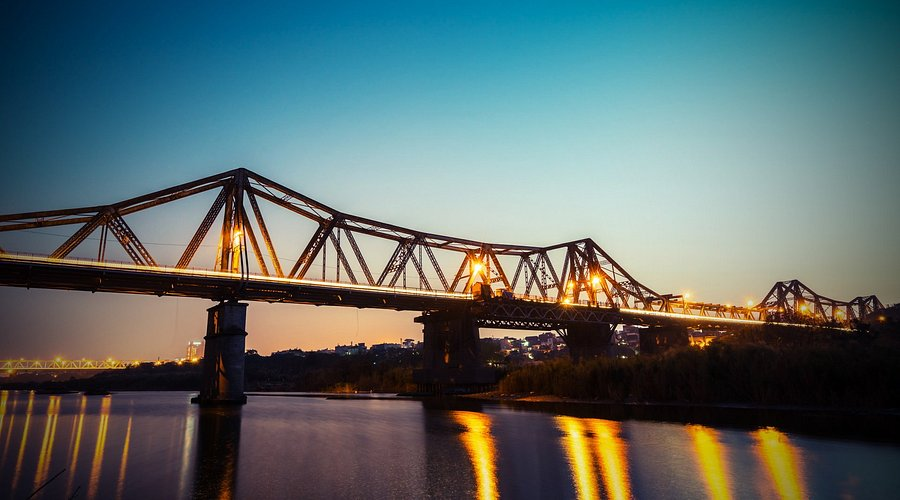
- Industrial Design: Characterized by complex iron lattices and a unique rhythmic structure.
- Historical Witness: Survived many eras, standing as a bridge between the past and present.
- Photographic Value: Offers breathtaking views of the river and the urban skyline at sunset.
Indeed, the bridge is a living monument that still carries trains and motorbikes every day. During your exploration of Hanoi French Quarter architecture, walking across this bridge provides a raw, industrial perspective. Furthermore, the contrast between its rusted iron and the green banana plantations below is striking. Therefore, it serves as a perfect ending to a tour of colonial landmarks. Transitioning from the elegant Opera House to this rugged bridge, you feel the full spectrum of the city’s heritage.
Preserving the Yellow Villas for Modern Use
The final aspect of Hanoi French Quarter architecture involves the preservation of hundreds of yellow-walled villas. These buildings originally served as private residences for officials and wealthy families. Today, many have been transformed into government offices, embassies, and high-end restaurants. This heading describes the ongoing efforts to maintain these historic structures amidst rapid urban development. Specifically, we look at how adaptive reuse keeps the spirit of the district alive in 2026.
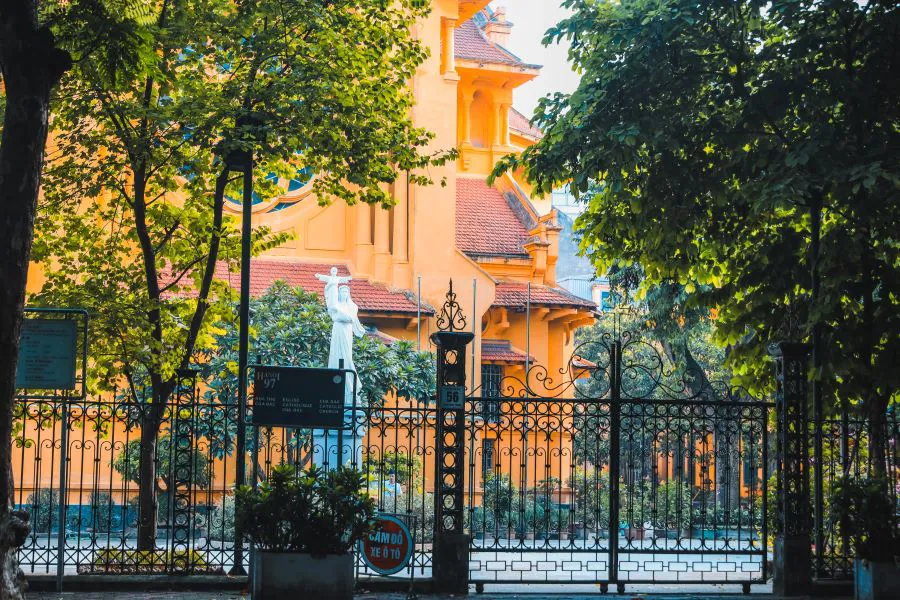
- Adaptive Reuse: Converting old homes into functional modern spaces like boutiques or galleries.
- Signature Aesthetic: The iconic “Hanoi yellow” paint and green shutters remain a visual trademark.
- Heritage Protection: Strict regulations help prevent the destruction of these valuable architectural assets.
Consequently, the district retains its sophisticated charm and historical integrity. Furthermore, these villas provide a cooling microclimate thanks to their thick walls and surrounding gardens. Therefore, they are not just relics but valuable parts of a sustainable urban environment. Most importantly, the preservation of Hanoi French Quarter architecture allows future generations to connect with their complex history. As a result, the “Paris of the East” continues to inspire architects and travelers alike. Ultimately, these yellow walls are the silent storytellers of Hanoi’s enduring soul.
Read for more information:
- https://abite.asia/ho-chi-minh-mausoleum-complex-a-journey-into-vietnams-modern-history/
- https://abite.asia/hanoi-temple-of-literature-discover-vietnams-first-national-university/
- https://abite.asia/hanoi-city-tour-history-culture-and-architecture-highlights/
At Abite.asia, we specialize in curated Vietnam tours for international travelers, ensuring an authentic and hassle-free experience. Let us take care of your journey so you can fully embrace the beauty of Vietnam. Contact us today at +84363770835 to start planning your adventure!


Leave a Reply