
Spring in Hanoi brings a gentle change to the city’s atmosphere. The weather becomes warmer, flowers begin to bloom, and daily life slowly moves outdoors again after the cool winter months. During this season, local cuisine also shifts toward lighter, fresher flavors that suit the mild climate. Experiencing Hanoi street food for spring is therefore not only about eating delicious dishes but also about understanding how seasonal ingredients influence the city’s culinary traditions.
Across Hanoi’s streets, small food stalls begin serving dishes that feel refreshing rather than heavy. Many meals include fresh herbs, light broths, and delicate rice-based ingredients. As a result, the spring menu often feels balanced and healthy while still carrying the rich flavors that Vietnamese cuisine is known for.
Travelers exploring Hanoi during this season will notice that food vendors become active early in the morning and remain busy until late evening. Streets around the Old Quarter, local markets, and residential neighborhoods transform into lively food spaces where locals gather for quick meals or casual conversations.
Exploring Hanoi street food for spring offers visitors a deeper cultural experience. Food reflects not only taste but also climate, tradition, and daily lifestyle. Spring dishes highlight freshness, balance, and harmony—values that appear throughout Vietnamese culinary philosophy.
1. Seasonal Flavors that Define Hanoi’s Spring Cuisine
Spring dishes in Hanoi tend to focus on fresh ingredients and clean flavors. Unlike heavier winter meals, many spring recipes rely on herbs, vegetables, and light broths that feel refreshing during warmer days. Understanding these seasonal changes helps visitors appreciate the unique character of Hanoi street food for spring.
This section explores the ingredients and cooking styles that shape Hanoi’s springtime street food culture.
Fresh Herbs and Light Ingredients
One defining feature of spring cuisine in Hanoi is the generous use of fresh herbs. Vendors often serve large plates of herbs alongside main dishes, allowing diners to adjust flavors to their preference.
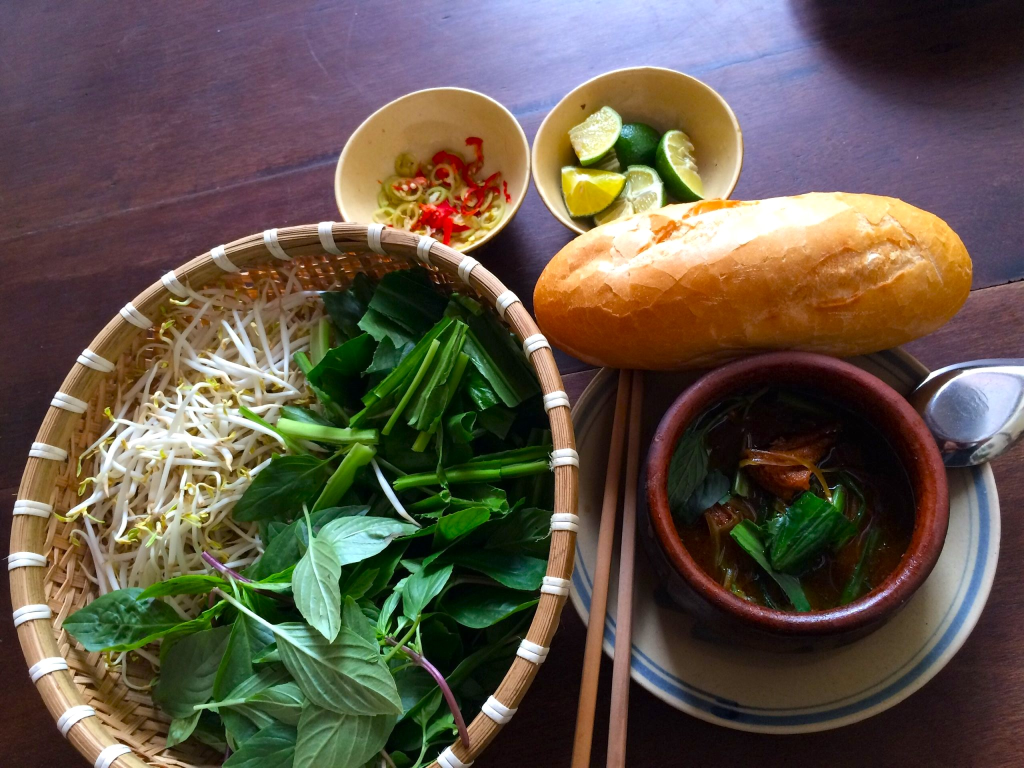
Fresh herbs served with Hanoi street food dishes
Common herbs used in spring street food include:
- Thai basil for fragrance and freshness
- Perilla leaves that add a slightly spicy flavor
- Vietnamese coriander for a bright herbal taste
- Mint leaves that create a cooling effect
These herbs not only enhance flavor but also reflect the importance of balance in Vietnamese cooking.
Rice-Based Dishes Perfect for Warm Weather
Rice remains a core ingredient in Vietnamese cuisine, and many spring dishes use rice noodles or rice paper. These ingredients feel light while still providing enough energy for daily activities.
Popular rice-based street foods include:
- Bún (rice vermicelli) served with grilled meats or fresh vegetables
- Phở, a fragrant noodle soup that remains a favorite year-round
- Bánh cuốn, delicate steamed rice rolls filled with minced pork and mushrooms
Because these meals are simple yet flavorful, they perfectly represent the spirit of Hanoi street food for spring.
A Balance of Flavor and Freshness
Vietnamese cuisine often focuses on balancing different taste elements. Spring dishes highlight this philosophy clearly through the combination of herbs, sauces, and fresh ingredients.
Typical flavor elements include:
- Light fish sauce mixed with lime and chili
- Fresh vegetables that add texture and color
- Mild broths that feel comforting but not heavy
- Aromatic herbs that enhance every bite
Together, these elements create meals that feel refreshing and satisfying. Through these flavors, Hanoi street food for spring captures the essence of the season while celebrating the city’s rich culinary traditions.
2. Popular Spring Street Food Dishes in Hanoi
Spring is one of the best seasons to explore the variety of dishes that represent Hanoi street food for spring. During this time, vendors often prepare meals that feel refreshing yet satisfying. The ingredients remain simple, but the combination of herbs, light broths, and balanced sauces creates dishes that perfectly suit the mild weather.
Walking through the Old Quarter or local neighborhoods, visitors quickly notice how food stalls adapt their menus for the season. Many dishes highlight freshness rather than heaviness, making them ideal for a warm afternoon or a relaxed evening meal.
Bún Chả – A Light but Flavorful Classic
One of the most popular dishes enjoyed during spring is bún chả, a famous Hanoi specialty. The dish consists of grilled pork served with rice vermicelli noodles, fresh herbs, and a light dipping sauce made from fish sauce, vinegar, sugar, and chili.
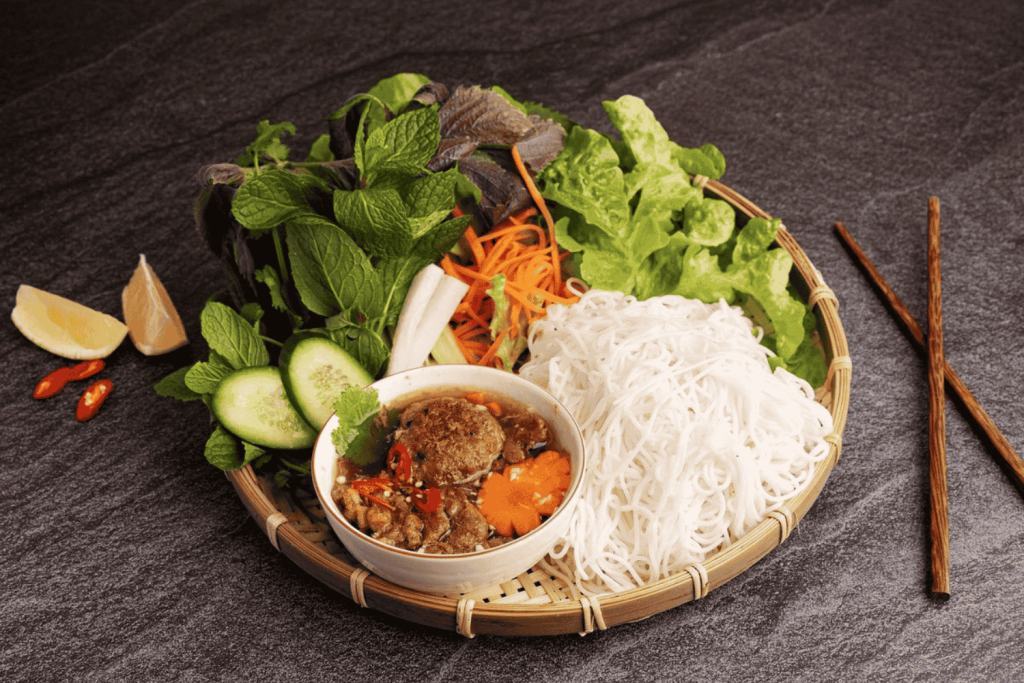
Bun cha grilled pork noodles Hanoi street food
The combination feels refreshing because the ingredients remain simple and well balanced.
Key components of bún chả include:
- Thin rice vermicelli noodles (bún)
- Grilled pork patties and slices of pork belly
- Fresh herbs such as lettuce, mint, and perilla leaves
- A slightly sweet and sour dipping sauce
Because the dish includes many fresh vegetables and herbs, it represents the essence of Hanoi street food for spring.
Bánh Cuốn – Delicate Steamed Rice Rolls
Another dish that fits perfectly with the spring season is bánh cuốn. These thin steamed rice rolls are filled with minced pork and mushrooms, then topped with fried shallots and served with dipping sauce. Vendors often prepare bánh cuốn early in the morning, making it a popular breakfast choice.
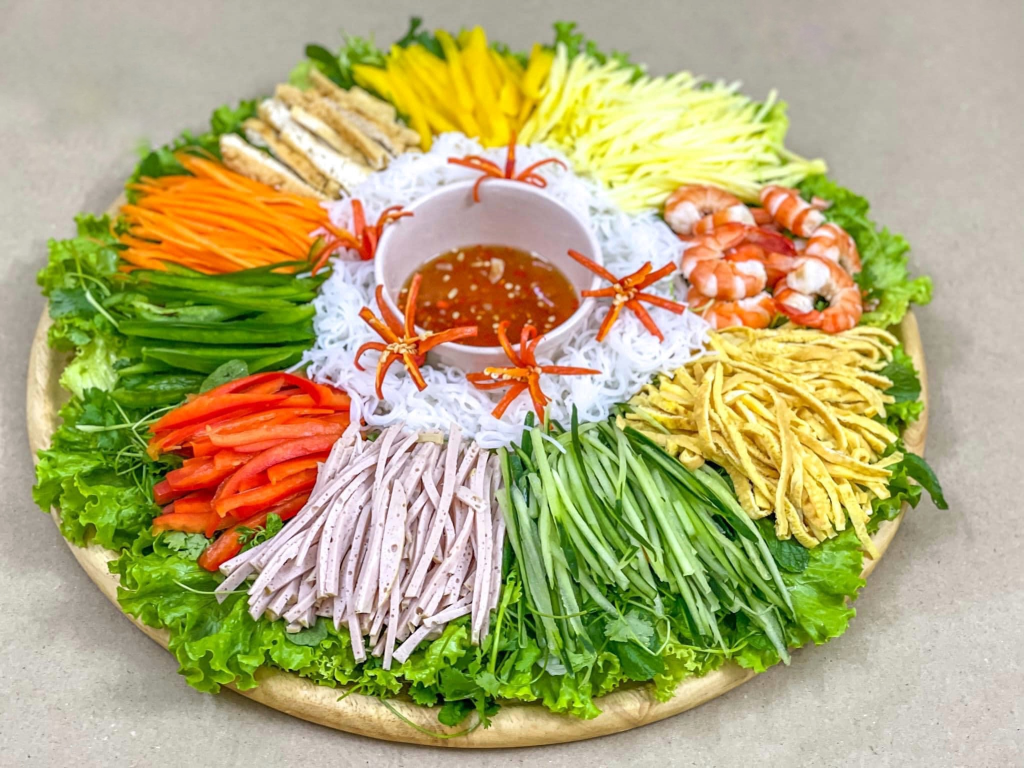
Banh cuon steamed rice rolls Hanoi street food
Typical characteristics of bánh cuốn include:
- Soft and delicate rice sheets
- Light savory filling made from pork and wood ear mushrooms
- Crispy fried shallots for extra texture
- A small bowl of fish sauce mixed with herbs
Because the dish feels gentle and light, it matches the fresh atmosphere of Hanoi’s spring mornings.
Phở – A Comforting Yet Balanced Bowl
Although phở is famous throughout the year, many locals still enjoy it during spring because of its warm but not overly heavy broth. A bowl of phở combines rice noodles, aromatic herbs, and slowly simmered broth that carries deep flavor without feeling too rich.
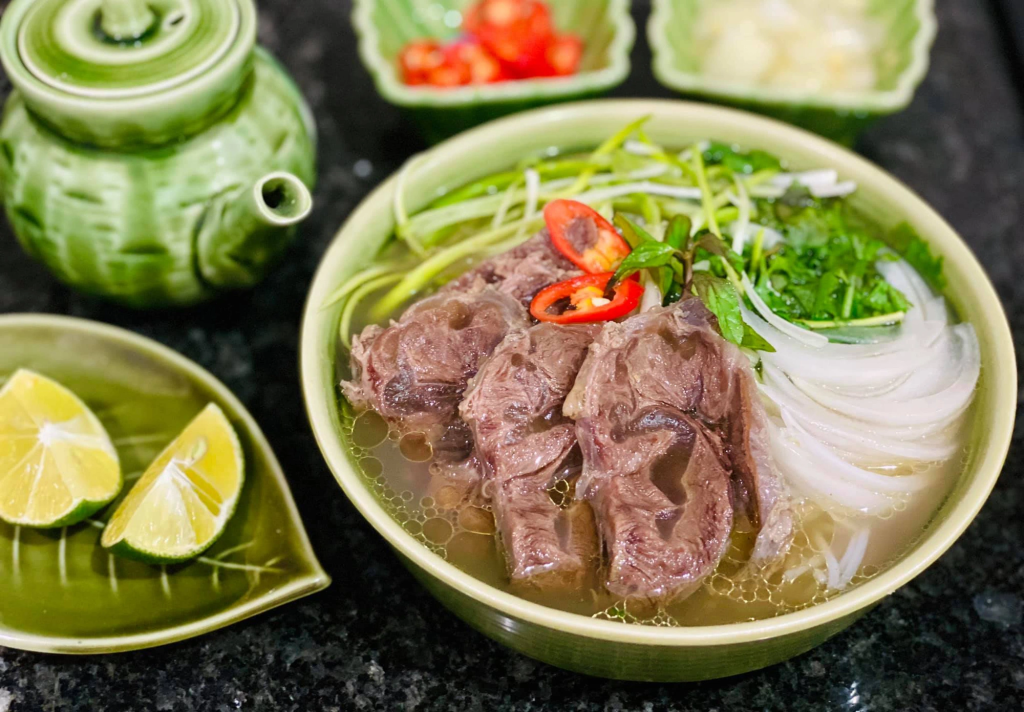
Common elements of phở include:
- Tender slices of beef or chicken
- Fresh herbs such as cilantro and green onions
- Lime, chili, and bean sprouts served on the side
- A fragrant broth cooked for many hours
Together, these dishes highlight the diversity of Hanoi street food for spring. Each meal offers a different combination of flavor, texture, and freshness, allowing visitors to explore the seasonal culinary identity of the city.
3. Where to Find the Best Spring Street Food in Hanoi
Experiencing Hanoi street food for spring is not only about choosing the right dishes. It is also about knowing where to explore the city’s vibrant food scene. Hanoi offers many neighborhoods where street food culture thrives, especially during the pleasant spring months. As the weather becomes mild and comfortable, more people gather outdoors to enjoy meals with friends, family, or colleagues.
Some areas of the city are particularly famous for their lively food atmosphere. These locations combine traditional vendors, small family-run eateries, and bustling local markets. Exploring them allows visitors to taste a wide range of seasonal dishes while observing the daily rhythm of Hanoi life.
The Old Quarter – The Heart of Street Food Culture
The Old Quarter remains the most iconic place to discover Hanoi’s street food traditions. Narrow streets are filled with vendors selling noodles, grilled meats, and small snacks from early morning until late evening.
Walking through this district, travelers can easily find dishes that represent Hanoi street food for spring.
Common street food experiences in the Old Quarter include:
- Small sidewalk stalls selling bowls of bún or phở
- Vendors grilling pork for bún chả on charcoal stoves
- Street carts offering fresh herbs and vegetables
- Plastic stools placed along the sidewalk for quick meals
The lively environment allows visitors to experience both food and local culture at the same time.
Local Markets and Neighborhood Food Streets
Beyond the Old Quarter, many local markets offer excellent opportunities to explore seasonal dishes. These markets attract nearby residents who come to buy fresh ingredients or enjoy quick meals during the day.
Several markets become small street food hubs in the morning and evening.
Typical scenes around market food areas include:
- Vendors preparing fresh bánh cuốn or noodle dishes
- Small breakfast stalls serving hot bowls of soup
- Families stopping by for a quick meal before work
- Locals chatting while sharing street food on low stools
Because these places focus mainly on local customers, the atmosphere often feels authentic and relaxed.
Lakeside Food Streets for Spring Evenings
During spring evenings, many people prefer to eat near Hanoi’s lakes where the air feels cooler and more comfortable. Food streets around areas like West Lake or Hoan Kiem Lake become popular gathering spots.
Visitors may notice several enjoyable features:
- Open-air seating with views of the water
- Street vendors selling grilled snacks and noodles
- Groups of friends sharing meals outdoors
- A calm atmosphere compared to busy daytime streets
These lakeside locations offer a pleasant setting to enjoy Hanoi street food for spring while observing the gentle rhythm of the city.
Exploring different neighborhoods helps visitors understand how street food connects with everyday life in Hanoi. Each area provides its own atmosphere, flavors, and cultural details, making the culinary journey through the city both diverse and memorable.
4. How to Enjoy Hanoi Street Food in Spring Like a Local
Experiencing Hanoi street food for spring becomes much more enjoyable when travelers understand how locals approach street dining. Food in Hanoi is not only about taste. It is also about rhythm, habits, and social interaction. During spring, when the weather feels comfortable and fresh, many residents spend more time eating outdoors and gathering around small street stalls.
This section explores practical tips and cultural insights that help visitors enjoy street food in the same relaxed way as locals.
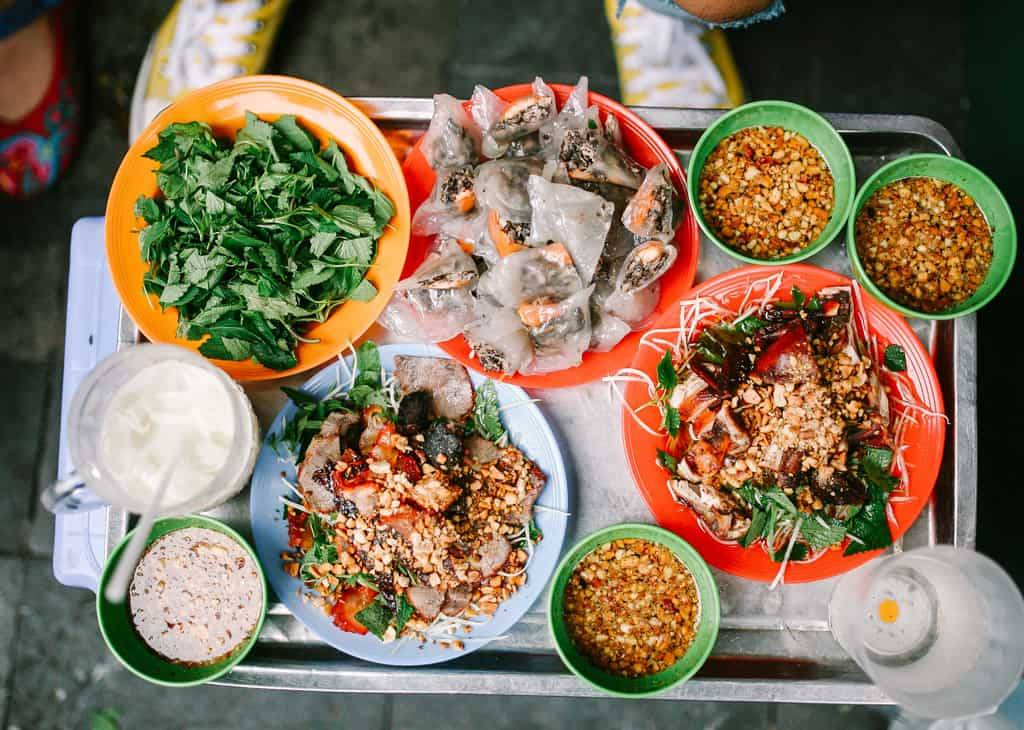
Eat at the Right Time of Day
Street food in Hanoi follows a natural schedule. Some dishes appear early in the morning, while others become popular in the evening. Knowing when to visit certain food stalls helps travelers experience the best flavors.
Typical street food timing in Hanoi includes:
- Early morning: bánh cuốn, phở, and light noodle soups
- Midday: bún dishes or grilled pork meals
- Afternoon: small snacks and sweet desserts
- Evening: grilled foods and lively street food stalls
Spring weather makes outdoor dining comfortable throughout the day. As a result, many locals enjoy longer meals on sidewalks or near parks and lakes.
Observe How Locals Order and Eat
Street food culture in Hanoi may feel different for first-time visitors. Many stalls are small and informal. However, watching how locals behave quickly helps travelers feel more confident.
Some useful observations include:
- Locals often sit on small plastic stools close to the street
- Meals are served quickly because vendors prepare dishes continuously
- Diners usually share herbs, sauces, and condiments placed on the table
- Payment often happens after finishing the meal
Following these simple habits allows visitors to blend naturally into the environment.
Try a Variety of Small Dishes
Another important part of enjoying Hanoi street food for spring is tasting several dishes rather than focusing on one large meal. Locals frequently move between different stalls to try multiple foods.
Popular spring street food combinations may include:
- A bowl of phở for breakfast
- Bún chả or a noodle dish for lunch
- Fresh fruit or sweet desserts in the afternoon
- Grilled snacks or light street meals in the evening
This approach turns food exploration into a culinary journey through the city.
By embracing local habits and seasonal flavors, travelers can fully appreciate Hanoi street food for spring. The experience becomes more than simply eating. Instead, it reveals how food connects people, culture, and everyday life in Hanoi’s lively streets.
Read for more information:
- https://abite.asia/hanoi-early-morning-flower-market-a-3am-sensory-journey/
- https://abite.asia/hanoi-city-tour-history-culture-and-architecture-highlights/
- https://abite.asia/hanoi-food-tour-best-street-food-local-eats-in-the-old-quarter/
At Abite.asia, we specialize in curated Vietnam tours for international travelers, ensuring an authentic and hassle-free experience. Let us take care of your journey so you can fully embrace the beauty of Vietnam. Contact us today at +84363770835 to start planning your adventure!






Leave a Reply