Ba Be Lake is one of northern Vietnam’s most peaceful natural destinations, known for its calm freshwater scenery, limestone mountains, caves, rivers, forests, and traditional ethnic villages. Located inside Ba Be National Park in Bac Kan Province, the lake offers a slower and quieter travel experience compared with Vietnam’s busier tourist routes.
A journey to Ba Be Lake usually includes a scenic boat trip across still water, visits to caves or waterfalls, and time in Tay villages near the lakeshore. The landscape feels deeply relaxing, with forested mountains reflected on the water and small local boats moving through quiet waterways.
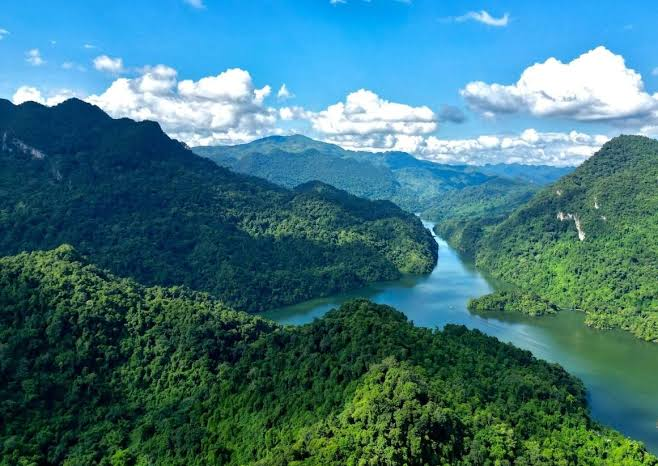
Boat Trip on Ba Be Lake in Bac Kan Province. Picture: Internet.
For travelers who enjoy nature, photography, local culture, and less crowded destinations, Ba Be is a rewarding escape into northern Vietnam’s hidden beauty. It is especially suitable for those who want to experience a natural paradise beyond the familiar routes of Hanoi, Ha Long Bay, and Ninh Binh.
1. Why Visit Ba Be Lake
Ba Be Lake is a great choice for travelers who want to discover a quieter side of northern Vietnam. Instead of crowded viewpoints or fast-paced sightseeing, the lake offers calm water, forested mountains, local villages, and a peaceful atmosphere that encourages visitors to slow down.
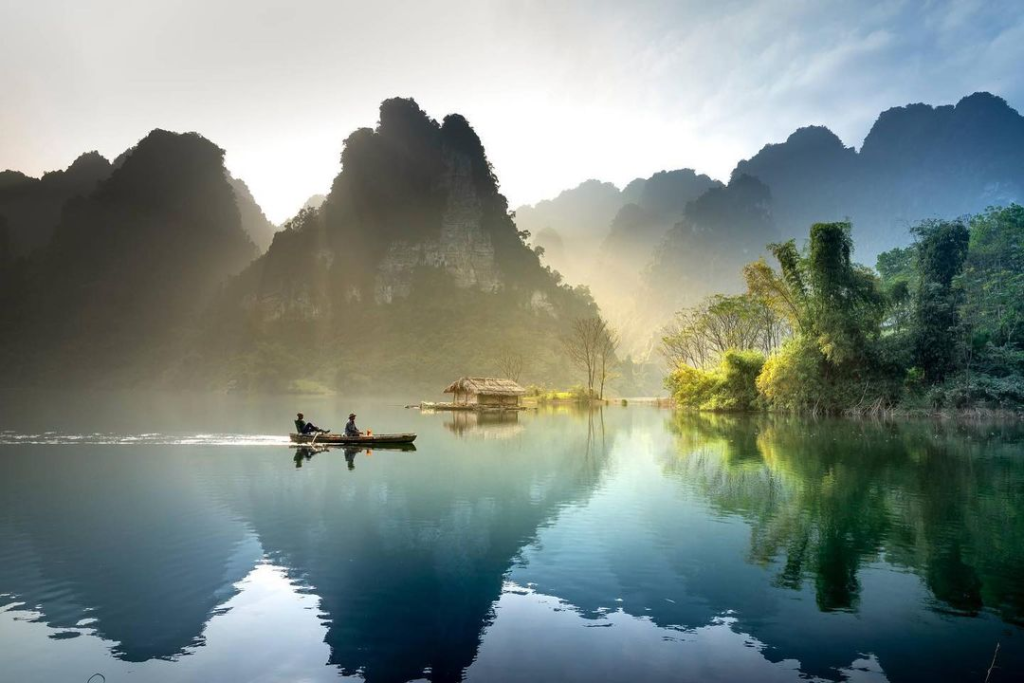
Peaceful Scenery of Ba Be Lake National Park. Picture: Internet.
A Hidden Natural Paradise in Northern Vietnam
Ba Be feels special because it remains relatively quiet compared with many famous destinations in Vietnam. The lake is surrounded by limestone mountains and tropical forest, creating a natural setting that feels fresh, spacious, and far removed from busy city life.
Travelers can enjoy wide lake views, shaded waterways, riverside scenery, and quiet village roads within the same area. This makes Ba Be Lake ideal for visitors who want a nature-based journey rather than a typical tourist stop.
A Peaceful Boat Trip Across the Lake
A boat trip is one of the best ways to experience Ba Be. The journey allows travelers to move slowly across calm water while admiring cliffs, forests, caves, and local life along the lakeshore.
Depending on the route, a boat trip may include:
- Scenic views across Ba Be Lake
- Limestone mountains reflected on the water
- Narrow river sections connected to the lake
- Stops near caves or waterfalls
- Local fishing boats and lakeside homes
- Quiet areas for photography and relaxation
The slow rhythm of the boat ride is one of the main reasons visitors remember Ba Be. It gives travelers time to observe the landscape naturally instead of rushing from one attraction to another.
Explore Caves, Rivers, and Forest Scenery
Ba Be Lake is not only about open water. The surrounding national park includes caves, rivers, waterfalls, limestone formations, and forest areas that make the destination more varied.
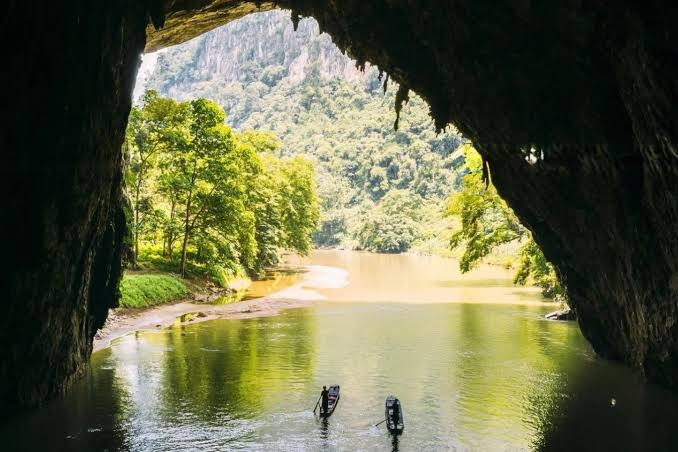
Puong Cave on the Nang River at Ba Be Lake. Picture: Internet.
Travelers may visit places such as Puong Cave, the Nang River, Dau Dang Waterfall, or nearby forest trails, depending on the itinerary. These natural stops add more depth to the trip and help visitors understand why Ba Be is considered one of northern Vietnam’s most beautiful nature destinations.
Experience Local Tay Village Life
The area around Ba Be is home to Tay communities whose daily life is closely connected to the lake, forest, and farmland. Staying in a local homestay or walking through nearby villages gives travelers a chance to experience the cultural side of the destination.
Visitors may see traditional stilt houses, rice fields, small gardens, local meals, and quiet village roads near the water. These communities are real residential areas, so travelers should behave respectfully by asking before taking close-up photos and avoiding entry into private homes without permission.
A Good Destination for Slow Travel
Ba Be is best suited to travelers who enjoy calm scenery, simple experiences, and meaningful time in nature. The destination does not rely on luxury entertainment or crowded attractions because its real beauty comes from the lake, forest, local life, and peaceful atmosphere.
Overall, Ba Be Lake is worth visiting for its natural charm, cultural value, and slower travel rhythm. For anyone looking for a hidden paradise in northern Vietnam, Ba Be offers a refreshing journey through water, mountains, forests, and local village life.
2. What to Expect When Visiting Ba Be Lake
A visit to Ba Be Lake is usually calm, scenic, and closely connected to nature. Travelers should expect a slower journey with boat rides, forested mountains, caves, rivers, local villages, and simple cultural experiences rather than a crowded or entertainment-focused destination.
A Scenic Boat Journey
The boat trip is often the main highlight of Ba Be. Visitors travel across calm freshwater areas surrounded by limestone mountains, forests, and quiet lakeside scenery, creating a peaceful rhythm from the beginning of the journey.
Depending on the chosen route, the boat trip may include:
- Wide views across Ba Be Lake
- Narrow waterways connected to the Nang River
- Forested cliffs and limestone formations
- Local fishing boats and riverside homes
- Stops near caves or waterfalls
- Quiet moments for photography and relaxation
The boat ride is usually gentle and suitable for most travelers. It allows visitors to enjoy the lake slowly while observing the natural landscape and daily life around the water.
Caves, Rivers, and Waterfalls
Ba Be Lake is part of a wider natural area, so the experience often includes more than the lake itself. Many itineraries combine the boat journey with nearby attractions such as Puong Cave, the Nang River, or Dau Dang Waterfall.
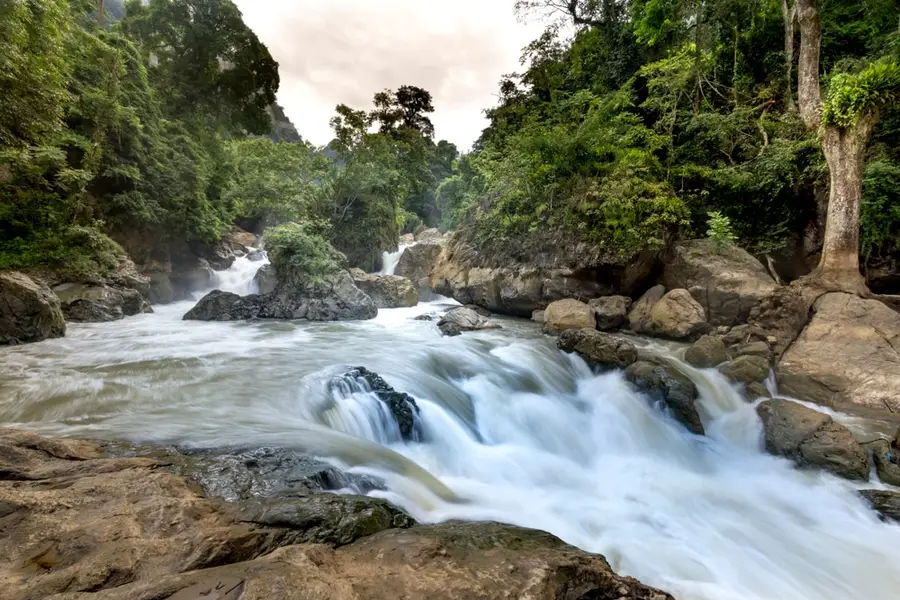
Dau Dang Waterfall Near Ba Be Lake. Picture: Internet.
Puong Cave is especially interesting because boats can pass through a limestone cave section along the river. Dau Dang Waterfall offers a more rugged natural stop, with flowing water, rocks, and forest scenery that contrast with the calm surface of the lake.
Traditional Tay Villages
The villages around Ba Be add an important cultural element to the journey. Many travelers stay in or visit Tay communities where traditional stilt houses, rice fields, gardens, and local meals create a peaceful rural atmosphere.
A local homestay can make the trip more meaningful because visitors can experience the area beyond daytime sightseeing. These stays are usually simple but welcoming, with home-style food and quiet evenings surrounded by mountains, fields, or village roads.
Simple and Nature-Focused Travel
Travelers should not expect luxury facilities or a busy tourist scene around Ba Be Lake. The destination is best for people who enjoy nature, quiet surroundings, and a slower pace of travel.
Services may be more basic than in major cities or popular beach destinations, so visitors should prepare practical essentials before exploring deeper areas. Useful items include:
- Comfortable walking shoes
- Drinking water
- Insect repellent
- Sunscreen and a hat
- Light raincoat during wet months
- Phone or camera with enough battery
- Small cash for local purchases
These items help make the trip smoother and more comfortable. They are especially useful during boat rides, village walks, and short visits to caves or waterfalls.
Changing Weather and Seasonal Scenery
The atmosphere of Ba Be changes with the weather and season. On sunny days, the lake can look bright and open, while misty or rainy days create a softer and more mysterious mood.
Travelers should remain flexible because rain, water levels, and local conditions may affect boat routes or outdoor stops. Even with small changes, the lake’s calm scenery, forested mountains, and quiet village atmosphere remain the main highlights of the visit.
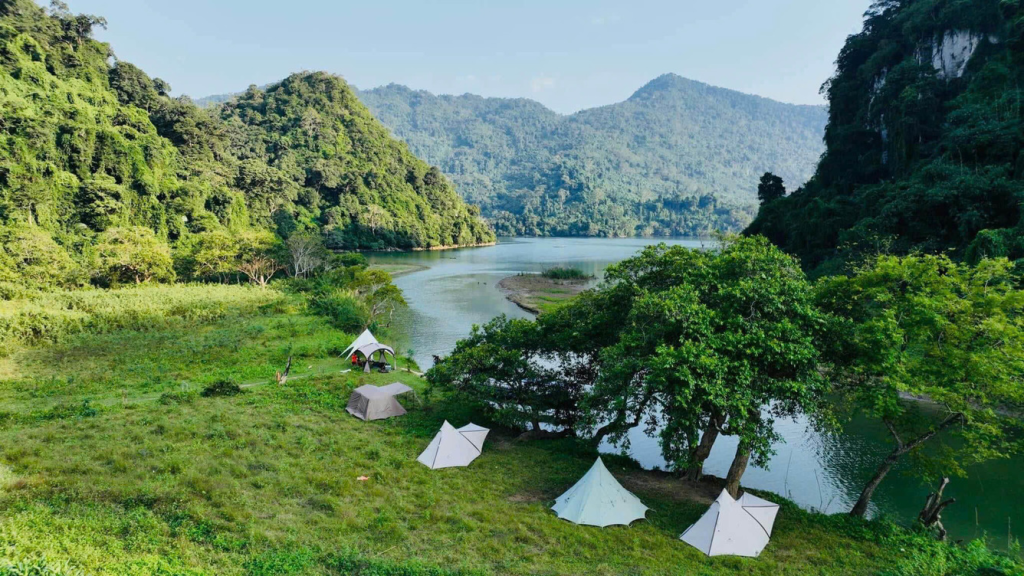
Forest Reflections on Ba Be Lake. Picture: Internet.
A Peaceful Escape into Northern Vietnam
A trip to Ba Be Lake is best enjoyed with a slow travel mindset. Instead of rushing through many attractions, visitors should take time to sit on the boat, observe reflections on the water, enjoy local meals, and appreciate the quiet rhythm of the surrounding villages.
For nature lovers and travelers looking for a less crowded route, Ba Be offers a refreshing experience in northern Vietnam. The lake combines water, mountains, forests, caves, and local culture in a way that feels simple, peaceful, and memorable.
3. Best Time and Final Tips for Visiting Ba Be Lake
A trip to Ba Be Lake is most rewarding when travelers prepare for its quiet natural setting, local village atmosphere, and changing weather conditions. The destination is not designed for rushed sightseeing, so visitors should allow enough time for boat rides, short walks, cultural experiences, and peaceful moments by the water.
Best Time to Visit Ba Be Lake
Ba Be Lake can be visited throughout the year, but the experience changes depending on the season. The dry months are usually more comfortable for boat trips and walking, while greener periods make the forest and surrounding mountains feel especially fresh.
Travelers who enjoy calm scenery and clearer weather may prefer spring or autumn. Those who do not mind occasional rain can still enjoy the lake during wetter months, when the landscape becomes greener and the atmosphere feels more mysterious.
Stay Overnight for a Deeper Experience
Although Ba Be can be visited as part of a short itinerary, staying overnight near the lake gives travelers a much better sense of the area. Evening and early morning are often the most peaceful times, when the villages are quiet and the lake feels far removed from busy tourist routes.
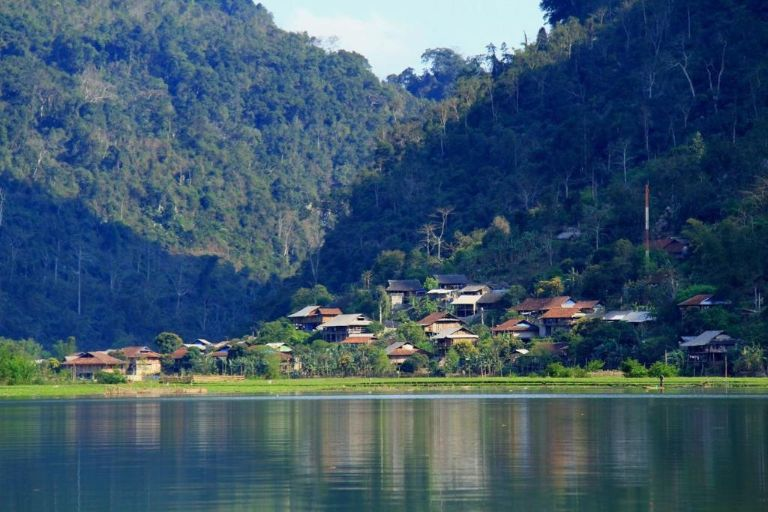
Traditional Tay Stilt House Near Ba Be Lake. Picture: Internet.
A homestay in a Tay village is a popular choice for visitors who want to experience local life more closely. The accommodation is usually simple, but it offers home-style meals, mountain views, and a slower rhythm that fits the character of Ba Be Lake.
Prepare for Simple Outdoor Travel
Ba Be is a nature-based destination, so travelers should prepare practical items rather than expect luxury facilities everywhere. Boat rides, village walks, cave visits, and short forest routes are easier to enjoy when visitors bring basic essentials such as:
- Comfortable walking shoes
- Drinking water
- Insect repellent
- Sunscreen and a hat
- Light raincoat or umbrella
- Small cash for local expenses
- Phone or camera with enough battery
These items help make the journey more comfortable, especially during warm, humid, or rainy weather. Packing light is also useful because travelers may move between boats, homestays, and short walking routes.
Respect Local Villages and Nature
The villages around Ba Be Lake are real residential communities, not only tourist stops. Visitors should behave respectfully when walking through village roads, staying in homestays, or taking photos near local houses.
Travelers should ask before photographing residents, avoid entering private spaces without permission, and keep noise levels low in quiet village areas. In natural areas, visitors should avoid littering, stay on marked paths, and follow local guidance during boat trips or cave visits.
Combine Ba Be with Nearby Destinations
Ba Be can be included in a wider northern Vietnam itinerary, especially for travelers who want to explore less crowded mountain routes. It is often combined with Cao Bang, Ban Gioc Waterfall, or other nature-based destinations in the northeast.
This combination works well for travelers who enjoy scenic roads, ethnic villages, rivers, lakes, and waterfalls. Ba Be brings a peaceful lake experience, while nearby destinations add dramatic mountain views and stronger adventure elements.
Ba Be Lake is a beautiful choice for travelers who want to slow down and experience northern Vietnam’s natural charm. Its calm water, limestone mountains, caves, rivers, forests, and Tay villages create a peaceful travel experience that feels different from the country’s busier destinations.
With simple preparation, respectful behavior, and enough time to enjoy the scenery slowly, Ba Be can become one of the most memorable stops in northern Vietnam. It is especially rewarding for visitors who value nature, local culture, photography, and quiet moments away from crowded tourist routes.
Read for more information:



Leave a Reply