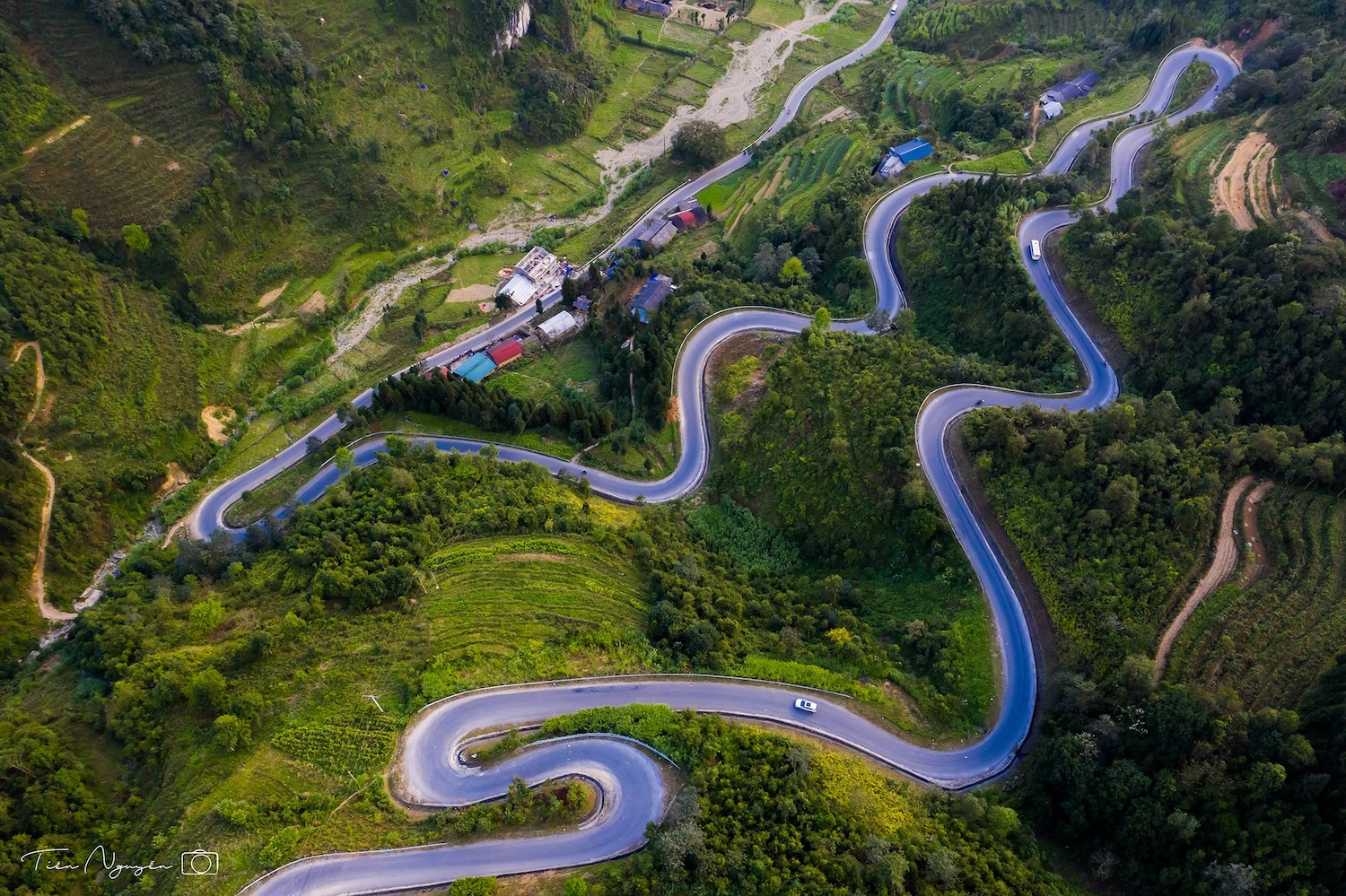
The Dong Van Karst Plateau is one of the most spectacular landscapes in northern Vietnam, known for its rugged limestone mountains, deep valleys, winding passes, and rich ethnic culture. Located in Ha Giang Province, this UNESCO Global Geopark offers travelers a rare opportunity to explore ancient geological formations while experiencing the daily life of local highland communities.
A journey through the Dong Van Karst Plateau often includes dramatic roads, traditional villages, mountain markets, historic sites, and panoramic viewpoints along the Ha Giang Loop. The scenery changes constantly, from rocky plateaus and steep cliffs to quiet valleys and small settlements built between limestone slopes.
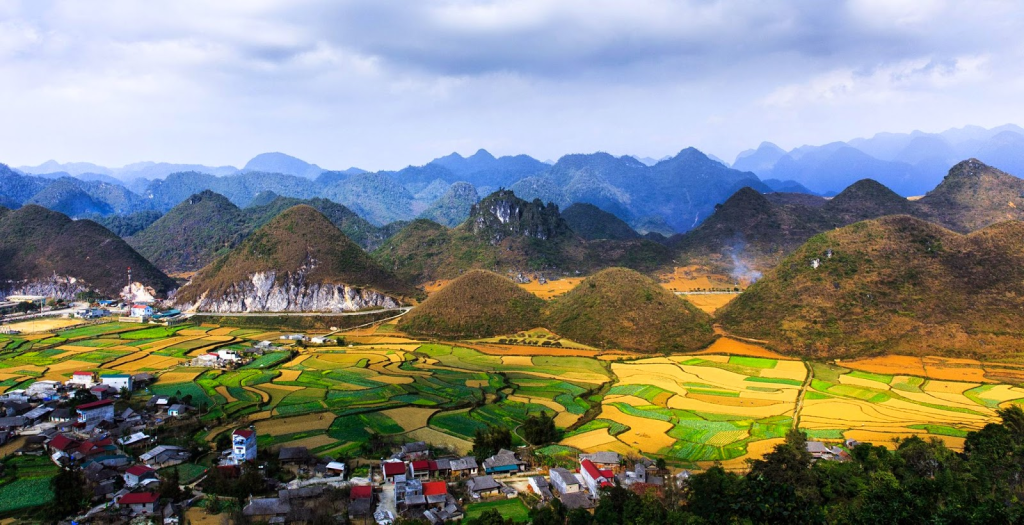
Dong Van Karst Plateau in Ha Giang Province. Picture: Internet.
For nature lovers, photographers, and cultural travelers, the Dong Van Karst Plateau is more than a scenic destination. It is a powerful highland region where geology, culture, and remote mountain life come together in one unforgettable journey.
1. Why Visit the Dong Van Karst Plateau
The Dong Van Karst Plateau is a must-visit destination for travelers who want to experience Ha Giang’s most dramatic mountain scenery and cultural diversity. The area combines UNESCO-recognized geology, ethnic villages, historic landmarks, and some of the most impressive roads in northern Vietnam.
A Unique UNESCO Global Geopark
One of the main reasons to visit the Dong Van Karst Plateau is its rare geological value. The region is shaped by ancient limestone formations, rocky mountains, deep valleys, and dramatic cliffs that reveal millions of years of natural history.
Limestone Mountains of Dong Van Karst Plateau. Picture: Internet.
Travelers can experience the geopark through scenic roads, viewpoints, villages, and cultural stops. Instead of feeling like a single attraction, the Dong Van Karst Plateau feels like a wide living landscape where geology influences farming, architecture, transport, and daily life.
Dramatic Limestone Scenery
The plateau is famous for its rugged and powerful scenery. Unlike softer mountain destinations covered mainly by forest, Dong Van is defined by sharp limestone peaks, rocky slopes, narrow valleys, and winding roads carved into the mountains.
During the journey, visitors may see:
- Limestone mountains and rocky plateaus
- Deep valleys surrounded by steep cliffs
- Small villages built between stone formations
- Terraced fields and farmland on difficult terrain
- Wide viewpoints along mountain passes
This landscape gives the region a strong visual identity. It is especially impressive for travelers who enjoy photography, road trips, and remote highland scenery.
Rich Ethnic Culture
The Dong Van Karst Plateau is home to many ethnic communities, including Hmong, Dao, Tay, Nung, Lo Lo, and others. Their traditional houses, clothing, markets, farming practices, and local customs add an important cultural layer to the journey.
Visitors may encounter earthen houses, stone walls, colorful market scenes, handmade textiles, and small farms located on rocky mountain land. These communities are real residential areas, so travelers should behave respectfully by asking before taking close-up photos, avoiding private spaces without permission, and following local guidance during village visits.
Iconic Stops Along the Ha Giang Loop
Many of Ha Giang’s most famous attractions are located within or near the Dong Van Karst Plateau. This makes the area a central part of most Ha Giang Loop itineraries.
A typical route may include:
- Dong Van Old Quarter
- Ma Pi Leng Pass
- Nho Que River
- Lung Cu Flag Tower
- Hmong King’s Palace
- Sung La Valley
- Tham Ma Pass
These stops create a balanced journey of nature, culture, history, and road adventure. Travelers can enjoy panoramic viewpoints while also learning more about the people and heritage of the region.
A Powerful Road Trip Experience
The roads across the plateau are among the most memorable parts of the trip. Travelers pass through steep mountain routes, sharp curves, high viewpoints, and valleys that open suddenly after narrow road sections.
This makes the Dong Van Karst Plateau ideal for travelers who enjoy scenic journeys rather than only fixed attractions. Whether joining an easy-rider tour or traveling with a guide, the road itself becomes part of the experience.
A Destination with Depth and Atmosphere
The plateau is not only beautiful, but also meaningful. Its landscapes show how nature has shaped the region over time, while its villages reveal how people have adapted to living in a challenging mountain environment.
Overall, the Dong Van Karst Plateau is worth visiting because it offers one of Vietnam’s strongest combinations of geology, culture, and adventure. For travelers exploring Ha Giang, this UNESCO Global Geopark is an essential highlight that gives the journey both visual impact and cultural depth.
2. What to Expect When Exploring the Dong Van Karst Plateau
A journey through the Dong Van Karst Plateau is usually part of a Ha Giang Loop route, so travelers should expect a mix of road adventure, cultural stops, mountain viewpoints, and local town experiences. The region is large and rugged, which means the trip involves several hours of travel between destinations, but the changing scenery makes the journey feel constantly engaging.
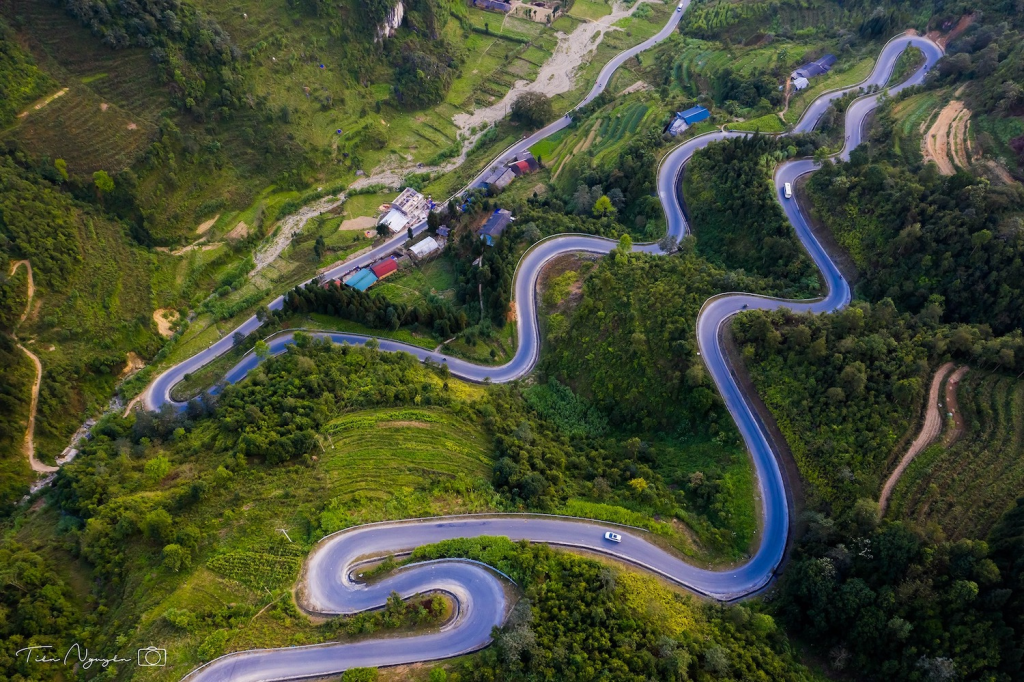
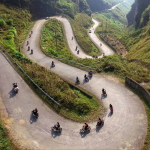
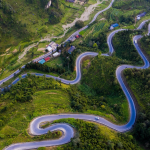
Winding Mountain Road Across Dong Van Karst Plateau. Picture: Internet.
Dramatic Mountain Roads
The roads across the plateau are one of the main highlights of the experience. Travelers pass through winding mountain routes, steep slopes, rocky valleys, and high viewpoints where the landscape opens suddenly into wide views of limestone peaks and remote villages.
The journey can feel adventurous because some sections include sharp turns and narrow mountain roads. Travelers joining an easy-rider tour can focus on the scenery, while self-riders should be confident with motorbike handling and road safety before attempting the route.
Constantly Changing Limestone Scenery
The Dong Van Karst Plateau is known for its rocky and dramatic landscape. Unlike greener mountain areas, this region has a stronger geological character, with limestone formations, stone slopes, deep valleys, and fields carved into difficult terrain.
During the trip, visitors may see:
- Rocky mountains and limestone cliffs
- Valleys surrounded by steep slopes
- Small villages built between stone formations
- Terraced fields and cornfields on mountain land
- Scenic passes with wide viewpoints
These landscapes make the plateau feel powerful and distinctive. The scenery also changes with the weather, so clear skies, mist, clouds, or soft afternoon light can create very different moods along the same route.
Ethnic Villages and Local Life
The plateau is home to many ethnic communities, and village life is an important part of the journey. Travelers may pass houses built from earth, stone, or wood, see people working in fields, and visit markets where local communities gather to trade food, textiles, tools, and regional products.
These cultural encounters add depth to the Dong Van Karst Plateau experience because they show how people live in a challenging mountain environment. Visitors should treat villages as real communities, ask before taking close-up photos, and avoid entering private homes without permission.
Historic and Cultural Stops
In addition to natural scenery, the plateau includes several historic and cultural sites. Stops such as Dong Van Old Quarter, the Hmong King’s Palace, Lung Cu Flag Tower, and local markets help travelers understand the region beyond its mountain views.
These places show different aspects of Ha Giang’s history, architecture, and borderland identity. A well-planned route should include both scenic viewpoints and cultural stops so the journey feels balanced rather than only focused on photography.
Simple Accommodation and Local Meals
Travelers exploring the plateau often stay overnight in Dong Van, Meo Vac, Yen Minh, or nearby villages. Accommodation is usually simple but comfortable, with guesthouses, small hotels, or homestays serving as practical bases during the route.
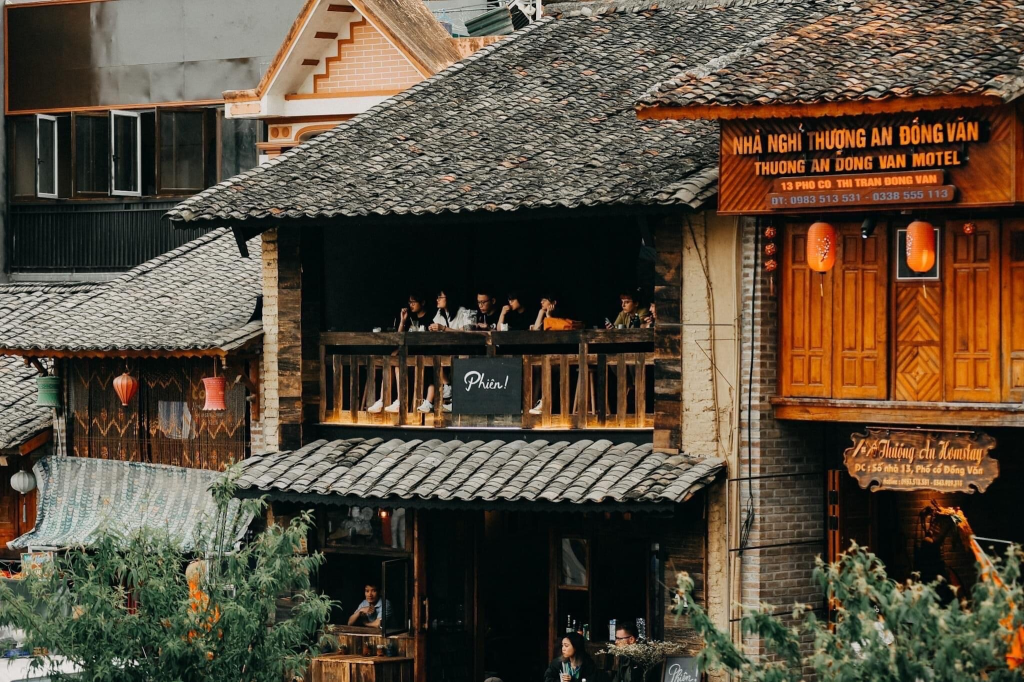
Mountain Homestay in Dong Van Ha Giang. Picture: Internet.
Meals are often local and home-style, with rice, vegetables, soups, meat dishes, and regional specialties. The dining experience is usually casual, but it gives visitors a chance to rest, warm up, and enjoy the slower atmosphere of mountain towns.
Changing Weather and Outdoor Conditions
Weather on the Dong Van Karst Plateau can change quickly because of the high elevation and mountain terrain. A sunny morning may become misty, windy, or rainy later in the day, especially around high passes and exposed viewpoints.
Travelers should prepare practical items such as:
- Warm jacket or windbreaker
- Light raincoat
- Comfortable shoes
- Sunscreen and sunglasses
- Water for the road
- Phone or camera with enough battery
- Small cash for local stops
These items help make the trip more comfortable during long travel days. They are especially useful because services can be limited in remote areas, and the weather may not match conditions in Ha Giang City or lower valleys.
A Journey That Requires Flexibility
Exploring the Dong Van Karst Plateau is not always predictable. Road conditions, weather, market days, and travel pace can affect the exact order of stops, so travelers should stay flexible and avoid planning the route too tightly.
The best way to enjoy the plateau is to see the journey as a complete experience. The viewpoints, villages, roads, meals, and small unexpected moments all contribute to the character of this UNESCO Global Geopark.
3. Best Places and Final Tips for Visiting the Dong Van Karst Plateau
A trip through the Dong Van Karst Plateau becomes more meaningful when travelers combine famous viewpoints with cultural sites, local towns, and traditional villages. The region is not only a place for scenic photos, but also a UNESCO Global Geopark where geology, history, and ethnic culture are closely connected.
Dong Van Old Quarter
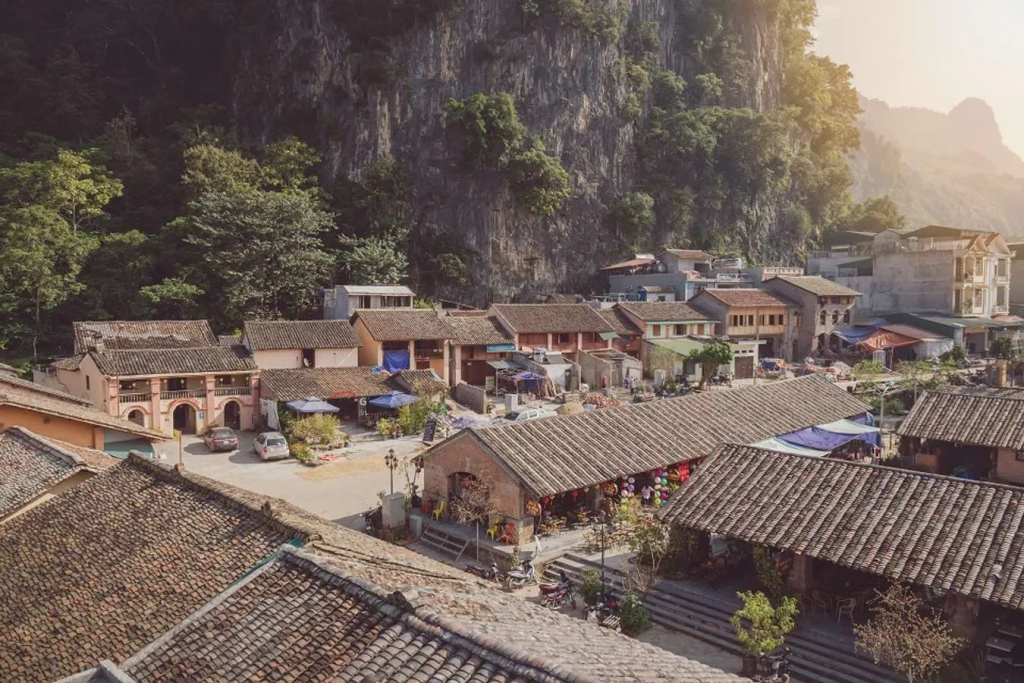
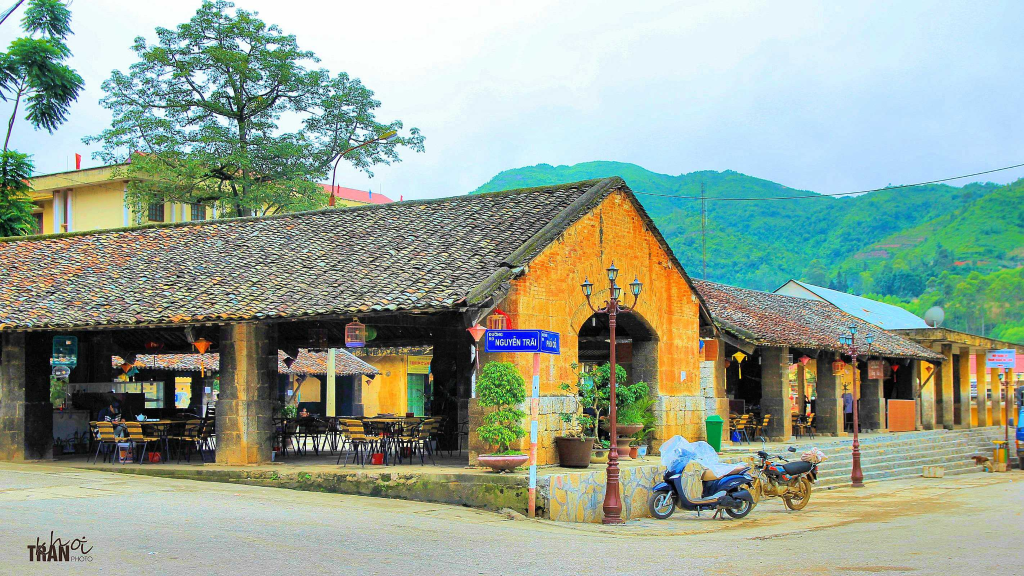
Dong Van Old Quarter is one of the most atmospheric stops in the plateau area. The town has old houses, small cafés, local restaurants, and a mountain setting that makes it a comfortable place to rest during a Ha Giang Loop journey.
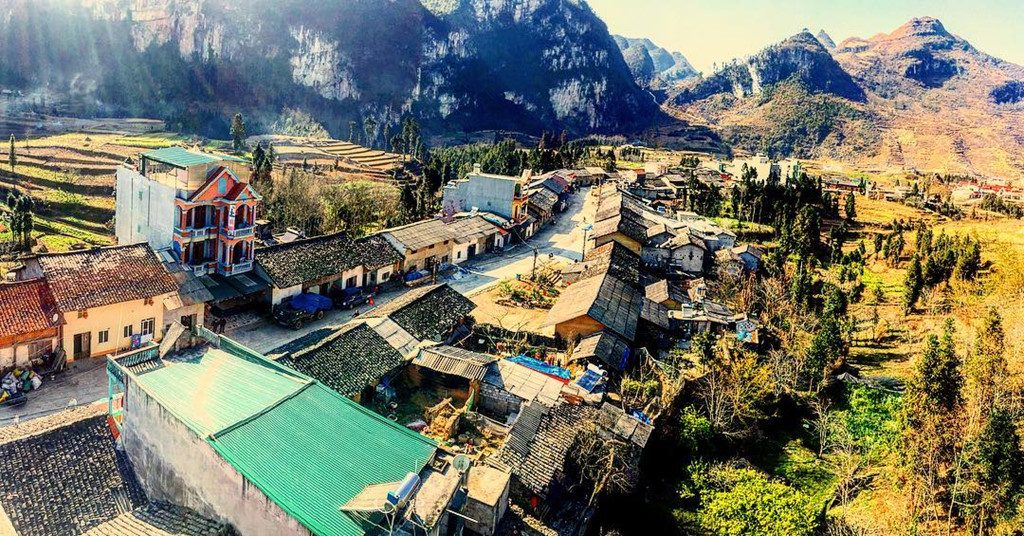
Traditional Houses in Dong Van Old Quarter. Picture: Internet.
Travelers can walk through the old streets, try regional dishes, and enjoy the slower evening atmosphere after a long day on the road. If visiting on market days, the town becomes livelier as ethnic communities from nearby villages gather to trade food, textiles, and local products.
Ma Pi Leng Pass
Ma Pi Leng Pass is one of the most iconic viewpoints near the Dong Van Karst Plateau. The road runs along steep limestone cliffs above deep valleys, offering dramatic views of the Nho Que River and surrounding mountain landscape.
Ma Pi Leng Pass Above the Nho Que River. Picture: Internet.
This stop is especially popular for photography, but travelers should remain careful near road edges and crowded viewpoints. The scenery is impressive in clear weather, while mist and clouds can create a more mysterious highland atmosphere.
Nho Que River and Tu San Canyon
The Nho Que River adds a softer contrast to the rocky landscape of the plateau. From above, the river appears between steep limestone cliffs, creating one of the most recognizable views in Ha Giang.
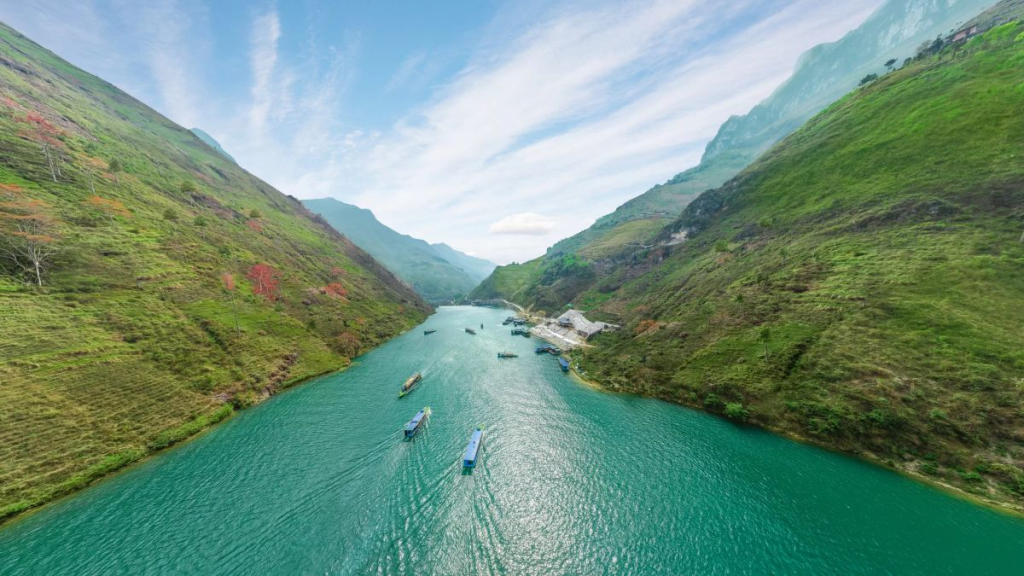
Boat Ride Through Tu San Canyon on Nho Que River. Picture: Internet.
Some itineraries include a boat ride through Tu San Canyon, which allows travelers to see the cliffs from water level. This experience can make the journey feel more complete because it shows the landscape from a different perspective.
Hmong King’s Palace
The Hmong King’s Palace, also known as the Vuong Family Mansion, is an important historical site in the region. The architecture combines stone, wood, tiled roofs, and courtyard spaces, reflecting the history and influence of a powerful local family.
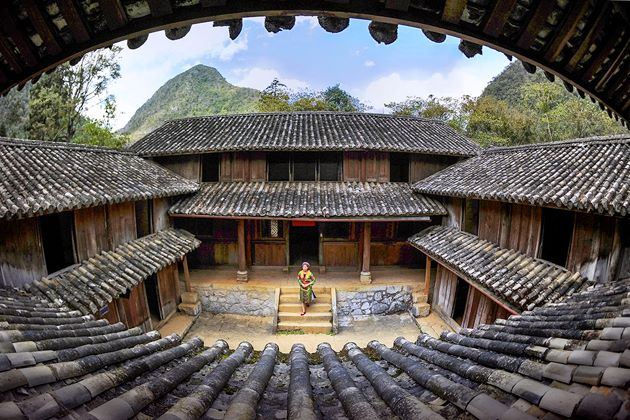
Hmong King’s Palace in Sa Phin Ha Giang. Picture: Internet.
A visit here helps travelers understand the cultural and political background of the plateau beyond its natural beauty. Guided explanations are useful because many details of the building and its history may not be obvious at first glance.
Lung Cu Flag Tower
Lung Cu Flag Tower is located near Vietnam’s northern border and is often included in longer routes through the Dong Van Karst Plateau. The site requires climbing steps, but the surrounding views of valleys, villages, and mountains make the effort worthwhile.
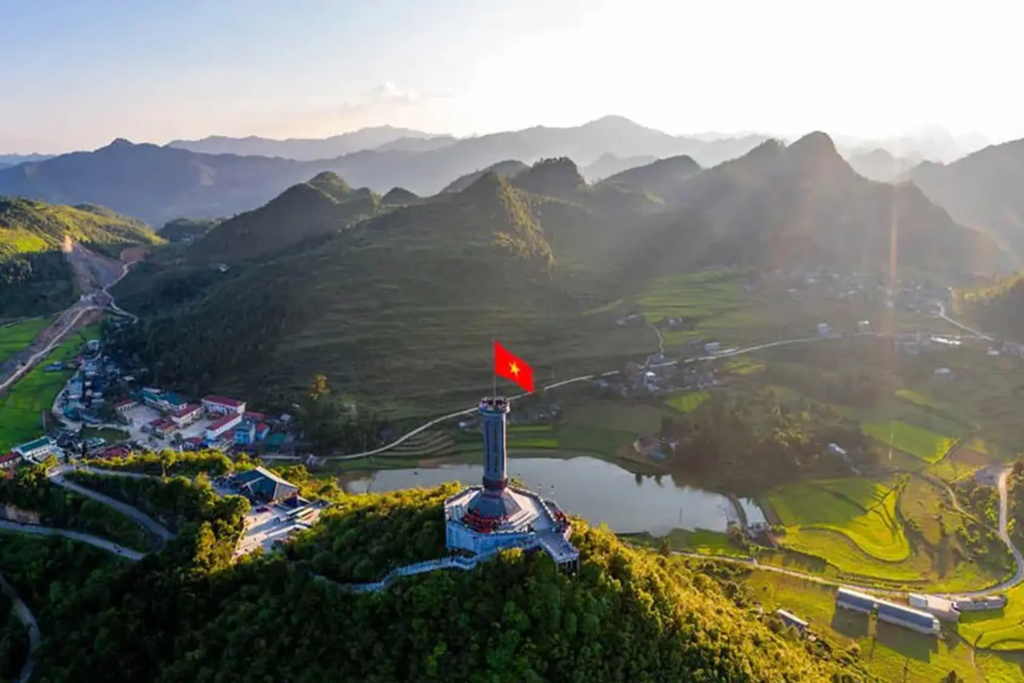
Lung Cu Flag Tower in Northern Ha Giang. Picture: Internet.
Visitors should prepare comfortable shoes and allow enough time for the walk. Because this is a symbolic site, travelers should also follow local rules and behave respectfully during the visit.
Sung La Valley and Local Villages
Sung La Valley offers a gentler landscape compared with the rugged limestone passes. The area is known for traditional houses, seasonal flowers, small fields, and villages surrounded by rocky mountains.
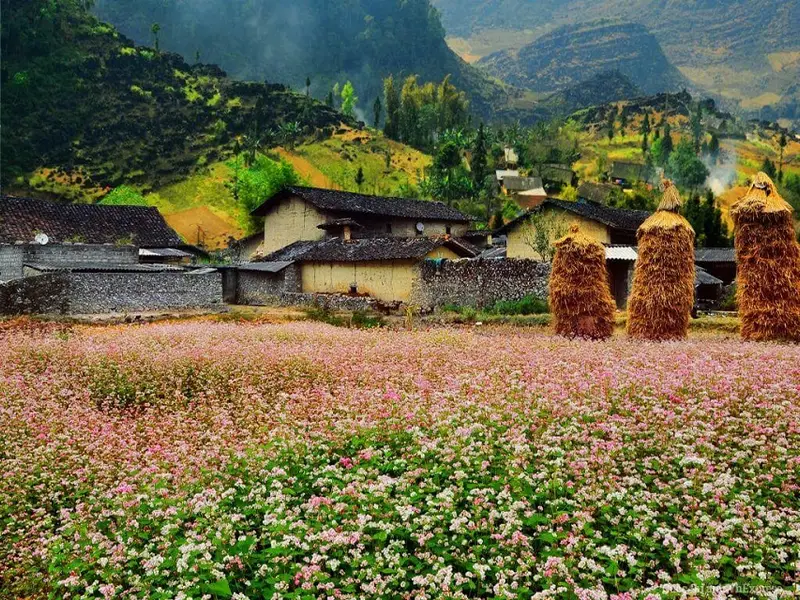
Traditional Hmong Village in Sung La Valley. Picture: Internet.
Travelers may see:
- Traditional Hmong houses
- Stone walls and narrow village roads
- Seasonal flowers and farmland
- Mountain views around the valley
- Local daily life in a quieter setting
These villages are real residential communities, so visitors should walk respectfully and ask before taking close-up photos of local people. A slower visit allows travelers to notice the connection between architecture, farming, and the rocky environment.
Best Time to Visit
The Dong Van Karst Plateau can be visited throughout the year, but the experience changes with the seasons. Spring often brings flowers and fresh mountain scenery, while autumn can offer clearer weather and pleasant conditions for road travel.
The weather in Ha Giang can change quickly, especially at higher elevations. Travelers should bring a warm layer, rain protection, comfortable shoes, and enough water for long road sections.
Conclusion
The Dong Van Karst Plateau is one of the most impressive destinations in northern Vietnam because it combines dramatic limestone scenery, UNESCO-recognized geology, ethnic culture, and remote mountain roads. Each stop reveals a different side of the region, from the old streets of Dong Van to the cliffs of Ma Pi Leng and the quiet villages hidden between rocky slopes.
With a flexible itinerary, respectful behavior, and enough time to explore beyond the viewpoints, travelers can experience the plateau as more than a scenic route. It becomes a deeper journey into Ha Giang’s landscapes, history, and highland way of life.
Read for more information:
- https://abite.asia/sung-sot-cave-exploring-ha-long-bays-largest-cave/
- https://abite.asia/ha-long-bay-cruise-tour-complete-2d1n-3d2n-experience-guide-2/
At Abite.asia, we specialize in curated Vietnam tours for international travelers, ensuring an authentic and hassle-free experience. Let us take care of your journey so you can fully embrace the beauty of Vietnam. Contact us today at +84363770835 to start planning your adventure!

Leave a Reply