
Hanoi is a city where history, culture, and daily life blend together in every street and corner. From ancient temples to colonial architecture and bustling markets, the capital offers a rich and layered travel experience. A Hanoi city tour allows visitors to explore these contrasts while understanding how the city has evolved over centuries.
For many travelers, Hanoi may first appear busy and chaotic. However, beneath the movement of motorbikes and crowded sidewalks lies a deep cultural structure shaped by tradition, religion, and community life. Walking through the city reveals how old and new exist side by side. A modern café may stand next to a centuries-old pagoda, while street vendors continue traditions that have existed for generations.
A well-planned Hanoi city tour usually includes three essential elements: the historic Old Quarter, spiritual sites such as temples and pagodas, and cultural landmarks that reflect the country’s history. Each of these areas offers a different perspective on the identity of the capital.
Exploring these locations helps visitors understand not only the city’s physical landscape but also the values and traditions that continue to shape Hanoi today.
1. Exploring the Old Quarter – The Heart of Hanoi
The Old Quarter is often considered the starting point of any Hanoi city tour. This historic district has existed for more than a thousand years and remains one of the most vibrant areas in the city. Its narrow streets, traditional houses, and lively markets create a unique atmosphere that reflects both history and modern life.
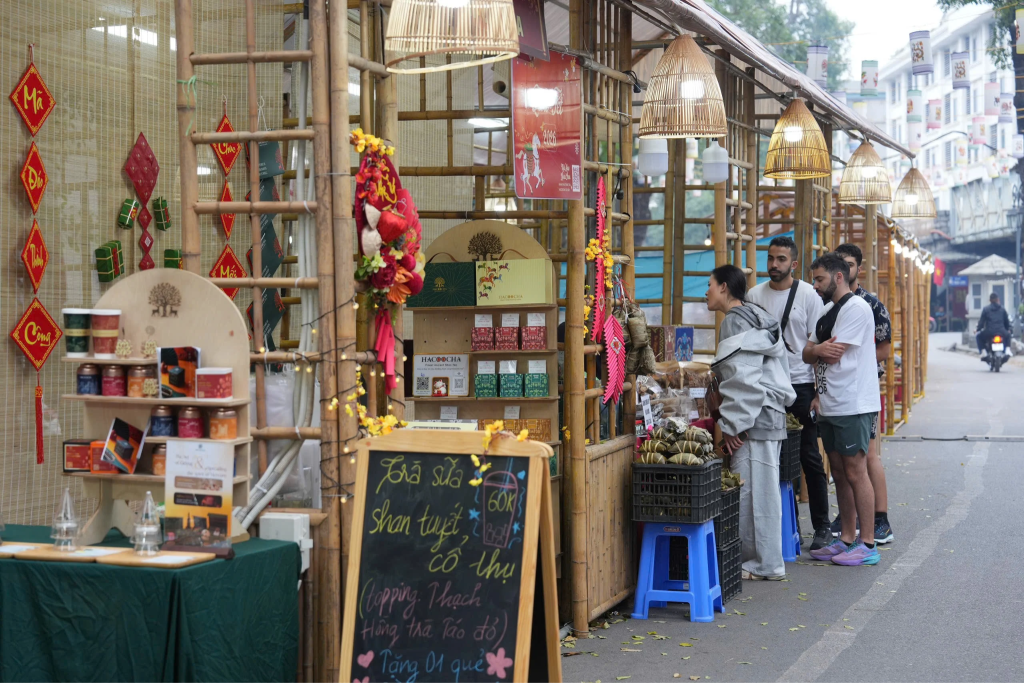
Spring flower market 2026. Source: Vietnam.vn
This section explores what makes the Old Quarter such an important part of Hanoi’s identity.
A Network of Historic Streets
The Old Quarter is made up of a dense network of streets, each traditionally associated with a specific craft or trade. Although modern businesses have replaced many of the original trades, the structure of the neighborhood still reflects its historical roots.
Visitors walking through the area may notice:
- Narrow streets filled with shops, cafés, and street vendors
- Old tube houses designed to maximize limited space
- Street names that hint at traditional crafts such as silver, silk, or paper
- A lively atmosphere that continues from morning until late at night
These details make the Old Quarter a central highlight of any Hanoi city tour.
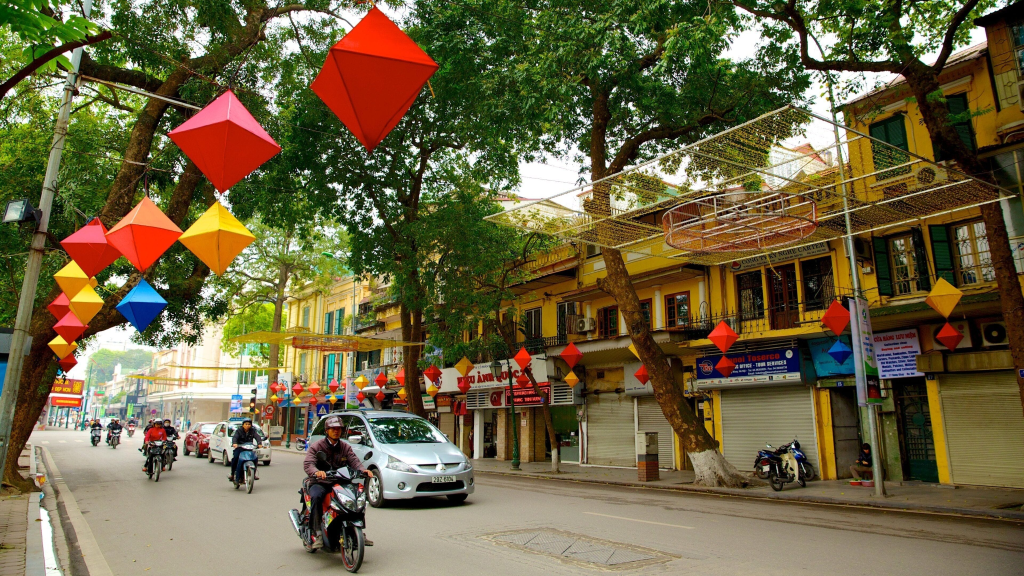
Hanoi Old Quarter streets. Source: Expedia
Street Life and Local Culture
Life in the Old Quarter happens mostly outdoors. Sidewalks become places where people eat, work, and socialize. The constant movement of people and vehicles creates a dynamic environment that feels both energetic and authentic.
Typical scenes include:
- Street food vendors preparing meals on small stoves
- Locals sitting on low stools sharing tea or conversation
- Motorbikes moving carefully through crowded streets
- Small shops displaying goods directly on the sidewalk
This street culture provides insight into the everyday life of Hanoi residents.
A Blend of Past and Present
One of the most fascinating aspects of the Old Quarter is how it combines historical elements with modern influences. Traditional houses stand alongside contemporary cafés, while ancient customs continue within a rapidly developing city.
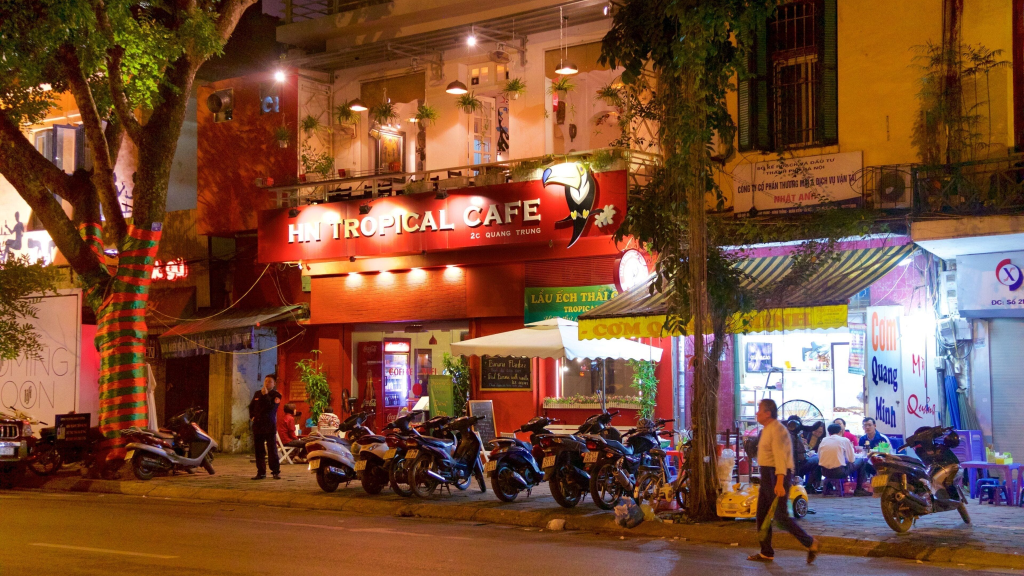
Experience the atmosphere of Hanoi’s Old Quarter streets. Source: Expedia
Visitors often experience:
- Historic architecture mixed with modern design
- Traditional markets operating next to trendy restaurants
- Cultural practices that continue despite urban change
Through this combination, the Old Quarter represents the living history of Hanoi. For travelers, exploring this area during a Hanoi city tour offers a deeper understanding of how the city preserves its identity while embracing change.
3. Cultural Landmarks That Tell Hanoi’s History
A complete Hanoi city tour goes beyond the Old Quarter and temples to include key cultural landmarks that reflect Vietnam’s modern history. These sites provide important context about the country’s past, from colonial influences to the struggle for independence. Visiting them allows travelers to understand how Hanoi has developed into the capital it is today.
Unlike the lively streets or peaceful pagodas, these landmarks often carry a more formal and reflective atmosphere. Wide open spaces, preserved buildings, and national monuments create environments where history feels tangible and present.
Ho Chi Minh Mausoleum Complex – A National Symbol
One of the most significant stops on a Hanoi city tour is the Ho Chi Minh Mausoleum Complex. This area honors President Ho Chi Minh, a key figure in Vietnam’s modern history. The complex includes the mausoleum itself, Ba Dinh Square, and surrounding historical buildings.
Visitors entering the site will notice a respectful and solemn atmosphere.
Important features of the complex include:
- The mausoleum where Ho Chi Minh’s preserved body is displayed
- Ba Dinh Square, where Vietnam’s independence was declared
- Carefully maintained gardens and open spaces
- Strict rules regarding behavior and dress to maintain respect
This landmark provides insight into the political and historical identity of Vietnam.
The French Quarter – Colonial Influence in Architecture
Another important area to explore during a Hanoi city tour is the French Quarter. Located south of the Old Quarter, this district reflects the city’s colonial past through its architecture and urban planning.
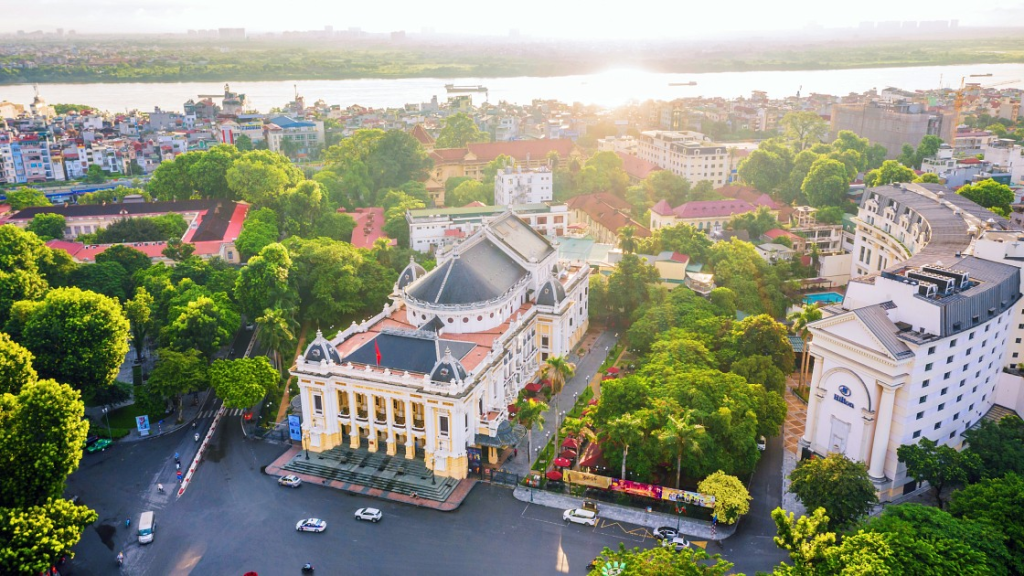
The French Quarter from an aerial view. Source: MICHELINE guide
The streets here feel more spacious and organized compared to the narrow lanes of the Old Quarter.
Visitors may observe:
- Wide boulevards lined with trees
- Colonial buildings featuring balconies and shutters
- Elegant villas and government buildings
- Cafés and restaurants influenced by French culture
This area highlights how foreign influence has shaped Hanoi’s architectural landscape.
Museums and Cultural Spaces
Hanoi also offers a range of museums that present different aspects of Vietnamese history and culture. These spaces provide structured information that complements the experiences found on the streets and in temples.
Common types of museums included in a Hanoi city tour are:
- History museums displaying artifacts from ancient to modern periods
- Cultural museums focusing on ethnic groups and traditions
- War museums explaining Vietnam’s recent history
- Art museums showcasing traditional and contemporary works
Visitors often gain a deeper understanding of the country by exploring these curated spaces.
A City Where History Lives in Every Corner
What makes Hanoi unique is how these landmarks exist alongside everyday life. Historical buildings stand near busy streets, and modern activities continue around spaces filled with cultural meaning.
Travelers may experience:
- People exercising in parks near historic monuments
- Street vendors operating beside colonial architecture
- Daily life unfolding around national landmarks
Through these contrasts, a Hanoi city tour reveals a city where history is not isolated. Instead, it remains an active part of the urban environment, shaping how Hanoi continues to evolve.
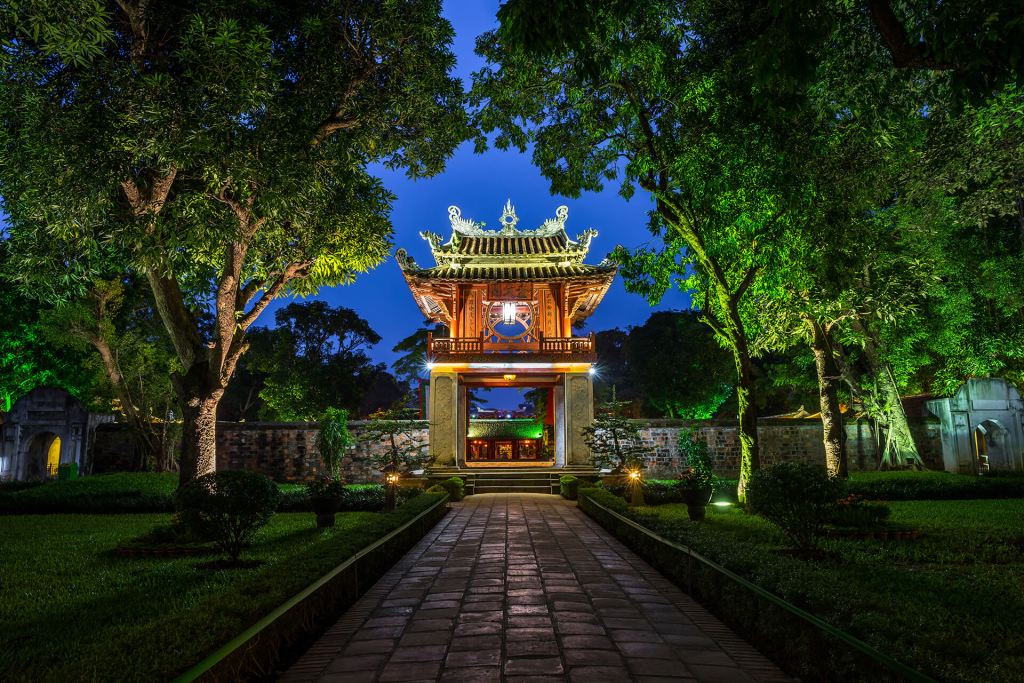
The Temple of Literature. Source: Vietnam Tourism
4. Tips for Planning a Hanoi City Tour
A well-planned Hanoi city tour allows travelers to explore the city comfortably while experiencing its cultural depth. Because Hanoi offers a mix of busy streets, historical landmarks, and peaceful temples, organizing your itinerary carefully helps balance time, energy, and interest. With the right approach, visitors can enjoy both the vibrant atmosphere and the quieter cultural spaces of the capital.
This section provides practical tips to help travelers make the most of their journey through Hanoi.
Choose the Right Time to Explore
Timing plays an important role in shaping your experience. Hanoi changes throughout the day, and each period offers a different perspective on the city.
Ideal times to explore include:
- Early morning: quieter streets, local markets, and peaceful lake areas
- Late morning to afternoon: best for visiting museums and landmarks
- Evening: lively street food scenes and illuminated city views
Spring and autumn are often considered the most comfortable seasons for a Hanoi city tour, as the weather is mild and pleasant.
Plan a Balanced Itinerary
Because Hanoi has many attractions, it is helpful to divide your day into different types of experiences. A balanced itinerary allows travelers to avoid fatigue while exploring various aspects of the city.
A typical day might include:
- Morning walk through the Old Quarter
- Midday visit to temples or museums
- Afternoon break at a café or lakeside area
- Evening exploration of street food and nightlife
This structure helps visitors experience both the cultural and social sides of Hanoi.
Getting Around the City
Transportation in Hanoi can feel overwhelming at first, but several options make it easier to navigate.
Common ways to move around include:
- Walking, especially in the Old Quarter and around Hoan Kiem Lake
- Motorbike taxis or ride-hailing apps for short distances
- Traditional taxis for longer trips
- Guided tours that provide transportation and local insights
Choosing the right transport method depends on comfort level and travel style.
Respect Local Culture and Etiquette
While exploring Hanoi, respecting local customs enhances the experience and helps create positive interactions with residents.
Visitors should keep in mind:
- Dress modestly when visiting temples and religious sites
- Remove hats or speak softly in sacred spaces
- Be mindful of traffic when crossing busy streets
- Show politeness when interacting with vendors or locals
These small actions help travelers engage more meaningfully with the city.
Enjoy the Journey Beyond the Landmarks
Although famous attractions are an important part of a Hanoi city tour, some of the most memorable moments happen unexpectedly. Sitting at a street café, watching daily life unfold, or discovering a quiet alley can reveal a deeper side of Hanoi.
Travelers often find joy in:
- Observing street life from a small sidewalk café
- Exploring hidden alleys beyond main tourist areas
- Tasting local food in simple, family-run eateries
- Taking time to slow down and enjoy the city’s rhythm
Ultimately, a Hanoi city tour is not only about visiting landmarks. It is about experiencing the culture, people, and atmosphere that make Hanoi a unique and unforgettable destination.
Read for more information:
- https://abite.asia/hanoi-countryside-motorbike-tour-escape-to-the-green-delta/
- https://abite.asia/traditional-craft-villages-near-hanoi-a-journey-of-handcrafted-heritage/
- https://abite.asia/hanoi-vegetarian-food-tour-zen-flavors-in-the-heart-of-the-city/
At Abite.asia, we specialize in curated Vietnam tours for international travelers, ensuring an authentic and hassle-free experience. Let us take care of your journey so you can fully embrace the beauty of Vietnam. Contact us today at +84363770835 to start planning your adventure!



Leave a Reply