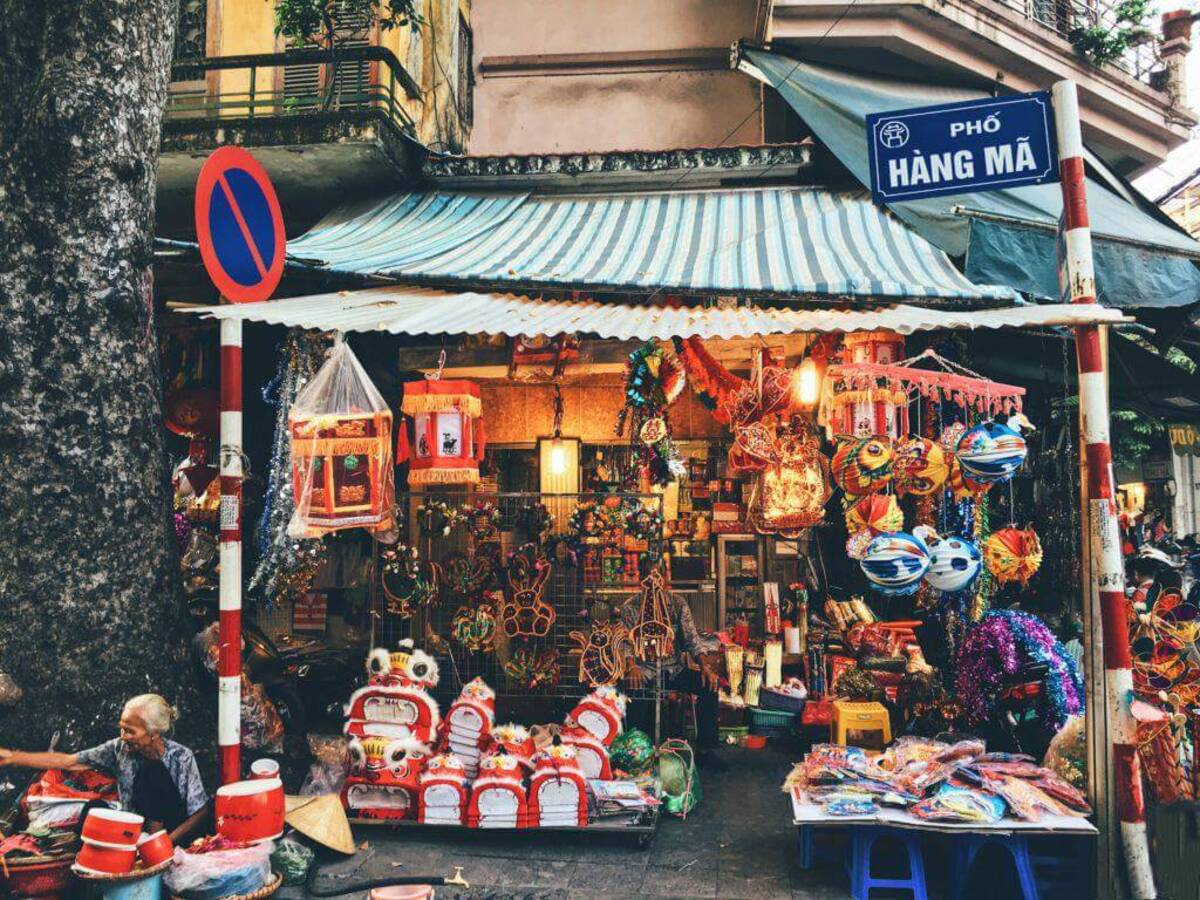
Hanoi Old Quarter is one of Vietnam’s most fascinating historic neighborhoods, famous for its narrow streets, traditional architecture, and vibrant local life. From bustling markets to hidden cafés and street food stalls, every corner offers a glimpse into Hanoi’s rich culture.
Taking a Hanoi Old Quarter walking tour is one of the best ways to discover the capital’s authentic charm. This guide covers the best walking routes, must-visit attractions, local food experiences, and practical travel tips. Whether you enjoy history, photography, or Vietnamese cuisine, exploring the Old Quarter on foot promises a memorable experience.
1. Discover Hanoi Old Quarter: History, Location, and Walking Experience
A Hanoi Old Quarter walking tour is one of the best ways to explore the capital’s history and everyday culture. This historic neighborhood features narrow streets, traditional shops, ancient temples, and countless local food stalls.
Hanoi Old Quarter, famous for its narrow streets, traditional architecture, and vibrant local life. Picture: Internet.
Unlike modern shopping districts, Hanoi Old Quarter preserves traces of centuries-old trading traditions. Walking through its streets allows visitors to experience the city’s lively atmosphere at their own pace.
Where Is Hanoi Old Quarter Located?
Hanoi Old Quarter is located in central Hanoi, just north of Hoan Kiem Lake. Its convenient location makes it easily accessible from many hotels, restaurants, and popular tourist attractions.
The neighborhood consists of interconnected streets filled with traditional houses, markets, cafés, and historic landmarks. Most attractions are within walking distance, making the area ideal for independent exploration.
Key information for visitors:
- Location: Hoan Kiem area, central Hanoi.
- Main starting point: Hoan Kiem Lake, near the northern lakeside.
- Suggested walking distance: Approximately 2–4 kilometers, depending on your route.
- Recommended duration: 2–4 hours, including sightseeing and food stops.
- Entrance fee: Free to explore public streets, although some attractions charge admission.
- Best visiting time: Early morning or late afternoon.
Why Is Hanoi Old Quarter Called the 36 Streets?
Hanoi Old Quarter is traditionally known as the “36 Streets,” reflecting its history as a center of specialized craft guilds. In the past, merchants and artisans gathered along streets dedicated to particular trades.
Many street names begin with “Hàng,” meaning merchandise or goods. These names reflect the products historically sold or produced in each area.
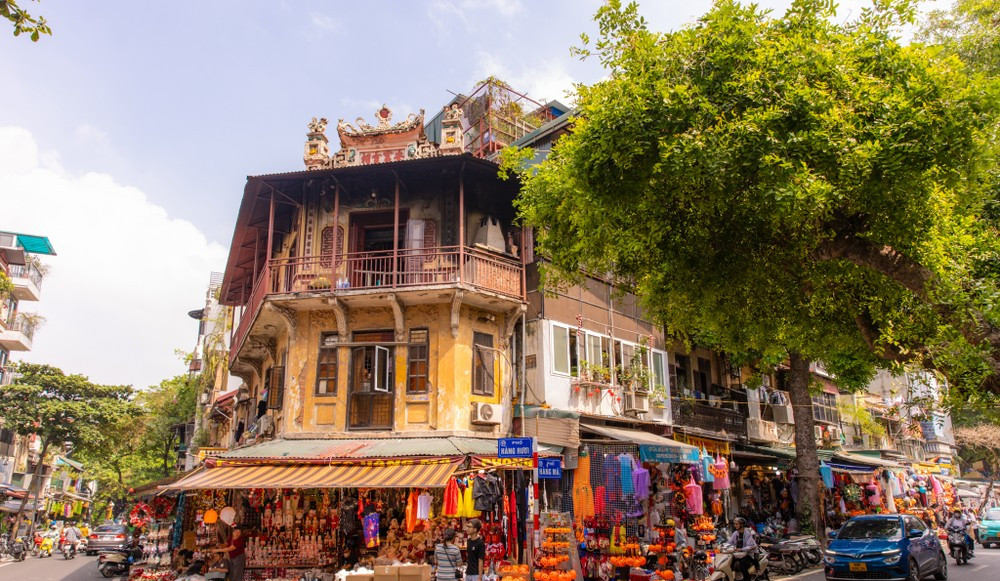
Traditional shopping streets in Hanoi Old Quarter, reflecting the historic 36 Streets trading culture. Picture: Internet.
Although the neighborhood now contains more than 36 streets, several traditional trade names remain. Some streets also continue selling products associated with their original crafts.
Examples include:
- Hang Bac Street: Historically known for silver craftsmanship, with jewelry shops still operating today.
- Hang Gai Street: Famous for silk products, textiles, and traditional clothing.
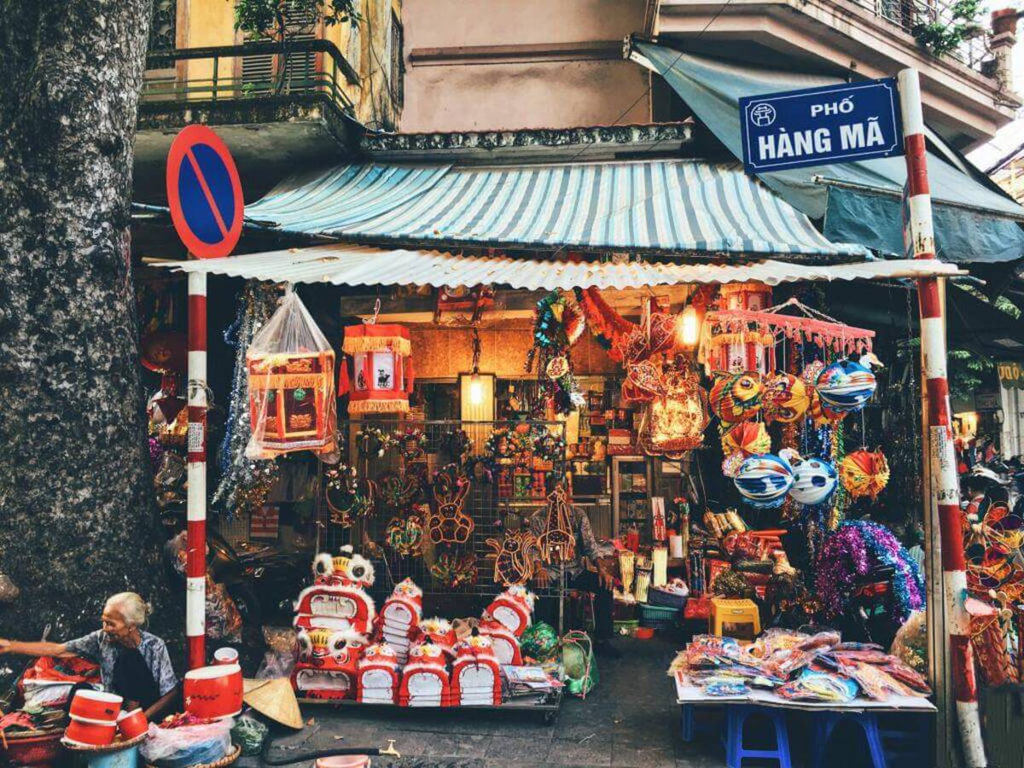
- Hang Ma Street: Known for colorful paper decorations, lanterns, and ceremonial offerings.
- Lan Ong Street: Features traditional herbal medicine shops and aromatic medicinal ingredients.
- Hang Thiec Street: Preserves connections to metalworking through small workshops and shops.
Exploring these streets reveals how Hanoi’s trading traditions have evolved over time. Visitors can also discover traditional architecture hidden behind modern storefronts.
How Long Does a Hanoi Old Quarter Walking Tour Take?
The ideal walking duration depends on how many attractions you want to explore. A short route can cover several famous streets, while a longer tour allows more time for cultural experiences.
| Tour Duration | Recommended Experience |
| 1–2 hours | Explore famous streets and take photos |
| 2–3 hours | Visit historical landmarks and traditional shops |
| 3–4 hours | Combine sightseeing, local food, and café stops |
| Half-day | Enjoy a relaxed walking tour with markets and cultural experiences |
For first-time visitors, a three-hour walking tour offers a comfortable balance between sightseeing and relaxation. However, food lovers and photography enthusiasts may prefer spending half a day in the neighborhood.
Where Should You Start Your Walking Tour?
Hoan Kiem Lake is an excellent starting point because it sits beside the Old Quarter. From here, travelers can gradually explore the historic streets without traveling long distances.
A convenient introductory route follows these stops:
- Hoan Kiem Lake: Begin with a peaceful lakeside walk before entering the busy historic streets.
- Hang Dao and Hang Ngang Streets: Explore traditional shopping streets and historic buildings.
- Hang Bac and Ma May Streets: Discover jewelry shops, narrow houses, and local heritage.
- Bach Ma Temple: Visit a historic temple associated with Hanoi’s spiritual traditions.
- Dong Xuan Market: Finish by exploring one of the city’s largest traditional markets.
This route introduces several important aspects of Hanoi Old Quarter, from commerce to architecture and religion. The following sections explore these attractions and local experiences in greater detail.
Hoan Kiem Lake, a popular starting point for a Hanoi Old Quarter walking tour. Picture: Internet.
Best Time of Day to Explore Hanoi Old Quarter
Early morning is ideal for travelers who prefer cooler temperatures and a quieter atmosphere. Between 7:00 AM and 10:00 AM, visitors can watch local vendors preparing their shops and residents enjoying breakfast.
Meanwhile, late afternoon offers a livelier experience as cafés and street food stalls become busy. The softer sunlight also creates attractive conditions for photography.
On weekends, pedestrian areas around Hoan Kiem Lake provide another enjoyable walking experience. These spaces generally operate from Friday evening through Sunday, with cultural activities and street performances.
However, most Old Quarter streets still carry motorbike and car traffic outside designated pedestrian zones. Therefore, visitors should remain attentive when walking through narrow streets.
Essential Tips for Walking Around Hanoi Old Quarter
Hanoi Old Quarter is relatively easy to explore, but its busy streets can surprise first-time visitors. Preparing a few essentials helps make the experience safer and more comfortable.
- Wear comfortable shoes: Uneven sidewalks and narrow streets require plenty of walking.
- Use offline maps: Download your route before leaving to navigate unfamiliar streets.
- Cross roads carefully: Watch approaching vehicles and use designated crossings whenever possible.
- Bring small cash notes: Many traditional food stalls and local vendors prefer cash.
- Dress respectfully: Wear suitable clothing when visiting temples and religious landmarks.
- Stay hydrated: Carry drinking water, especially during Hanoi’s hot summer months.
Overall, exploring Hanoi Old Quarter on foot provides a fascinating introduction to the city’s history and daily life. With a flexible route and comfortable walking pace, travelers can discover authentic local experiences around every corner.
2. Best Stops on a Hanoi Old Quarter Walking Tour
A Hanoi Old Quarter walking tour takes visitors through historic streets, traditional markets, and fascinating cultural landmarks. Each stop reveals a different aspect of Hanoi’s history, architecture, and everyday life.
The following route begins at Hoan Kiem Lake and continues through the Old Quarter’s famous shopping streets. Along the way, travelers can explore ancient houses, visit temples, and experience authentic local culture.
Stop 1: Hoan Kiem Lake and Ngoc Son Temple
Start your walking tour at Hoan Kiem Lake, one of Hanoi’s most recognizable landmarks. Surrounded by trees and historic buildings, the lake offers a peaceful contrast to the busy streets nearby.
One of its main attractions is Ngoc Son Temple, located on a small island. Visitors reach the temple by crossing The Huc Bridge, famous for its bright red wooden structure.
Inside, the temple features traditional architecture, ancient artifacts, and religious altars. Meanwhile, Turtle Tower stands on a separate island in the lake, creating a beautiful photography backdrop.
Highlights of this stop:
- The Huc Bridge: Capture photos of the iconic red bridge overlooking the water.
- Ngoc Son Temple: Discover traditional Vietnamese spiritual beliefs and historic architecture.
- Turtle Tower: Admire one of Hanoi’s most famous symbols from the lakeside.
- Lakeside activities: Watch locals exercising, walking, and enjoying their morning routines.
Allow approximately 30–45 minutes for sightseeing around the northern lakeside and temple. However, exploring the entire lake requires additional time.
Stop 2: Hang Dao and Hang Ngang Streets – Discover Hanoi’s Trading History
From Hoan Kiem Lake, walk north toward Hang Dao Street, one of the Old Quarter’s historic commercial streets. In the past, this area was associated with silk and dyed fabrics.
Today, Hang Dao features clothing boutiques, fashion accessories, and souvenir shops. Visitors can also admire traditional buildings hidden among modern storefronts.
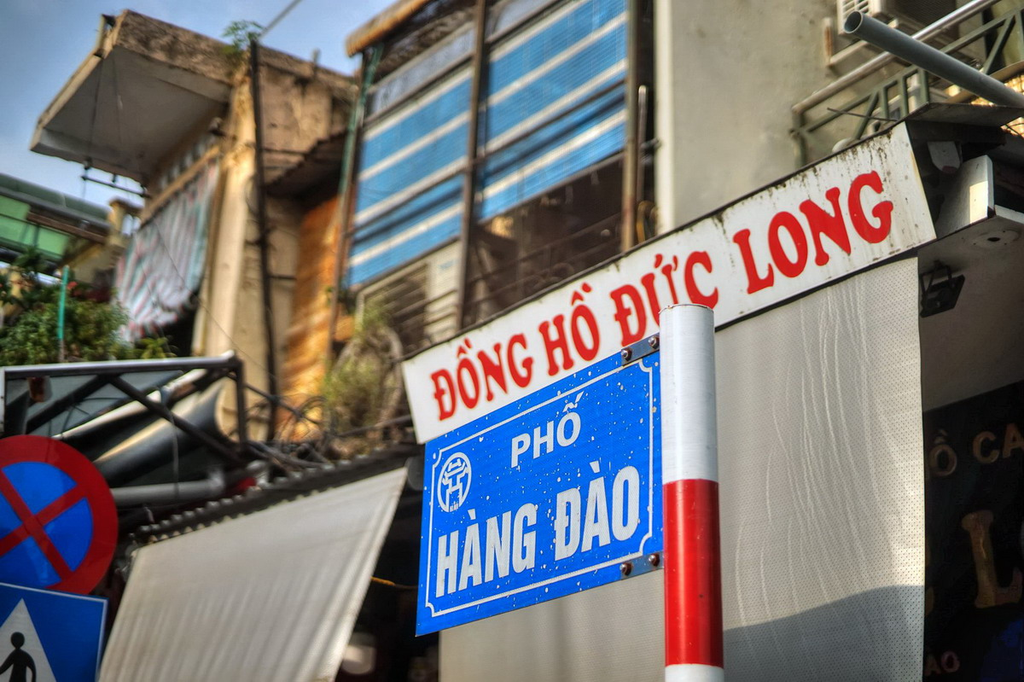
Hang Dao Street in Hanoi Old Quarter, known for its historic trading traditions and bustling shops. Picture: Internet.
Continue to Hang Ngang Street, another important part of Hanoi’s trading heritage. The street combines busy shops with historic buildings that reflect the neighborhood’s changing architecture.
A particularly significant landmark is 48 Hang Ngang Street. This historic house is where President Ho Chi Minh drafted Vietnam’s Declaration of Independence in 1945.
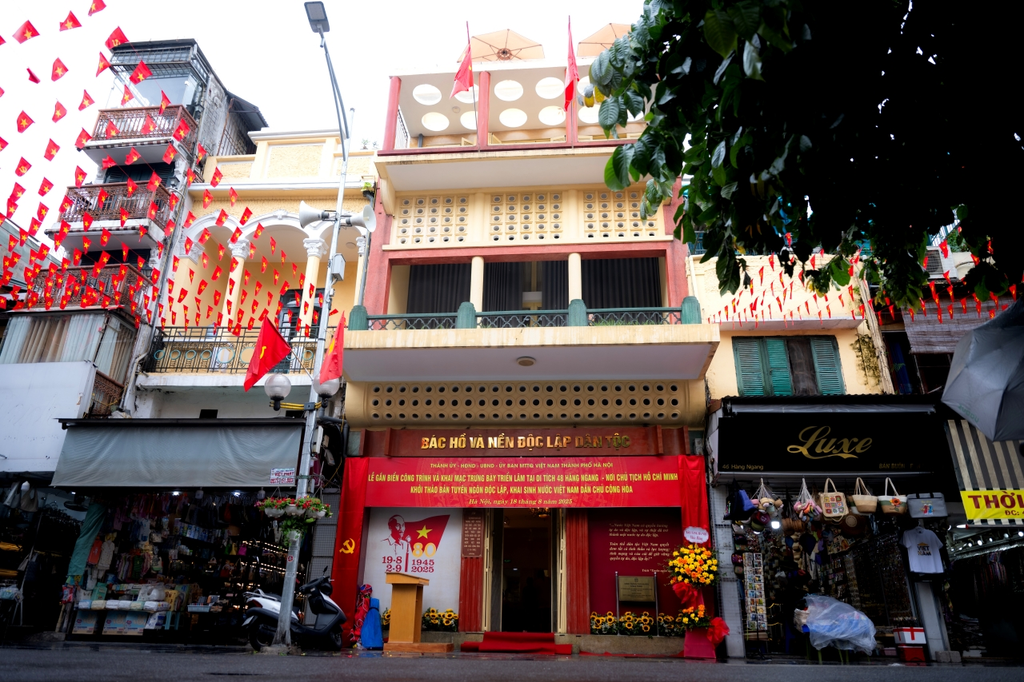
Historic house at 48 Hang Ngang Street, where Ho Chi Minh drafted Vietnam’s Declaration of Independence. Picture: Internet.
The building now preserves memories and exhibits connected to this important historical period. It offers a meaningful cultural stop during your walking tour.
Visitor information for 48 Hang Ngang:
- Address: 48 Hang Ngang Street, Hoan Kiem, Hanoi.
- Opening hours: 8:00 AM–5:00 PM, Monday to Friday.
- Entrance fee: Free.
- Suggested visit: 15–30 minutes.
Stop 3: Hang Bac Street – Explore Traditional Silver Craftsmanship
Continue your journey to Hang Bac Street, historically known as Hanoi’s Silver Street. For centuries, this area has been associated with jewelry making and precious metal trading.
Although many businesses have modernized, the street still features numerous jewelry shops and traditional storefronts. Visitors can browse silver accessories, decorative items, and handcrafted products.
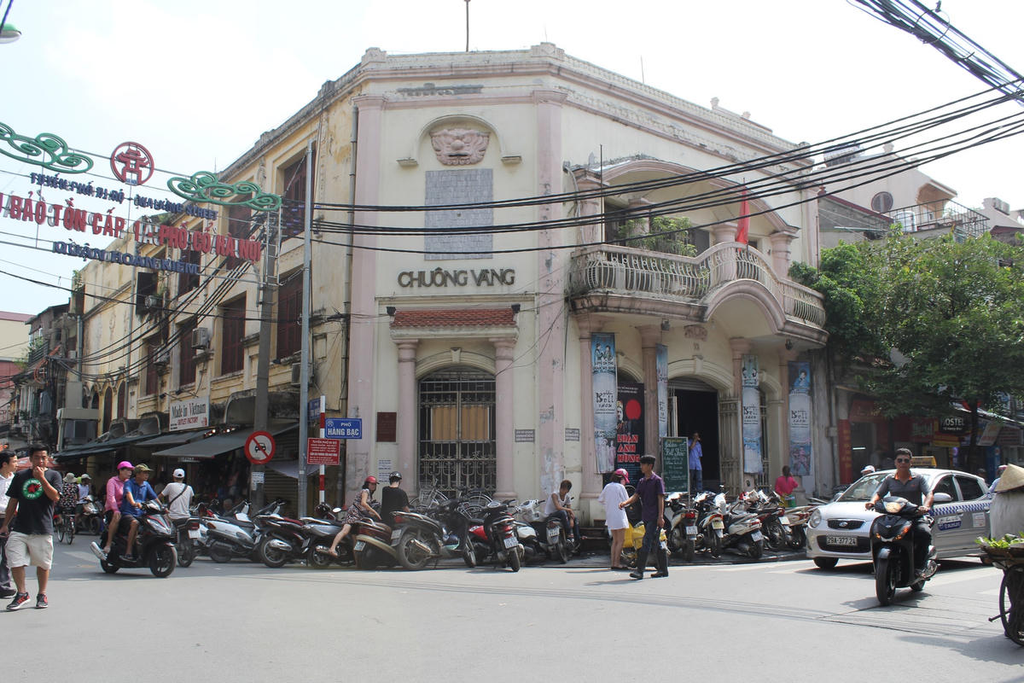
Hang Bac Street in Hanoi Old Quarter, famous for traditional silver craftsmanship and jewelry shops. Picture: Internet.
Pay attention to the narrow building facades and architectural details above the shops. These features reflect the traditional tube houses commonly found throughout Hanoi Old Quarter.
For travelers interested in local craftsmanship, Hang Bac provides an interesting look at the city’s commercial heritage. Spend around 15–20 minutes exploring before continuing to Ma May Street.
Stop 4: Ma May Ancient House – Experience Traditional Hanoi Architecture
Ma May Street is famous for its historic houses, small shops, and lively local atmosphere. One of its most important attractions is the heritage house at 87 Ma May Street.
This restored traditional residence offers visitors a glimpse into life in Hanoi’s Old Quarter during earlier centuries. The building features a narrow facade, interior courtyards, wooden furniture, and traditional living spaces.
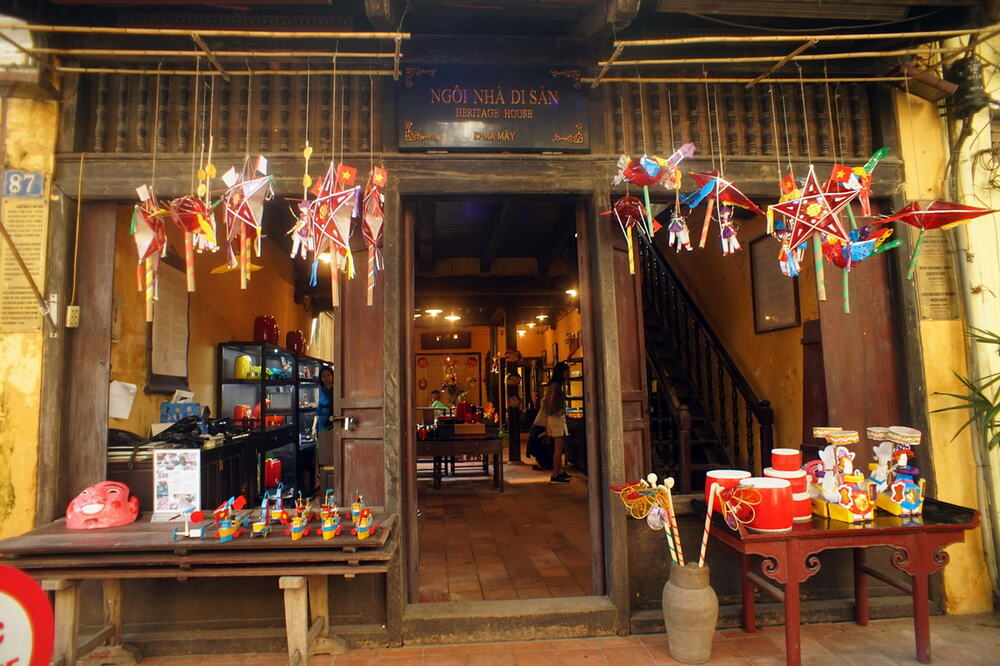
Ma May Ancient House at 87 Ma May Street, showcasing traditional Hanoi tube house architecture. Picture: Internet.
Unlike modern Vietnamese houses, traditional tube houses were designed with long, narrow layouts. Interior courtyards helped bring natural light and ventilation into the building.
Visitors can explore different rooms and learn how merchant families combined business and residential activities.
What to look for inside the house:
- Traditional wooden furniture: Discover household items and interior decorations from earlier periods.
- Open courtyards: See how natural light and airflow were incorporated into the architecture.
- Family living spaces: Explore rooms used for everyday household activities.
- Historic design: Admire wooden staircases, tiled roofs, and traditional structural details.
Address: 87 Ma May Street, Hoan Kiem, Hanoi.
Allow approximately 20–30 minutes for this stop. The heritage house reopened to visitors in January 2026, although opening arrangements and ticket policies may change.
Stop 5: Bach Ma Temple – Discover Hanoi’s Spiritual Heritage
Next, walk toward Bach Ma Temple at 76 Hang Buom Street. This historic temple is considered one of the oldest religious landmarks in Hanoi’s Old Quarter.
Bach Ma Temple in Hanoi Old Quarter, an ancient spiritual landmark with traditional Vietnamese architecture. Picture: Internet.
The temple is associated with Long Do, a protective deity of ancient Thang Long. According to local legend, a white horse helped guide the construction of the city’s historic defenses.
Inside, visitors can admire traditional altars, decorative carvings, and religious artifacts. The peaceful atmosphere contrasts with the busy commercial streets outside.
Bach Ma Temple is also part of the Thang Long Four Sacred Temples tradition. These temples symbolically protected the historic capital from different directions.
Spend around 15–20 minutes exploring the temple. Remember to dress respectfully and avoid disturbing worshippers.
Stop 6: O Quan Chuong Gate – See a Surviving Historic City Gate
Continue toward O Quan Chuong, located near the eastern end of Hang Chieu Street. This historic landmark is a surviving gateway associated with Hanoi’s old defensive walls.
The gate features three arched entrances and an upper watchtower with traditional roofing. Its architecture reflects the city’s historical defensive structures and urban development.
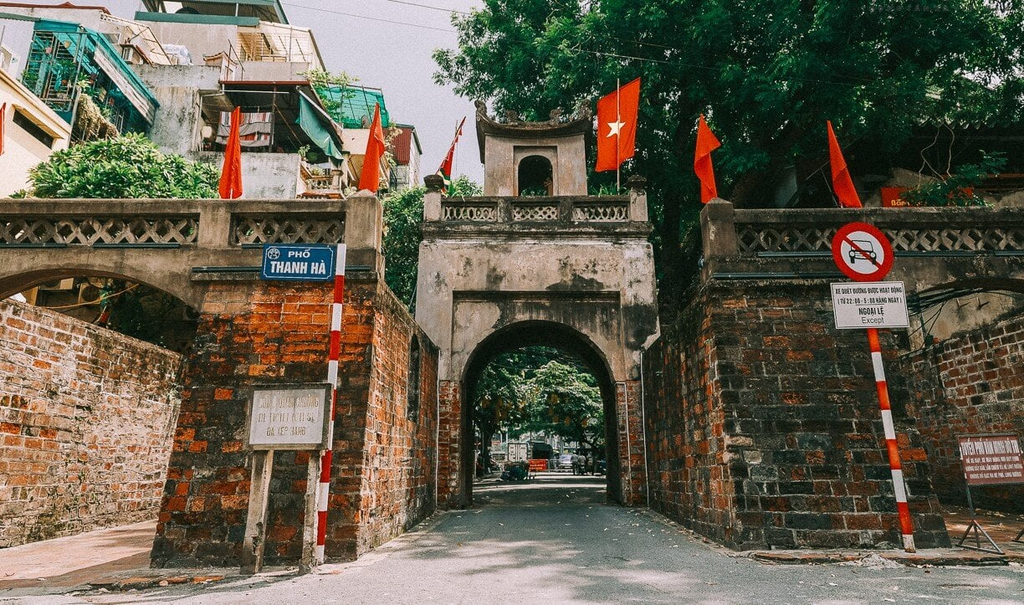
O Quan Chuong Gate, a surviving historic city gate in Hanoi Old Quarter. Picture: Internet.
Unlike many preserved monuments, O Quan Chuong remains part of the surrounding streetscape. Visitors can observe everyday traffic and local activities around the historic structure.
The gate is particularly interesting for photography because of its distinctive architectural details. However, take photographs from safe positions without obstructing traffic.
Allow approximately 10–15 minutes for a short stop before continuing to Dong Xuan Market.
Stop 7: Dong Xuan Market – Experience Traditional Hanoi Shopping
Finish your walking tour at Dong Xuan Market, one of Hanoi’s largest traditional wholesale markets. Located at the northern end of the Old Quarter, the market has served local traders for generations.
Inside, visitors can explore stalls selling fabrics, clothing, accessories, household products, and traditional Vietnamese goods. The lively environment offers an introduction to Hanoi’s everyday commercial culture.
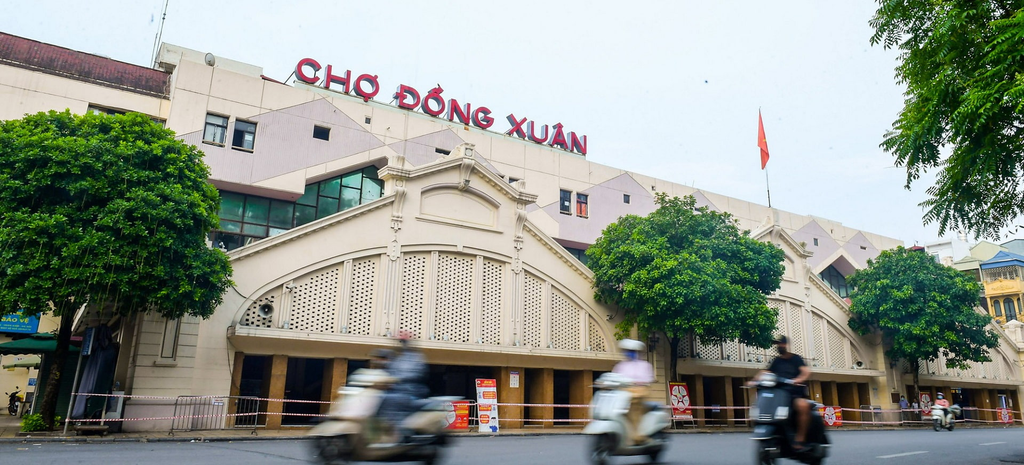
Dong Xuan Market, one of Hanoi’s largest traditional markets for shopping and local goods. Picture: Internet.
The surrounding streets also feature small shops and food vendors. Therefore, the market area is an excellent place to end your walking tour with a local snack.
Popular foods to try around Dong Xuan Market:
- Bún Chả: Grilled pork served with rice noodles, fresh herbs, and dipping sauce.
- Bún Riêu: Tomato-based noodle soup featuring crab, tofu, and fresh vegetables.
- Bánh Cuốn: Steamed rice rolls filled with minced pork and mushrooms.
- Chè: Traditional Vietnamese desserts made with beans, jelly, and coconut milk.
For shopping, compare prices and ask whether products are sold individually or wholesale. Some vendors primarily serve local businesses and may require larger purchases. Spend approximately 30–45 minutes exploring the market and nearby food streets.
Read for more information:
- https://abite.asia/hanoi-street-food-10-local-dishes-every-first-time-visitor-should-try/
- https://abite.asia/hanoi-autumn-travel-guide-weather-experiences-and-local-flavors/
At Abite.asia, we specialize in curated Vietnam tours for international travelers, ensuring an authentic and hassle-free experience. Let us take care of your journey so you can fully embrace the beauty of Vietnam. Contact us today at +84363770835 to start planning your adventure!




Leave a Reply