
Bai Dinh Pagoda is one of the most significant spiritual destinations in Vietnam. Located in the scenic Ninh Binh Province, it draws visitors not just for its massive scale, but also for its rich cultural heritage and breathtaking natural surroundings. As the largest Buddhist complex in Southeast Asia, Bai Dinh Pagoda is a highlight of any spiritual tour in Ninh Binh. This article guides you through what makes this site so extraordinary—from its history and architecture to practical travel tips.
1. Where Is Bai Dinh Pagoda?
Bai Dinh Pagoda is situated in Gia Sinh Commune, Gia Vien District, in Ninh Binh Province, approximately 100 kilometers south of Hanoi. Nestled on Bai Dinh Mountain and located within the Trang An Scenic Landscape Complex (a UNESCO World Heritage site), this spiritual destination is both culturally significant and visually captivating. The site is easily accessible, making it a top stop for travelers on a spiritual or cultural tour of northern Vietnam.

Image for illustrative purposes only. Source: Collected online.
Getting to Bai Dinh Pagoda from Hanoi
There are several convenient ways to travel to Bai Dinh Pagoda from the capital:
- By private car or motorbike: The drive from Hanoi takes roughly 2 to 2.5 hours via the Phap Van – Cau Gie expressway, then transitioning onto National Route 1A.
- By train: Trains run daily from Hanoi to Ninh Binh station. From there, it takes about 30 minutes by taxi or local transfer to reach the pagoda.
- By organized tour: Many Hanoi-based travel companies offer full-day tours combining Bai Dinh with other Ninh Binh attractions like Trang An or Hoa Lu.
Choosing a guided tour is often the most convenient for first-time visitors, as it usually includes transportation, entry assistance, and a knowledgeable guide.
Its Location Within Trang An
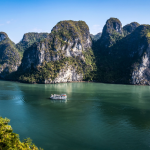
Being part of the Trang An Complex means dramatic limestone karsts, lush rice paddies, and winding rivers surround Bai Dinh. The natural environment enhances the temple’s spiritual ambiance and provides plenty of photo opportunities. Visitors can pair a visit here with a boat trip in Trang An or hiking in Mua Cave for a well-rounded experience.
Nearby Facilities and Accessibility
- Electric buggies transport visitors from the parking area to the main pagoda, which is particularly helpful due to the complex’s size.
- Facilities such as restrooms, eateries, souvenir shops, and information booths are readily available near the entrance.
- The site is wheelchair accessible in most major areas, though some ancient cave sections may require moderate climbing.
With its spiritual atmosphere, beautiful surroundings, and easy access from Hanoi, Bai Dinh Pagoda is the perfect cultural day trip or addition to a longer Ninh Binh itinerary.
2. The History and Spiritual Significance of Bai Dinh Pagoda
Bai Dinh Pagoda is more than just the largest pagoda in Vietnam — it is a powerful symbol of spiritual devotion and national identity. Spanning over 700 hectares, the complex includes both an ancient temple site and the newly built Bai Dinh Temple, reflecting Vietnam’s long-standing Buddhist tradition and cultural continuity.

Image for illustrative purposes only. Source: Collected online.
Origins of the Ancient Bai Dinh Pagoda
The original Bai Dinh Pagoda dates back over a thousand years, during the Dinh Dynasty. Nestled in the forested slopes of Dinh Mountain, the ancient pagoda was a place of meditation and worship for monks seeking peace in nature. According to legend:
- The site was chosen by Zen Master Nguyen Minh Khong, who is said to have discovered a mystical energy source there.
- The caves at the ancient site were used as shrines for Buddha, local gods, and even the mountain spirits.
Although modest in size, the original temple exudes a powerful spiritual aura, attracting pilgrims and seekers of inner peace.
The Construction of the New Complex
The modern Bai Dinh Temple was constructed between 2003 and 2010 to celebrate Vietnamese Buddhism on a grand scale. This new section was designed to preserve traditional architecture while introducing awe-inspiring scale. Notable features include:
- A 13-story stupa containing relics of the Buddha, gifted from India.
- 500 Arhat statues, each carved uniquely from stone.
- The bronze Buddha statue, weighing 100 tons, one of the largest in Southeast Asia.
These structures aren’t just impressive due to size — they embody sacred meaning and artistic excellence.
Spiritual Importance for Vietnamese Buddhism
Bai Dinh is now a major site for Buddhist festivals, especially during Tet (Lunar New Year) and Bai Dinh Festival (from the 6th day of the first lunar month). During these events:
- Thousands of monks and pilgrims gather to chant sutras and pray for peace.
- Cultural rituals such as water processions and incense offerings are performed.
- Visitors are invited to reflect, give offerings, and explore Buddhist teachings.
Bai Dinh Pagoda continues to serve not only as a tourist destination but also as a spiritual beacon in Vietnam. It stands as a testimony to the country’s enduring faith and cultural resilience.
3. Architectural Highlights of Bai Dinh Pagoda
Bai Dinh Pagoda is not just vast in size — it is a masterpiece of Vietnamese spiritual architecture. The design blends ancient aesthetics with grand scale, using materials and craftsmanship that reflect the essence of Vietnamese heritage. Every detail in the complex contributes to a larger narrative of devotion, harmony, and cultural pride.

Image for illustrative purposes only. Source: Collected online.
Traditional Materials and Construction Style
The structures within Bai Dinh Pagoda follow traditional Vietnamese Buddhist architecture, with a modern sense of scale. The buildings are constructed from:
- Dark wood, specifically ironwood (lim), symbolizing strength and endurance.
- Bat Trang ceramic tiles, known for their durability and beauty.
- Stone and copper, used in statues, staircases, and decorative elements.
The layout includes sweeping tiled roofs, dragon-shaped carvings, and large courtyards that mirror ancient dynastic temples while accommodating thousands of visitors.
The 500 Arhat Statues
One of the most impressive features is the corridor of 500 Arhat statues, stretching more than 3 kilometers in total. These statues represent enlightened disciples of Buddha, each carved with a unique expression and posture. They serve both as:
- A visual journey through Buddhist philosophy.
- A spiritual experience where visitors can walk and reflect on each stage of enlightenment.
This monumental path also offers shaded walkways with panoramic views of the surrounding mountains.
The Giant Bronze Buddha and Stupa
At the heart of the complex stands the Great Buddha Hall, housing a 100-ton bronze statue of Sakyamuni Buddha. Nearby, the 13-story stupa rises above the landscape, becoming a landmark visible from kilometers away. This stupa contains:
- Sacred relics of the Buddha, gifted from India and Myanmar.
- Viewing platforms that offer sweeping views of the entire complex and nearby mountains.
The stupa and Buddha hall together embody the union of heaven and earth — a core concept in Buddhist cosmology.
In short, Bai Dinh’s architecture is not just visually stunning — it’s deeply symbolic. Each corner, column, and carving tells a story of spiritual aspiration, rooted in Vietnam’s history and Buddhist tradition.
4. What to See and Do at Bai Dinh Pagoda
Bai Dinh Pagoda offers visitors a rich blend of cultural discovery, spiritual practice, and scenic beauty. Whether you’re a history lover, a spiritual traveler, or a curious tourist, there’s plenty to explore throughout the expansive grounds.

Image for illustrative purposes only. Source: Collected online.
Walk Through the Ancient and New Pagodas
Bai Dinh is divided into two areas: the ancient pagoda on the mountain and the newly built complex below. Both are worth visiting:
- Ancient Pagoda: Located on a hill, it features stone caves and old shrines dating back over 1,000 years. Visitors can hike up to enjoy a peaceful, sacred atmosphere and admire ancient Buddhist relics.
- New Bai Dinh Complex: This vast modern structure includes bronze statues, the Arhat corridor, bell and drum towers, and the stupa. It’s an architectural marvel built to host large numbers of pilgrims and tourists.
Ring the Giant Bell
Don’t miss the Bell Tower, which houses a 36-ton bronze bell — one of the largest in Vietnam. Visitors can gently strike the bell for good luck and listen as its deep sound resonates across the valley.
Visit the Bodhisattva and Buddha Statues
You’ll find multiple impressive statues throughout the site:
- Guan Yin Bodhisattva: A majestic statue of compassion and mercy.
- Maitreya Buddha: Symbolizing happiness and future prosperity.
- Three Golden Buddhas: Representing the past, present, and future.
These statues are not only stunning to view but also significant in Buddhist teachings.
Climb the Stupa for Panoramic Views
Climbing to the top of the 13-story stupa is one of the most rewarding experiences. You can:
- Take an elevator for convenience or climb the stairs for a more immersive experience.
- Enjoy panoramic views of Ninh Binh’s limestone mountains, lush rice fields, and the vast temple grounds.
From spiritual rituals to architectural wonders, Bai Dinh Pagoda offers a full cultural immersion — a must-do stop on your journey through northern Vietnam.
5. Best Time to Visit Bai Dinh Pagoda
Visiting Bai Dinh Pagoda at the right time enhances both the spiritual and visual experience. From seasonal festivals to ideal weather conditions, planning your trip wisely will ensure a more meaningful and comfortable journey.

Image for illustrative purposes only. Source: Collected online.
Ideal Seasons for Comfortable Travel
While Bai Dinh Pagoda is open year-round, the best time to visit is during:
- Spring (January to April): This is the most popular period, especially during the Bai Dinh Pagoda Festival, which starts on the sixth day of the Lunar New Year and lasts through the third lunar month. The weather is mild, flowers are blooming, and the festive atmosphere adds cultural vibrance.
- Autumn (September to November): With cooler temperatures and fewer crowds, autumn is ideal for travelers who prefer a quieter, more contemplative visit.
Avoiding Peak Crowds
If you want to avoid large tour groups and long queues:
- Visit on weekdays, particularly in the early morning or late afternoon.
- Avoid Vietnamese public holidays and Tet (Lunar New Year) unless you wish to witness the festive chaos firsthand.
Opening Hours and Entrance Fees
To plan effectively, take note of the following:
- Opening hours: 6:00 AM – 6:00 PM daily
- Entry fees:
- Visiting the temple is free, but electric car transport (recommended for the vast complex) costs around 30,000 – 60,000 VND round-trip.
- There may be additional small charges to enter the Stupa or use the elevator.
- Visiting the temple is free, but electric car transport (recommended for the vast complex) costs around 30,000 – 60,000 VND round-trip.
Knowing when and how to visit helps you make the most of your experience at Bai Dinh Pagoda. Whether you seek cultural enrichment or peaceful reflection, timing your visit well can make all the difference.
6. Cultural Etiquette and Travel Tips
A visit to Bai Dinh Pagoda is not just a sightseeing experience—it’s also a chance to connect with Vietnam’s deep spiritual traditions. To show respect and make your journey smooth, understanding local etiquette and practical tips is essential.

Image for illustrative purposes only. Source: Collected online.
Dress Modestly and Respectfully
As a sacred Buddhist site, Bai Dinh Pagoda expects visitors to dress appropriately:
- Wear clothes that cover your shoulders and knees.
- Avoid tight-fitting or revealing outfits.
- Bring a light jacket or shawl if you’re wearing sleeveless attire.
Behave with Reverence
When entering temples or shrine halls:
- Speak softly and maintain a calm demeanor.
- Remove your shoes before stepping inside sacred buildings.
- Do not touch or lean on Buddha statues or altars.
Additionally, taking photos is allowed in many areas, but avoid flash photography in prayer rooms and ask for permission when photographing monks or worshippers.
Useful Travel Tips
To ensure a convenient and enjoyable trip:
- Hydrate and bring snacks: The walking distance across the complex is significant, especially in warm weather.
- Use electric carts: These save time and energy when moving between upper and lower temple areas.
- Bring cash: Some small stalls or local services may not accept cards or mobile payments.
Respect Local Traditions
Bai Dinh is a living religious site. Many locals visit not as tourists but to pray and make offerings. Observing how they behave and following suit can deepen your cultural understanding and foster a respectful atmosphere for everyone.
By following these guidelines, you not only show respect to local customs but also enhance your overall experience at Bai Dinh Pagoda.
7. Why Bai Dinh Pagoda Is a Must-Visit in Vietnam
Bai Dinh Pagoda offers more than its grand scale—it delivers a powerful blend of cultural richness, spiritual depth, and natural serenity. It’s a destination that resonates with every kind of traveler, whether you’re drawn to architecture, nature, history, or peaceful reflection.

Image for illustrative purposes only. Source: Collected online.
A Landmark of Scale and Significance
Bai Dinh is recognized as the largest pagoda complex in Vietnam and Southeast Asia. Its many records include:
- The largest bronze Buddha statue in Vietnam (over 100 tons).
- The longest Arhat corridor in Asia, featuring more than 500 stone statues.
- The biggest bell tower in Vietnam, with a 36-ton bronze bell.
These features are not merely for display—they reflect the Vietnamese people’s enduring faith and dedication to Buddhist teachings.
A Cultural Journey in a Tranquil Setting
Surrounded by mountains and lakes, Bai Dinh offers a peaceful environment rarely found in major tourist hubs. As you explore:
- You’ll walk through lush landscapes and well-maintained stone paths.
- You’ll discover layers of history and spirituality, from ancient shrines to modern temple structures.
It’s a place where centuries of tradition meet present-day devotion, offering a deeper look into Vietnamese religious life.
A Unique Stop on Your Ninh Binh Itinerary
Located just a short drive from Trang An and Hoa Lu, Bai Dinh is easy to include in a broader Ninh Binh day trip. It’s perfect for:
- Travelers seeking a meaningful cultural experience.
- Spiritual tourists looking for a meditative space.
- Families and tour groups exploring Vietnam’s historical roots.
Bai Dinh Pagoda isn’t just a destination—it’s an experience that lingers long after you’ve left.
Read for more information:
- Thung Nham Bird Park: A Tranquil Escape into Nature in Ninh Binh
- Exploring Phat Diem Stone Church: A Hidden Gem of Catholic Heritage in Ninh Binh
At Abite.asia, we specialize in curated Vietnam tours for international travelers, ensuring an authentic and hassle-free experience. Let us take care of your journey so you can fully embrace the beauty of Vietnam. Contact us today at +84363770835 to start planning your adventure!




Leave a Reply