
Tucked away in the dramatic limestone landscapes of Ninh Binh, Cao Son Temple offers a peaceful retreat for travelers seeking authenticity and cultural depth. This hidden temple honors the revered Cao Son deity—protector of the mountains—and serves as a spiritual anchor in the heart of nature. From ancient legends to breathtaking views, the site connects visitors to Vietnam’s rich religious heritage. In this guide, we’ll explore why Cao Son Temple is a must-visit for those intrigued by tradition, tranquility, and the untold stories of Ninh Binh.
1. Where Is Cao Son Temple Located?
Cao Son Temple is tucked away in the heart of Ninh Binh, near the tranquil Trang An grottoes. Set on a gentle hillside in Hoa Lu District, this sacred shrine marks the entrance to ancient mountain worship associated with the Cao Son deity. Despite its spiritual prestige, Cao Son Temple remains a hidden temple in Ninh Binh—less visited yet rich with cultural depth. In this section, you’ll learn how to reach it, what natural surroundings frame it, and why its setting enhances the spiritual experience.
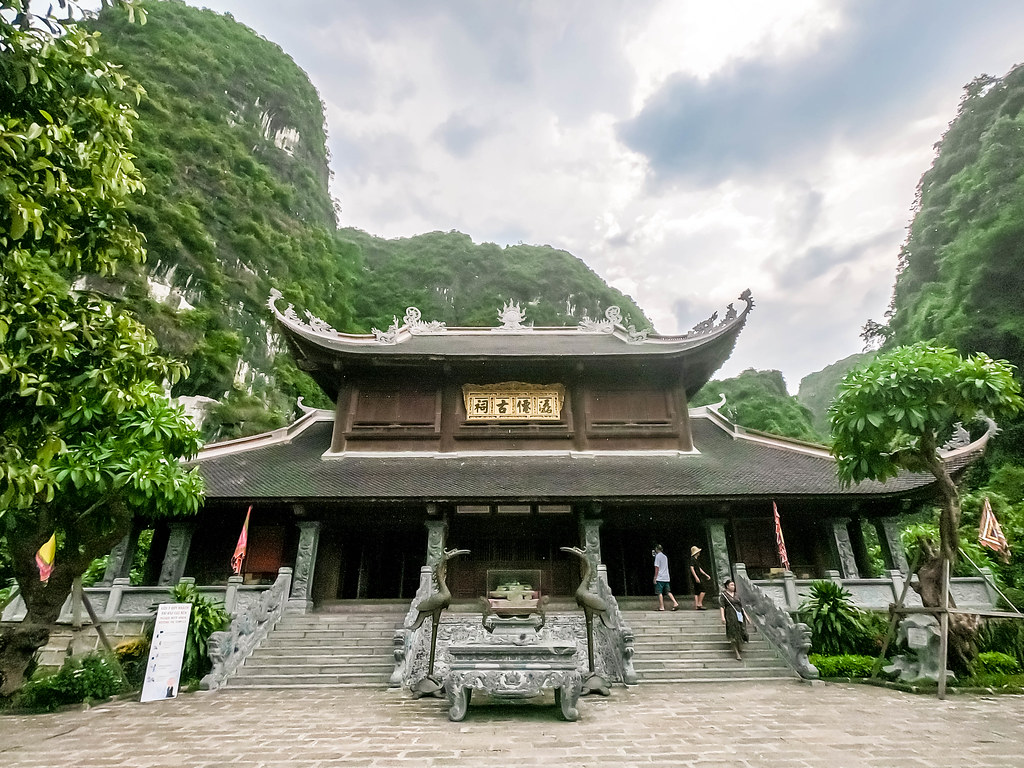
Image for illustrative purposes only. Source: Collected online.
How to Reach Cao Son Temple
- By boat: You can join a Trang An boat tour (Route 2) which passes through rivers and caves and then docks near Cao Son Temple. This scenic journey brings you directly to the temple gate.
- By road: From Trang An parking area, it is a short walk (about 500 meters) or motorbike ride through lush greenery to reach the temple complex.
- From Ninh Binh city: It takes roughly 15 minutes by car or motorbike to reach the Trang An visitor center. From there, follow local signs or maps to Cao Son Temple.
Scenic Surroundings and Context
Set amid limestone peaks and reflective waterways, Cao Son Temple blends harmony of nature and worship. Visitors immediately notice:
- Rice paddies and karst cliffs that rise sharply behind the temple
- Quiet pathways framed by bamboo thickets, birdsong, and gentle breezes
- A hushed ambiance where the temple’s presence feels like part of the landscape
Nearby Landmarks
- Trang An Grottoes: A UNESCO‑listed site renowned for waterway tours
- Hoa Lu Ancient Capital: Historic temples honoring Vietnamese dynasties
- Other spiritual shrines: Small pagodas scattered across the foothills
Despite its proximity to notable attractions, Cao Son Temple holds a quiet charm. Rather than competing with crowded sites, it invites visitors to pause and reflect within its peaceful mountain setting.
2. The Historical Roots and Cultural Significance of Cao Son Temple
Cao Son Temple stands as a spiritual stronghold deeply woven into the cultural heritage of Ninh Binh. Dedicated to the Cao Son deity, this temple reflects Vietnam’s long-standing reverence for mountain gods—protectors of land, water, and agriculture. The shrine is not only a religious site but also a symbol of harmony between humans and nature, tracing its origins back centuries.
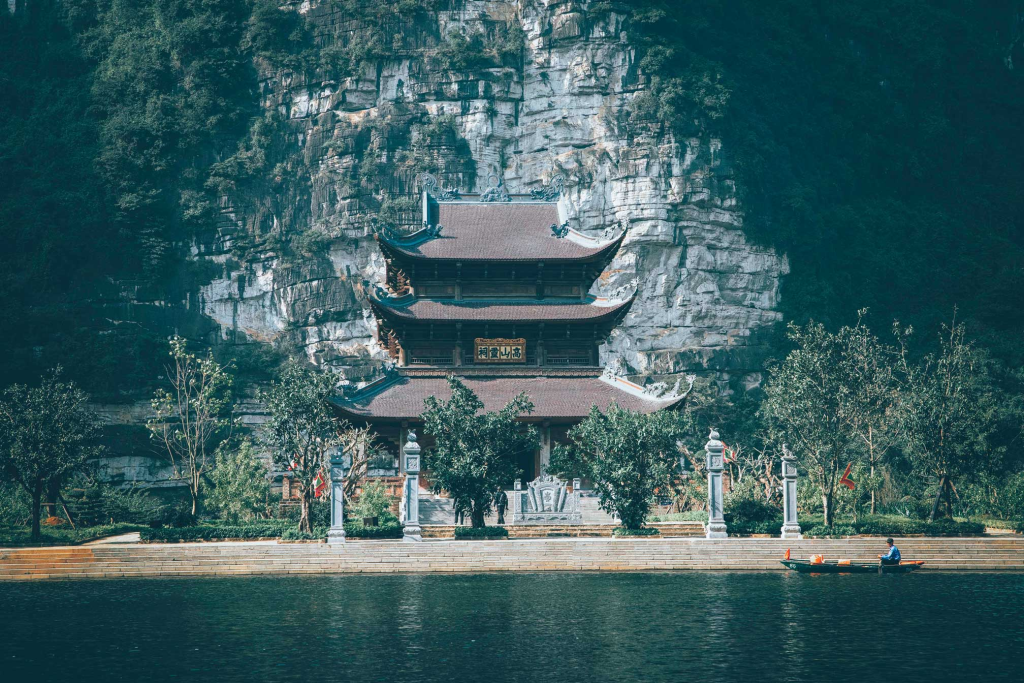
Image for illustrative purposes only. Source: Collected online.
Honoring the Cao Son Deity
According to historical records and local legends:
- Cao Son is believed to be a mountain god worshipped since the Dinh and Le dynasties.
- He is honored as the guardian of the western Hoa Lu region, protecting the ancient capital and its people.
- His power is associated with natural forces—especially the limestone mountains, rivers, and forested terrain of Trang An.
In ancient Vietnamese animism, spirits of mountains held great importance. The Cao Son Temple, therefore, was built as a mark of gratitude and spiritual safeguarding.
Role in Hoa Lu’s Historical Identity
Cao Son Temple’s origins connect closely with the Hoa Lu Ancient Capital, once the political center of Vietnam during the 10th and 11th centuries. During this period:
- Temples were often constructed at mountain foothills to invoke divine protection.
- The Cao Son deity was one of the four principal gods worshipped in Hoa Lu, along with God Quy Minh, God Thien Ton, and Princess Dinh.
This context explains why Cao Son Temple remains a vital part of local rituals, especially during festivals like the Hoa Lu Festival, where locals gather to offer incense and preserve ancestral worship.
Enduring Spiritual Value
Even today, Cao Son Temple retains its role as:
- A place for local farmers and fishermen to seek blessings
- A stop for pilgrims on spiritual tours of Ninh Binh
- A cultural anchor linking past and present through sacred storytelling
Through its peaceful atmosphere and deep cultural layers, the temple continues to draw those who wish to connect with Vietnam’s spiritual roots beyond the mainstream tourist path.
3. Architectural Features and Natural Setting of Cao Son Temple
Cao Son Temple may not be as grand as other famous Vietnamese temples, but its understated elegance and harmonious setting make it a true gem for cultural travelers. Built into the limestone hills of the Trang An region, the temple represents a classic blend of ancient Vietnamese religious architecture and natural beauty.

Image for illustrative purposes only. Source: Collected online.
Traditional Vietnamese Temple Design
The architecture of Cao Son Temple follows time-honored Vietnamese design principles:
- Three-gate entrance (Tam Quan): Marks the sacred boundary between the spiritual and earthly worlds.
- Wooden beams and tiled roof: Made from ironwood and traditional terracotta tiles, evoking an aged, rustic charm.
- Main shrine (Chính điện): Houses the altar of the Cao Son deity, often adorned with carved motifs of dragons and phoenixes.
Though modest in scale, the temple layout demonstrates reverence for balance, symmetry, and spiritual orientation—a common feature in temples across Vietnam.
Integration with the Landscape
The most striking aspect of Cao Son Temple is its seamless integration into the surrounding environment. The temple is nestled at the base of a limestone mountain and bordered by lush vegetation and rice paddies. This natural backdrop offers a peaceful setting for reflection and exploration.
Key natural elements include:
- Towering karst cliffs behind the temple, symbolizing protection and permanence.
- A clear stream that flows nearby, believed to carry spiritual energy.
- Shade trees and moss-covered stone paths, contributing to a timeless atmosphere.
A Place of Peace and Seclusion
Unlike more popular spiritual destinations, Cao Son Temple remains relatively untouched by mass tourism. This makes it ideal for:
- Visitors seeking quiet, meditative experiences
- Travelers interested in hidden temples in Ninh Binh
- Photographers drawn to contrasts between man-made structures and raw nature
This tranquil setting reinforces the temple’s spiritual role while offering a genuine and unspoiled glimpse into local Vietnamese worship practices.
5. Best Time to Visit Cao Son Temple
Cao Son Temple offers a serene spiritual escape year-round, but timing your visit well can enhance both your experience and the natural beauty surrounding the site. With the right planning, you can enjoy both favorable weather and the vibrant atmosphere of local festivals.
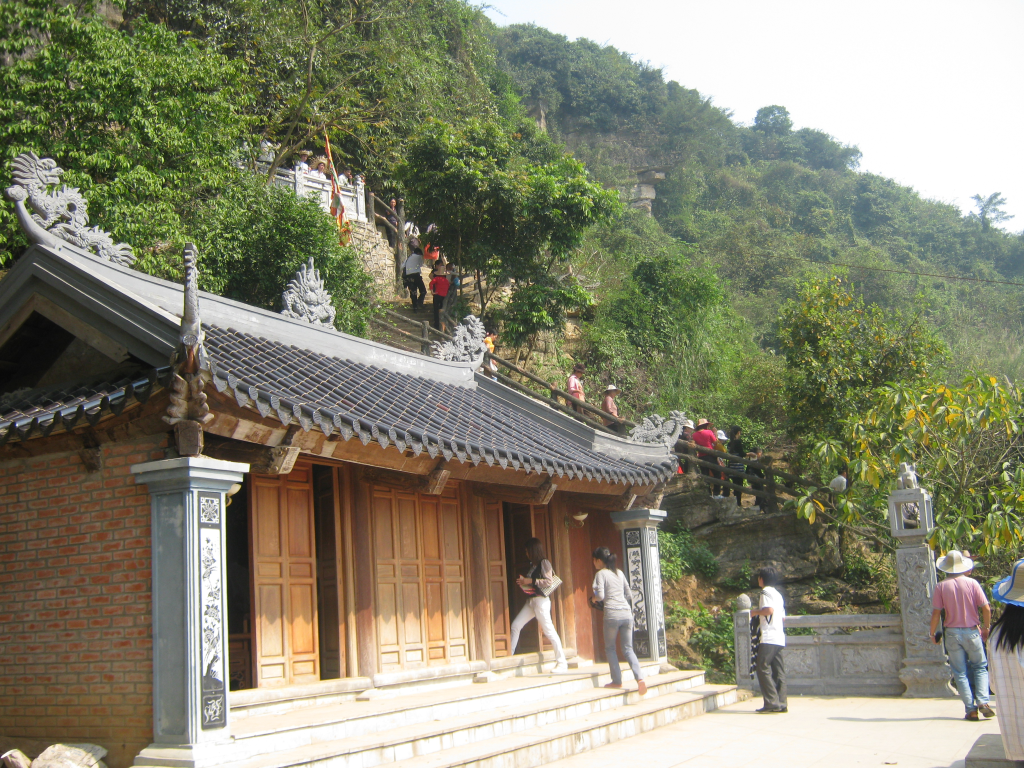
Image for illustrative purposes only. Source: Collected online.
Ideal Seasons for Scenic Beauty
To witness Cao Son Temple in its most picturesque form, consider visiting during the following periods:
- Late Spring (March to May): This is the most pleasant time, with mild temperatures, clear skies, and blooming flowers surrounding the temple grounds.
- Early Autumn (September to November): Cool breezes and golden rice fields offer a tranquil backdrop for photography and spiritual contemplation.
Avoid visiting in the peak of summer (June to August), as high temperatures and occasional downpours may make the journey uncomfortable. Likewise, the rainy season can cause slippery paths in the limestone terrain.
Visiting During Local Festivals
For those seeking a deeper cultural connection, timing your visit with local temple festivities adds another dimension to the experience. The most notable event associated with Cao Son Temple is:
- Cao Son Festival (mid-lunar February)
This traditional celebration draws local worshippers who pay tribute to the Cao Son deity with incense offerings, traditional performances, and folk games.
Attending during this time allows you to:
- Observe authentic spiritual practices
- Participate in cultural activities with local communities
- Capture vivid photos of rituals and traditional garments
Weekday vs. Weekend Visits
- Weekdays: Offer quiet surroundings, fewer visitors, and more personal space to reflect.
- Weekends or public holidays: Slightly busier, especially among domestic tourists, but still relatively peaceful compared to major attractions.
Whether you seek spiritual reflection, cultural immersion, or simply a quiet walk through history, choosing the right time to visit Cao Son Temple ensures your journey is as meaningful as it is memorable.
6. Travel Tips and Visitor Etiquette
Visiting Cao Son Temple is not only a journey through Vietnam’s spiritual heritage but also an opportunity to respect local traditions and natural surroundings. To make the most of your visit, a few key travel tips and etiquette guidelines will ensure a smooth and respectful experience.
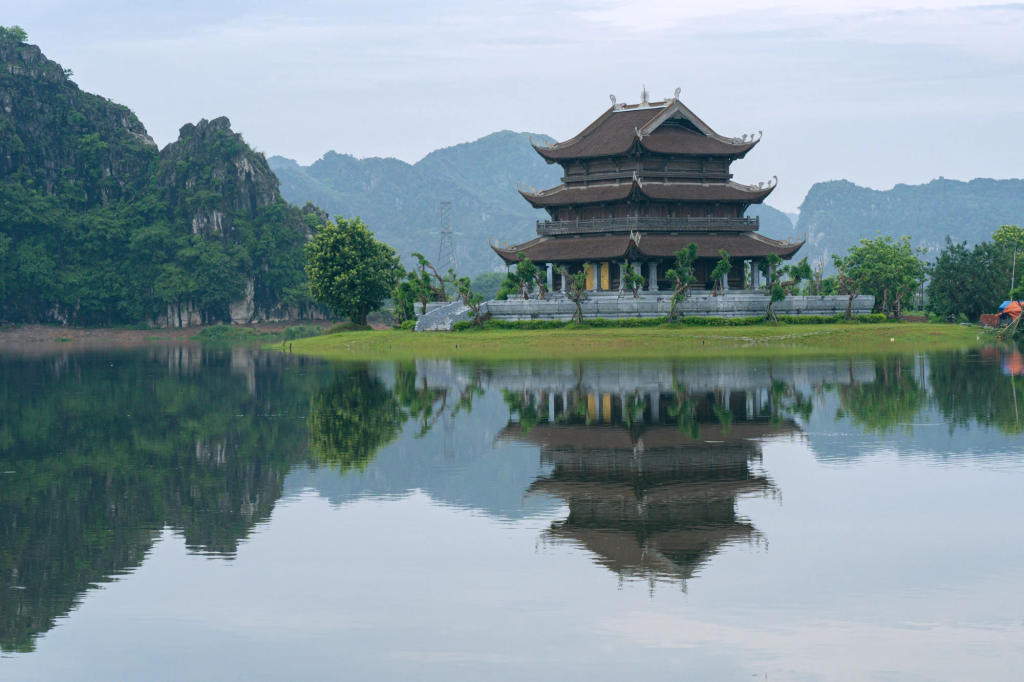
Image for illustrative purposes only. Source: Collected online.
Getting There: Directions and Access
Cao Son Temple is located in Ninh Binh Province, often accessed from nearby tourist hubs like Tam Coc or Trang An. While it’s not as crowded as other landmarks, the journey itself can be equally scenic and rewarding.
- From Hanoi: Travel by car or motorbike along National Highway 1A, then follow signs toward Nho Quan or Gia Vien District.
- By tour: Booking a day tour that includes Cao Son Temple allows for hassle-free transportation and informative guidance.
- By bicycle: For adventurous travelers, cycling from nearby areas offers an immersive countryside experience.
The temple is nestled within a hilly, forested landscape. Moderate hiking may be required, so sturdy shoes are recommended.
Dress Code and Behavior
Cao Son Temple is an active place of worship, so visitors should dress modestly and act respectfully:
- Wear clothing that covers shoulders and knees.
- Remove hats and sunglasses when inside the sacred area.
- Keep noise to a minimum, especially during prayer rituals.
- Ask permission before photographing monks or devotees.
Showing respect for the local customs reflects well on foreign guests and helps preserve the peaceful atmosphere.
Other Useful Tips
- Bring water and sunscreen, especially in warmer months.
- Visit in the early morning for cooler temperatures and better lighting.
- Avoid littering or disturbing the natural environment.
- Prepare some cash for small donations or incense offerings.
By observing proper travel behavior, you contribute to the preservation of Cao Son Temple’s sacred legacy and ensure a more enriching experience for yourself and others.
7. Why Cao Son Temple Is a Must-Visit Destination in Ninh Binh
Cao Son Temple may not be the most famous attraction in Ninh Binh, but it is certainly one of the most meaningful for those seeking an authentic, tranquil, and culturally rich experience. This sacred site offers a harmonious blend of history, nature, and spirituality that leaves a lasting impression on every visitor.
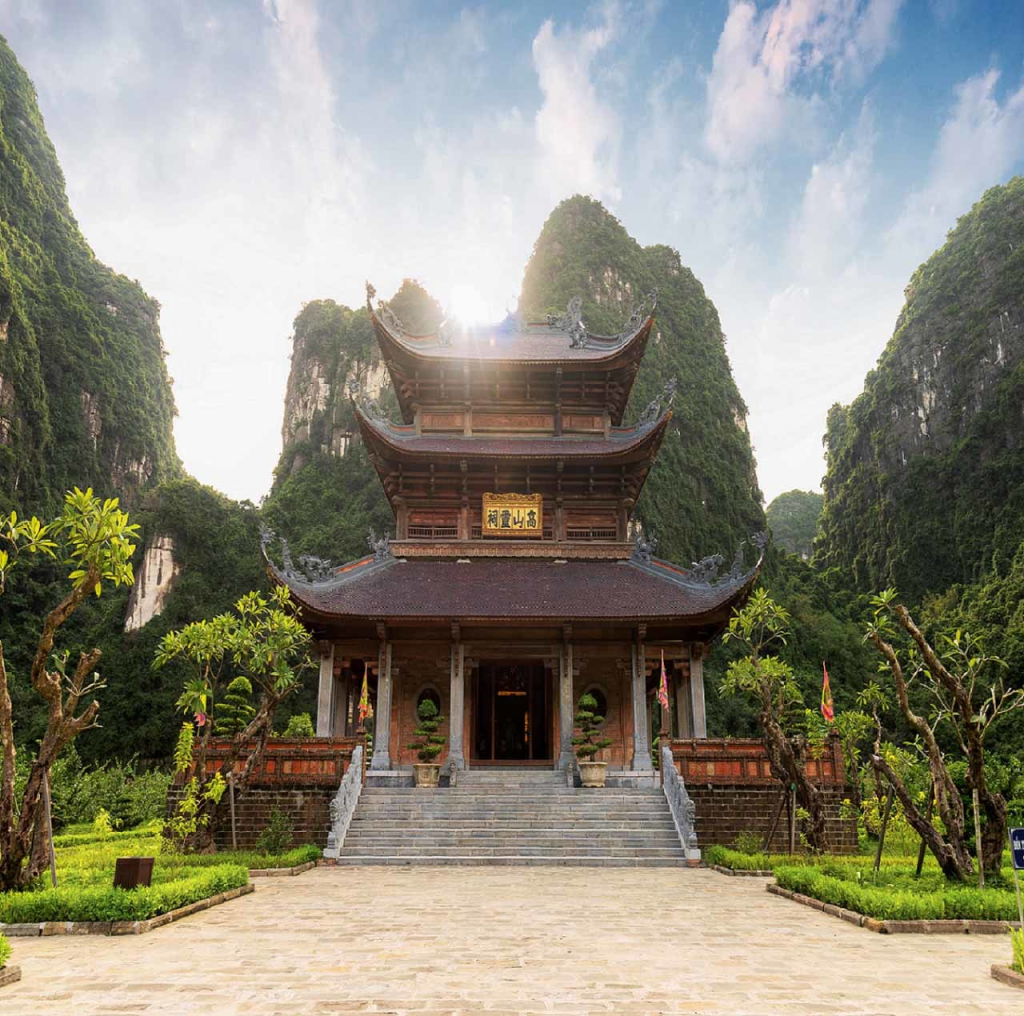
Image for illustrative purposes only. Source: Collected online.
Spiritual Significance and Cultural Depth
Cao Son Temple stands as a powerful tribute to the Cao Son deity, a revered guardian of the mountains in Vietnamese folklore. For those interested in spiritual caves and temples in Ninh Binh, this temple provides rare insight into the region’s deeply rooted religious beliefs. The tranquil setting enhances its sacred atmosphere, making it ideal for meditation, reflection, and cultural appreciation.
Visitors often find the temple experience more personal and reflective than that of larger tourist spots. The absence of heavy crowds gives the location a serene character that is increasingly difficult to find in popular travel destinations.
A Hidden Gem Among Ninh Binh’s Attractions
While places like Bai Dinh Pagoda and Trang An draw most of the attention, Cao Son Temple remains a hidden temple in Ninh Binh that offers a more intimate look into Vietnam’s cultural identity. Its off-the-beaten-path location makes it an excellent addition for travelers wanting to explore beyond mainstream itineraries.
Here’s why travelers love including Cao Son Temple in their Ninh Binh journey:
- Offers quiet spiritual moments in a picturesque mountain setting.
- Allows for cultural immersion away from mass tourism.
- Enhances understanding of Vietnam’s local legends and guardian deities.
- Serves as a perfect photo and storytelling opportunity for cultural travelers.
In summary, it is more than a historical site—it’s a peaceful escape into Vietnam’s sacred landscapes. Whether you’re on a cultural retreat, a nature tour, or simply in search of meaningful travel, this hidden gem deserves a place on your itinerary.
Read for more information:
- Thung Nham Bird Park: A Tranquil Escape into Nature in Ninh Binh
- Tuyet Tinh Coc Ninh Binh: A Hidden Emerald Lake You Can’t Miss
At Abite.asia, we specialize in curated Vietnam tours for international travelers, ensuring an authentic and hassle-free experience. Let us take care of your journey so you can fully embrace the beauty of Vietnam. Contact us today at +84363770835 to start planning your adventure!



Leave a Reply