
A trip to the Cu Chi Tunnels from Ho Chi Minh City is one of the most popular day trips for travelers who want to understand Vietnam’s wartime history beyond museums and city landmarks. The site is known for its underground tunnel system, hidden entrances, wartime shelters, trap displays, and stories about how people lived and moved through the tunnels during the war.
This guide helps first-time visitors plan the trip in a practical way. It covers how to get there, which tunnel site to choose, what to see, how long to spend, and useful tips for visiting the Cu Chi Tunnels comfortably from Ho Chi Minh City.
1. How to Get to Cu Chi Tunnels from Ho Chi Minh City
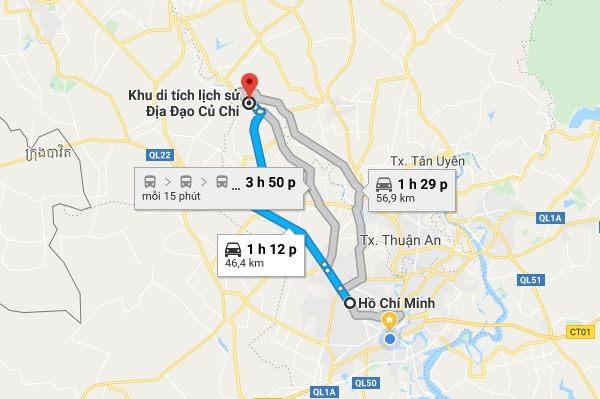
Visiting the Cu Chi Tunnels from Ho Chi Minh City is usually planned as a half-day or full-day trip. The tunnels are outside the city center, so travelers should choose transport based on budget, comfort, and how much historical explanation they want during the visit.
Choose Between Ben Dinh and Ben Duoc Tunnels
First-time visitors usually choose Ben Dinh Tunnels because this site is more common on group tours from Ho Chi Minh City. It is easier to visit, more tourist-friendly, and suitable for travelers who want a simple half-day itinerary.
Travelers who want a quieter and slightly more local-feeling visit can consider Ben Duoc Tunnels. This site is farther away, so it is better for visitors with more time or those booking a private car or full-day tour.
Best Transport Options from Ho Chi Minh City
A guided tour is the easiest choice for most first-time visitors. It usually includes hotel pickup, transport, entrance arrangements, and a guide who explains the history of the tunnel system.
A private car is better for travelers who want flexible timing and a more comfortable ride. This option works well for families, small groups, or visitors who want to combine Cu Chi Tunnels with another nearby stop.
Travelers can also use a taxi or ride-hailing car, but they should arrange the return trip in advance. Public buses are cheaper, but they take more time and may be confusing for first-time visitors.
Suggested Half-Day Plan
A practical half-day plan starts in the morning and returns to Ho Chi Minh City by early afternoon. This schedule helps travelers avoid the hottest part of the day and leaves time for other city activities later.
A simple itinerary can look like this:
- 7:30–8:00 AM: Leave Ho Chi Minh City
- 9:30–10:00 AM: Arrive at Cu Chi Tunnels
- 10:00 AM–12:00 PM: Explore tunnels, displays, and wartime sites
- 12:00–1:30 PM: Return to Ho Chi Minh City
This plan works best for travelers visiting Cu Chi Tunnels from Ho Chi Minh City for the first time. It keeps the trip focused, practical, and easy to combine with an afternoon museum visit or food stop in the city.
What to Prepare Before Going
Visitors should wear comfortable clothes and shoes because the site includes outdoor paths, uneven ground, and tunnel sections. The weather can feel hot and humid, especially around midday.
Travelers should bring water, sunscreen, a hat, insect repellent, and small cash for drinks or extra services. People with claustrophobia or mobility issues should know that crawling inside the tunnel sections is optional, not required.
2. What to See at the Cu Chi Tunnels
The main places to see on a trip to the Cu Chi Tunnels from Ho Chi Minh City are the Ben Dinh tunnel area, the hidden tunnel entrances, the short underground tunnel route, Hoang Cam kitchen, trap displays, wartime shelters, and exhibition areas. These stops help travelers understand how the tunnel system worked in real life, not only as a historical site.
Ben Dinh Tunnel Area
Ben Dinh is the most common area for first-time visitors because many half-day tours from Ho Chi Minh City stop here. This site is easier to explore, more tourist-friendly, and suitable for travelers who want a clear introduction to the Cu Chi tunnel system.
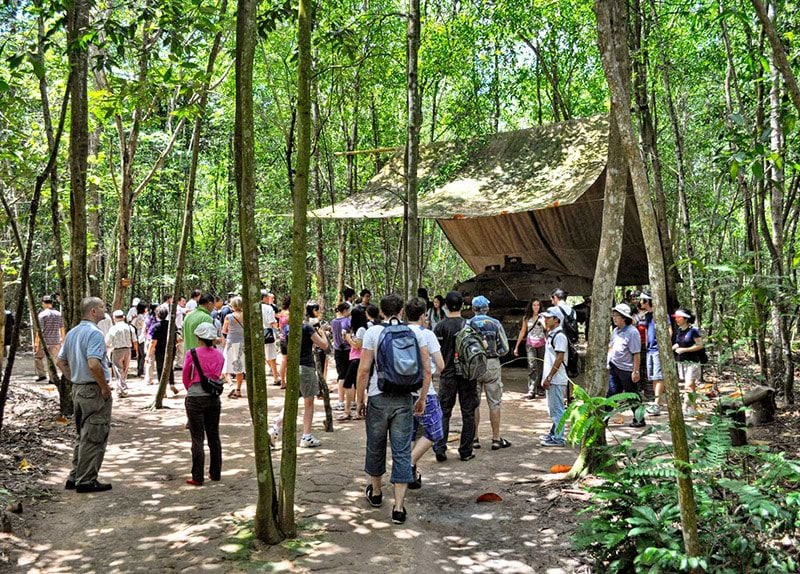
At Ben Dinh, visitors can see tunnel entrances, underground passages, wartime displays, and recreated living areas. This makes it a practical choice for travelers who only have half a day and want to understand the basic structure of the tunnels.
Hidden Tunnel Entrances
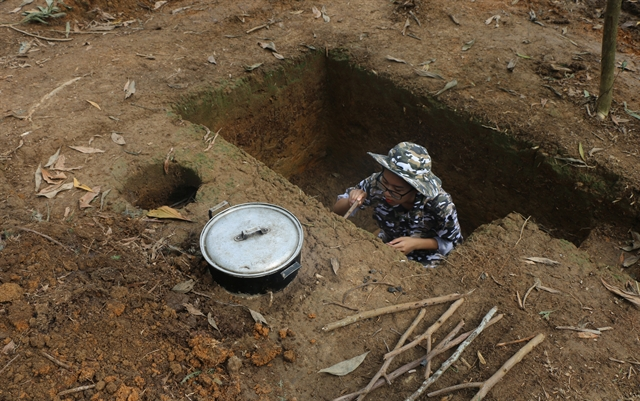
The hidden tunnel entrances are one of the most memorable stops at Cu Chi. Visitors can see how small and well-camouflaged the entrances were, often covered with leaves and blended into the ground.
Some travelers may be allowed to try entering a demonstration entrance for photos. This experience helps visitors understand how difficult it was to detect the tunnel system from above ground.
Short Underground Tunnel Route
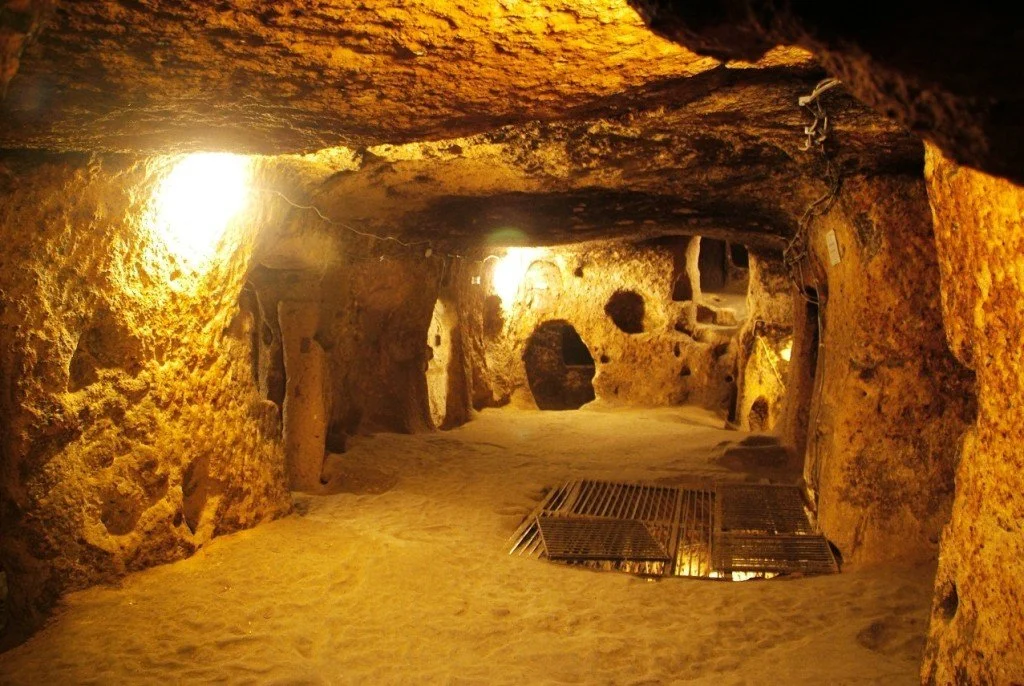
The short underground tunnel route is the most direct way to experience the tunnel system. Travelers can crawl or walk through a small section to feel how narrow, dark, and low the passages are.
This activity is optional. Visitors with claustrophobia, back pain, breathing issues, or mobility problems can skip it and still understand the site through the outdoor displays and guide explanation.
Hoang Cam Kitchen
Hoang Cam kitchen is an important stop because it shows how food was prepared without revealing smoke clearly above ground. The kitchen system was designed to disperse smoke slowly, making it harder to detect from a distance.
For travelers, this stop is useful because it explains daily survival inside the tunnel network. It shows that the tunnels were not only for movement, but also connected to cooking, resting, planning, and long-term living.
Trap Display Area
The trap display area shows different wartime defense methods used around Cu Chi. This part can feel intense, so visitors should view it as a historical explanation rather than entertainment.
Travelers should listen to the guide carefully here. The displays help explain how the landscape, local materials, and tunnel entrances were used for protection during wartime.
Wartime Shelters and Meeting Rooms
The wartime shelters and meeting room models help visitors imagine how people organized life underground. These spaces show where people could rest, store supplies, hold discussions, or hide during dangerous periods.
This stop makes the site easier to understand because it connects the tunnels with daily life. Instead of seeing only narrow passages, travelers can see how the tunnel system supported a larger underground network.
Exhibition and Documentary Area
Many visits include an exhibition area or short documentary introduction. This part gives useful background before travelers walk through the main site.
First-time visitors should not skip this section. It explains the history of Cu Chi, the role of the tunnel system, and the wider context behind the displays.
Ben Duoc Memorial Area
Travelers with more time can consider Ben Duoc instead of Ben Dinh. Ben Duoc is farther from Ho Chi Minh City, but it is often chosen by visitors who want a quieter and deeper historical experience.
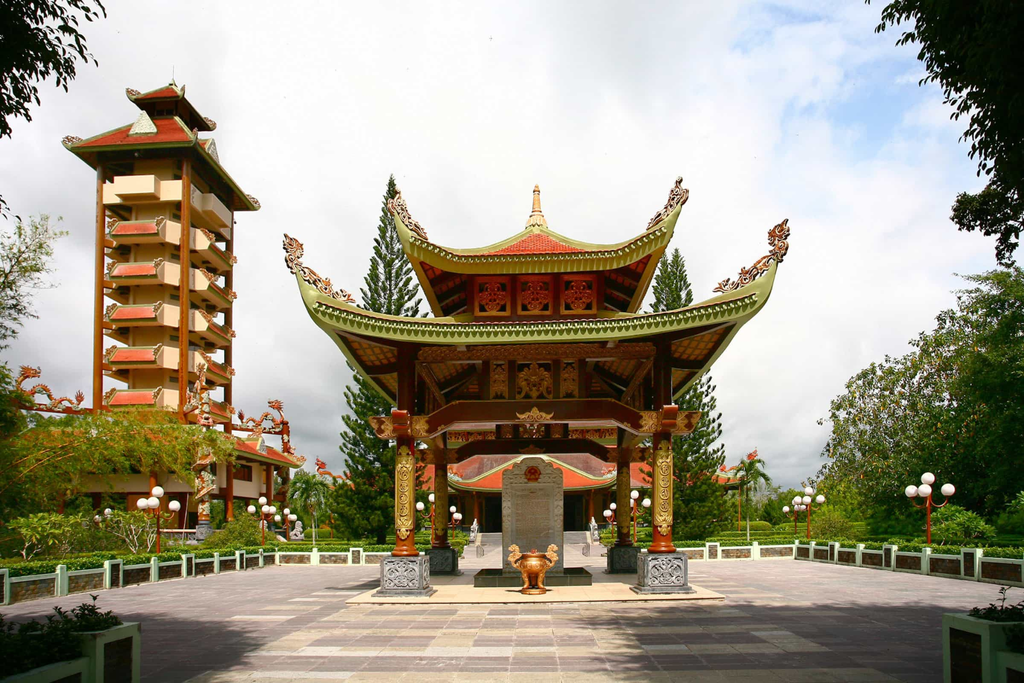
The Ben Duoc area also includes memorial spaces connected to wartime history. This option is better for travelers who book a private car or full-day tour, rather than a quick half-day group trip.
Practical Tips for Visiting the Site
A visit to the Cu Chi Tunnels involves outdoor walking, uneven ground, and some dark or narrow spaces. Travelers should wear comfortable shoes, bring water, and avoid crawling into tunnels if they feel uncomfortable.
Useful tips include:
- Choose Ben Dinh for a simple first-time visit
- Choose Ben Duoc for a quieter and longer trip
- Crawl through the tunnel only if you feel comfortable
- Listen to the guide at Hoang Cam kitchen and trap displays
- Wear light clothes and comfortable shoes
- Bring water, sunscreen, and insect repellent
- Avoid touching displays unless allowed
These stops make the Cu Chi Tunnels from Ho Chi Minh City more than a quick sightseeing trip. They help travelers understand how the tunnel system connected movement, survival, defense, and daily life during wartime.
3. Best Time to Visit Cu Chi Tunnels and Practical Travel Tips
The best time to visit the Cu Chi Tunnels from Ho Chi Minh City is in the morning. Travelers should leave the city around 7:30 AM to 8:00 AM so they can explore the site before the strongest midday heat.
Choose Ben Dinh for a Simple Half-Day Trip
Ben Dinh is the better choice for first-time visitors who want a simple and convenient visit. Most half-day tours from Ho Chi Minh City stop here, so the route is easy to plan and suitable for travelers with limited time.
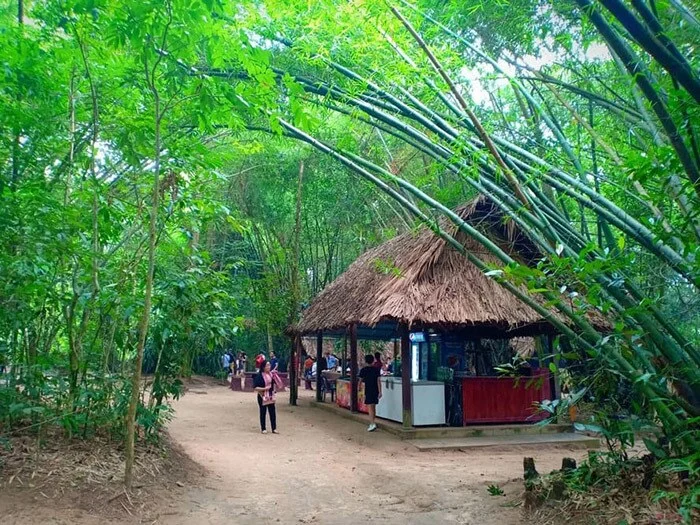
This area works well if visitors want to see hidden entrances, short tunnel sections, Hoang Cam kitchen, trap displays, and recreated wartime spaces in one focused route. It is also easier to combine with an afternoon visit to the War Remnants Museum or Independence Palace in Ho Chi Minh City.
Choose Ben Duoc for a Quieter Experience
Ben Duoc is a better choice for travelers who want a quieter and deeper historical visit. It is farther from central Ho Chi Minh City, so visitors should plan more travel time or book a private car.
This option is suitable for travelers who do not want the most tourist-heavy route. It also works better for people who prefer a slower visit with more time for memorial areas and historical context.
Wear Light Clothes and Comfortable Shoes
The Cu Chi Tunnels site involves outdoor walking, uneven ground, dirt paths, and some shaded forest areas. Travelers should wear light clothes, comfortable shoes, and avoid heavy outfits that feel hot or restrictive.
A hat, sunscreen, insect repellent, and a water bottle are also useful. The weather around Cu Chi can feel humid, especially when visitors walk between tunnel entrances, displays, and outdoor exhibits.
Know Your Comfort Level Before Entering the Tunnel
Crawling through a tunnel section is optional, not required. Travelers with claustrophobia, back pain, breathing problems, or mobility issues should skip this part and focus on the outdoor displays instead.
If visitors do enter the tunnel, they should move slowly and follow the guide’s instructions. The space can feel narrow, dark, and hot, so it is better to exit early if it becomes uncomfortable.
Visit with a Guide for Better Context
A guide is useful because the Cu Chi Tunnels are not only a visual attraction. Many parts of the site need historical explanation, especially the hidden entrances, Hoang Cam kitchen, trap displays, and underground living areas.
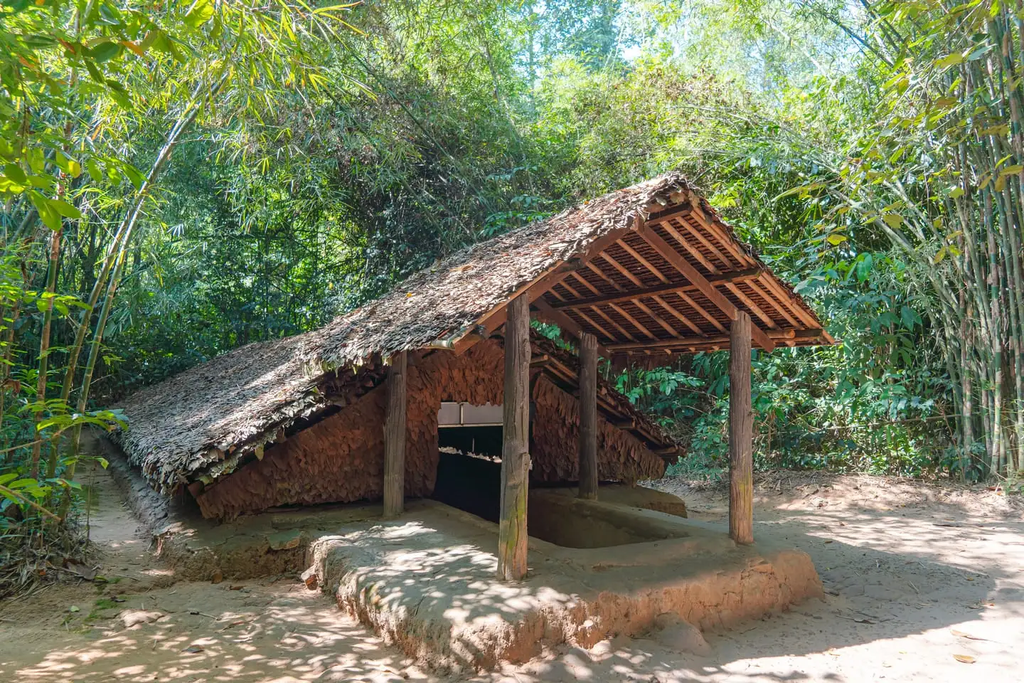
Without context, travelers may only see tunnels and exhibits. With a guide, they can understand how the tunnel system connected movement, survival, defense, and daily life during wartime.
Plan the Trip with Enough Time
Most travelers need about 2 hours inside the site, not including transport from Ho Chi Minh City. A half-day plan is enough for Ben Dinh, while Ben Duoc may need more time because of the longer journey.
Travelers should avoid scheduling an important flight or tight appointment immediately after the visit. Road traffic can change, especially when returning to Ho Chi Minh City.
Conclusion
A trip to the Cu Chi Tunnels from Ho Chi Minh City is one of the most practical ways to understand Vietnam’s wartime history outside the city center. The experience is most meaningful when travelers choose the right site, listen to historical explanations, and prepare for outdoor walking.
For first-time visitors, Ben Dinh is the easiest choice for a half-day trip. Travelers who want a quieter and deeper visit can choose Ben Duoc with more time and private transport.
At Abite.asia, we specialize in curated Vietnam tours for international travelers, ensuring an authentic and hassle-free experience. Let us take care of your journey so you can fully embrace the beauty of Vietnam. Contact us today at +84363770835 to start planning your adventure!





Leave a Reply