
Just 45 kilometers west of Hanoi, Duong Lam Ancient Village offers a quiet yet powerful escape into Vietnam’s rural past. With over 900 preserved laterite houses, tranquil temple grounds, and narrow village lanes, the village is a living museum of Vietnamese tradition. Visitors can walk or cycle through centuries of history while enjoying local food, artisan crafts, and heartfelt hospitality. This article will guide you through everything you need to know for a cultural day trip to Duong Lam Ancient Village—from what to see and do, to how to get there comfortably.

Image for illustrative purposes only. Source: Collected online.
Where Is Duong Lam Ancient Village?
Duong Lam Ancient Village is located in Son Tay Town, a district-level town about 45 kilometers west of central Hanoi. Nestled along the Red River Delta, it sits on the outskirts of Hanoi’s urban sprawl and is easily reachable in under two hours. This makes it one of the most convenient destinations for travelers interested in rural heritage without venturing too far from the capital.
Geographic Setting and Village Layout

Image for illustrative purposes only. Source: Collected online.
Duong Lam Ancient Village is part of a larger cultural zone that includes other historic sites such as Tay Phuong Pagoda and the Ba Vi mountain area. The village itself is surrounded by rice fields, small canals, and laterite roads. Its layout follows the traditional Vietnamese model, with a communal house at the center, radial pathways, banyan trees, and family compounds.
Key characteristics of the village setting include:
- Well-preserved laterite brick walls and tiled-roof houses
- Narrow lanes lined with temples, wells, and ancestral halls
- A peaceful, slow-paced environment, ideal for walking or cycling
This rural atmosphere provides a refreshing contrast to Hanoi’s dense traffic and modern skyline.
How to Reach Duong Lam from Hanoi
Reaching Duong Lam Ancient Village is straightforward, and visitors have several options:
- By private car or motorbike: The fastest option, with travel times ranging from 60 to 90 minutes. Use Thang Long Boulevard or Highway 32 for a direct route to Son Tay Town.
- By bus: Public buses such as Route 70A depart from My Dinh Bus Station and head toward Son Tay. From the stop, a short taxi or motorbike ride brings you into the village.
- By guided tour: Many Hanoi-based travel operators offer organized day trips that include round-trip transportation, a local guide, and entrance coordination.
Whether traveling independently or with a group, the journey is scenic and suitable for all seasons, especially in spring and autumn when the countryside is at its most beautiful.
Historical and Cultural Significance
Duong Lam Ancient Village is not only architecturally remarkable but also historically invaluable. With a recorded history of more than 1,200 years, the village reflects the cultural identity, spiritual life, and rural traditions of northern Vietnam. Its preserved layout and living heritage offer insight into how Vietnamese communities thrived for generations before the rise of modern urbanization.

Image for illustrative purposes only. Source: Collected online.
A Village of National Heroes
Duong Lam Ancient Village is proudly known as the birthplace of two national heroes: Phung Hung and Ngo Quyen. Both are remembered for their resistance against foreign invasions and for laying foundations for Vietnamese independence.
- Phung Hung led a successful revolt against Chinese rule in the 8th century. His leadership is celebrated at a temple built in his honor, located near the village.
- Ngo Quyen defeated the Southern Han at the famous Battle of Bach Dang River in 938 AD, ending centuries of Chinese domination. His legacy is commemorated through the Ngo Quyen Temple and Mausoleum, a peaceful, well-maintained site just outside the village center.
These connections to Vietnamese royalty give the village deep patriotic and spiritual significance.
Recognition as a Cultural Heritage Site
In 2005, Duong Lam Ancient Village became the first officially recognized ancient village in Vietnam. This title was granted for its exceptional concentration of traditional laterite houses and its intact community structure.
Key elements of cultural value include:
- More than 900 ancient houses, some over 400 years old, still occupied by descendants of original builders.
- Traditional features such as village gates, wells, courtyards, and communal houses, preserved in both form and function.
- A strong sense of community and shared identity, maintained through local festivals, ancestor worship, and intergenerational knowledge.
Duong Lam is not a museum frozen in time—it’s a vibrant community that still lives by its values, making it a unique destination for cultural travelers.
What to See in Duong Lam Ancient Village
Duong Lam Ancient Village offers a rich tapestry of historic structures and cultural sites spread across its peaceful lanes. Visitors can explore ancient gates, sacred temples, and centuries-old homes that preserve the village’s identity. Below are the key attractions to include in your visit to Duong Lam Ancient Village.

Image for illustrative purposes only. Source: Collected online.
Mong Phu Village Gate
Serving as the main entrance to Duong Lam Ancient Village, Mong Phu Gate is the only remaining original village gate in the region. Built from massive laterite and wood, it stands as a symbolic threshold to traditional life. The nearby communal house is often used for county-wide gatherings, festivals, and village ceremonies.
- The gate’s stone pillars and wooden beam reflect centuries of craftsmanship.
- A short shaded path leads to the communal house, which remains in active use.
- The area around the gate is ideal for early morning photography, especially under golden sunlight.
Mia Pagoda
Located just a few hundred meters from the village center, Mia Pagoda is a spiritual and architectural highlight of Duong Lam Ancient Village. Constructed in the 15th century, this Buddhist temple features over 200 Buddha statues and is renowned for its Vietnamese–Muong hybrid design.
- The pagoda complex includes a grand courtyard, assembly halls, and serene meditation chambers.
- Many of the wooden statues inside are rare and regarded as national treasures.
- Its tranquil ambiance offers a peaceful counterpoint to the rural bustle outside.
Temples of Phung Hung and Ngo Quyen
These historic landmarks pay tribute to two legendary figures born in Duong Lam Ancient Village:
- Phung Hung Temple: Dedicated to the 8th-century leader, this temple houses murals, ancestral statues, and ceremonial altars.
- Ngo Quyen Temple and Mausoleum: Located near a placid garden and lotus pond, this temple honors the king who famously led the Vietnamese to victory at the Battle of Bach Dang River.
Both temples are well-maintained, quietly active, and offer a window into local reverence and community pride.
Ancient Laterite Brick Houses
Throughout Duong Lam Ancient Village, over 900 laterite homes dating from the 17th to 19th centuries remain inhabited today. Some of these structures are open to visitors, offering glimpses into traditional family life and rural interior design.
- Expect to see old wooden beams, clay roof tiles, and interior courtyards preserved in original form.
- Hosts may offer tea and explain family histories passed down through generations.
- The contrast between ancient architecture and modern descendants creates a living historical narrative.
Exploring these sites in Duong Lam Ancient Village allows travelers to engage deeply with Vietnamese culture and history while enjoying the serene beauty of a well-preserved traditional community. Let me know if you’d like detailed directions or timing suggestions for each attraction!
Things to Do: Local Experiences and Activities
A visit to Duong Lam Ancient Village goes far beyond sightseeing. The village invites travelers to engage with local life through immersive cultural experiences, hands-on workshops, and meaningful personal interactions. These activities offer a chance to slow down, connect with heritage, and understand the rhythms of traditional Vietnamese living.
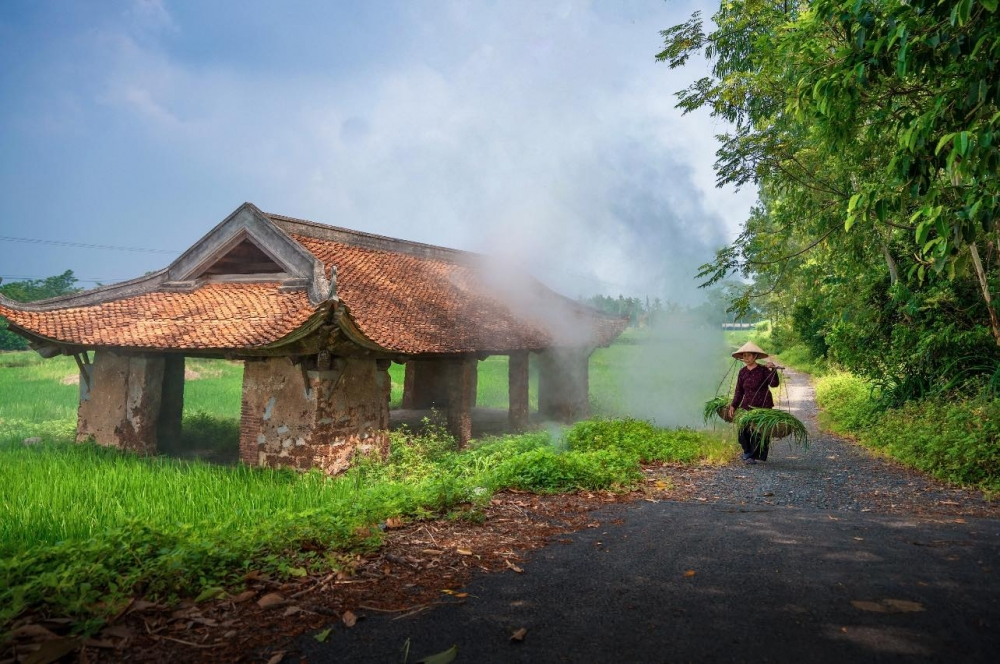
Image for illustrative purposes only. Source: Collected online.
Walk or Cycle Through the Village
One of the best ways to explore Duong Lam Ancient Village is on foot or by bicycle. The narrow alleys, shaded courtyards, and open fields make for a peaceful, scenic route.
- Bicycles are available for rent at the village entrance for a small fee.
- Visitors can ride past rice paddies, wells, and communal houses while stopping at temples and craft homes along the way.
- Walking offers more opportunities to interact with locals and observe daily life at a slower pace.
Whether walking or cycling, mornings and late afternoons offer the best lighting and weather conditions.
Taste Local Cuisine and Rural Specialties
The village is well-known for its home-cooked meals and seasonal specialties. Many families open their homes to visitors for lunch or tea, providing a rare opportunity to enjoy authentic Vietnamese rural cuisine.
Popular local dishes include:
- Canh cua (crab soup with morning glory)
- Chè lam (sticky rice candy)
- Tương (fermented soybean sauce, often homemade)
These meals are simple but rich in flavor, showcasing locally sourced ingredients and age-old cooking techniques.
Join Cultural Workshops or a Homestay
To deepen your connection with Duong Lam Ancient Village, consider participating in a hands-on cultural activity or staying overnight.
- Workshops may include rice cake making, bamboo weaving, or soy sauce fermentation.
- Homestays offer a traditional sleeping arrangement and a chance to join daily routines like gardening or temple visits.
These experiences are best arranged in advance through local guides or tour operators, ensuring availability and a smoother visit.
Each activity brings you closer to the spirit of Duong Lam—where history lives not just in structures, but in people, flavors, and shared moments.
Travel Tips and How to Get There
Planning a smooth and enjoyable trip to Duong Lam Ancient Village requires some preparation. Whether you travel independently or with a guided tour, knowing the best ways to reach the village and how to prepare for a day in the countryside will enhance your overall experience.

Image for illustrative purposes only. Source: Collected online.
Transportation Options from Hanoi
Duong Lam Ancient Village is approximately 45 kilometers from Hanoi, making it an ideal destination for a day trip. Visitors can choose among several transportation options:
- Private car or motorbike: This is the most flexible and fastest option. Travel time is usually 60–90 minutes depending on traffic. Follow Thang Long Boulevard or Highway 32 directly to Son Tay, then continue into the village.
- Public bus: Budget-conscious travelers can take Bus 70A from My Dinh Bus Station to Son Tay Town. From the final stop, a short xe ôm (motorbike taxi) or walking route leads to the village.
- Guided tour: Many local tour operators in Hanoi offer half-day or full-day excursions, often including transportation, a village guide, entrance fees, and meals.
Regardless of how you travel, it’s best to leave early in the morning to enjoy cooler temperatures and maximize your time.
Best Times to Visit
The village is open year-round, but certain times offer more charm:
- Early mornings (8:00–10:00 AM): Cooler temperatures and fewer tourists.
- Harvest seasons (May–June and September–October): Lush rice fields create beautiful backdrops for photography.
- Festival periods (lunar February and April): Cultural celebrations and traditional games take place during these months.
Practical Visitor Tips
- Bring cash in small denominations for meals, workshops, and tips.
- Dress modestly and comfortably—lightweight clothing, walking shoes, and sun protection are recommended.
- Ask for permission before photographing locals or entering private homes.
- Use a translation app or guide if you don’t speak Vietnamese, as English is not widely spoken.
Following these simple tips ensures a respectful, enriching, and memorable journey to Duong Lam Ancient Village.
Why Duong Lam Is a Must-Visit for Culture Seekers
Duong Lam Ancient Village offers more than just preserved architecture—it provides a rare chance to witness a living community rooted in Vietnamese tradition. For culture seekers, the village is a rewarding destination that bridges history and daily life in a way few places in Vietnam still do. Every aspect of Duong Lam, from its ancestral homes to its hand-prepared meals, invites travelers to engage authentically with local culture.
A Unique Blend of History and Daily Life
Unlike many tourist destinations that serve only as static exhibitions, Duong Lam Ancient Village is a place where the past is still actively lived. Here, villagers continue to reside in houses built centuries ago. They maintain shrines, prepare meals with ancestral recipes, and celebrate local festivals that have been passed down through generations.
- Visitors can talk directly with artisans and elders.
- Daily activities such as farming, cooking, and worship are openly shared.
- Cultural practices remain intact without being overly commercialized.
This continuity of tradition makes the experience deeply personal and immersive.
Educational, Photogenic, and Accessible
For photographers, Duong Lam offers a rich palette of textures, colors, and compositions—from weathered stone gates to golden rice fields and sunlit temple courtyards. For educators and students, the village serves as an open-air classroom on Vietnamese rural life, community organization, and heritage preservation.
Furthermore, its proximity to Hanoi means it’s easily accessible without the need for overnight travel. Whether you have half a day or a full one, you can explore, learn, and interact meaningfully.
In a rapidly modernizing country, Duong Lam Ancient Village stands as a cultural sanctuary—a place where time slows, stories live on, and visitors are welcomed not as strangers, but as guests entering a proud, living tradition. For anyone seeking genuine cultural connection, it is a must-visit stop in northern Vietnam.
Read for more information:
- Quang Phu Cau Incense Village: A Colourful Hidden Gem Near Hanoi You Can’t Miss
- Bat Trang Pottery Village: The Ultimate Guide for First-Time Visitors
At Abite.asia, we specialize in curated Vietnam tours for international travelers, ensuring an authentic and hassle-free experience. Let us take care of your journey so you can fully embrace the beauty of Vietnam. Contact us today at +84363770835 to start planning your adventure!






Leave a Reply