
The Fansipan Cable Car takes travelers to the highest peak in Indochina — Mount Fansipan — in just 15 minutes. This engineering marvel connects Sapa town to the mountain’s summit, offering breathtaking views of the Hoang Lien Son Range, cloud valleys, and terraced rice fields. Designed for both adventurers and casual travelers, the Fansipan Cable Car experience combines natural wonder with cultural charm. Visitors can enjoy panoramic rides, explore pagodas near the peak, and witness the beauty of Sapa from above. Whether you seek stunning photography, peaceful temples, or a comfortable alternative to hiking, the Fansipan Cable Car delivers an unforgettable journey through Vietnam’s highlands and a chance to literally touch the clouds.

Image for illustrative purposes only. Source: Collected online.
1. Introduction to the Fansipan Cable Car Experience
The Fansipan Cable Car is more than just transportation — it’s an encounter with the sky. Built to connect the vibrant town of Sapa with the summit of Mount Fansipan, this engineering masterpiece allows travelers to ascend Vietnam’s tallest peak in comfort while admiring the majesty of the Hoang Lien Son mountain range. This section introduces Fansipan’s significance and how the cable car redefined the way people experience the Roof of Indochina.
Mount Fansipan – The Roof of Indochina
Rising to 3,143 meters above sea level, Mount Fansipan is the highest mountain in Vietnam and the entire Indochina Peninsula. Known locally as Phan Xi Păng, it has long symbolized strength, resilience, and spiritual purity. The mountain is part of the Hoang Lien Son Range, a landscape shaped by millions of years of geological activity and now blanketed with ancient forests, rare flora, and swirling clouds.
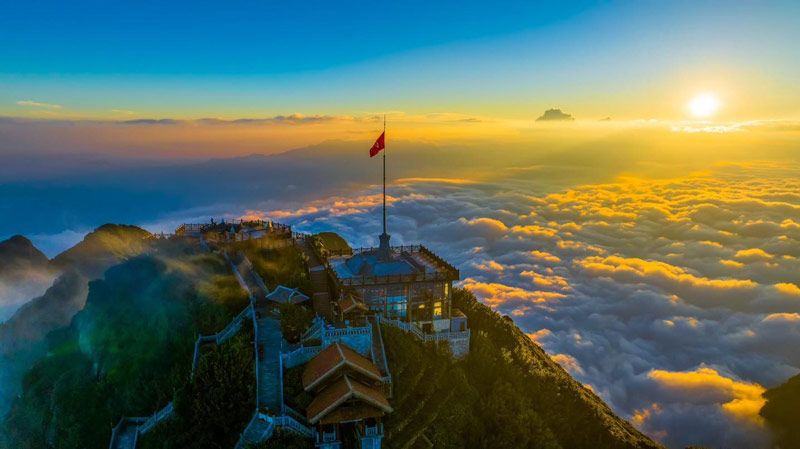
Image for illustrative purposes only. Source: Collected online.
Before the introduction of the cable car, reaching the summit was a challenge reserved for seasoned trekkers. The climb required two to three days of hiking through dense jungle, steep slopes, and unpredictable weather. Today, thanks to modern innovation, that once-difficult ascent can be completed in just minutes — without losing any of its breathtaking beauty.
Key facts about Mount Fansipan:
- Highest peak in Vietnam, Laos, and Cambodia (3,143m).
- Located within Hoang Lien National Park, home to diverse wildlife.
- Traditionally seen as a sacred site in Vietnamese culture.
Because of its height and remoteness, the mountain often sits above the clouds, earning the poetic nickname “The Roof of Indochina.” From its summit, visitors can see a panorama that stretches endlessly — a meeting of sky, mist, and mountains that feels almost otherworldly.
How the Fansipan Cable Car Changed Travel
When the Fansipan Cable Car opened in 2016, it revolutionized tourism in northern Vietnam. What once required stamina and days of hiking became a smooth, scenic ascent accessible to anyone — families, elders, or travelers short on time. The system was developed by Sun Group in collaboration with Doppelmayr Garaventa, a world leader in cable transport, and immediately gained recognition for its technical excellence and record-breaking achievements.
Why the cable car is extraordinary:
- Covers nearly 6,300 meters from Sapa to the summit station.
- Holds world records for both the longest three-rope cable car and the greatest elevation difference (1,410m).
- Reduces a two-day trek to a 15-minute scenic flight through the clouds.
As the car glides silently over the valleys, passengers witness a surreal transformation: the vivid green of rice terraces below gradually fades into layers of mist and mountain peaks. The temperature drops, the air becomes thinner, and suddenly, the clouds open to reveal a view that few places on Earth can match.
This innovation not only changed the way people travel to Fansipan but also redefined the image of Sapa as a destination — one where natural wonder meets modern accessibility.

Image for illustrative purposes only. Source: Collected online.
What Awaits Visitors at the Top
At the summit station, the experience deepens. The upper complex isn’t just a viewpoint — it’s a cultural and spiritual space where nature and faith coexist. Temples, pagodas, and giant Buddha statues rise from the fog, creating a scene that feels serene and almost mythical. Travelers often describe it as standing between heaven and earth.
What to see at the top:
- The Great Buddha Statue, 21.5 meters tall, cast in bronze.
- Bich Van Zen Monastery, a peaceful temple overlooking the valley.
- The Fansipan Summit Landmark, where visitors pose for photos at 3,143 meters.
- Panoramic decks that offer 360-degree views of the Hoang Lien Son range.
The air here is thin but refreshing, scented faintly with incense and pine. Flags flutter in the wind, monks chant softly, and clouds swirl around the structures like drifting silk. Whether visitors come for spiritual reflection, photography, or simply the thrill of standing atop Indochina, the experience is unforgettable.
The Fansipan Cable Car transforms a legendary mountain climb into an awe-inspiring yet effortless journey. It bridges the line between tradition and technology, allowing every traveler — not just the adventurous — to touch the sky. With every passing minute on the ride, you move closer not just to the summit of Vietnam, but to one of the most extraordinary experiences Southeast Asia has to offer.
2. History and Construction of the Fansipan Cable Car
The Fansipan Cable Car stands not only as a tourist attraction but also as a modern engineering triumph. This section uncovers the history behind its creation, the vision that drove its development, and the world-class construction efforts that turned an ambitious dream into reality high in the mountains of northern Vietnam.

Image for illustrative purposes only. Source: Collected online.
The Vision Behind the Project
For centuries, Mount Fansipan was accessible only to determined climbers and spiritual pilgrims willing to endure long treks through rugged terrain. As Sapa began to rise in popularity in the 2000s, the idea of creating a cable car route to the summit emerged — one that would open the “Roof of Indochina” to everyone, not just seasoned adventurers.
In 2013, Sun Group, one of Vietnam’s leading tourism and infrastructure developers, launched the Fansipan Legend project in partnership with Doppelmayr Garaventa, a global leader in ropeway engineering from Austria and Switzerland. The goal was bold yet clear: to construct a safe, environmentally respectful, and visually breathtaking transportation system that could carry visitors from Sapa town to the mountain’s upper reaches in comfort.
Key milestones in the project’s vision:
- 2013 – Concept approved and construction officially began.
- 2016 – The Fansipan Cable Car inaugurated to the public.
- 2016 – Recognized by Guinness World Records for technical excellence.
This project reflected not just economic ambition but also cultural pride. It transformed Fansipan into a symbol of innovation — connecting Vietnam’s natural beauty with world-class technology while preserving the mountain’s sacred aura.
Record-Breaking Engineering Feats
The Fansipan Cable Car quickly earned global recognition for its remarkable engineering. The line stretches nearly 6,300 meters, making it the longest three-rope cable car system in the world, and rises more than 1,410 meters in elevation, a record for the largest vertical ascent.
Construction presented enormous challenges. The rugged topography of the Hoang Lien Son range meant workers had to transport heavy equipment by helicopter and endure unpredictable mountain weather. Despite these obstacles, the project was completed in just two years — a feat of precision, teamwork, and perseverance.
Technical highlights of the Fansipan Cable Car:
- Length: 6,292.5 meters.
- Elevation difference: 1,410 meters between departure and arrival.
- Speed: 8 meters per second, reaching the summit in about 15 minutes.
- Capacity: Each cabin holds up to 35 passengers, transporting 2,000 visitors per hour.
These achievements earned the system two Guinness World Records upon its opening in 2016. More importantly, it redefined how modern engineering could harmonize with nature. The glass cabins glide almost silently through the mist, offering panoramic views of terraced fields, mountain ridges, and valleys once seen only by hikers.
Because of its design, the Fansipan Cable Car became a global benchmark for mountain ropeway systems — combining innovation, safety, and environmental sensitivity.
Environmental and Cultural Considerations
While speed and accessibility were priorities, sustainability and cultural preservation were equally important. The development team worked closely with local authorities and environmental specialists to minimize the project’s ecological footprint.

Image for illustrative purposes only. Source: Collected online.
Steps taken to protect the mountain environment:
- Construction materials transported by air to avoid damaging forest paths.
- Foundations designed to adapt to natural rock formations rather than alter them.
- Reforestation programs initiated to maintain native biodiversity.
- Waste and noise strictly controlled during and after construction.
In addition, the project incorporated cultural symbolism throughout its design. The stations blend modern architecture with traditional Vietnamese aesthetics — tiled roofs, wood accents, and decorative motifs inspired by Sapa’s ethnic communities. The summit complex also features temples and monuments that honor the spiritual history of Mount Fansipan.
Through this balance of innovation and respect, the Fansipan Cable Car has become more than a technological achievement; it is a bridge between modern progress and ancient heritage. The structure represents how Vietnam continues to evolve — embracing the future while preserving the natural and cultural essence that defines its mountains.
From vision to execution, the Fansipan Cable Car stands as a masterpiece of human ingenuity. It transformed a remote peak into an accessible wonder, proving that progress and preservation can coexist beautifully when guided by purpose and respect.
3. The Journey: From Sapa Town to the Summit
Riding the Fansipan Cable Car is not just about reaching Vietnam’s highest peak — it’s a full sensory journey through the heart of the Hoang Lien Son Mountains. From the moment travelers step into the departure station in Sapa until they step out among the clouds at 3,143 meters, every moment is filled with awe, calm, and beauty. This section guides you through that unforgettable ascent.

Image for illustrative purposes only. Source: Collected online.
Boarding at the Cable Car Station
The adventure begins at the Fansipan Legend Station, located just outside Sapa town, about three kilometers from the center. The station itself is a destination — an elegant complex blending modern design with traditional touches inspired by northern Vietnamese culture. Wooden beams, tiled roofs, and carved motifs welcome visitors as they prepare for the journey skyward.
Travelers can reach the station by electric car, taxi, or even a funicular railway that departs from the Sun Plaza, Sapa’s iconic French-style building. The short funicular ride glides through valleys and gardens, offering the first taste of the views to come.
Before boarding, visitors can:
- Purchase or collect pre-booked tickets from automated kiosks or counters.
- Enjoy coffee or snacks at small cafés inside the terminal.
- Browse local souvenir shops featuring embroidered crafts and ethnic textiles.
Once inside, travelers board spacious cable cabins equipped with large glass windows, ensuring unobstructed views in every direction. The hum of machinery fades quickly, replaced by the gentle sway of the cabin as it begins to lift off — marking the start of one of Asia’s most scenic rides.
The Ascent Through the Clouds
As the Fansipan Cable Car climbs higher, the scenery changes dramatically. Below, the lush valleys of Sapa unfold in layers — terraced rice fields, waterfalls, and clusters of stilt houses dotting the hillsides. The transition from farmland to forest happens gradually, revealing shades of green that grow deeper and more mysterious with altitude.
The silence inside the cabin is broken only by the soft click of cameras and the occasional gasp of wonder. The air grows thinner, the temperature cooler, and soon clouds drift past the glass, swirling in gentle waves. Passengers often feel suspended between earth and sky — a sensation that gives the ride its magical quality.
Sights to watch for during the ascent:
- Muong Hoa Valley: A patchwork of rice terraces winding like ribbons through the hills.
- Ancient Forests: Dense jungles filled with rare flora that have thrived for centuries.
- Cloud Waves: Mist rising and parting, revealing glimpses of distant peaks.
Because the journey takes about 15 minutes, there’s plenty of time to appreciate every view. Morning rides are especially stunning, when sunlight filters through the fog, creating golden beams that illuminate the landscape. Afternoon trips, by contrast, offer warm hues and longer shadows stretching across the mountains.

Image for illustrative purposes only. Source: Collected online.
Arrival at the Summit Complex
Stepping out of the upper terminal feels like entering another world. At over 3,000 meters above sea level, the air is crisp and cool, and the landscape is wrapped in a thin veil of mist. The first sight that greets visitors is the Great Buddha Statue, standing majestically amid the clouds. From here, stone steps and pathways lead to a network of temples, pagodas, and viewing platforms.
What to explore at the summit:
- Bich Van Zen Monastery: A peaceful retreat perched above the clouds, surrounded by pine trees and prayer flags.
- Trinh Pagoda and Bell Tower: Sacred spaces where visitors can pause to reflect and admire panoramic views.
- Fansipan Summit Landmark: The official 3,143-meter marker — a must for photos and a symbol of personal triumph.
Even in silence, the summit hums with spiritual energy. Monks chant softly in the distance, bells ring faintly through the mist, and flags flutter in the mountain breeze. Travelers often describe a profound calm — a blend of gratitude and wonder that words can’t fully capture.
The Fansipan Cable Car transforms this ascent into something poetic — a journey that lifts the body and the spirit. As you look down at the layers of mountains disappearing beneath the clouds, it becomes clear that this is not just a ride to a destination; it’s a passage into one of the most awe-inspiring landscapes on Earth.
Read for more information:
At Abite.asia, we specialize in curated Vietnam tours for international travelers, ensuring an authentic and hassle-free experience. Let us take care of your journey so you can fully embrace the beauty of Vietnam. Contact us today at +84363770835 to start planning your adventure!


Leave a Reply