
Halong Bay floating villages offer an unforgettable glimpse into a way of life that is fast disappearing. While Halong Bay is famous for its limestone karsts and scenic beauty, fewer visitors know about the floating communities that have existed here for generations. This article explores the history, culture, and current state of these villages—while offering tips for those planning a visit. From Cua Van to Vung Vieng village, discover why this region is one of Vietnam’s most compelling cultural heritage sites.
Origins of Halong Bay’s Floating Villages
The story of Halong Bay’s floating villages is deeply rooted in Vietnam’s maritime past. These unique communities emerged in the 19th century, shaped by geography, necessity, and the enduring resilience of coastal fishing families. Unlike land-based settlements, these villages were established on calm waters, nestled among the limestone karsts that define Halong Bay. The bay’s protected lagoons provided not only safety from storms but also access to abundant fishing grounds—essential for subsistence and trade.
At the heart of these early communities was adaptability. With little arable land in the bay’s rugged terrain, the local people turned to the sea for everything—shelter, food, transportation, and even education. Over time, what began as temporary boat shelters evolved into semi-permanent floating homes anchored together to form villages.

Image for illustrative purposes only. Source: Collected online.
Several key factors contributed to the formation and sustainability of Halong Bay’s floating villages:
- Geographic shelter: The natural protection offered by the bay’s limestone formations made it possible to anchor floating structures without being exposed to rough sea conditions.
- Abundant marine resources: Rich fishing zones, particularly for squid, shrimp, and snapper, allowed communities to sustain themselves economically and nutritionally.
- Limited access to mainland: In earlier centuries, rugged terrain and poor infrastructure made access to mainland towns difficult. Living directly on the water was more practical and efficient.
- Cultural heritage of seafaring: Generations of families passed down knowledge of fishing, boatbuilding, and navigation, creating a tight-knit, self-reliant maritime culture.
What makes the Halong Bay floating village model so remarkable is its self-sufficiency. Each village functioned as a miniature society. Homes floated on wooden rafts supported by barrels or drums; children attended floating schools; markets and temples operated on the water. Social structures were preserved through close communal bonds and intergenerational support systems. These were not temporary camps but fully functioning settlements adapted to the rhythms of the sea.
In these villages, fishing was not just a job—it was a way of life, a tradition, and a form of cultural identity. The daily rhythm was dictated by tides, weather, and migration patterns of fish. Fishermen learned to read the sea intuitively, and families often spent days or even weeks at sea before returning to their floating homes.
Over time, each floating village developed its own cultural nuances. Oral storytelling, spiritual rituals for sea protection, and cooperative labor were essential to maintaining cohesion and identity. Despite their isolation, these communities managed to retain vibrant cultural traditions and pass them on to new generations.
Today, this unique origin story stands as a testament to human adaptability and the strength of community. The Halong Bay floating village is not just a historical artifact—it’s a living example of how people can coexist harmoniously with nature when driven by necessity and guided by tradition.
Life Afloat: Traditions and Daily Realities
In a Halong Bay floating village, daily life is deeply connected to the water, built around fishing, family, and age-old customs. Though simple in appearance, these villages operate as fully functional communities with their own economic systems, cultural practices, and social norms.

Image for illustrative purposes only. Source: Collected online.
Daily Activities
Residents follow a consistent rhythm that has changed little over the years:
- Early-morning fishing trips begin before sunrise; men often return with the day’s catch by late morning.
- Fish farming is widespread—families raise grouper, sea bass, and lobster in submerged cages beneath their floating homes.
- Net and boat maintenance is part of the daily routine, ensuring tools and vessels remain seaworthy.
- Women manage floating markets, selling goods by boat—fresh produce, household items, even hot meals.
- Children assist with chores, feeding fish or helping prepare meals, while learning the trade from elders.
Community Infrastructure
Despite being at sea, each Halong Bay floating village is organized much like a land-based community:
- Floating homes are constructed on wooden rafts supported by plastic or metal barrels.
- Shared spaces include floating schools, meeting platforms, and communal docks.
- Boat is the primary mode of transportation—residents travel between homes, schools, and work entirely by water.
Cultural and Spiritual Life
Cultural identity remains strong, expressed through music, rituals, and storytelling:
- Traditional sea rituals are held to honor the ocean and seek protection for fishermen.
- Ancestral worship is observed in small altars within floating homes.
- Folk music performances, especially in Cua Van, preserve the oral traditions passed down through generations.
- Local festivals follow the lunar calendar and include boat races and ceremonial offerings.
Education and Family Life
- Floating schools, though now less common due to relocation policies, once provided education adapted to life on water.
- Family life revolves around the home boat, with generations often living under one roof.
- Children learn practical skills early—fishing, rowing, knot-tying—alongside formal education.
Sustainability and Resourcefulness
With limited space and resources, villagers live with a high degree of efficiency:
- Rainwater collection systems provide fresh water.
- Minimal waste is generated, and materials are reused wherever possible.
- Locally sourced seafood and floating gardens supply much of their food.
A visit to a Halong Bay floating village is more than a scenic stop—it’s a rare chance to observe a lifestyle that embodies harmony between people and nature. For travelers seeking a meaningful cultural experience in Halong, engaging with daily life on the water is one of the most authentic ways to connect with Vietnam’s living heritage.
Famous Floating Villages You Can Visit
Exploring a Halong Bay floating village offers more than scenic beauty—it provides rare insight into Vietnam’s enduring maritime heritage. These villages, each with distinct cultural and geographical characteristics, allow travelers to experience firsthand how generations of families have lived in harmony with the sea. Below is an overview of the most notable floating communities open to visitors.

Image for illustrative purposes only. Source: Collected online.
Cua Van Floating Village
Recognized as the largest and most culturally significant Halong Bay floating village, Cua Van is a leading example of how heritage and tourism can coexist.
- Location: Approximately 20 kilometers from the mainland, nestled between limestone mountains in a sheltered lagoon.
- Community size: Around 170 households.
- Cultural highlights:
- Home to a floating cultural center showcasing traditional fishing tools, household items, and folk music.
- Preservation of hát đối, a form of antiphonal singing unique to the region.
- Home to a floating cultural center showcasing traditional fishing tools, household items, and folk music.
- Visitor experience:
- Guided kayaking and boat tours through surrounding karst formations.
- Visits to floating homes, aquaculture sites, and the community school (historical).
- Opportunities to engage directly with local residents.
- Guided kayaking and boat tours through surrounding karst formations.
- Best suited for: Visitors interested in heritage tourism, local craftsmanship, and sustainable cultural preservation.
Vung Vieng Village
Located in the quieter waters of Bai Tu Long Bay, Vung Vieng village offers a more tranquil and authentic alternative to the main tourist routes.
- Location: Approximately 24 kilometers from Halong City, accessible by boat.
- Atmosphere: Less commercialized, focused on preservation and community-led tourism.
- Notable features:
- Floating homes surrounded by aquaculture cages for pearl farming and seafood cultivation.
- Operated primarily by local guides, ensuring a genuine cultural exchange.
- Floating homes surrounded by aquaculture cages for pearl farming and seafood cultivation.
- Activities:
- Bamboo boat tours guided by villagers.
- Visits to pearl farms and traditional fishing operations.
- Demonstrations of net-making and fish-feeding techniques.
- Bamboo boat tours guided by villagers.
- Ideal for: Travelers seeking a quiet, immersive Halong fishing village tour with an emphasis on authentic interaction.
Cong Dam Floating Village
Smaller and more remote, Cong Dam appeals to those looking for a more untouched, serene experience.
- Environment: Located within a protected area of Bai Tu Long Bay, surrounded by towering karsts and clear, shallow waters.
- Village profile:
- Fewer than 100 residents due to government relocation policies.
- Not yet developed for mass tourism, offering a raw and peaceful environment.
- Fewer than 100 residents due to government relocation policies.
- Tourist experience:
- Ideal for kayaking, cave exploration, and nature photography.
- Minimal infrastructure enhances the sense of natural immersion.
- Ideal for kayaking, cave exploration, and nature photography.
- Recommended for: Eco-tourists and those who prefer quiet, non-commercial destinations.
Ba Hang Floating Village
Smaller in scale and closer to popular Halong Bay attractions, Ba Hang village provides an accessible, convenient experience for short visits.
- Proximity: Near Thien Cung Cave and Dau Go Island, often included in standard Halong Bay day cruises.
- Characteristics:
- A handful of floating homes still in operation.
- Simpler daily life, focused on small-scale fishing.
- A handful of floating homes still in operation.
- Visitor options:
- Short bamboo boat rides through narrow water passages.
- Brief stops during cruise itineraries for photography and local observation.
- Short bamboo boat rides through narrow water passages.
- Recommended for: Travelers on a tight schedule seeking a brief glimpse into Halong Bay floating village life.
Supporting Cultural Preservation Through Responsible Tourism
Visiting a Halong Bay floating village is not only a unique travel experience but also a way to contribute to the preservation of Vietnam’s intangible cultural heritage. Travelers are encouraged to choose tours that support local communities, avoid disruptive behaviors, and engage respectfully with residents.
Whether you’re drifting past the floating homes of Vung Vieng village or learning traditional fishing techniques in Cua Van, these encounters offer a rare opportunity to experience a fading yet resilient way of life. For those seeking an enriching cultural experience in Halong, these villages remain among the most memorable and meaningful stops on any Vietnam itinerary.

Image for illustrative purposes only. Source: Collected online.
Preserving a Vanishing Culture
In recent years, the Vietnamese government has encouraged residents of Halong Bay floating villages to relocate to the mainland. This shift was intended to provide better access to education, healthcare, and infrastructure. While well-intentioned, relocation efforts have dramatically reduced the population of the floating communities.
Today, tourism plays a key role in preserving what remains. Eco-tourism initiatives and cultural centers in places like Cua Van aim to keep local traditions alive. Travelers who embark on a Halong fishing village tour are contributing to cultural preservation. Through tourism, younger generations learn the value of their heritage, and visitors gain a deeper appreciation of Vietnam’s maritime legacy.
How to Visit the Floating Villages
Visiting a Halong Bay floating village is relatively easy, especially if you book through a reputable tour provider. Many Halong fishing village tours include a visit to one or more villages, along with activities like kayaking, squid fishing, and bamboo boat rides.
The best time to visit is from October to April when the weather is dry and the waters are calm. To enrich your cultural experience in Halong, choose a tour that offers interaction with local families, visits to floating museums, or chances to participate in daily routines like net casting.
Tourists are encouraged to travel responsibly. Avoid contributing to pollution, respect the privacy of local residents, and support village-run businesses when possible. A little respect goes a long way in ensuring these communities can thrive.
Why Floating Villages Are the Last Living Heritage
Halong Bay floating villages are more than quaint tourist stops—they are living heritage sites. These communities have existed for over a century, developing unique adaptations to life on water. Every floating house, fish cage, and handmade boat tells a story of survival, ingenuity, and tradition.
Today, with relocation and modernization, this heritage is under threat. The number of families still living in floating villages is decreasing. However, thanks to sustainable tourism and cultural programs, there’s still hope. Travelers who prioritize authenticity and connection can play a vital role in keeping this way of life alive.
Floating villages are part of the soul of Halong Bay. To visit them is not only to witness a different lifestyle but to step into a living chapter of Vietnamese history.
Tips for an Enriching Cultural Experience in Halong
To make the most of your journey, consider these practical tips:
- Choose authentic tours: Look for tour operators that focus on cultural immersion rather than quick sightseeing.
- Respect local customs: Ask before taking photos, and dress modestly.
- Engage with locals: A smile or short conversation can go a long way. Many residents are eager to share their stories.
- Learn a few Vietnamese phrases: Even basic greetings can help build trust and show appreciation.
When done right, a visit to a Halong Bay floating village can be transformative—for you and the people you meet.
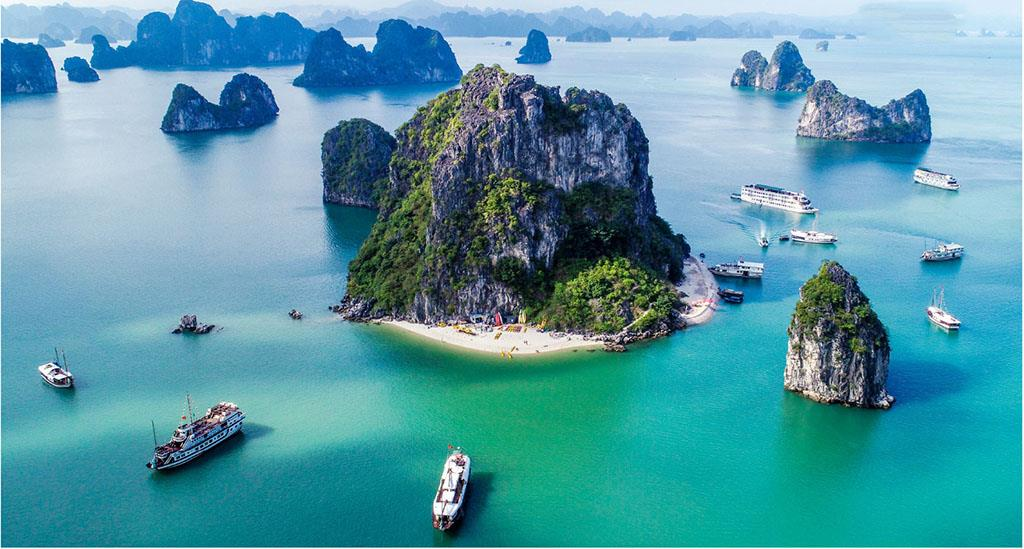
Image for illustrative purposes only. Source: Collected online.
Halong Bay floating villages represent a fragile yet profound aspect of Vietnam’s cultural heritage. These water-bound communities have thrived for generations, blending human life seamlessly with nature. Though their future is uncertain, their value is undeniable.
From the bustling docks of Cua Van to the serene stillness of Vung Vieng village, each floating community offers an unmatched perspective into Vietnam’s coastal soul. A journey to these villages is not just a sightseeing trip—it’s a step into living history. By supporting responsible tourism and choosing authentic experiences, travelers can help ensure that the last living heritage on water continues to float proudly in Halong Bay.
Read for more information:
- Halong Bay Day Tour – Sail Through a World Wonder
- Halong Bay 2 Day 1 Night Tour: The Ultimate Itinerary for First-Time Visitors
- Adrenaline & Scenery: Halong Bay Adventure Tours Await!
- Indulge in Luxury with a Private Halong Bay Cruise
- Experience the Magic of Halong Bay on an Overnight Cruise
At Abite.asia, we specialize in curated Vietnam tours for international travelers, ensuring an authentic and hassle-free experience. Let us take care of your journey so you can fully embrace the beauty of Vietnam. Contact us today at +84363770835 to start planning your adventure!




Leave a Reply