
The Hanoi Old Quarter walking tour offers travelers a gateway into the vibrant soul of Vietnam’s capital. Known for its bustling atmosphere, historic landmarks, and cultural treasures, the Old Quarter is an essential stop for anyone visiting Hanoi. This article highlights the top must-see spots on your walking tour, ensuring you capture the essence of this ancient and lively district. Discover the top must-see spots on your Hanoi Old Quarter walking tour. This complete guide covers the best temples, markets, and cultural highlights for your perfect visit to Hanoi.
Quick Overview: Hanoi Old Quarter Walking Tour
The Hanoi Old Quarter walking tour is one of the best ways to explore the city’s historic heart. Located in Hoan Kiem District, the Old Quarter preserves much of Hanoi’s original charm. Its narrow streets, ancient temples, and vibrant markets attract travelers from all over the world.
Though small in size, the area offers a wide variety of experiences. History, culture, food, and architecture blend together in every corner. Visitors can explore centuries-old temples, shop for local crafts, and sample famous street foods.
A few key details can help plan your Hanoi Old Quarter walking tour:
- Duration: Most walking tours take 2 to 4 hours, depending on how much you explore.
- Best Time: Mornings and late afternoons offer cooler temperatures and fewer crowds.
- Tour Types: Both self-guided and guided options are available. Guided Hanoi 36 streets tours provide more historical context.
- Other Options: Many combine the tour with a Hanoi street food walking tour or a Hoan Kiem Lake walking tour.
The streets can feel busy and confusing at times. Having a planned route often helps. However, getting a little lost can lead to unexpected discoveries. Each turn offers something new. Whether you join a guide or explore on your own, the Hanoi Old Quarter walking tour promises an unforgettable experience.
Hoan Kiem Lake & Turtle Tower (Tháp Rùa)
Hoan Kiem Lake is often the starting point for any Hanoi Old Quarter walking tour. It sits peacefully in the middle of the city, offering a calm space away from Hanoi’s busy streets. The lake’s name means “Lake of the Returned Sword,” linked to a famous legend in Vietnamese history.
In the center of the lake stands Turtle Tower, or Tháp Rùa. This small stone tower honors the legend of Emperor Le Loi, who returned a magical sword to a divine turtle after defeating foreign invaders. While visitors cannot enter the tower, it remains a symbol of Hanoi’s heritage.
The area around the lake offers much to see. Locals gather here early in the morning to practice tai chi or enjoy a quiet walk. Tourists often visit at sunrise or sunset for beautiful views and cooler weather. The paved path around the lake makes it easy to walk while enjoying the scenery.

Image for illustrative purposes only. Source: Collected online.
Key details to remember when visiting:
- Location: Central Hanoi, at the edge of the Old Quarter.
- Best Time to Visit: Early morning or late afternoon for cooler temperatures.
- Accessibility: Easy to reach on foot from most hotels in Hoan Kiem District.
Hoan Kiem Lake also connects easily to other Hanoi Old Quarter highlights. After visiting, many travelers continue directly to Ngoc Son Temple and The Huc Bridge, both nearby. This smooth transition makes the lake a natural starting point for your Hanoi Old Quarter walking tour. Read more about the legend of Hoan Kiem Lake
Ngoc Son Temple & The Huc Bridge
As you continue your Hanoi Old Quarter walking tour, Ngoc Son Temple is one of the first major stops after Hoan Kiem Lake. The temple sits on a small island, connected to the lake’s shore by the bright red The Huc Bridge. This site is both visually striking and rich in cultural significance.
Ngoc Son Temple, which means “Temple of the Jade Mountain,” honors several important figures in Vietnamese history. Among them are General Tran Hung Dao, who defended Vietnam against Mongol invasions, and scholar Van Xuong. The temple’s peaceful setting makes it a favorite place for reflection and learning.
Crossing The Huc Bridge is a highlight of the visit. The bridge’s vibrant color contrasts beautifully with the calm water below. Its name translates to “Morning Sunlight Bridge,” symbolizing hope and new beginnings. Many visitors stop here to take photos before entering the temple.
Important details for your visit include:
- Opening Hours: Usually open daily from early morning until evening.
- Entrance Fee: A small ticket fee applies for temple access.
- Best Time to Visit: Early or late in the day to avoid peak crowds and heat.
The location of Ngoc Son Temple makes it an easy addition to your Hanoi Old Quarter walking tour. After exploring the temple, visitors can quickly move on to other nearby Hanoi Old Quarter highlights. The experience provides both cultural insight and a peaceful pause in the middle of the vibrant city.
Bach Ma Temple (Đền Bạch Mã)

Image for illustrative purposes only. Source: Collected online.
Bach Ma Temple is one of the oldest and most historically significant stops on the Hanoi Old Quarter walking tour. Located on Hang Buom Street, it offers a quiet and sacred space amid the busy streets of the Old Quarter. The temple’s name means “White Horse,” connected to a legend from the founding days of Hanoi.
According to the story, King Ly Thai To built the temple in the 11th century after a white horse guided him in constructing the city’s original walls. Because of its deep historical roots, the temple is seen as a spiritual protector of Hanoi.
The temple’s architecture reflects traditional Vietnamese design. Visitors will see intricate wooden carvings, altars, and ancient statues. The scent of burning incense fills the air, adding to the calm atmosphere inside. While small in size, Bach Ma Temple offers valuable insight into the spiritual life of Hanoi’s early citizens.
Key details for visitors include:
- Location: 76 Hang Buom Street, in the Old Quarter.
- Entrance Fee: Free, though donations are welcome.
- Best Time to Visit: Morning hours, when the temple is quiet and less crowded.
The stop at Bach Ma Temple adds depth to any Hanoi Old Quarter walking tour. From here, it is easy to continue toward O Quan Chuong Gate or explore more Hanoi Old Quarter highlights nearby. The temple serves as a peaceful reminder of Hanoi’s ancient beginnings.
O Quan Chuong Gate (Old City Gate)
O Quan Chuong Gate is one of the most iconic historical landmarks on the Hanoi Old Quarter walking tour. As the only remaining gate from the city’s original defensive walls, it stands as a powerful reminder of Hanoi’s long history. Built in the 18th century, the gate has survived wars, urban changes, and modernization.

In earlier times, Hanoi was a fortified city with many gates controlling access. Over the years, most of these gates were destroyed or dismantled. However, O Quan Chuong Gate has been preserved, allowing visitors to see a rare piece of the old capital’s defenses. Its name honors a military commander who helped defend the city against foreign invaders.
The gate’s structure is simple yet impressive. Thick stone walls and a small archway show how the city was once protected. Today, traffic flows around the gate, creating a sharp contrast between the ancient structure and the modern city that surrounds it.
Key details for visiting include:
- Location: Intersection of Hang Chieu and Dao Duy Tu Streets.
- Entrance Fee: Free for all visitors.
- Best Time to Visit: Early morning or late afternoon for better light and fewer crowds.
Visiting O Quan Chuong Gate adds a strong historical element to your Hanoi Old Quarter walking tour. After seeing the gate, travelers often continue on to nearby markets or other Hanoi Old Quarter highlights, making it a natural part of the tour route.
Dong Xuan Market
No Hanoi Old Quarter walking tour would be complete without a visit to Dong Xuan Market. Established in the late 19th century, it remains Hanoi’s largest and most bustling indoor market. The market offers everything from fresh produce to souvenirs and traditional crafts.
Walking through its aisles, visitors experience the lively atmosphere typical of a Hanoi street food walking tour. The market is an excellent place to sample local dishes like pho, bun cha, and spring rolls. Whether you are shopping for gifts or simply observing local life, Dong Xuan Market provides an authentic glimpse into daily routines in Hanoi.

Image for illustrative purposes only. Source: Collected online.
Train Street
One of the most unique experiences on the Hanoi Old Quarter walking tour is Train Street. This narrow alley, lined with homes and cafes, famously has a railway track running right through it. Several times a day, trains pass so closely that visitors must retreat into the doorways of nearby houses.
Although safety measures have become stricter in recent years, Train Street remains a fascinating attraction. Visitors should be mindful of the regulations and respect the local residents’ space. Watching the train pass is an unforgettable moment that perfectly captures the blend of old and new that defines Hanoi.
Traditional Craft Streets
As you wander through the Old Quarter, you will notice that many streets are named after the goods that were traditionally sold there. Known collectively as the 36 streets, these areas form a key part of any Hanoi Old Quarter walking tour.
Hàng Bạc Street is renowned for silver jewelry, Hàng Đào for textiles, and Hàng Mã for paper goods and decorations. Each street has its own history and character, providing a vivid picture of Hanoi’s commercial heritage. These streets not only offer shopping opportunities but also allow visitors to witness craftspeople at work, keeping traditions alive.
Thang Long Imperial Citadel (Optional Extension)
The Thang Long Imperial Citadel has been recognized as a UNESCO World Heritage Site. Although located slightly outside the main Old Quarter, the Thang Long Imperial Citadel can easily be added to your Hanoi Old Quarter walking tour. As a UNESCO World Heritage Site, it holds great historical importance for Vietnam. The site represents over 1,000 years of continuous political and cultural development.
The Citadel served as the political center of several dynasties, including the Ly, Tran, and Le. Excavations have revealed ancient foundations, royal palaces, and artifacts that offer valuable insight into Vietnam’s past. Visitors walking through the site will observe both restored structures and original ruins, making it a unique blend of preservation and history.
Compared to the busy streets of the Old Quarter, the Citadel feels spacious and quiet. The grounds are large and allow for a slower pace. Informational signs and exhibits help visitors understand the site’s significance even without a guide.

Image for illustrative purposes only. Source: Collected online.
Key details to keep in mind:
- Location: 19C Hoang Dieu Street, about 15 minutes from the Old Quarter by foot or taxi.
- Entrance Fee: A small admission fee is charged.
- Best Time to Visit: Morning visits offer cooler weather and quieter surroundings.
Adding the Thang Long Imperial Citadel to your Hanoi Old Quarter walking tour brings a broader historical perspective. It connects the commercial life of the Old Quarter with Vietnam’s royal and political heritage, offering visitors a well-rounded experience of Hanoi’s rich history.
Sample Walking Tour Route Map
Planning your Hanoi Old Quarter walking tour can be made easier with a mapped-out route. Starting at Hoan Kiem Lake, you can first proceed to Ngoc Son Temple. Next, head toward Bach Ma Temple. After that, continue to O Quan Chuong Gate and then wander toward Dong Xuan Market. Subsequently, Train Street and St. Joseph’s Cathedral should follow. Finally, spend time exploring the craft streets to complete your Hanoi Old Quarter walking tour.For those with extra time, extending to the Thang Long Imperial Citadel is highly recommended.
A well-planned route ensures you can cover all major highlights within a comfortable 3-4 hour timeframe. Using a map reduces the chances of missing important sites and maximizes your experience.
Travel Tips for Hanoi Old Quarter Walking Tour
To make the most of your Hanoi Old Quarter walking tour, consider starting early to avoid the midday heat. Comfortable walking shoes are essential, as many streets are uneven or crowded. Dressing modestly is recommended, especially when visiting temples and religious sites.
Visitors should remain cautious of common tourist scams and always negotiate prices beforehand when shopping. Joining a Hanoi 36 streets tour or a Hanoi street food walking tour led by a local guide can offer valuable insights and ensure a smooth experience. Guides often share fascinating stories that enhance your appreciation of each location.
Where to Eat and Drink During the Tour
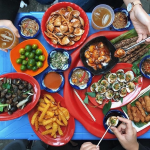
A Hanoi Old Quarter walking tour would not be complete without sampling the area’s rich culinary offerings. Throughout the Old Quarter, food and drink are always close by. The variety ensures that every visitor finds something to enjoy, whether it’s a quick snack or a full meal.
Street Food Highlights
The Old Quarter is famous for its street food, making it ideal for those who wish to combine the experience with a Hanoi street food walking tour. As you explore, you will often see small vendors preparing traditional dishes right on the sidewalks. The aromas of grilled meats, fresh herbs, and simmering broths fill the air.
Some must-try local foods include:
- Pho: Hanoi’s iconic noodle soup, usually enjoyed for breakfast.
- Banh Mi: A Vietnamese-style sandwich filled with meats, pickled vegetables, and sauces.
- Bun Cha: Grilled pork served with noodles, herbs, and dipping sauce.
- Egg Coffee: A unique Hanoi specialty combining strong coffee with whipped egg yolk and sugar.
Cafes and Rest Stops
Aside from food stalls, numerous cafes offer comfortable places to relax. Many are hidden in narrow alleys or located on upper floors, providing excellent views of the busy streets below. These spots offer a perfect break during your Hanoi Old Quarter walking tour.
Dining Options for the Evening
As the tour continues into the evening, visitors often choose one of the many local restaurants for dinner. Traditional Vietnamese restaurants serve dishes that allow you to experience authentic flavors in a relaxed setting. For many travelers, enjoying local food becomes one of the most memorable parts of the Hanoi Old Quarter walking tour.
Read for more information:
- Top 10 Must-Visit Historical Sites on Your Hanoi Tour
- Explore the Best of Northern Vietnam with a Hanoi Tour Package
- Best Hanoi City Tour for First-Time Visitors – What You Should Not Miss
- Hanoi Food Tour: Where to Eat Like a Local in the Capital
At Abite.asia, we specialize in curated Vietnam tours for international travelers, ensuring an authentic and hassle-free experience. Let us take care of your journey so you can fully embrace the beauty of Vietnam. Contact us today at +84363770835 to start planning your adventure!





Leave a Reply