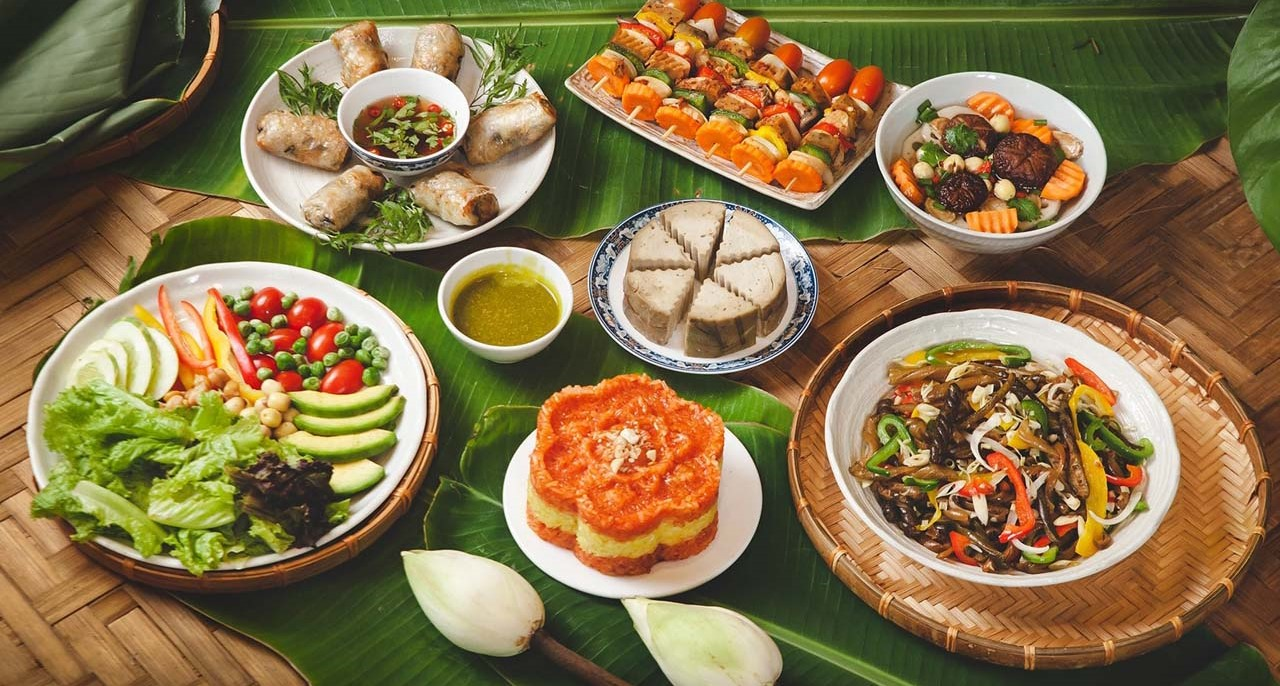
Hanoi is famous for its bold street food, smoky grills, and flavorful broths. Yet behind this vibrant food culture lies a quieter culinary world shaped by Buddhist traditions and mindful eating. A Hanoi vegetarian food tour introduces travelers to this peaceful side of the city’s cuisine, where vegetables, tofu, herbs, and delicate broths create dishes that feel both nourishing and balanced.
Plant-based meals have long been part of Vietnamese culture. Many people choose vegetarian food on special days of the lunar calendar or during Buddhist festivals. Because of this tradition, Hanoi has developed a wide variety of vegetarian restaurants, temple kitchens, and small eateries serving flavorful meat-free dishes. Some meals imitate classic Vietnamese recipes using tofu and mushrooms, while others focus entirely on fresh vegetables and herbs.
Exploring a Hanoi vegetarian food tour also reveals how food connects with spirituality and everyday life in Hanoi. The experience often begins near temples, quiet streets, or family-run vegetarian restaurants where the atmosphere feels calm and welcoming. Instead of loud grills and busy food stalls, visitors encounter gentle cooking aromas, colorful vegetable dishes, and a slower pace of dining.
For travelers seeking something different from typical street food tours, vegetarian cuisine offers a refreshing perspective on Hanoi’s culinary identity.
1. The Cultural Roots of Vegetarian Cuisine in Hanoi
Vegetarian cuisine in Hanoi reflects a long history of spiritual practice, local traditions, and evolving food culture. While modern vegetarian restaurants continue to grow in popularity, the foundation of this cuisine comes from Buddhist philosophy and temple cooking. Understanding this background helps travelers appreciate the deeper meaning behind a Hanoi vegetarian food tour.
Buddhist Influence on Vegetarian Cooking
Many vegetarian dishes in Hanoi originate from Buddhist temples. Monks have prepared plant-based meals for centuries as part of a lifestyle that emphasizes compassion, balance, and mindfulness. These meals focus on natural ingredients and simple cooking methods that preserve the true flavor of vegetables and herbs.

Vegetarian dishes served in Hanoi vegetarian restaurant
Typical ingredients used in temple-style vegetarian cooking include:
- Tofu and soybean products
- Mushrooms and root vegetables
- Fresh herbs such as basil and coriander
- Light vegetable broths and soy-based sauces
These ingredients allow chefs to create satisfying meals without relying on meat or seafood.
Vegetarian Traditions in Vietnamese Daily Life
Beyond temples, vegetarian eating also appears in everyday Vietnamese culture. Many people choose vegetarian meals on specific days of the lunar month. These days often fall on the first and fifteenth, when families visit temples or practice spiritual reflection.
During these periods, vegetarian restaurants become especially popular.
Common reasons locals eat vegetarian food include:
- Religious or spiritual beliefs
- Cultural traditions passed through generations
- Personal health and wellness choices
- A desire for lighter, cleaner meals
Because of these habits, visitors will easily find vegetarian dishes across the city.
A Modern Revival of Plant-Based Dining
In recent years, vegetarian cuisine in Hanoi has expanded beyond traditional temple meals. Younger chefs and restaurant owners now experiment with creative plant-based dishes that combine Vietnamese ingredients with modern culinary ideas.
Examples of modern vegetarian dining trends include:
- Vegan versions of traditional Vietnamese noodle soups
- Creative tofu and mushroom dishes replacing meat
- Organic vegetable cafés and health-focused restaurants
- Contemporary vegetarian buffets popular among locals
This growing interest has transformed the Hanoi vegetarian food tour into an experience that blends heritage, health, and modern food culture.
For visitors, exploring vegetarian cuisine in Hanoi offers more than just a meal. It reveals a deeper cultural philosophy where food, spirituality, and community come together in harmony.
2. Must-Try Dishes on a Hanoi Vegetarian Food Tour
One of the most rewarding parts of a Hanoi vegetarian food tour is discovering how traditional Vietnamese dishes can be transformed using plant-based ingredients. Instead of meat or seafood, chefs often rely on tofu, mushrooms, beans, and seasonal vegetables to recreate the textures and flavors that people love. As a result, vegetarian cuisine in Hanoi feels both familiar and innovative at the same time.
Many vegetarian dishes are inspired by well-known Vietnamese recipes. However, careful preparation and seasoning allow these meat-free versions to maintain rich flavor and satisfying textures. This creative approach makes vegetarian food appealing not only to vegetarians but also to travelers who simply want to explore new culinary experiences.
Vegetarian Phở – A Gentle and Fragrant Soup
Phở is one of Vietnam’s most famous dishes, and vegetarian versions have become increasingly popular across Hanoi. Instead of beef bones, chefs create broth using vegetables, mushrooms, and natural spices such as cinnamon, star anise, and ginger. The result is a lighter but still aromatic soup that reflects the essence of traditional phở.

Vegetarian pho noodle soup Hanoi
Typical ingredients in vegetarian phở include:
- Rice noodles cooked until soft and smooth
- Mushrooms such as shiitake or oyster mushrooms
- Tofu slices for added protein
- Fresh herbs like cilantro, basil, and green onions
- A vegetable-based broth simmered with traditional spices
Because of its light flavor and comforting warmth, vegetarian phở is a highlight of many Hanoi vegetarian food tour experiences.
Vegetarian Bún – Fresh Noodles with Herbs and Tofu
Another popular dish on a vegetarian food tour is bún chay, a rice vermicelli dish served with vegetables, tofu, and fragrant herbs. Unlike soup-based meals, bún dishes focus on freshness and texture. They often combine warm ingredients with crisp vegetables and bright sauces.

Vegetarian bun noodles tofu herbs Hanoi
Common elements of vegetarian bún include:
- Thin rice vermicelli noodles
- Fried or grilled tofu pieces
- Pickled vegetables such as carrots and papaya
- Fresh herbs including mint and basil
- Light dipping sauce made from soy sauce or vegetarian fish sauce
The balance of herbs, noodles, and vegetables makes this dish especially refreshing during warm days.
Vegetarian Spring Rolls and Small Street Snacks
Spring rolls are another essential part of a vegetarian food tour. Vendors prepare both fresh and fried versions using vegetables, glass noodles, tofu, and mushrooms. These small dishes are perfect for sharing and tasting alongside other meals.

Vegetarian spring rolls Vietnamese cuisine
Popular vegetarian snacks include:
- Fresh spring rolls (gỏi cuốn chay) filled with herbs and tofu
- Fried spring rolls (nem rán chay) with crispy wrappers and vegetable fillings
- Tofu skewers grilled with sweet soy sauce
- Vegetarian dumplings filled with mushrooms and vegetables
These smaller dishes allow travelers to sample a variety of flavors during a Hanoi vegetarian food tour.
Sweet Desserts and Refreshing Drinks
Vegetarian dining in Hanoi often ends with light desserts made from beans, coconut milk, and tropical fruits. These sweet treats provide a refreshing finish after a flavorful meal.
Common dessert choices include:
- Chè, a Vietnamese sweet soup made with beans, jelly, or fruit
- Fresh fruit plates featuring mango, dragon fruit, or pineapple
- Coconut milk desserts served with sticky rice or beans
Together, these dishes reveal the creativity and diversity of vegetarian cuisine in Hanoi. Exploring them during a Hanoi vegetarian food tour offers visitors a deeper understanding of how plant-based ingredients can create meals that are both nourishing and full of flavor.
3. Where to Experience the Best Vegetarian Food in Hanoi
A memorable Hanoi vegetarian food tour is not only about the dishes themselves. It is also about the places where these meals are prepared and enjoyed. Hanoi offers a wide range of vegetarian dining spots, from quiet temple kitchens to modern plant-based cafés. Each location reflects a different side of the city’s culinary and cultural life.
Exploring these places allows travelers to experience vegetarian cuisine in various atmospheres. Some restaurants emphasize traditional Buddhist cooking, while others present creative interpretations of plant-based food.
Temple Restaurants and Traditional Vegetarian Kitchens
Many of Hanoi’s vegetarian restaurants are located near temples or spiritual centers. These eateries often follow cooking methods inspired by Buddhist traditions. Meals here tend to be simple, balanced, and nourishing.
Visitors may notice several distinctive characteristics in temple-style restaurants:
- Calm dining spaces with quiet and peaceful atmospheres
- Menus featuring tofu, mushrooms, and seasonal vegetables
- Light broths and mild seasonings rather than heavy sauces
- Staff who prepare food carefully with attention to presentation
These places provide a relaxing environment that complements the mindful spirit of a Hanoi vegetarian food tour.
Local Vegetarian Street Stalls
In addition to formal restaurants, small vegetarian street stalls appear across the city. These vendors often operate near markets or residential neighborhoods where locals gather for quick meals.

Vegetarian street food stall Hanoi tofu dishes
Typical features of vegetarian street food stalls include:
- Simple menus focused on a few well-prepared dishes
- Affordable prices that attract local customers
- Fresh ingredients purchased daily from nearby markets
- Quick service designed for busy city life
Because these stalls serve mainly local residents, the experience feels authentic and lively.
Modern Vegan Cafés and Contemporary Restaurants
In recent years, Hanoi has seen the rise of modern vegetarian and vegan cafés. These spaces attract young diners, travelers, and people interested in healthy lifestyles. Many cafés combine Vietnamese ingredients with international cooking styles.
Modern vegetarian dining spots often offer:
- Creative plant-based interpretations of traditional Vietnamese dishes
- Vegan desserts made with coconut milk and natural sweeteners
- Smoothies and fresh juices using seasonal fruits
- Comfortable interiors designed for relaxed dining or conversation
These cafés show how vegetarian cuisine continues to evolve in the city.
Exploring different dining environments helps travelers understand the diversity of plant-based cuisine in Hanoi. From temple kitchens to stylish vegan cafés, each stop on a Hanoi vegetarian food tour reveals another layer of the city’s food culture.
4. Tips for Enjoying a Hanoi Vegetarian Food Tour
Exploring plant-based cuisine in the capital becomes much more rewarding when travelers understand how locals approach vegetarian dining. A Hanoi vegetarian food tour is not only about tasting different dishes. It is also about experiencing the cultural habits, seasonal ingredients, and social atmosphere that surround these meals.

Colorful Vietnamese vegetarian dish presentation
Visitors who follow local customs often discover a richer and more authentic culinary journey. From choosing the right time to eat to understanding how dishes are served, a few simple tips can make the experience smoother and more enjoyable.
Choose the Right Time for Vegetarian Dining
Vegetarian restaurants in Hanoi often follow a slightly different rhythm compared with regular street food stalls. Many places become busiest during special lunar calendar days when locals practice vegetarian eating.
Good times to explore vegetarian cuisine include:
- Morning hours when restaurants serve fresh noodle soups and rice dishes
- Lunch time when many office workers visit vegetarian buffets
- Lunar calendar days such as the 1st and 15th, when vegetarian meals are especially popular
- Buddhist festivals when temple restaurants prepare special dishes
Visiting during these times allows travelers to see how vegetarian dining fits naturally into Hanoi’s daily lifestyle.
Try a Variety of Small Dishes
Another important tip for enjoying a Hanoi vegetarian food tour is sampling several dishes rather than ordering only one meal. Vietnamese cuisine emphasizes variety, and vegetarian menus often include many small plates designed for sharing.
A typical vegetarian tasting experience may include:
- A bowl of vegetarian phở or bún noodles
- Crispy vegetarian spring rolls
- Stir-fried vegetables or tofu dishes
- Light desserts made from beans or coconut milk
By tasting several dishes, visitors can appreciate the balance of flavors that defines Vietnamese cooking.
Pay Attention to Ingredients and Presentation
Vegetarian cuisine in Hanoi places strong emphasis on freshness and visual harmony. Many dishes use colorful vegetables and herbs arranged carefully on the plate.
Travelers may notice several interesting details:
- Bright green herbs paired with golden fried tofu
- Delicate vegetable carvings used as decoration
- Balanced combinations of textures such as crispy, soft, and fresh ingredients
- Sauces that enhance flavor without overpowering the dish
These elements show how Vietnamese vegetarian cuisine values both taste and aesthetic presentation.
Embrace the Calm Atmosphere of Vegetarian Dining
One of the most distinctive features of a Hanoi vegetarian food tour is the peaceful atmosphere found in many vegetarian restaurants. Compared with the loud energy of street food markets, vegetarian eateries often feel quieter and more reflective.
Visitors can enjoy:
- Relaxed dining spaces inspired by Buddhist aesthetics
- Soft background music or calm environments
- Friendly staff who explain dishes and ingredients
- A slower pace that encourages mindful eating
This calm environment allows travelers to appreciate not only the food but also the philosophy behind vegetarian cuisine.
Read for more information:
- https://abite.asia/hanoi-street-food-for-spring-light-refreshing-local-flavors/
- https://abite.asia/hanoi-early-morning-flower-market-a-3am-sensory-journey/
Ultimately, a Hanoi vegetarian food tour offers more than a collection of delicious meals. It introduces visitors to a culinary tradition that blends health, spirituality, and creativity. By following local habits and exploring different restaurants, travelers can discover a peaceful and flavorful side of Hanoi’s vibrant food culture.
At Abite.asia, we specialize in curated Vietnam tours for international travelers, ensuring an authentic and hassle-free experience. Let us take care of your journey so you can fully embrace the beauty of Vietnam. Contact us today at +84363770835 to start planning your adventure!


Leave a Reply