
Right in the heart of Hanoi, Hoan Kiem Lake — also known as Sword Lake — is more than just a scenic body of water. It is the spiritual center of the capital, where history, legend, and daily life all come together. For centuries, the lake has been tied to the famous story of Emperor Lê Lợi returning the magical sword to the Golden Turtle, symbolizing peace and independence. Today, the lake remains a vibrant gathering point for both locals and travelers.
1. Start Your Day with a Sunrise Stroll at Hoan Kiem Lake
Hoan Kiem Lake at sunrise is the perfect way to begin a day in Hanoi. As the soft light spreads across the water, locals gather here for their morning rituals. Some practice tai chi, others jog or dance, and many simply pause to reflect before starting work. For travelers, this is the best time to experience the authentic rhythm of the city. Visiting Hoan Kiem Lake in the morning blends tranquility, cultural immersion, and stunning photo opportunities into one unforgettable activity.

Image for illustrative purposes only. Source: Collected online.
Join Locals in Morning Tai Chi
At sunrise, Hoan Kiem Lake transforms into Hanoi’s most popular open-air fitness space. Dozens of groups, large and small, practice tai chi along the pathways. Their synchronized movements create a calm, almost meditative scene. Joggers weave through the trees, while elderly residents stretch gracefully by the lakeside.
Highlights of the morning scene at Hoan Kiem Lake:
- Tai chi groups performing slow, fluid movements near the water.
- Elderly couples walking hand-in-hand around the lake’s 1.8 km path.
- Dance groups practicing traditional and modern routines in open squares.
- Joggers greeting each other as they complete laps.
The best part is that travelers are welcome to observe or even participate. By joining in, you not only enjoy exercise but also connect with the local community at Hoan Kiem Lake.
Watch the Lake Come Alive with Light and Reflections
The magic of Hoan Kiem Lake lies in its ability to reflect the city’s charm. As dawn breaks, Turtle Tower glows softly on its small islet, while the red Huc Bridge leading to Ngoc Son Temple shines in the golden light. The lake becomes a mirror, capturing both architecture and movement.
Photography tips for sunrise at Hoan Kiem Lake:
- Position yourself near the southern bank to capture Turtle Tower with the rising sun behind it.
- Frame the Huc Bridge in early light for a striking contrast of red and gold.
- Photograph locals exercising against the glowing backdrop for authentic travel shots.
These moments are brief, changing with each passing minute, which makes Hoan Kiem Lake at sunrise so rewarding for photographers and nature lovers.

Image for illustrative purposes only. Source: Collected online.
Tips for the Best Morning Visit
To truly experience Hoan Kiem Lake, timing and preparation matter. The earlier you arrive, the more serene and authentic the atmosphere feels. Once the city awakens, traffic and crowds alter the mood.
Useful tips for travelers visiting Hoan Kiem Lake in the morning:
- Arrive before 6:00 a.m. to witness the first rays of sunlight.
- Wear comfortable shoes, as walking the full loop takes about 30 minutes.
- Bring a camera or smartphone to capture both landscape and candid shots.
- Carry a light jacket in cooler months since mornings can be crisp.
- Continue to the nearby Old Quarter for breakfast, such as pho or egg coffee.
By starting your day at Hoan Kiem Lake, you enjoy both peace and vitality. The experience prepares you for a full day of exploring Hanoi while giving you an intimate connection with the city’s traditions and its people.
2. Visit Ngoc Son Temple on Jade Island
Ngoc Son Temple, located on a small island in the middle of Hoan Kiem Lake, is one of Hanoi’s most iconic cultural and spiritual landmarks. Reached by the striking red Huc Bridge, Ngoc Son Temple offers a mix of history, architecture, and legend. Visiting Ngoc Son Temple not only brings travelers closer to Vietnam’s heritage but also provides beautiful views of Hoan Kiem Lake and the surrounding city. This section will guide you through the meaning, highlights, and practical tips for your visit.
Discover the Meaning and History of Ngoc Son Temple
Ngoc Son Temple was originally built in the 18th century and is dedicated to General Tran Hung Dao, a national hero who defeated Mongol invaders. The temple also honors scholars and deities, reflecting Vietnam’s deep respect for wisdom and spirituality. Stepping inside Ngoc Son Temple allows visitors to connect with centuries of history in a serene environment.
Key historical insights about Ngoc Son Temple:
- Dedicated to Tran Hung Dao, a symbol of national pride.
- Includes altars to Van Xuong, the God of Literature, and La To, the patron saint of physicians.
- Built during the 18th century and preserved as one of Hanoi’s cultural treasures.
The stories behind Ngoc Son Temple enrich your understanding of Vietnam’s resilience and values.

Image for illustrative purposes only. Source: Collected online.
Cross the Iconic Huc Bridge
One of the most memorable experiences at Ngoc Son Temple is walking across the bright red Huc Bridge, which means “Morning Sunlight.” This elegant wooden bridge connects the bustle of Hanoi with the tranquility of the temple.
What makes the Huc Bridge special:
- Its vibrant red color contrasts beautifully with the green water of Hoan Kiem Lake.
- It symbolizes harmony between heaven and earth.
- It provides one of the best vantage points for photography in the city.
Crossing the Huc Bridge toward Ngoc Son Temple is both symbolic and scenic, making it a highlight for any traveler.
Explore the Temple’s Cultural Treasures
Inside Ngoc Son Temple, you’ll find intricate carvings, statues, and historical relics. The atmosphere is calm, filled with the scent of incense. Among the most fascinating displays is the preserved giant turtle, which once lived in Hoan Kiem Lake and adds to the lake’s legendary status.
Cultural highlights of Ngoc Son Temple include:
- Beautiful calligraphy and altars to deities and scholars.
- A preserved giant turtle, linked to the “Returned Sword” legend of Hoan Kiem Lake.
- Peaceful courtyards ideal for reflection and photos.
Each corner of Ngoc Son Temple tells a story, blending legend with history.
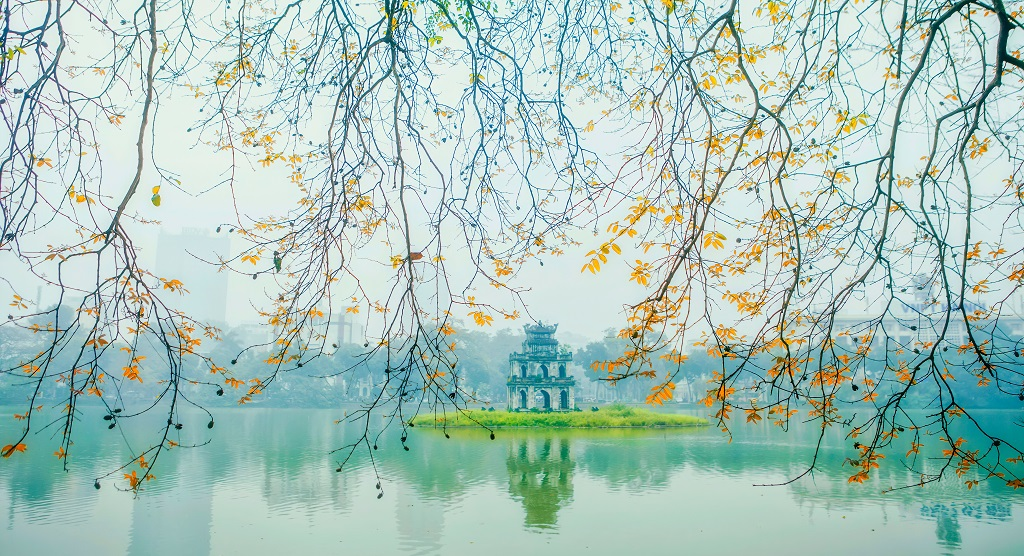
Image for illustrative purposes only. Source: Collected online.
Practical Tips for Visiting Ngoc Son Temple
To make the most of your visit, consider timing, entry fees, and etiquette. Ngoc Son Temple is small but can get crowded, especially on weekends and holidays.
Visitor tips for Ngoc Son Temple:
- Opening hours: 8:00 a.m. to 6:00 p.m. daily.
- Entry fee: Affordable, usually less than $1–2 USD.
- Dress respectfully, covering shoulders and knees.
- Arrive early in the morning for a quiet visit.
- Combine your trip with a walk around Hoan Kiem Lake.
By visiting Ngoc Son Temple, you step into a living piece of Hanoi’s history. The temple’s blend of legend, spirituality, and architecture makes it one of the most meaningful stops around Hoan Kiem Lake. Whether you come for photography, culture, or quiet reflection, Ngoc Son Temple leaves a lasting impression.
3. Discover the Legend of the Turtle Tower (Tháp Rùa)
Turtle Tower, standing proudly on a small islet in the middle of Hoan Kiem Lake, is one of Hanoi’s most enduring symbols. Although simple in structure, Turtle Tower represents Vietnam’s history, mythology, and cultural identity. Travelers who pause to admire Turtle Tower not only enjoy a beautiful landmark but also uncover the famous legend of the Returned Sword, which gave Hoan Kiem Lake its name. This section explores the story, symbolism, and photography tips that make Turtle Tower a must-see.
Learn the Legend Behind Turtle Tower
The story of Turtle Tower begins with Emperor Lê Lợi, who is said to have received a magical sword from the Golden Turtle God to fight against foreign invaders. After his victory, the emperor returned the sword to the turtle at Hoan Kiem Lake, symbolizing peace and unity. Turtle Tower was later built to honor this tale.
Highlights of the Turtle Tower legend:
- Lê Lợi’s sword brought victory and independence.
- The golden turtle returned at Hoan Kiem Lake to reclaim the weapon.
- Turtle Tower stands as a reminder of Vietnam’s resilience and faith.
By understanding this story, travelers see Turtle Tower not just as a building, but as a living legend.
Understand the Symbolism of Turtle Tower
Beyond the legend, Turtle Tower symbolizes wisdom, longevity, and national pride. Its modest three-tiered design reflects traditional Vietnamese architecture and blends naturally with the lake’s peaceful setting.
Cultural symbolism of Turtle Tower includes:
- A connection to sacred animals in Vietnamese culture, particularly turtles.
- A national reminder of independence and strength.
- An emblem often featured in art, literature, and even Vietnamese currency.
For locals, Turtle Tower represents more than beauty — it carries emotional and patriotic significance.

Image for illustrative purposes only. Source: Collected online.
Capture the Best Photos of Turtle Tower
Although travelers cannot walk onto the islet, Turtle Tower is one of the most photographed spots in Hanoi. With the right angles and timing, you can create striking images that showcase both the landmark and its surroundings.
Photography tips for Turtle Tower:
- Visit at sunrise or sunset for soft light and golden reflections.
- Frame Turtle Tower with flowers or tree branches along the lakeside.
- Capture night views when Turtle Tower glows under city lights.
These perspectives highlight Turtle Tower’s charm and create memorable travel photos.
Tips for Enjoying Turtle Tower at Hoan Kiem Lake
Since Turtle Tower is not accessible, enjoying it means slowing down and appreciating the views from around the lake. Travelers should take time to walk the full circle of Hoan Kiem Lake to admire Turtle Tower from multiple vantage points.
Practical tips for visiting Turtle Tower:
- Walk the southern path for the clearest view.
- Use binoculars or a zoom lens to see details.
- Visit both day and night for contrasting experiences.
- Pair your stop at Turtle Tower with visits to Ngoc Son Temple and the Old Quarter.
Turtle Tower remains the soul of Hoan Kiem Lake. While small in size, its legendary story and symbolic meaning make it one of Hanoi’s most important icons. Whether you admire it at sunrise, capture it at night, or simply reflect on its legend, Turtle Tower will stay in your memory as the heart of Hanoi.
4. Explore Hanoi’s Old Quarter Just Steps Away
The Hanoi Old Quarter is the beating heart of the city, located only a short walk from Hoan Kiem Lake. Known for its maze of 36 streets, the Hanoi Old Quarter combines centuries of history with modern energy. Walking through the Hanoi Old Quarter gives travelers a chance to experience traditional architecture, bustling markets, authentic food, and the daily rhythm of local life. This section highlights what makes the Hanoi Old Quarter so special, from cultural heritage to street food and shopping opportunities.
Walk Through the 36 Streets of the Hanoi Old Quarter
The Hanoi Old Quarter is famous for its 36 streets, each historically linked to a specific trade. Even today, you’ll find streets selling silk, silver, paper, and herbal medicine. Exploring the Hanoi Old Quarter by foot is like stepping back in time while still feeling the city’s vibrant pulse.
Notable highlights when walking the Hanoi Old Quarter:
- Hang Bac Street for silver and jewelry.
- Hang Ma Street for colorful paper goods and festival decorations.
- Hang Dao Street for clothing and textiles.
- Narrow alleys filled with traditional houses and hidden courtyards.
Every corner of the Hanoi Old Quarter offers a discovery, whether it’s architecture, culture, or everyday life.
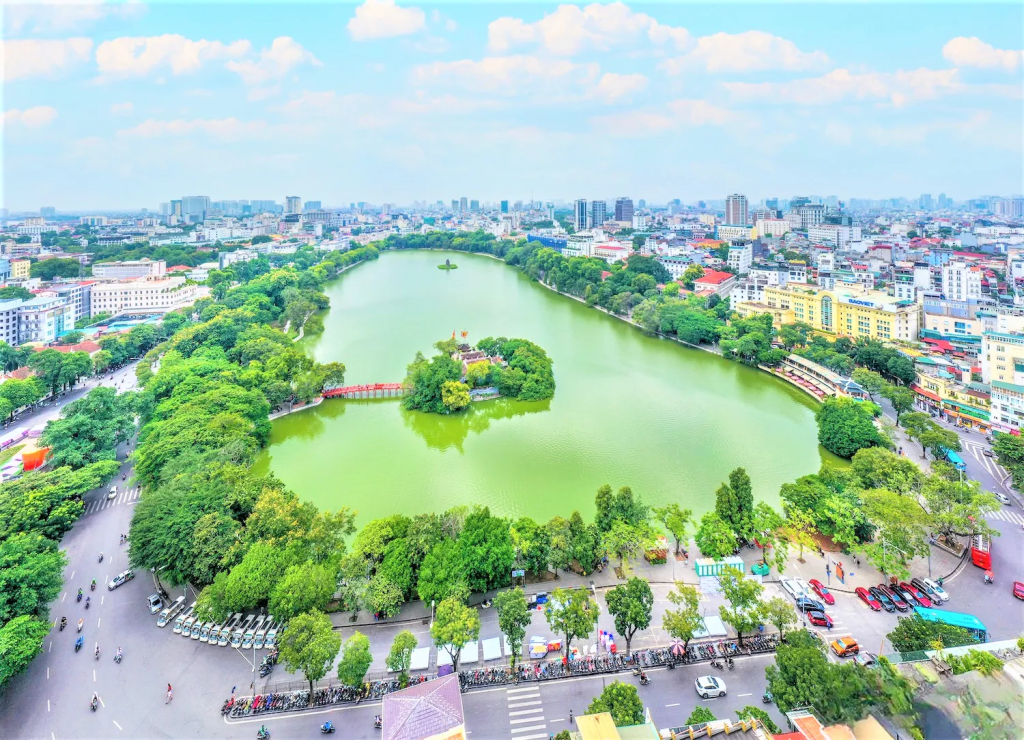
Image for illustrative purposes only. Source: Collected online.
Taste Authentic Street Food in the Hanoi Old Quarter
Food is at the center of the Hanoi Old Quarter experience. This district is filled with small stalls and family-run shops serving iconic Vietnamese dishes. Eating in the Hanoi Old Quarter means tasting the flavors that define the city’s culture.
Must-try foods in the Hanoi Old Quarter include:
- Pho bo (beef noodle soup) at traditional stalls.
- Bun cha, grilled pork with noodles, made famous by locals.
- Egg coffee, invented in Hanoi and best enjoyed at Old Quarter cafés.
- Fresh spring rolls and street snacks at night markets.
Sampling these dishes in the Hanoi Old Quarter connects travelers to Hanoi’s culinary heritage.
Shop for Handicrafts and Souvenirs
The Hanoi Old Quarter is also a shopping haven. While some streets cater to tourists, others preserve authentic crafts passed down through generations. Buying something here is both a souvenir and a way to support local artisans.
Popular shopping finds in the Hanoi Old Quarter:
- Lacquerware and hand-painted ceramics.
- Silk scarves, ao dai, and other traditional garments.
- Bamboo products, from baskets to household items.
- Handmade lanterns and embroidered accessories.
Shopping in the Hanoi Old Quarter allows visitors to bring home a piece of Hanoi’s culture.
Tips for Exploring the Hanoi Old Quarter
Navigating the Hanoi Old Quarter can be overwhelming due to its narrow streets and heavy traffic. However, with a few tips, travelers can make the experience smooth and enjoyable.
Traveler tips for the Hanoi Old Quarter:
- Wear comfortable shoes for walking long distances.
- Visit in the morning for less crowded streets.
- Be cautious when crossing roads with motorbikes.
- Bargain politely when shopping at markets.
- Combine exploration of the Hanoi Old Quarter with a visit to Hoan Kiem Lake.
The Hanoi Old Quarter is more than just a tourist attraction; it is the living museum of the city. Every street tells a story, every dish carries tradition, and every shop reflects local creativity. By spending time in the Hanoi Old Quarter, travelers experience the authentic pulse of Vietnam’s capital, making it an essential stop during any visit to Hanoi.
5. Enjoy the Weekend Hanoi Walking Street Festival
Every weekend, the area around Hoan Kiem Lake transforms into the lively Hanoi Walking Street. From Friday evening to Sunday night, cars and motorbikes disappear, leaving the roads open only for pedestrians. The Hanoi Walking Street creates a festival-like atmosphere where music, games, food, and cultural performances bring people together. For travelers, this is one of the most enjoyable ways to experience local life in Hanoi. This section explores the highlights of Hanoi Walking Street, from performances to family fun and practical tips.
Experience Street Music and Performances at Hanoi Walking Street
As soon as Hanoi Walking Street opens, performers fill the area with sound and energy. From traditional instruments to modern dance, the variety is impressive. Locals gather to watch, while travelers can join in the fun.
Popular performances at Hanoi Walking Street include:
- Traditional Vietnamese music groups with flutes and drums.
- Young bands playing acoustic guitar and pop songs.
- Street dancers showcasing hip-hop and contemporary moves.
- Puppet shows and small theatrical acts for children.
The mix of tradition and modern creativity makes Hanoi Walking Street unforgettable.
Enjoy Family-Friendly Games and Activities
Hanoi Walking Street is not just for adults; it is also a playground for families. Children laugh and play freely in the safe, traffic-free space. Parents and grandparents often join in, making it a multigenerational gathering spot.
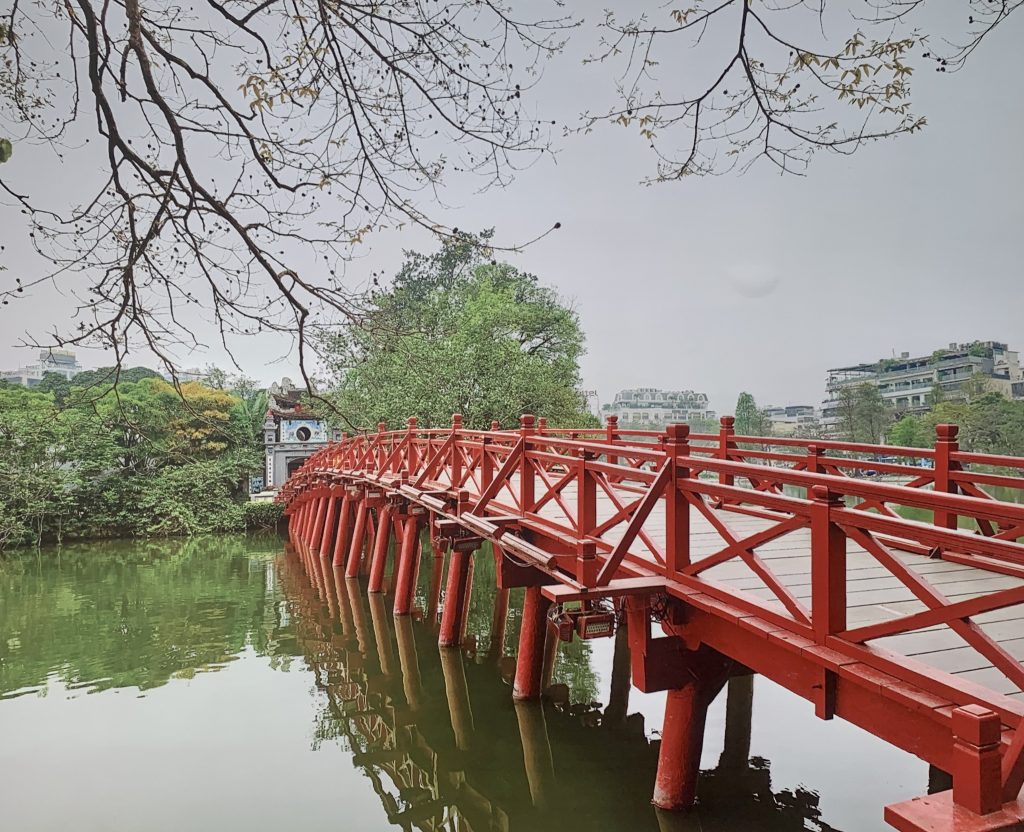
Image for illustrative purposes only. Source: Collected online.
Activities you will find at Hanoi Walking Street:
- Tug-of-war, shuttlecock kicking, and other traditional games.
- Balloon vendors and face-painting stalls for kids.
- Roller skating and toy car rides along the wide paths.
- Group dances where anyone can participate.
For travelers with children, Hanoi Walking Street offers a safe and interactive environment.
Taste Street Food Around Hanoi Walking Street
No visit to Hanoi Walking Street is complete without trying the food. Vendors set up small stalls offering snacks, drinks, and desserts. While some options are local favorites, others are creative twists on traditional recipes.
Street food highlights near Hanoi Walking Street:
- Grilled skewers and sausages, perfect for a quick bite.
- Sweet potato cakes and fried banana snacks.
- Fresh sugarcane juice and iced lemon tea.
- Ice cream stalls that attract both kids and adults.
Eating at Hanoi Walking Street lets travelers sample authentic flavors while enjoying the festive mood.
Tips for Visiting Hanoi Walking Street
Because Hanoi Walking Street is so popular, planning your visit helps you avoid crowds and enjoy it fully.
Traveler tips for Hanoi Walking Street:
- Opening times: Friday 7:00 p.m. until Sunday 11:00 p.m.
- Arrive early in the evening to catch the performances.
- Wear light clothing and comfortable shoes for walking.
- Keep your belongings safe in crowded areas.
- Combine Hanoi Walking Street with a stroll around Hoan Kiem Lake.
Hanoi Walking Street captures the soul of the city: lively, welcoming, and creative. It is more than a weekend event — it is a tradition that brings people together. Whether you come for music, games, food, or simply the joy of walking freely, Hanoi Walking Street will give you lasting memories of Hanoi’s vibrant culture.
Read for more information:
- Long Bien Bridge: A Journey Through Hanoi’s Historic Lifeline
- Tran Quoc Pagoda: Explore the Oldest Buddhist Temple in Hanoi
At Abite.asia, we specialize in curated Vietnam tours for international travelers, ensuring an authentic and hassle-free experience. Let us take care of your journey so you can fully embrace the beauty of Vietnam. Contact us today at +84363770835 to start planning your adventure!


Leave a Reply