
The O Quy Ho Pass is one of northern Vietnam’s most breathtaking mountain roads, stretching across the Hoang Lien Son range and linking Lai Chau with Sapa. Known for its dramatic curves, shifting clouds, and sweeping views, the pass offers a journey filled with excitement and awe. Travelers come here to chase sunrise, watch fog roll over the peaks, and feel the cool mountain wind high above the valleys. The route is both thrilling and scenic, making it a favorite among photographers, adventurers, and nature lovers. This introduction provides an overview of the atmosphere before delving into the location in detail.
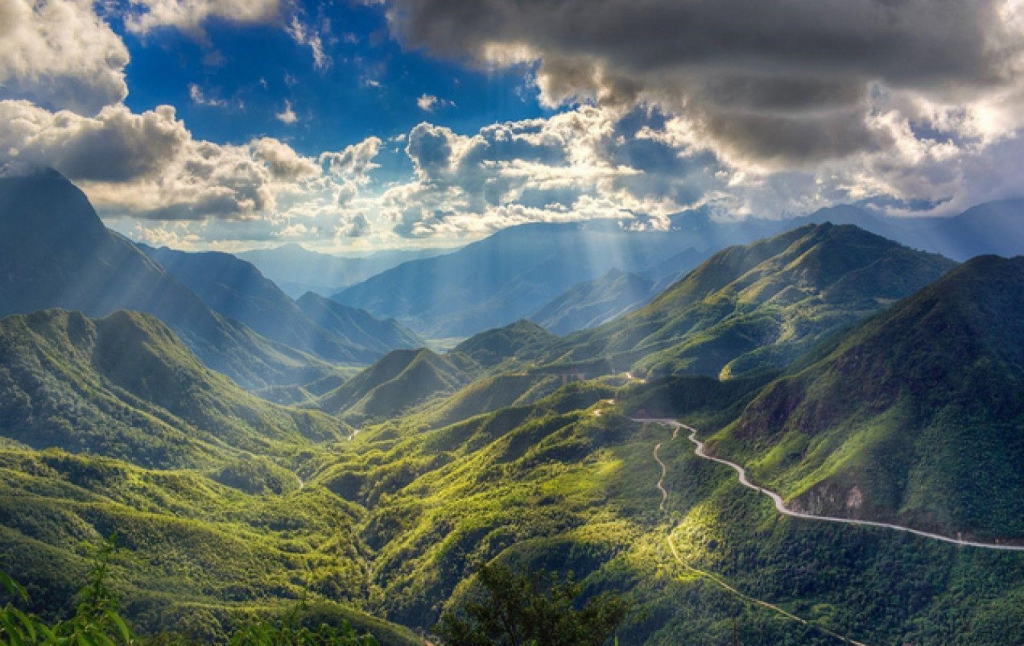
Image for illustrative purposes only. Source: Collected online.
1. Introduction to O Quy Ho Pass
O Quy Ho Pass is renowned for its impressive height, dramatic landscape, and ever-changing weather conditions. This section describes where the pass is located, the mountain environment surrounding it, and the first impressions that travelers experience when reaching this iconic route.
A Mountain Pass Between Clouds and Valleys
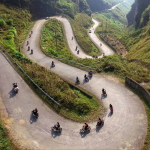
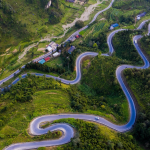
O Quy Ho Pass runs along the Hoang Lien Son mountain range, climbing to more than 2,000 meters above sea level. As the road winds upward, the scenery changes with each turn: deep valleys drop away on one side, while steep cliffs rise sharply on the other. Mist often sweeps across the road, creating a mysterious and shifting atmosphere.
Travelers can see Fansipan Mountain from several viewpoints, especially on clear days. The feeling is both grand and peaceful, as the mountains stretch endlessly into the distance.
Key features of the mountain setting:
- High altitude with cool, fresh air
- Deep valleys covered in green forests
- Sharp cliffs rising beside the road
- Frequent clouds and fog drifting across the peaks
The pass gives visitors a sense of scale that few other places can match.
A Route Known for Its Changing Weather
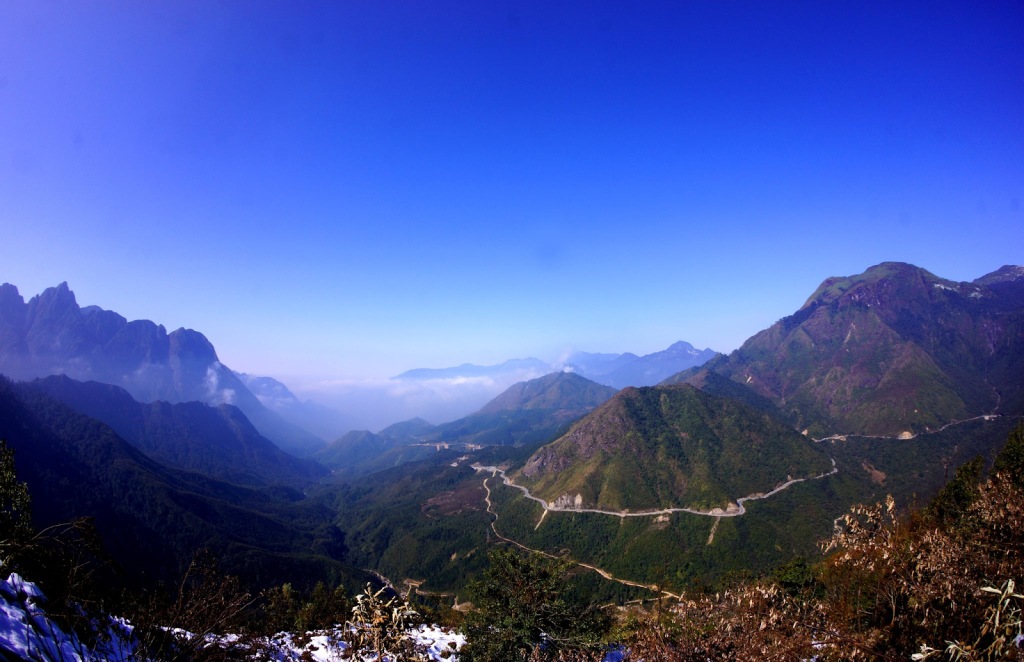
Image for illustrative purposes only. Source: Collected online.
O Quy Ho is also called the “Cloud Pass” because of its unpredictable weather. One moment, the sky opens wide with sunlight. The next moment, fog moves in and hides everything. This dynamic atmosphere is part of its charm.
Travelers often stop at roadside viewpoints to watch the clouds move. The shifting light creates a new landscape every few minutes, making the pass ideal for photography.
Weather patterns commonly seen:
- Sudden fog appearing and fading
- Strong, cool winds across the ridge
- Quick changes from bright sun to soft mist
- Clear golden light near sunset
These changes keep the journey exciting and unforgettable.
First Impressions from the Ridge
Most visitors feel the impact immediately when they reach the highest point of the pass. The air is cold and crisp. Clouds hover close to the road. The slopes fall steeply into deep green valleys below. The sound of wind fills the space, and the horizon seems endless.
What travelers notice first:
- Wide mountain views on both sides
- The cool temperature at high altitude
- The dramatic curve of the road
- A sense of freedom and height
Reaching O Quy Ho feels like stepping onto the roof of northern Vietnam.
2. History and Legends Behind O Quy Ho Pass
O Quy Ho Pass is not only a scenic mountain route but also a place deeply rooted in folklore and regional history. This section explores the stories, legends, and cultural significance tied to the pass, helping travelers understand why it holds such a powerful place in local memory.
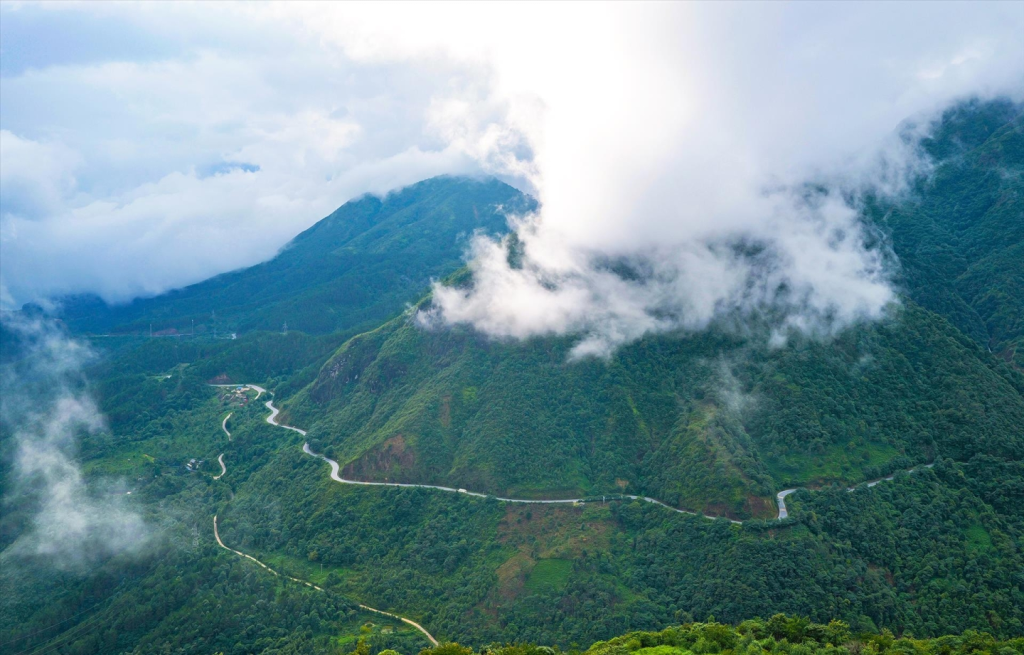
Image for illustrative purposes only. Source: Collected online.
Origins of the Name “O Quy Ho”
The name “O Quy Ho” comes from a local legend involving a sad love story. According to the tale, a young man fell in love with a fairy who lived on the mountain. Their love was forbidden, and when they were separated, the young man cried out across the mountain range. His voice, carried by the wind, echoed in the cry of a native bird. Locals named the area after this haunting sound.
Though the story is mythical, it gives the pass a poetic and emotional character. Even today, some travelers say they can imagine the voice of the legend in the wind.
Cultural meaning behind the name:
- Represents longing and separation
- Reflects the emotional landscape of the mountains
- Adds a mystical quality to the route
- Shows how people connect nature with storytelling
The name itself makes the journey feel more magical.
A Strategic Route Through the Hoang Lien Son Range
Beyond legends, O Quy Ho Pass also has historical significance. For years, it served as a key route between Lai Chau and Sapa, allowing trade between highland communities. The road was once rough and dangerous, but it remained vital for local exchange.
Today, although the road has been improved, it still carries that sense of importance. Villagers travel across the pass to reach markets, transport goods, and stay connected with neighboring regions.
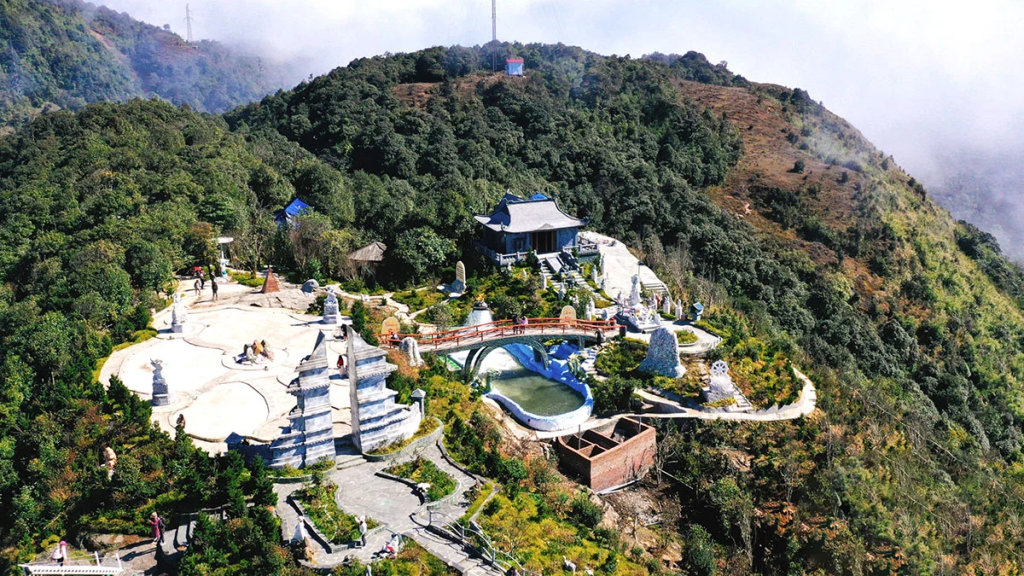
Image for illustrative purposes only. Source: Collected online.
Historical importance of the route:
- Linked highland communities for trade
- Allowed movement of goods across the mountains
- Served as a gateway between two provinces
- Shaped economic life in the region
The pass remains a bridge between cultures and landscapes.
Local Beliefs Tied to the Peaks and Forests
Many ethnic groups living around the Hoang Lien Son range view the mountains as sacred. They believe spirits inhabit the forests, waterfalls, and peaks. Travelers who pass through O Quy Ho often see small shrines or offerings placed near the roadside.
These customs reflect a deep respect for nature. The mountains are seen not just as scenery but as living forces that must be honored.
Common cultural practices in the area:
- Offerings left beside large stones or cliffs
- Small altars built near dangerous turns
- Prayers for safe travel through the fog
- Stories passed down about mountain spirits
These beliefs add depth to the experience. The pass becomes not only a physical journey but also a cultural one.
2. History and Legends Behind O Quy Ho Pass
O Quy Ho Pass is not only a scenic mountain route but also a place deeply rooted in folklore and regional history. This section explores the stories, legends, and cultural significance tied to the pass, helping travelers understand why it holds such a powerful place in local memory.
Origins of the Name “O Quy Ho”
The name “O Quy Ho” comes from a local legend involving a sad love story. According to the tale, a young man fell in love with a fairy who lived on the mountain. Their love was forbidden, and when they were separated, the young man cried out across the mountain range. His voice, carried by the wind, echoed in the cry of a native bird. Locals named the area after this haunting sound.
Though the story is mythical, it gives the pass a poetic and emotional character. Even today, some travelers say they can imagine the voice of the legend in the wind.
Cultural meaning behind the name:
- Represents longing and separation
- Reflects the emotional landscape of the mountains
- Adds a mystical quality to the route
- Shows how people connect nature with storytelling
The name itself makes the journey feel more magical.
A Strategic Route Through the Hoang Lien Son Range
Beyond legends, O Quy Ho Pass also has historical significance. For years, it served as a key route between Lai Chau and Sapa, allowing trade between highland communities. The road was once rough and dangerous, but it remained vital for local exchange.
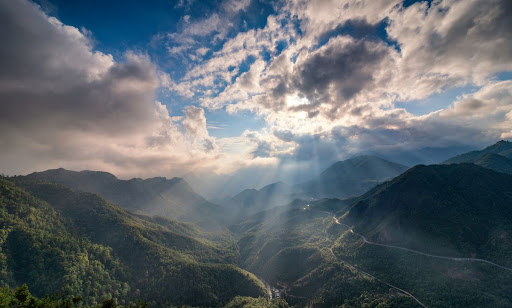
Image for illustrative purposes only. Source: Collected online.
Today, although the road has been improved, it still carries that sense of importance. Villagers travel across the pass to reach markets, transport goods, and stay connected with neighboring regions.
Historical importance of the route:
- Linked highland communities for trade
- Allowed movement of goods across the mountains
- Served as a gateway between two provinces
- Shaped economic life in the region
The pass remains a bridge between cultures and landscapes.
Local Beliefs Tied to the Peaks and Forests
Many ethnic groups living around the Hoang Lien Son range view the mountains as sacred. They believe spirits inhabit the forests, waterfalls, and peaks. Travelers who pass through O Quy Ho often see small shrines or offerings placed near the roadside.
These customs reflect a deep respect for nature. The mountains are seen not just as scenery but as living forces that must be honored.
Common cultural practices in the area:
- Offerings left beside large stones or cliffs
- Small altars built near dangerous turns
- Prayers for safe travel through the fog
- Stories passed down about mountain spirits
These beliefs add depth to the experience. The pass becomes not only a physical journey but also a cultural one.
3. Scenic Views and Natural Beauty Along O Quy Ho Pass
O Quy Ho Pass is famous for its breathtaking scenery, shifting weather, and dramatic mountain formations. This section highlights the key viewpoints, landscapes, and natural elements that make the journey unforgettable.
Panoramic Views of the Hoang Lien Son Mountains
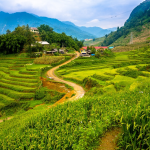
The pass stretches across the Hoang Lien Son range, offering open views of peaks, valleys, and green slopes. At several points along the road, travelers can look out over layers of mountains fading into the mist. The scenery changes with every turn, creating a sense of discovery.
The morning brings calm skies, while late afternoons often reveal a warm golden light. Many travelers stop at roadside viewpoints to take photos or simply enjoy the cool air.
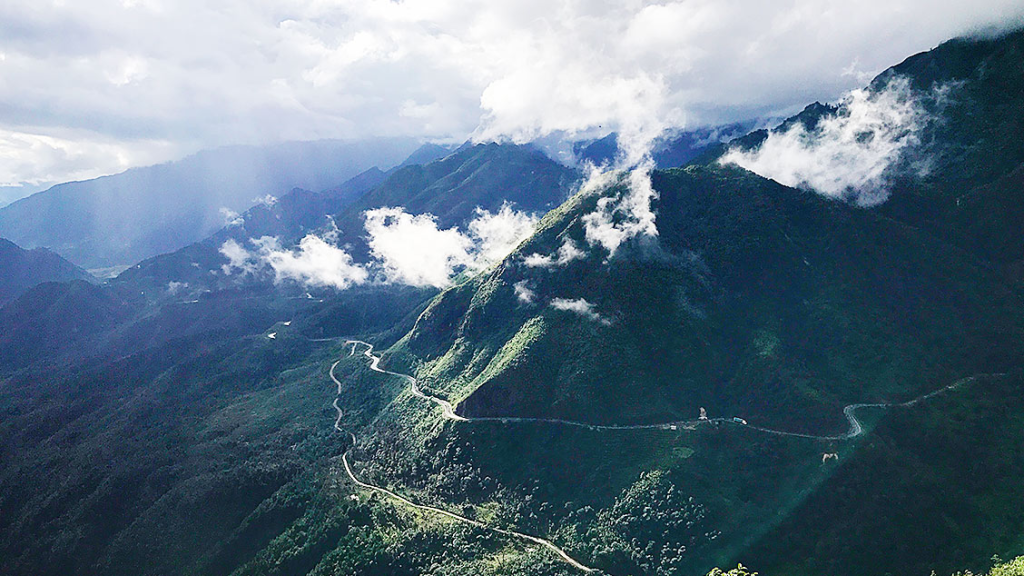
Image for illustrative purposes only. Source: Collected online.
Highlights of the mountain views:
- Wide views of terraced fields and steep cliffs
- Mist rolling over mountain layers
- Cool winds sweeping through the range
- Photo stops placed naturally along the route
These visuals make the pass one of the most iconic drives in northern Vietnam.
The Famous Cloud Sea at Heaven’s Gate
One of the most popular spots on O Quy Ho Pass is Heaven’s Gate. From this high point, travelers can witness the “cloud sea,” a phenomenon where thick clouds gather along the mountains, creating the look of waves gently rising against the cliffs.
The view feels surreal. Sometimes, you stand above the clouds, watching them move like a soft ocean. On clear days, you can see the deep valleys below and the sharp ridges that outline the landscape.
What makes Heaven’s Gate special:
- Clouds forming a natural “ocean” effect
- Strong winds and fresh highland air
- Ideal background for landscape photography
- A perfect sunrise or sunset watching point
This viewpoint often becomes the most memorable moment for many visitors.
Waterfalls, Forests, and Hidden Nature Spots
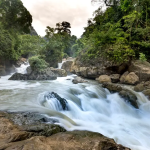
The pass is also home to thick forests, small waterfalls, and stretches of untouched nature. As you ride or drive through the area, you may hear the sound of flowing water deep in the forest or see bright patches of wildflowers along the road.
These natural elements give the journey a peaceful rhythm. Each part of the road feels different, yet everything blends into a harmonious whole.
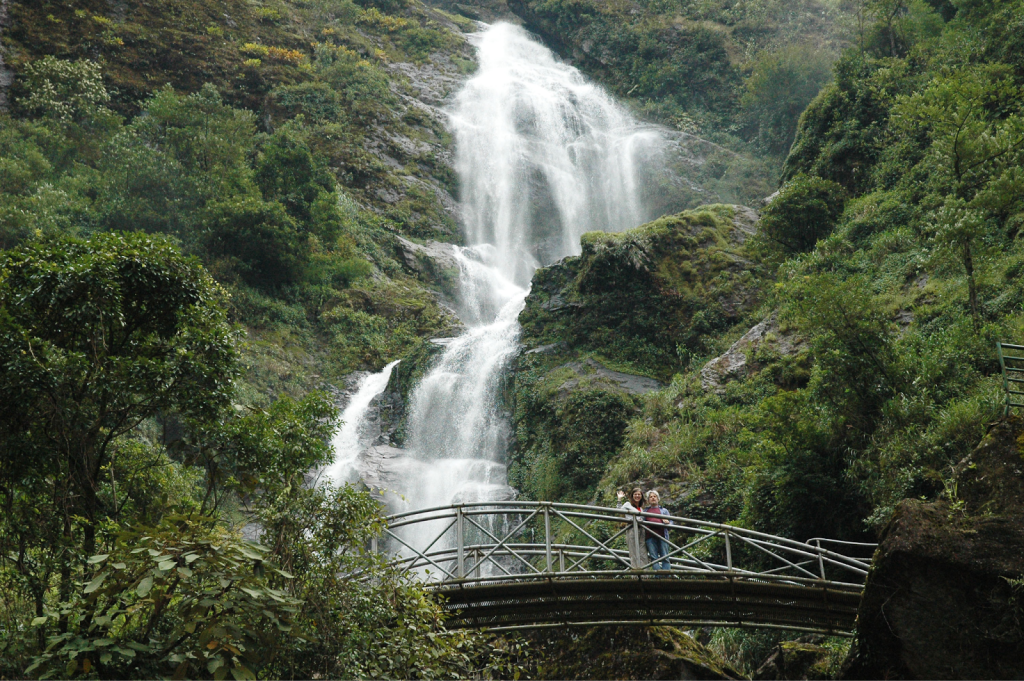
Image for illustrative purposes only. Source: Collected online.
Notable natural features along the pass:
- Dense forests surrounding the mountain slopes
- Hidden streams running below the cliffs
- Seasonal flowers blooming in bright colors
- Wildlife sounds emerging from deep forests
Together, these sights and sounds create a tranquil yet powerful landscape. They show the raw beauty of the highlands and make the journey along O Quy Ho Pass feel alive with nature.
4. Best Time to Visit O Quy Ho Pass
O Quy Ho Pass changes its mood with each season, making timing an important part of the experience. This section explains the ideal months to visit, what weather to expect, and how to plan a safe journey through the mountains.
Dry Season: Clear Skies and Wide Mountain Views
The dry season, typically from October to April, is the most popular time to visit O Quy Ho Pass. During these months, the air stays cool, and visibility is high. This makes the mountain layers, forest slopes, and cloud formations easier to see.
Travelers often enjoy long stretches of sunlight and steady weather, which helps with driving or photography. Morning fog may appear, but it usually clears quickly, revealing bright and open landscapes.
Why the dry season is ideal:
- Clear mountain views from most viewpoints
- Comfortable temperatures for riding or trekking
- Stable weather with little rain
- Great light for sunrise and sunset photography
This season offers the safest and most predictable conditions for exploring the pass.
Cloud-Hunting Months: Late Autumn and Early Winter
From late September to November, O Quy Ho Pass becomes a favorite spot for cloud hunters. During these months, dramatic clouds gather along the mountains, creating the “sea of clouds” effect that the pass is famous for.
Travelers often head up to Heaven’s Gate early in the morning to watch the clouds shift below the cliffs. The cold air adds to the atmosphere, giving the area a mystical, dreamlike feel.
Best moments for cloud hunting:
- Early morning when clouds are thickest
- Days with light sunshine and cold temperatures
- Late afternoon when clouds rise along the slopes
- Clear nights with stars above the peaks
These weeks create the most magical scenery for visitors who love misty landscapes.
Rainy Season: What to Expect and How to Prepare
The rainy season runs from May to September. During this time, the pass becomes foggy, slippery, and harder to navigate. While the scenery can still be beautiful, travelers need extra caution because sudden showers and thick mist can reduce visibility.
Road conditions vary throughout the season, and some sections may become challenging for motorbikes. However, the forests look greener, and waterfalls flow strongly, giving the area a fresh and lively look.
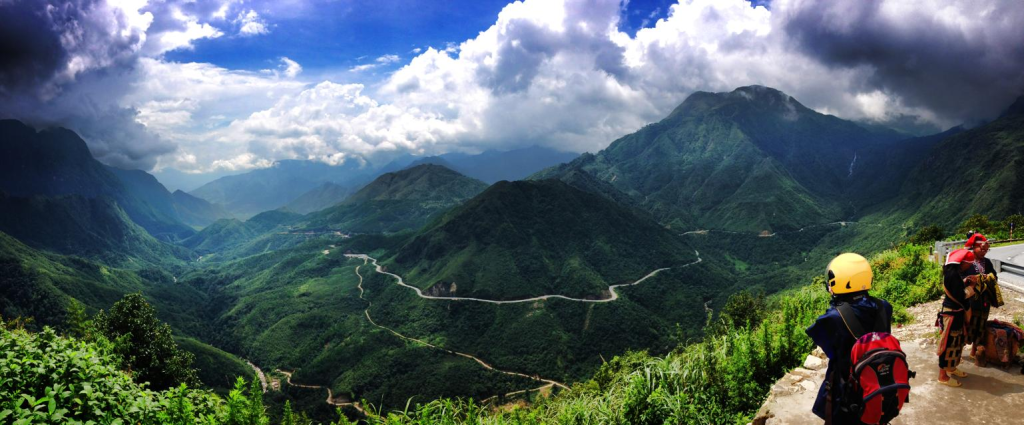
Image for illustrative purposes only. Source: Collected online.
Tips for rainy-season travel:
- Drive slowly and check weather updates
- Avoid traveling during heavy rain
- Wear waterproof clothing and shoes
- Choose daytime visits for better visibility
- Bring warm layers as temperatures drop quickly
With proper preparation, the rainy season can still offer a peaceful and atmospheric journey along O Quy Ho Pass.
Read for more information:
- Cat Cat Village: Step into the Cultural Soul of the Hmong People in Sapa
- Thach Bich Pagoda and Cave: Discover Ninh Binh’s Hidden Sacred Sanctuary
At Abite.asia, we specialize in curated Vietnam tours for international travelers, ensuring an authentic and hassle-free experience. Let us take care of your journey so you can fully embrace the beauty of Vietnam. Contact us today at +84363770835 to start planning your adventure!


Leave a Reply