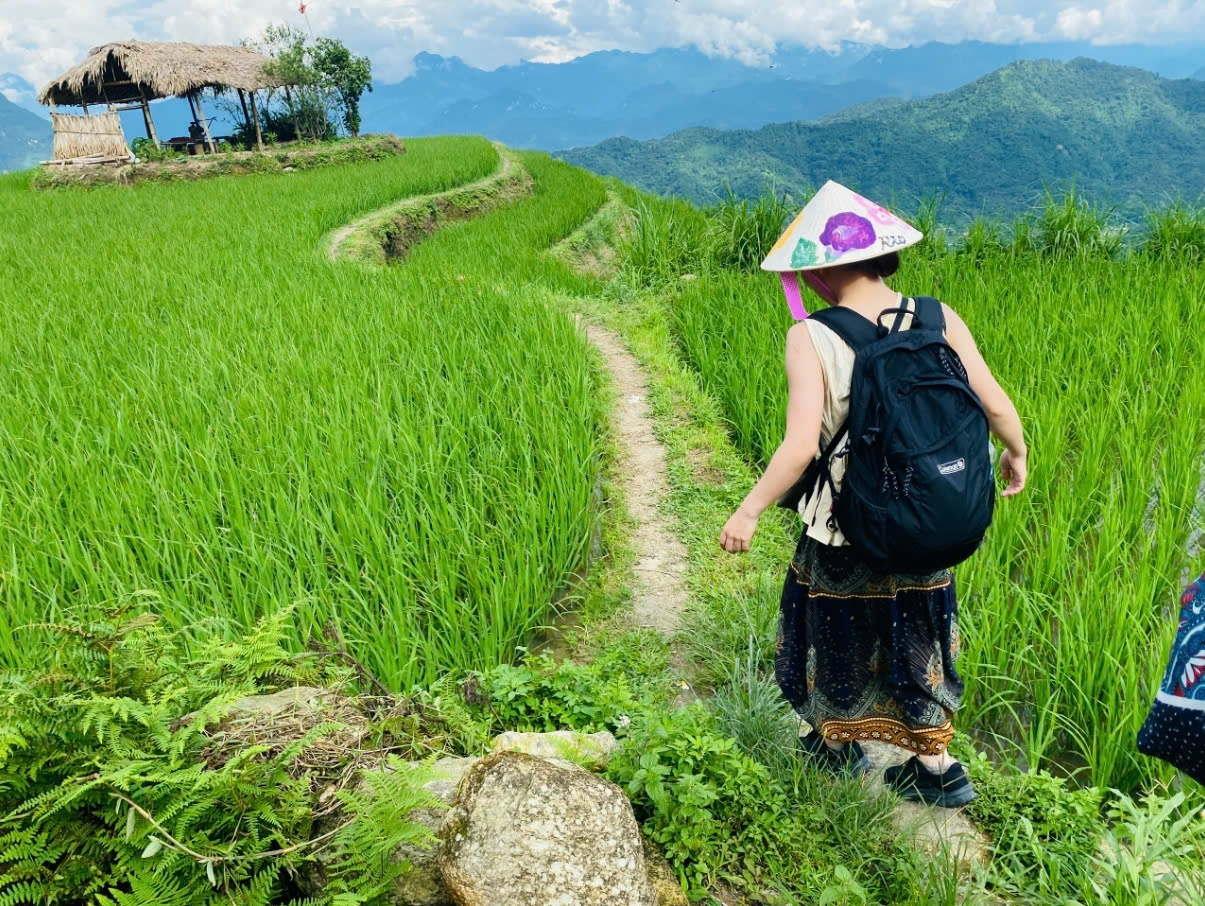
A Sapa trekking tour offers one of the most immersive travel experiences in northern Vietnam. Located in the mountainous region near the Chinese border, Sapa is famous for its terraced rice fields, misty valleys, and diverse ethnic communities. Unlike typical sightseeing trips, trekking allows visitors to explore the landscape on foot while connecting with local culture in a meaningful way.
The natural scenery of Sapa changes throughout the year. In the growing season, rice terraces appear in vibrant shades of green, while harvest time brings golden fields stretching across the hills. These landscapes, shaped by generations of farmers, create one of the most iconic views in Vietnam. A Sapa trekking tour provides the opportunity to walk through these terraces, follow mountain paths, and experience the beauty up close.
Beyond the scenery, Sapa is home to several ethnic minority groups such as the Hmong, Dao, and Tay people. Each community maintains its own traditions, clothing, and way of life. During a trekking tour, visitors often pass through villages where daily activities continue much as they have for generations.
For travelers seeking both adventure and cultural discovery, a Sapa trekking tour offers a unique combination of nature, tradition, and local connection in one unforgettable journey.
1. Why Choose a Sapa Trekking Tour
A Sapa trekking tour is one of the best ways to experience the natural beauty and cultural richness of northern Vietnam. While Sapa town itself offers viewpoints and easy access to attractions, trekking allows travelers to go beyond the surface and explore the region in a more immersive and meaningful way.
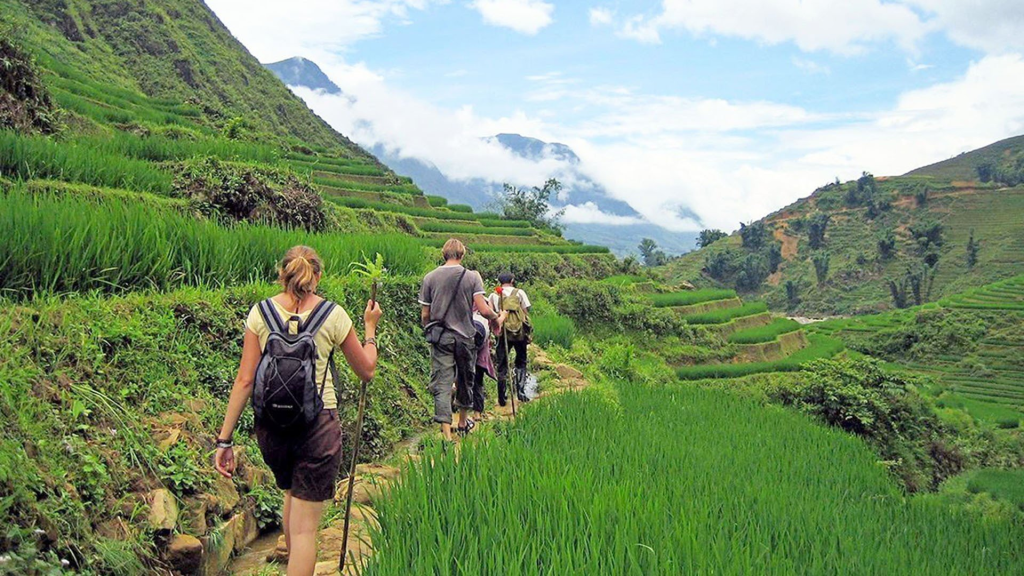
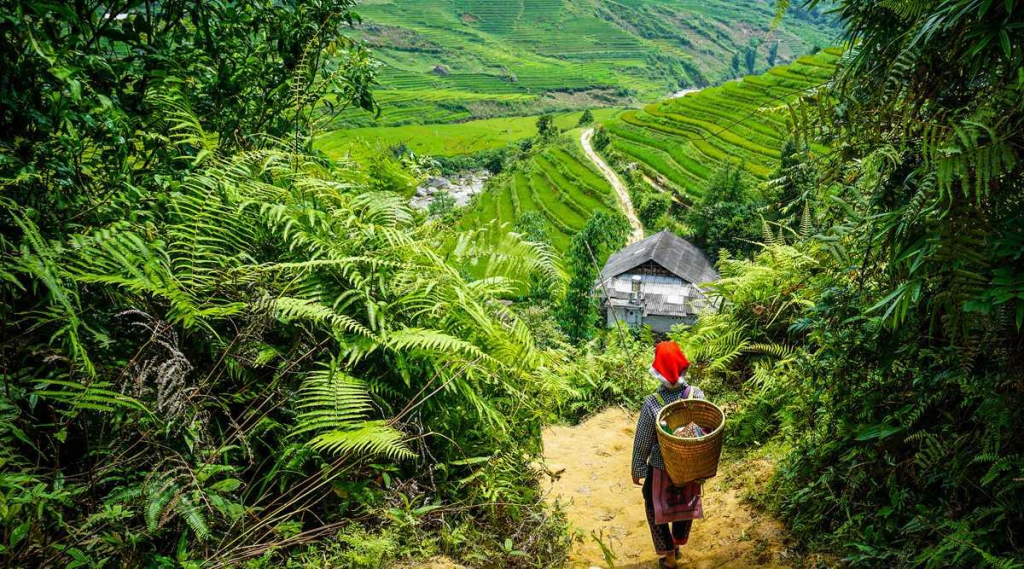
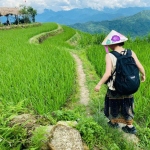
Explore stunning rice terraces on a Sapa trekking tour.
Instead of simply observing the landscape, visitors walk through it—following mountain paths, crossing rice terraces, and entering local villages. This deeper level of interaction makes trekking a unique and rewarding experience.
Explore Stunning Rice Terrace Landscapes
One of the main reasons travelers choose a Sapa trekking tour is the opportunity to see the famous rice terraces up close. These terraces are not only visually impressive but also reflect generations of agricultural knowledge.
Visitors can experience:
- Layered rice fields stretching across hillsides
- Changing seasonal colors from green to golden
- Scenic viewpoints overlooking valleys and mountains
- A landscape shaped by both nature and human effort
Walking through these areas offers a perspective that cannot be experienced from roads or viewpoints alone.
Experience Authentic Ethnic Culture
Sapa is home to several ethnic minority groups, each with its own traditions and way of life. A Sapa trekking tour often includes visits to villages where these communities live.
Travelers may observe:
- Traditional clothing with unique patterns and colors
- Local houses built using natural materials
- Daily activities such as farming and handicraft production
- Cultural practices passed down through generations
These encounters provide valuable insight into the diversity of Vietnam’s cultural heritage.
A More Immersive Travel Experience
Trekking encourages slow travel, allowing visitors to fully engage with their surroundings. Instead of rushing between locations, travelers can take time to observe details and enjoy the journey.
Benefits of this immersive experience include:
- A deeper connection with nature
- Opportunities for meaningful cultural interaction
- Time to appreciate the landscape without distractions
- A more personal and memorable travel experience
This approach makes a Sapa trekking tour ideal for those seeking authenticity.
A Balance of Adventure and Relaxation
Although trekking involves physical activity, it is not necessarily extreme. Many routes are designed for beginners and can be adjusted based on fitness levels.
Travelers can expect:
- Moderate walking distances with regular breaks
- Flexible routes depending on weather and preference
- A mix of active trekking and restful moments
- A rewarding sense of accomplishment at the end of the day
This balance makes the experience accessible while still offering a sense of adventure.
Overall, a Sapa trekking tour provides a unique way to explore one of Vietnam’s most beautiful regions. It combines scenic landscapes, cultural discovery, and active travel into a journey that is both enriching and unforgettable.
2. What to Expect on a Sapa Trekking Tour
A Sapa trekking tour offers a unique combination of physical activity, natural scenery, and cultural interaction. Unlike city tours or cruise experiences, trekking in Sapa involves walking through mountain paths, rice terraces, and local villages. The journey is immersive, allowing travelers to experience the landscape and local life at a slower and more meaningful pace. While itineraries may vary depending on duration and difficulty level, most trekking tours follow a similar structure that balances exploration and rest.
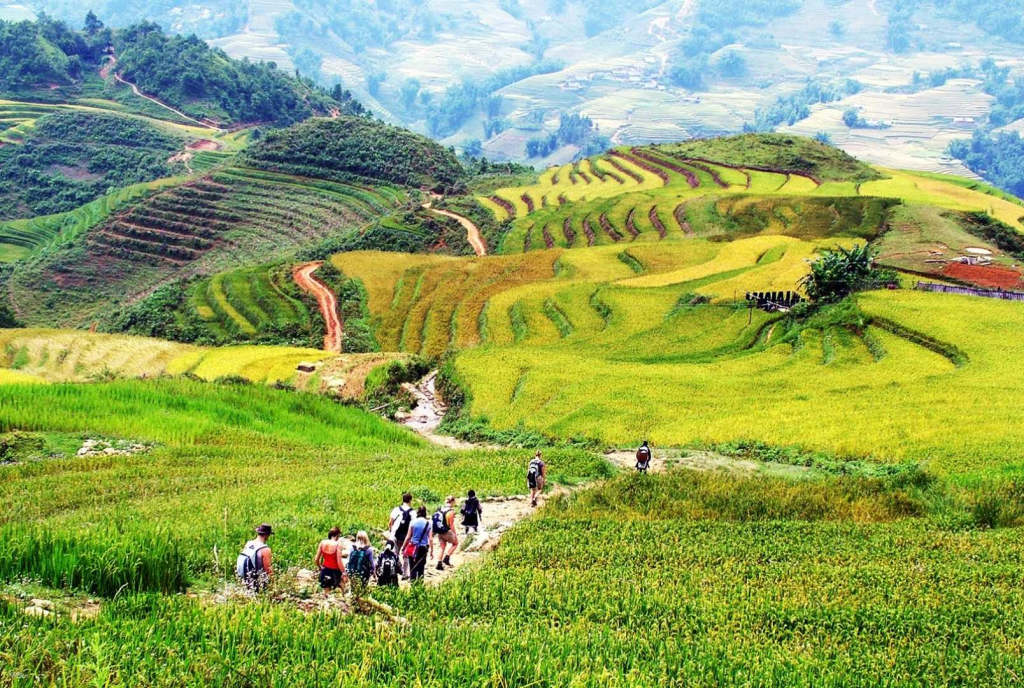
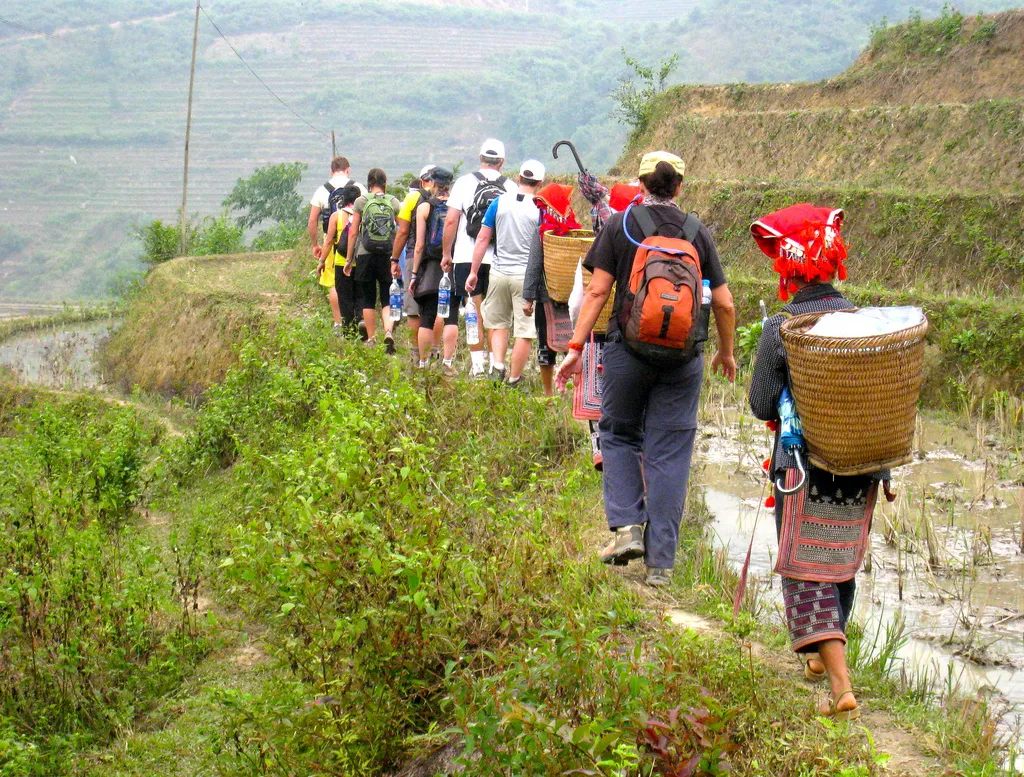
Trek through scenic mountain trails and rice fields.
Walking Through Rice Terraces and Mountain Trails
The highlight of any Sapa trekking tour is walking through the region’s famous rice terraces. These fields, carved into the mountains over generations, create a layered landscape that changes color with the seasons.
During the trek, visitors can expect:
- Narrow paths winding through terraced rice fields
- Scenic viewpoints overlooking valleys and mountains
- Dirt trails that may be muddy or uneven depending on the weather
- Opportunities to stop frequently for photos and rest
The walking pace is usually moderate, making it suitable for most travelers with basic fitness.
Visiting Ethnic Villages Along the Route
A key part of the trekking experience is visiting villages inhabited by ethnic minority groups. These communities offer insight into traditional lifestyles that remain closely connected to nature.
Travelers may encounter:
- Wooden houses built along hillsides or near rivers
- Local residents wearing traditional clothing
- Daily activities such as farming, weaving, or cooking
- Small village markets or handmade craft stalls
These visits allow for cultural exchange and a deeper understanding of life in Sapa.
Guided Tours and Local Insights
Most Sapa trekking tours are led by local guides, often from ethnic communities themselves. These guides play an important role in enhancing the experience.
They typically provide:
- Information about local culture and traditions
- Guidance on trekking routes and safety
- Stories about village life and history
- Assistance in communicating with local residents
Having a guide helps travelers navigate the terrain while gaining valuable insights.
Meals and Rest Stops During the Trek
Depending on the length of the tour, meals and rest breaks are included throughout the day. These moments provide time to relax and enjoy the surroundings.
Typical arrangements include:
- Lunch at a local house or small village restaurant
- Short breaks along the trail for water and rest
- Opportunities to try simple, home-style Vietnamese dishes
- Overnight stays in homestays for longer treks
These experiences add comfort to the physical activity of trekking.
A Balance of Challenge and Reward
While trekking in Sapa requires some effort, the rewards are significant. The combination of scenic beauty and cultural encounters makes the journey worthwhile.
Travelers often appreciate:
- The sense of accomplishment after completing a trail
- The peaceful environment away from urban areas
- The opportunity to disconnect and enjoy nature
- The authentic interactions with local communities
Overall, a Sapa trekking tour offers a rich and engaging experience that goes beyond traditional travel, combining adventure with cultural discovery in one of Vietnam’s most beautiful regions.
3. Types of Sapa Trekking Tours and How to Choose
A Sapa trekking tour comes in various formats, allowing travelers to choose an experience that matches their time, fitness level, and travel preferences. From short day hikes to multi-day adventures with overnight stays, each option offers a different way to explore the region’s landscapes and ethnic villages. Understanding these options helps visitors select the most suitable itinerary for their trip.
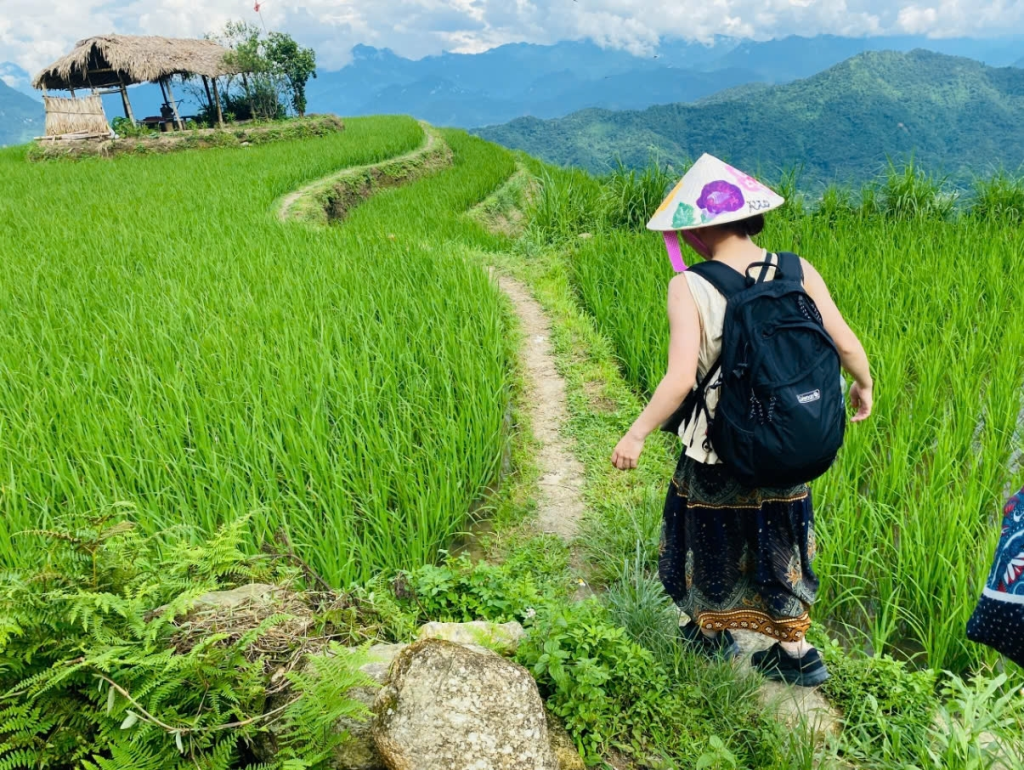
Day treks are perfect for beginners and short visits.
Short Day Treks for Beginners
Day treks are ideal for travelers who want to experience Sapa’s scenery without committing to a long or physically demanding journey. These routes usually last between 3 to 6 hours and cover nearby villages.
Typical features of day treks include:
- Easy to moderate walking trails
- Visits to one or two ethnic villages
- Scenic views of rice terraces and valleys
- Return to Sapa town by the end of the day
This option is perfect for beginners or those with limited time.
Overnight Treks with Homestay Experience
For a more immersive experience, many travelers choose overnight trekking tours. A 2 days 1 night Sapa trekking tour allows visitors to go deeper into the countryside and stay in a local village.
Stay with local families for a deeper cultural experience.
Highlights of overnight treks include:
- Longer walking routes through multiple villages
- Staying in a traditional homestay with a local family
- Sharing meals and experiencing daily life in the village
- Enjoying quiet evenings away from tourist areas
This type of tour offers both cultural interaction and scenic exploration.
Extended Treks for Deeper Exploration
For those seeking a more adventurous journey, extended treks lasting 3 days 2 nights or longer provide a deeper look into remote areas of Sapa.
Benefits of extended treks include:
- Access to less-visited villages and landscapes
- More time to explore nature and local culture
- A slower pace with fewer time constraints
- Greater physical challenge and sense of achievement
These tours are ideal for experienced hikers or travelers who want a more in-depth experience.
Guided vs. Independent Trekking
Another important decision when planning a Sapa trekking tour is whether to go with a guide or explore independently.
- Guided tours offer local knowledge, easier navigation, and cultural insights
- Independent trekking provides more flexibility but requires preparation and navigation skills
For most travelers, guided tours are recommended, especially for first-time visitors.
Choosing the Right Trek for Your Travel Style
When selecting a trekking tour, travelers should consider:
- Available time in their itinerary
- Personal fitness level and comfort with walking
- Interest in cultural experiences such as homestays
- Preference for structured tours or flexible exploration
By evaluating these factors, visitors can choose a Sapa trekking tour that best fits their needs.
Ultimately, the right choice ensures a rewarding experience, whether it is a short scenic walk or a multi-day journey through one of Vietnam’s most beautiful regions.
4. Tips for Planning a Sapa Trekking Tour
A Sapa trekking tour can be one of the most rewarding experiences in Vietnam, but proper preparation is essential to ensure comfort and safety. Since trekking involves walking through mountainous terrain and rural villages, understanding what to expect helps travelers fully enjoy the journey.
This section provides practical tips to help visitors plan and prepare for their trekking adventure.
Choose the Best Time to Visit Sapa
Weather plays an important role in shaping the trekking experience. Sapa’s climate changes throughout the year, affecting both scenery and trail conditions.
Recommended seasons include:
- March to May (spring): mild weather and green landscapes
- September to November (autumn): golden rice fields and clear skies
Other seasonal considerations:
- Summer may bring rain and muddy trails
- Winter can be cold and foggy, limiting visibility
Choosing the right season enhances both comfort and scenery during a Sapa trekking tour.
Wear Proper Clothing and Footwear
Comfortable clothing and appropriate gear are essential for trekking. The terrain can be uneven, and weather conditions may change quickly.
Important items include:
- Sturdy walking shoes with good grip
- Lightweight and breathable clothing
- A rain jacket or poncho during wet seasons
- A small backpack for essentials
Proper gear helps prevent discomfort and reduces the risk of slipping on trails.
Prepare for Physical Activity
Although many trekking routes are suitable for beginners, they still require a basic level of fitness. Walking for several hours on uneven terrain can be tiring.
Travelers should:
- Be prepared for uphill and downhill sections
- Take regular breaks to rest and hydrate
- Walk at a comfortable pace
- Listen to guidance from local guides
Maintaining a steady pace makes the Sapa trekking tour more enjoyable.
Respect Local Culture and Communities
Trekking routes often pass through villages where ethnic communities live. Showing respect for local customs is important when visiting these areas.
Proper gear ensures a comfortable trekking experience.
Visitors should remember to:
- Ask permission before taking photos of people
- Dress modestly when entering villages
- Support local communities by purchasing handmade products
- Avoid giving money or items directly to children
These practices help maintain positive relationships between visitors and locals.
Pack Light but Essential Items
Carrying too much weight can make trekking more difficult. Packing light while bringing necessary items ensures a more comfortable experience.
Recommended essentials include:
- Water and small snacks
- Sunscreen and insect repellent
- A hat for sun protection
- Personal documents and cash
Keeping luggage minimal allows for easier movement along the trails.
Embrace the Slow Travel Experience
A Sapa trekking tour is not just about reaching a destination. It is about enjoying the journey through nature and culture. Taking time to observe the landscape and interact with local people adds depth to the experience.
Travelers often find joy in:
- Walking through quiet rice fields
- Listening to natural sounds of the mountains
- Engaging with local communities
- Appreciating simple moments along the trail
By preparing well and embracing the experience, visitors can turn their Sapa trekking tour into a meaningful and unforgettable adventure.
Read for more information:
- https://abite.asia/ha-long-bay-day-trip-from-hanoi-a-complete-travel-guide-and-itinerary/
- https://abite.asia/ha-long-bay-cruise-tour-discover-vietnams-most-stunning-natural-wonder/
- https://abite.asia/bai-tu-long-bay-tour-a-quiet-and-authentic-alternative-to-ha-long-bay/
At Abite.asia, we specialize in curated Vietnam tours for international travelers, ensuring an authentic and hassle-free experience. Let us take care of your journey so you can fully embrace the beauty of Vietnam. Contact us today at +84363770835 to start planning your adventure!


Leave a Reply