Just beyond the busy streets of Hanoi lies a different world where time seems to move more slowly. In these rural communities, artisans continue to practice traditional skills passed down through generations. Exploring Traditional craft villages near Hanoi allows travelers to step away from the city’s noise and discover the cultural roots of Vietnamese craftsmanship.
For centuries, craft villages have played an important role in Vietnam’s economic and cultural life. Each village often specializes in a particular craft such as pottery, silk weaving, incense making, or traditional wood carving. These crafts are not only sources of income but also symbols of local identity and heritage.
Today, many of these villages welcome visitors who want to learn about the creative processes behind handmade products. Walking through narrow village streets, travelers can observe artisans shaping clay, weaving delicate fabrics, or carefully painting decorative items. The experience provides a deeper understanding of how Vietnamese culture values patience, skill, and artistry.
A journey through Traditional craft villages near Hanoi reveals more than just beautiful products. It offers a meaningful connection to the traditions, families, and communities that have preserved these crafts for centuries.
1. The Cultural Significance of Craft Villages in Northern Vietnam
Craft villages around Hanoi reflect a long tradition of handmade production that dates back hundreds of years. These communities developed specialized skills that allowed them to create unique products for both local use and trade. As a result, many villages became famous throughout the region for their craftsmanship.
Understanding the background of Traditional craft villages near Hanoi helps visitors appreciate why these communities remain important cultural landmarks today.
A History of Specialized Village Crafts
In traditional Vietnamese society, villages often focused on a single craft that defined their identity. Families taught these skills to younger generations, ensuring that the techniques survived through time.
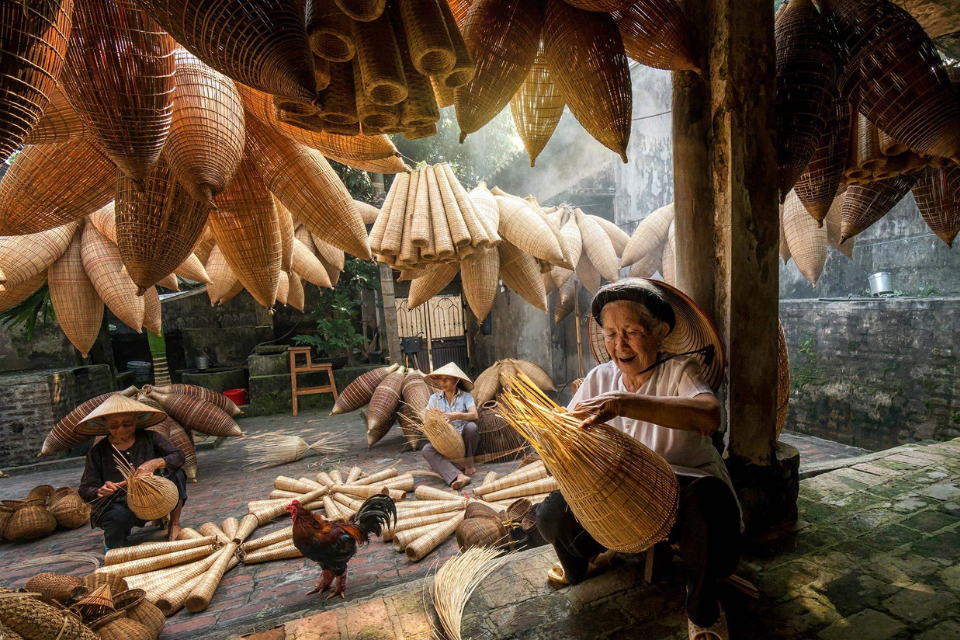
Traditional handmade crafts in villages near Hanoi
Common traditional crafts include:
- Pottery and ceramic production
- Silk weaving and textile making
- Wood carving and lacquer art
- Incense and paper craft production
Because each village specialized in a different craft, traders and merchants traveled between communities to exchange goods.
Family Traditions Passed Through Generations
One of the most fascinating aspects of these villages is how skills are passed from parents to children. Many artisans begin learning their craft at a young age by helping family members in workshops.
Typical features of family-based craft production include:
- Small home workshops connected to family houses
- Traditional tools used alongside modern equipment
- Generations working together to complete products
- Knowledge shared through direct practice rather than formal schools
These traditions help preserve the authenticity of Traditional craft villages near Hanoi.
Craft Villages as Cultural Heritage Sites
Today, craft villages represent an important part of Vietnam’s cultural heritage. While some artisans have adapted their methods to modern markets, many still maintain traditional production techniques.
Visitors who explore these villages can observe:
- Handmade products created using centuries-old methods
- Local markets selling craft items directly from workshops
- Cultural festivals celebrating village traditions
- Opportunities to try simple craft activities themselves
Through these experiences, Traditional craft villages near Hanoi become more than tourist destinations. They serve as living museums where culture, craftsmanship, and community continue to thrive.
2. Famous Craft Villages to Visit Near Hanoi
Exploring Traditional craft villages near Hanoi gives travelers a chance to see how Vietnamese artisans preserve centuries-old skills. Each village focuses on a specific craft and has developed a unique identity through its handmade products. While modern industry has changed many aspects of production, these villages still maintain traditional techniques that reflect Vietnam’s cultural heritage.
Many of these communities are located within one or two hours from Hanoi, making them perfect destinations for day trips. Visitors can walk through village streets, watch artisans working in small workshops, and learn about the processes behind each craft. These experiences reveal how creativity, patience, and skill remain central to village life.
Bat Trang Pottery Village
One of the most famous craft destinations is Bat Trang, a village known for its long tradition of ceramic production. Located along the Red River, Bat Trang has produced pottery for more than 700 years. The village gained its reputation through beautifully crafted bowls, vases, teapots, and decorative ceramics. When visiting Bat Trang, travelers can observe the pottery-making process step by step.

Bat Trang pottery village ceramic making near Hanoi
Typical activities in the village include:
- Watching artisans shape clay on traditional pottery wheels
- Seeing ceramic products drying under the sun before firing
- Visiting kilns where pottery is baked at high temperatures
- Painting decorative patterns onto finished pieces
Many workshops also allow visitors to try making their own ceramic items. This interactive experience makes Bat Trang one of the most engaging Traditional craft villages near Hanoi.
Van Phuc Silk Village
Another well-known destination is Van Phuc Silk Village, located just outside Hanoi in Ha Dong district. This village has specialized in silk weaving for centuries and is famous for producing high-quality Vietnamese silk fabrics.

Van Phuc silk weaving village near Hanoi
The narrow streets of Van Phuc are filled with silk shops displaying colorful scarves, dresses, and traditional clothing. Visitors can explore weaving workshops and see how silk threads are transformed into delicate fabrics.
Highlights of visiting the village include:
- Observing traditional wooden looms used for silk weaving
- Learning about the process of dyeing silk with natural colors
- Exploring small family-run silk shops
- Purchasing handmade silk products as souvenirs
Through these experiences, travelers gain a deeper appreciation for the craftsmanship behind Vietnam’s silk tradition.
Quang Phu Cau Incense Village
One of the most visually striking Traditional craft villages near Hanoi is Quang Phu Cau, known for producing incense sticks used in temples and homes across Vietnam. The village has become especially famous for its vibrant red bundles of incense drying in open courtyards.

Quang Phu Cau incense village near Hanoi
Walking through Quang Phu Cau offers a unique glimpse into a traditional craft that still plays an important role in Vietnamese spiritual life.
Visitors often notice several interesting details:
- Workers dyeing bamboo sticks in bright colors
- Large circular patterns of incense drying in the sun
- Families working together to assemble incense bundles
- Photogenic scenes that attract photographers and travelers
The vivid colors and cultural significance of incense production make this village one of the most memorable stops when exploring Traditional craft villages near Hanoi.
Together, these villages highlight the diversity of Vietnamese craftsmanship. Each destination preserves unique techniques that reflect the creativity and heritage of local communities.
3. The Craft-Making Process: From Raw Materials to Handmade Art
One of the most fascinating aspects of visiting Traditional craft villages near Hanoi is witnessing how everyday materials transform into beautiful handmade products. Unlike large factories, village workshops often rely on traditional tools and manual techniques. These methods require patience, experience, and a deep understanding of the craft.
For visitors, observing the crafting process offers a meaningful glimpse into the dedication behind each product. Every step, from selecting raw materials to finishing the final piece, reflects the skill of artisans who have often spent decades perfecting their work.
Careful Selection of Raw Materials
The quality of handcrafted products begins with the materials used. Artisans in different villages carefully select materials based on the requirements of their craft. For example, pottery requires fine clay, while silk weaving depends on strong silk threads.
Common materials used in craft villages include:
- Natural clay for pottery and ceramics
- Silk threads produced from silkworm cocoons
- Bamboo and wood for carving or incense production
- Natural dyes and plant-based colors
These materials are often sourced locally, which helps maintain the authenticity of the craft.
Traditional Techniques and Skilled Craftsmanship
After gathering materials, artisans begin shaping and assembling their products using traditional techniques. Many of these methods have remained unchanged for centuries.

Traditional craftsmanship techniques in villages near Hanoi
Typical crafting techniques may include:
- Hand shaping clay on pottery wheels
- Weaving silk threads into fabric on wooden looms
- Carving wood into decorative sculptures
- Assembling incense sticks by hand
These processes require a high level of concentration and precision. Even small mistakes can affect the final product.
Because the work relies heavily on manual skill, each item becomes slightly unique. This individuality gives handmade crafts a special charm that mass-produced products often lack.
The Finishing Touches that Create Art
The final stage of the crafting process involves decoration and finishing. This step often determines the beauty and value of the product.
Artisans may add details such as:
- Hand-painted patterns on ceramic surfaces
- Intricate embroidery on silk fabrics
- Polishing and smoothing wooden sculptures
- Packaging incense bundles carefully for sale
These finishing touches transform simple objects into artistic creations.
By watching these processes, travelers gain a deeper appreciation for the dedication behind Traditional craft villages near Hanoi. The experience reveals how craftsmanship combines creativity, patience, and cultural knowledge to produce items that carry both beauty and tradition.
4. How to Experience Craft Villages Near Hanoi
Visiting Traditional craft villages near Hanoi offers travelers a cultural experience that goes far beyond shopping for souvenirs. These villages allow visitors to observe local life, learn traditional skills, and interact directly with artisans who continue to preserve Vietnam’s handcrafted heritage. With a little preparation, travelers can make the most of their journey while respecting the local community.
Exploring craft villages is best approached with curiosity and patience. Rather than rushing from shop to shop, visitors who spend time observing the creative process often gain a deeper appreciation for the artistry involved.

Traveler talking with artisan in craft village near Hanoi
Plan a Half-Day or Day Trip from Hanoi
Most craft villages are located within easy traveling distance from Hanoi. Because of this, they are ideal destinations for short cultural excursions outside the city.
Popular ways to reach the villages include:
- Motorbike or bicycle trips for adventurous travelers
- Private car tours arranged through travel agencies
- Local buses or taxis for independent exploration
- Guided cultural tours that combine several villages in one itinerary
Many travelers choose to visit two or three villages in a single day, allowing them to experience different crafts and traditions.
Interact with Local Artisans
One of the most meaningful parts of visiting craft villages is meeting the people who create these products. Many artisans are happy to explain their techniques and demonstrate how their crafts are made.
Visitors may have opportunities to:
- Watch artisans shaping pottery or weaving silk
- Ask questions about traditional tools and materials
- Learn about the history of a particular craft
- Participate in simple hands-on activities
These interactions create memorable cultural exchanges that make the visit more personal.
Support Local Communities Through Responsible Tourism
Purchasing handmade crafts directly from artisans helps support the local economy and encourages the continuation of traditional skills. However, respectful behavior is also important when visiting these communities.
Travelers should consider the following guidelines:
- Ask permission before photographing artisans at work
- Avoid interrupting production processes unnecessarily
- Pay fair prices for handmade products
- Respect the quiet atmosphere of village neighborhoods
Following these simple practices helps ensure that Traditional craft villages near Hanoi remain welcoming places for both visitors and local families.
A Meaningful Cultural Journey
Exploring these villages offers more than just a chance to buy handcrafted goods. The experience reveals how creativity, heritage, and community life come together in rural Vietnam. Each workshop and village street tells a story about tradition and craftsmanship that has survived for generations.
For travelers interested in culture, history, and artistry, visiting Traditional craft villages near Hanoi becomes a journey into the living heritage of Vietnam.
Read for more information:
- https://abite.asia/hanoi-vegetarian-food-tour-zen-flavors-in-the-heart-of-the-city/
- https://abite.asia/hanoi-street-food-for-spring-light-refreshing-local-flavors/
At Abite.asia, we specialize in curated Vietnam tours for international travelers, ensuring an authentic and hassle-free experience. Let us take care of your journey so you can fully embrace the beauty of Vietnam. Contact us today at +84363770835 to start planning your adventure!


Leave a Reply