
Yen Tu Mountain & Pagoda Complex is one of Vietnam’s most important spiritual destinations, known for its peaceful atmosphere, ancient temples, and stunning mountain scenery. This introduction gives an overview of the site, its location, and why it stands as a meaningful symbol of Vietnamese Buddhism.
1. Overview of Yen Tu Mountain & Pagoda Complex
Yen Tu Mountain & Pagoda Complex offers a blend of nature, spirituality, and history. Located in Quang Ninh Province, this sacred mountain attracts pilgrims, trekkers, and travelers who seek both physical challenge and spiritual peace. This section explains where the site is located, why it is considered holy, and what makes the first impression so special for visitors.

Image for illustrative purposes only. Source: Collected online.
Location and Surrounding Landscape
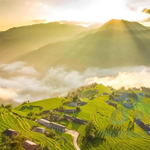
Yen Tu Mountain stands on the eastern side of Quang Ninh, about 120 kilometers from Hanoi. The area is surrounded by dense forests, quiet streams, and stone paths that lead to ancient temples. The mountain rises above the clouds on clear days, creating a peaceful and majestic view.
Key points about the location:
- Part of the Dong Trieu Mountain Range
- Dense bamboo forests along the trails
- Close to Uong Bi City for easy access
- Paths, temples, and viewpoints along the mountain route
The natural setting creates an atmosphere of calm. The journey to the top feels like a slow transition from everyday life into a place of reflection and silence.
A Center of Vietnamese Buddhism
Yen Tu Mountain became a spiritual landmark during the Trần Dynasty. King Tran Nhan Tong left the throne and came to Yen Tu to live as a monk. Later, he founded the Trúc Lâm Zen Sect, one of Vietnam’s most important Buddhist traditions. Today, pilgrims visit the mountain to follow his footsteps.
Why Yen Tu is significant:
- Birthplace of the Trúc Lâm Zen Sect
- Historic temples built during the Trần Dynasty
- Pilgrimage traditions that continue today
- A place for prayer, meditation, and reflection
This religious heritage gives the mountain a deep cultural meaning that still influences modern Vietnamese Buddhism.
First Impressions When Visiting
Travelers often describe their first moments on Yen Tu Mountain as peaceful and refreshing. The air is cool, the forest is quiet, and the stone steps guide visitors upward. Bells from nearby temples echo softly, mixing with the sound of wind in the trees. These elements help create a natural sense of calm.
What visitors notice first:
- Mist rising between the trees
- Traditional architecture on the temple roofs
- Monks walking quietly along the paths
- A mix of nature, serenity, and sacred energy
Together, these impressions make the beginning of the Yen Tu journey unforgettable. It is both a physical climb and a spiritual experience.
2. History and Spiritual Significance of Yen Tu Mountain
Yen Tu Mountain is more than a scenic destination; it is the birthplace of a major Buddhist tradition in Vietnam. This part explains how King Tran Nhan Tong shaped the mountain’s legacy, how the Trúc Lâm Zen Sect began, and why Yen Tu became a symbol of spiritual devotion.

Image for illustrative purposes only. Source: Collected online.
King Tran Nhan Tong and His Legacy
King Tran Nhan Tong is the most important figure in Yen Tu’s history. He ruled Vietnam during the late 13th century and led the country through major victories. After unifying the kingdom, he chose a simple life. He left the royal palace, traveled to Yen Tu, and became a monk. This decision marked the beginning of the mountain’s spiritual journey.
Key facts about his legacy:
- He abdicated the throne to pursue a life of mindfulness
- He lived and taught on Yen Tu for many years
- His teachings shaped Vietnamese Buddhism
- He inspired a tradition based on compassion and discipline
Visitors come to Yen Tu to follow his path. Many see the mountain as a quiet reminder of his wisdom and moral strength.
The Birth of the Trúc Lâm Zen Sect
The Trúc Lâm Zen Sect was founded here. It blended Buddhist philosophy with Vietnamese values. The teachings encouraged inner peace, self-awareness, and a simple lifestyle. Monks studied in small pagodas along the mountain path, creating a close connection between nature and spiritual practice.
Important elements of the sect:
- A focus on harmony between mind and nature
- Lessons on balance, patience, and clarity
- Meditation practices rooted in daily life
- An emphasis on ethical living
The sect continues today. Many temples across Vietnam honor its teachings.
Yen Tu as a Pilgrimage Destination
Yen Tu became a pilgrimage site soon after the sect was born. Pilgrims climbed the mountain each spring. They did this to honor King Tran Nhan Tong and to renew their faith. The tradition has lasted for centuries. Even now, thousands of people visit during festival season.
Why people make the pilgrimage:
- To reflect on personal growth
- To find calmness in nature
- To pray at historic pagodas
- To follow the footsteps of monks
The journey creates a sense of connection. Each step on the old stone paths feels like part of a story that continues to this day.

Image for illustrative purposes only. Source: Collected online.
3. Architectural Highlights of the Pagoda Complex
Yen Tu Mountain is home to a chain of ancient pagodas, temples, and towers that reflect centuries of Vietnamese spirituality. This part introduces the most important structures, explains their meaning, and shows how architecture blends with nature at every stop.
Hoa Yen Pagoda – The Heart of Yen Tu
Hoa Yen Pagoda sits halfway up the mountain. It is one of the oldest sites on the route. The pagoda sits on a flat terrace surrounded by pine trees. Many pilgrims stop here first to pray for peace and strength before continuing to the summit.
What makes Hoa Yen special:
- Its history dates back to the Ly and Tran dynasties
- It holds statues and relics linked to early Zen masters
- The view opens to rolling hills and quiet valleys
- It marks an important spiritual checkpoint on the trail
Hoa Yen Pagoda feels calm and open. The setting helps visitors slow down and breathe before climbing higher.
Van Tieu Pagoda – A Place for Quiet Reflection
Van Tieu Pagoda stands higher on the slope. The air becomes cooler. The path becomes steeper. This pagoda feels more secluded. It is a place where monks once practiced meditation away from the crowds.

Image for illustrative purposes only. Source: Collected online.
Highlights of Van Tieu:
- A location surrounded by forests and mist
- A simple design that fits the natural landscape
- A peaceful garden with stone paths
- A sense of stillness that encourages reflection
Visitors often stay here for a moment of silence. The atmosphere feels gentle and grounding.
Dong Pagoda – The Summit’s Sacred Symbol
Dong Pagoda stands at the very top of Yen Tu Mountain. It sits above the clouds on many days. The pagoda is made of bronze and has a compact form. The climb to reach it is long, but it is the most meaningful stop for many travelers.
Key features of Dong Pagoda:
- A full bronze structure built on solid stone
- A symbolic location at 1,068 meters above sea level
- Strong winds and wide sky views on clear days
- The final stop of the pilgrimage route
Reaching Dong Pagoda feels rewarding. Many visitors describe a sense of clarity and calm when they step onto the summit.
4. The Pilgrimage Journey: Routes and Scenic Highlights
The journey up Yen Tu Mountain is an essential part of the experience. This section explains the main routes to the summit, what travelers see along the way, and how nature shapes the feeling of the pilgrimage.
The Traditional Walking Trail
The walking trail is the classic way to reach the summit. It follows ancient stone steps. The path winds through forests, pagodas, and viewpoints. Many pilgrims choose this route because each step feels meaningful.
The climb is long but steady. The forest offers shade. The air is cool. The sound of birds and wind creates a peaceful atmosphere. Travelers often move in small groups, but the trail still feels calm.

Image for illustrative purposes only. Source: Collected online.
What you will find along the walking path:
- Old stone steps polished by centuries of footsteps
- Small shrines hidden between trees
- Rest stops with tea stalls and simple snacks
- Quiet corners for reflection or short breaks
The journey invites visitors to slow down. Many people feel a deeper connection with the mountain when they walk.
Cable Car Route for Easy Access
The cable car is the modern way to reach Yen Tu. It shortens the journey and allows travelers to enjoy the scenery from above. The ride glides over thick forests and valleys. It gives a wide view of mountains, clouds, and pagodas in the distance.
The cabins move smoothly. The air feels fresh at higher points. The ride is short but memorable. It is a good choice for families, seniors, or visitors who do not want to climb the full trail.
Reasons to choose the cable car:
- A quick way to reach the upper pagodas
- A unique aerial view of Yen Tu’s landscape
- A comfortable option for all ages
- A chance to see the mountain from a new angle
After the ride, visitors walk a shorter path to the summit.
Scenic Highlights Along the Way
Yen Tu is rich in natural beauty. Each level of the mountain reveals something new. The views change with the weather. Clouds may drift across the trail. Sunlight may fall between the trees. These small moments create the charm of the pilgrimage.
Several spots along the route are ideal for photos or rest. They offer calm views of valleys, cliffs, and forests.
Memorable scenic highlights:
- Pine forests that frame the trail with soft light
- Open viewpoints overlooking misty mountains
- Rocks engraved with Buddhist verses
- Small waterfalls during the rainy season
Every part of the climb offers something different. The journey feels gentle and spiritual, no matter which route you choose.
Read for more information:
- O Quy Ho Pass: Conquer Sapa’s Legendary Road Above the Clouds
- Cat Cat Village: Step into the Cultural Soul of the Hmong People in Sapa
At Abite.asia, we specialize in curated Vietnam tours for international travelers, ensuring an authentic and hassle-free experience. Let us take care of your journey so you can fully embrace the beauty of Vietnam. Contact us today at +84363770835 to start planning your adventure!


Leave a Reply