
The Hoa Binh Hydropower Plant & Da River Reservoir represent both Vietnam’s industrial strength and its deep connection with nature. Located in the mountainous province of Hoa Binh, this massive engineering feat harnesses the power of the Da River while creating a landscape of serene beauty. Visitors can explore the plant’s monumental architecture, walk along scenic viewpoints overlooking the vast reservoir, or take a peaceful boat cruise through emerald waters surrounded by limestone cliffs. The area is also home to ethnic Muong and Thai villages, offering rich cultural encounters and traditional cuisine. Whether you’re fascinated by technology, nature, or photography, this destination delivers all three. As sunlight reflects off the dam and boats glide through misty waves, the Hoa Binh Hydropower Plant & Da River Reservoir stand as a powerful reminder of how innovation and harmony with nature can coexist perfectly.
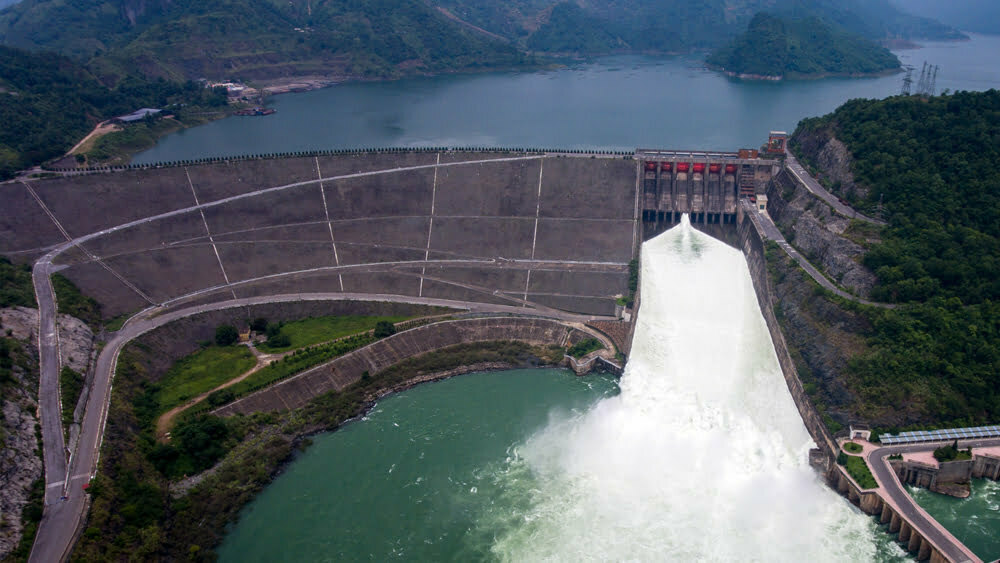
Image for illustrative purposes only. Source: Collected online.
1. Introduction to Hoa Binh Hydropower Plant & Da River Reservoir
The Hoa Binh Hydropower Plant & Da River Reservoir stand as two of Vietnam’s most significant achievements in engineering, energy development, and natural conservation. Together, they form a powerful landscape where modern innovation meets raw mountain beauty, offering travelers a rare look into both the country’s industrial progress and its serene riverside culture. This opening section introduces the location, historical meaning, and first impressions that visitors encounter when exploring this monumental destination.
A Landmark of National Development
Completed in the late 20th century, the Hoa Binh Hydropower Plant is one of Southeast Asia’s largest hydroelectric complexes. It played a crucial role in stabilizing Vietnam’s power supply during a period of rapid national growth, marking an important milestone in the country’s modernization.
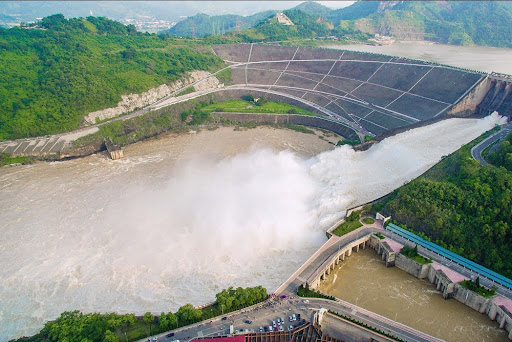
Image for illustrative purposes only. Source: Collected online.
The Da River Reservoir, formed by the plant’s massive dam system, stretches peacefully between towering mountains, creating a unique combination of engineering strength and natural beauty. Visitors often find it impressive that such a monumental structure blends so harmoniously with the quiet riverscape.
Key aspects of its national significance include:
- A major contributor to Vietnam’s electricity network.
- A symbol of scientific progress and international cooperation.
- A landmark representing resilience and strategic foresight.
Because of this legacy, many Vietnamese view the site with deep pride — a place where human innovation harnesses the power of nature responsibly.
Location That Connects Mountains, Rivers, and Culture
Located in Hoa Binh Province, just about two hours southwest of Hanoi, the complex sits at the gateway to Vietnam’s northwest highlands. The journey takes travelers along winding roads, traditional stilt houses, and misty hillsides — offering a preview of the region’s authentic rural charm.
Notable location characteristics:
- Overlooks the beautiful Da River (Sông Đà), famous in Vietnamese literature.
- Easily accessible through newly upgraded highways.
- Close to ethnic villages where Muong and Thai communities have lived for generations.
This combination of accessibility and scenic surroundings makes the destination ideal for travelers who want to escape city noise without venturing too far from Hanoi.
First Impressions Upon Arrival
The first glimpse of the hydropower plant is both commanding and awe-inspiring. Massive concrete walls rise against the backdrop of rolling green mountains, while the river below reflects shades of calm blue and jade. Visitors often pause before entering the complex, taking a moment to absorb the sheer scale of the structure.
As you step closer, the deep hum of the turbines and the steady flow of water create a vivid sensory experience. The site feels simultaneously industrial and tranquil — a rare balance that fascinates engineers, nature lovers, and casual tourists alike.
Most common first impressions include:
- A striking contrast between human engineering and natural scenery.
- A sense of respect for the scale and effort behind the project.
- The peaceful beauty of the Da River stretching into the mountains.
Together, these impressions make the Hoa Binh Hydropower Plant & Da River Reservoir not just a sightseeing stop, but a meaningful destination that tells a story of progress, harmony, and national pride.
2. History and Engineering Significance
The history behind the Hoa Binh Hydropower Plant & Da River Reservoir reflects decades of determination, scientific innovation, and national ambition. This section explores how the project began, the challenges engineers faced, and why the hydropower plant remains one of Vietnam’s greatest technological milestones. Understanding this timeline gives visitors a deeper appreciation for the monumental achievement that stands before them.
Origins of a National Project
The plan to build the hydropower plant emerged during a period when Vietnam aimed to strengthen its infrastructure and secure long-term energy stability. Construction officially began in 1979, supported by both Vietnamese engineers and international partners. The project was not just an engineering endeavor — it was a strategic national mission, intended to power economic development across the entire country.
Key motivations for the project included:
- Providing stable electricity to support industrialization.
- Regulating the Da River’s seasonal floods, which historically caused severe damage.
- Developing a long-term water management system for agriculture and daily life.
The project’s scale required an enormous workforce, with tens of thousands of engineers, soldiers, and volunteers contributing over many years. Their commitment laid the foundation for one of Vietnam’s most influential infrastructure achievements.
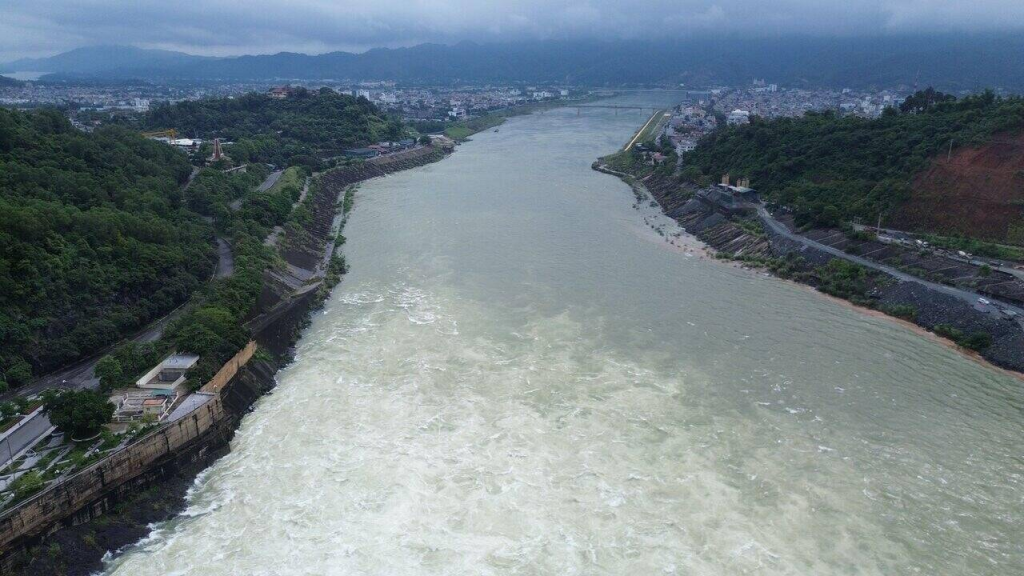
Image for illustrative purposes only. Source: Collected online.
Challenges Faced During Construction
Building the hydropower plant was far from easy. Engineers had to work in a remote mountainous region, facing harsh weather, dangerous terrain, and unpredictable water flow. Large quantities of rock and soil had to be excavated, and colossal dam walls needed to be built strong enough to withstand floods and seismic activity.
Major challenges encountered:
- Powerful river currents that complicated construction phases.
- Monsoon seasons that brought intense rain and risked site flooding.
- Geological instability requiring deep foundation reinforcement.
- Technological limitations compared with global engineering standards of the time.
Despite these obstacles, the teamwork between Vietnamese engineers and foreign specialists led to groundbreaking solutions. The completed structure stands as proof of their resilience and technical creativity.
Completion and National Impact
After more than a decade of extensive work, the Hoa Binh Hydropower Plant officially began operating in 1994. Its opening marked a transformation in Vietnam’s energy landscape. The Da River Reservoir, created by the dam, became a vast water source that provided benefits far beyond electricity.
Its long-lasting impact includes:
- Supplying a major percentage of Vietnam’s national electricity output for many years.
- Reducing flood risks downstream, protecting millions of residents.
- Enabling agricultural expansion in nearby regions.
- Creating a reservoir that later became a scenic tourism and ecological attraction.
Today, the hydropower plant is regarded not only as a technical success but also as a cultural and historical monument. For many Vietnamese, it symbolizes strength, unity, and the country’s ability to overcome immense challenges through collective effort.
3. The Beauty of Da River Reservoir and Surrounding Landscape
The Hoa Binh Hydropower Plant & Da River Reservoir may be known for its engineering triumph, but the natural scenery surrounding it is equally breathtaking. Towering mountains, emerald waters, and quiet forested hills come together to form one of northern Vietnam’s most peaceful landscapes. This section explores the reservoir’s visual charm, its cultural significance, and the layers of nature that unfold around it.
A Vast Reservoir Framed by Mountain Peaks
The Da River Reservoir stretches across a wide expanse of calm, shimmering water. What makes the view remarkable is the contrast between the vast, lake-like surface and the steep mountains rising from the water’s edge. Depending on the time of day, the reservoir takes on different colors — deep blue in the morning, soft jade at midday, and reflective gold in the late afternoon.
Visitors often pause along the roadside viewpoints simply to absorb the scenery. Unlike crowded tourist zones, this area still feels wild and untouched. The quiet hum of the wind, the gentle ripples on the water, and the shifting shadows of nearby peaks create a soothing sense of isolation.
Most striking visual elements include:
- Sweeping water surfaces stretching toward distant mountain silhouettes.
- Soft mist drifting across the hills in the early morning.
- Layers of greenery wrapping the mountains like natural armor.
- Hidden coves and small inlets perfect for photography.
These natural features turn the reservoir into a living painting — one shaped by the slow rhythm of nature rather than human design.
A Landscape Rich in Local Life
While the scenery feels remote, the surrounding region is home to several ethnic communities, including the Muong and Thai people. Their villages dot the hillsides, with stilt houses overlooking the water and terraced fields carved into lower slopes. The proximity of daily life to the reservoir adds cultural warmth to the natural setting.
Cultural highlights around the reservoir include:
- Children paddling small wooden boats near their homes.
- Farmers tending crops close to the water’s edge.
- Simple markets selling bamboo crafts, forest honey, and local snacks.
- Traditional stilt houses that reflect centuries of adaptation to the landscape.
For travelers, seeing this authentic rural life makes the experience richer. The reservoir is not just scenery; it’s a lifeline that supports entire communities through fishing, agriculture, and transportation.
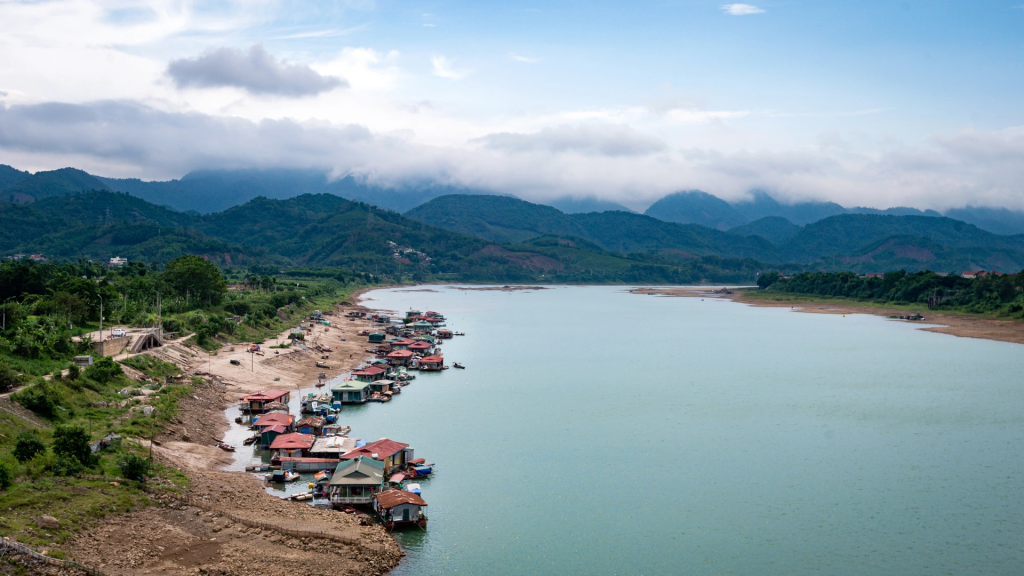
Image for illustrative purposes only. Source: Collected online.
A Haven for Quiet Exploration
The Hoa Binh Hydropower Plant & Da River Reservoir area is ideal for visitors who enjoy slow travel and nature-based activities. The calm water invites boat rides, the hills provide hiking opportunities, and roadside viewpoints allow endless photography possibilities.
Popular activities include:
- Boat trips to explore the reservoir’s hidden corners.
- Short treks to hill viewpoints overlooking the dam.
- Picnic spots along the road, perfect for quiet afternoon breaks.
- Sunset watching, when the sky turns warm shades of orange and purple.
Each activity encourages travelers to disconnect from busier parts of the city and reconnect with nature’s simplicity.
4. Exploring the Hydropower Plant: What Visitors Can See and Learn
Visiting the Hoa Binh Hydropower Plant & Da River Reservoir is not only about admiring the scenery — it is also an opportunity to understand how one of Vietnam’s most important energy projects operates. This section guides travelers through the on-site experiences, educational exhibits, and practical insights they can gain from touring the complex. Whether you’re a casual visitor, a student, or an engineering enthusiast, the plant offers a fascinating look into the science behind hydropower.
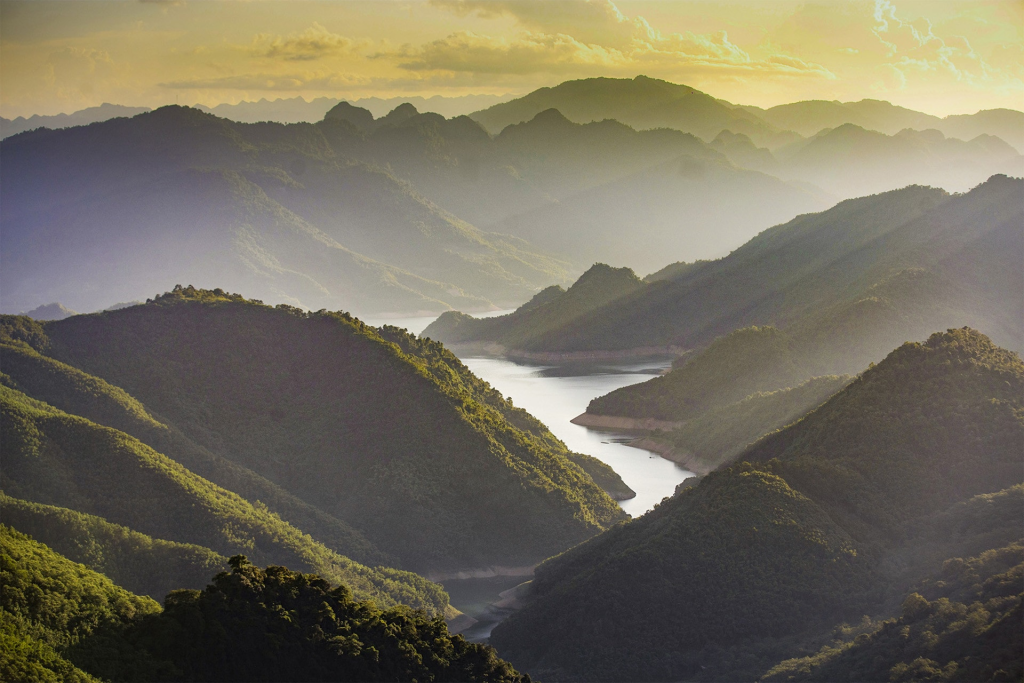
Image for illustrative purposes only. Source: Collected online.
Learning About the Dam’s Structure and Function
Upon arrival, visitors can explore several outdoor areas that explain how the dam system works. Large-scale diagrams, signage boards, and preserved construction equipment help illustrate the massive effort that went into building the complex. Even if you have no technical background, the information is presented in a simple, approachable way.
You’ll learn about:
- How water is stored and released to generate electricity.
- The turbine system, which converts kinetic energy into power.
- Flood control mechanisms that protect downstream regions.
- Environmental considerations, such as water flow regulation and ecological balance.
Standing next to the dam wall gives travelers a real sense of scale. The structure rises sharply against the mountains, and the thunderous sound of water rushing through the spillways highlights the immense power being managed every second.
Inside the Plant: A Glimpse Into Hydropower Technology
Depending on current regulations and visitor permissions, some tours offer a deeper look into the plant’s interior areas. Although access may be limited, the interior exhibits provide a memorable and educational experience.
Highlights inside the visitor-friendly areas include:
- The control room model, showing how operators monitor electricity output.
- Detailed panels explaining each step of the energy conversion process.
- Historic photographs documenting construction from the 1970s to the 1990s.
- Machinery displays, including turbine components and engineering tools.
These exhibits allow visitors to connect the natural beauty of the reservoir with the scientific ingenuity that harnesses its power.
Monuments and Memorials Around the Complex
Surrounding the hydropower plant are several memorial sites dedicated to workers, soldiers, and engineers who contributed to the project. These monuments honor the tremendous sacrifice and effort involved in creating the dam.
Memorial elements include:
- A workers’ monument commemorating those who lost their lives during construction.
- Statues and dedication plaques highlighting major milestones.
- A cultural space where visitors can reflect on the human stories behind the engineering achievement.
These memorials deepen the emotional impact of the visit. Beyond the scientific and architectural marvel, travelers gain a better understanding of the dedication and resilience that shaped the project.
A Meaningful Blend of Education and Exploration
Overall, exploring the plant complex provides a balanced experience — part technical learning, part historical reflection, and part visual appreciation. Visitors walk away not only with photos of the dam and the reservoir but also with a richer understanding of how Vietnam’s growth is tied to innovation and determination.
The Hoa Binh Hydropower Plant & Da River Reservoir is a reminder that modern infrastructure can coexist beautifully with nature, creating spaces that inspire curiosity, pride, and respect.
Read for more information:
- Am Tien Cave: Discover Ninh Binh’s Hidden ‘Fairyland’
- Muong Hoa Valley: Trek Through Sapa’s Stunning Rice Terraces
At Abite.asia, we specialize in curated Vietnam tours for international travelers, ensuring an authentic and hassle-free experience. Let us take care of your journey so you can fully embrace the beauty of Vietnam. Contact us today at +84363770835 to start planning your adventure!




Leave a Reply