This article explores the vibrant tapestry of daily life in Hanoi Old Quarter. Specifically, it offers a deep dive into the local customs that define Vietnam’s capital. Readers will discover the early morning rituals and the bustling energy of traditional commerce. Furthermore, we highlight the serene community connections found within hidden courtyards. By understanding these rhythms, travelers can appreciate the authentic heartbeat and enduring spirit of this ancient neighborhood.
Understanding the Daily Life in Hanoi Old Quarter
Experience the authentic essence of the capital by observing the daily life in Hanoi Old Quarter. In this area, centuries-old traditions blend seamlessly with modern urban energy. This section highlights how the local pace creates a unique atmosphere. Consequently, it captivates every visitor who wanders through the 36 Streets.
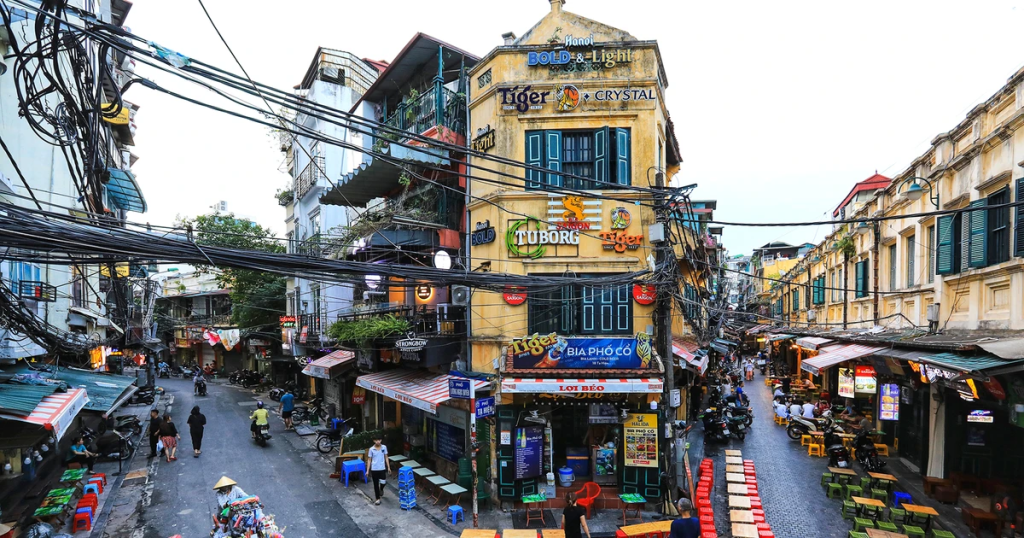
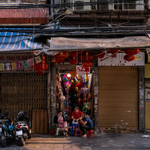
Stepping into the labyrinthine streets allows you to witness a remarkably consistent lifestyle. Indeed, the daily life in Hanoi Old Quarter begins long before the first motorbike honks. Elderly residents gather near the lake for exercise while vendors set up colorful displays. Moreover, the sidewalk serves as a communal living room for everyone. People eat, work, and socialize in plain view of the world. This openness offers a rare window into the Vietnamese soul. This soul is characterized by resilience and hospitality. Every corner reveals a new scene, from a barber to a family sharing Phở. Therefore, to truly know Hanoi, one must slow down and participate in these small moments. These repetitive actions form the backbone of the city’s identity.
Morning Rituals and the Early Market Buzz
Morning is a critical time to witness the daily life in Hanoi Old Quarter. It showcases the industry and vitality of the local people. This section details the transition from quiet dawn to high-energy trading hours. These hours define the start of every day in this historic area.

- Exercise at Dawn: First, locals flock to Hoan Kiem Lake at 5:00 AM for Tai Chi.
- Fresh Produce Markets: Meanwhile, street vendors navigate narrow alleys with bamboo poles.
- Breakfast Culture: Additionally, the air fills with the aroma of woodsmoke and hot broth.
As the sun rises, the daily life in Hanoi Old Quarter shifts into high gear. Shop owners roll up metal shutters to reveal specialized goods. For instance, they sell silk, silver, and traditional herbs. However, this period is not just about commerce. It is also a vital social hour for neighbors to exchange news. As a result, you can see how the city breathes and expands. This morning rush reflects a deep-seated work ethic. In addition, it shows a commitment to maintaining market culture. Observing these interactions provides a profound understanding of Hanoian grace.
Afternoon Transitions and Community Connections
The afternoon brings a change in tempo for the daily life in Hanoi Old Quarter. It shifts from hectic commerce to a relaxed atmosphere. This heading examines how residents utilize shared spaces for rest and social cohesion during the warmer hours.
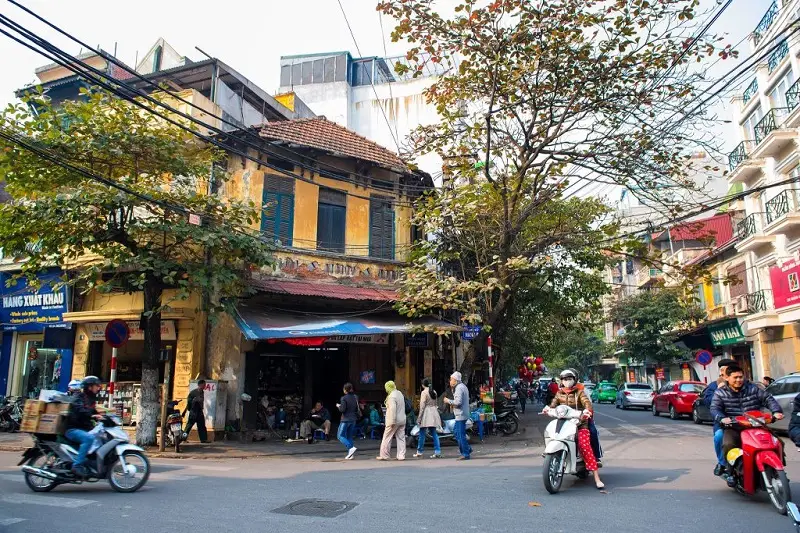
While the midday heat slows movement, the daily life in Hanoi Old Quarter remains active inside. You might spot craftsmen meticulously working on lacquerware or silk garments. These artisans maintain the specialized trades of their ancestors. During this time, residents often take short naps or play Chinese chess. This demonstrates an admirable ability to find peace amidst urban density. Consequently, the afternoon serves as a bridge between productivity and evening festivities. These moments of stillness are just as important as the noise. They reveal the patience required to live in a crowded environment. By watching these gentle interactions, visitors see the invisible threads of loyalty. These bonds keep this ancient community together.
Evening Energy and the Nightly Transformation
When evening falls, the daily life in Hanoi Old Quarter transforms into a dazzling display. This final section describes the shift toward leisure and entertainment. The neighborhood prepares for the night, attracting locals to its vibrant social scene.
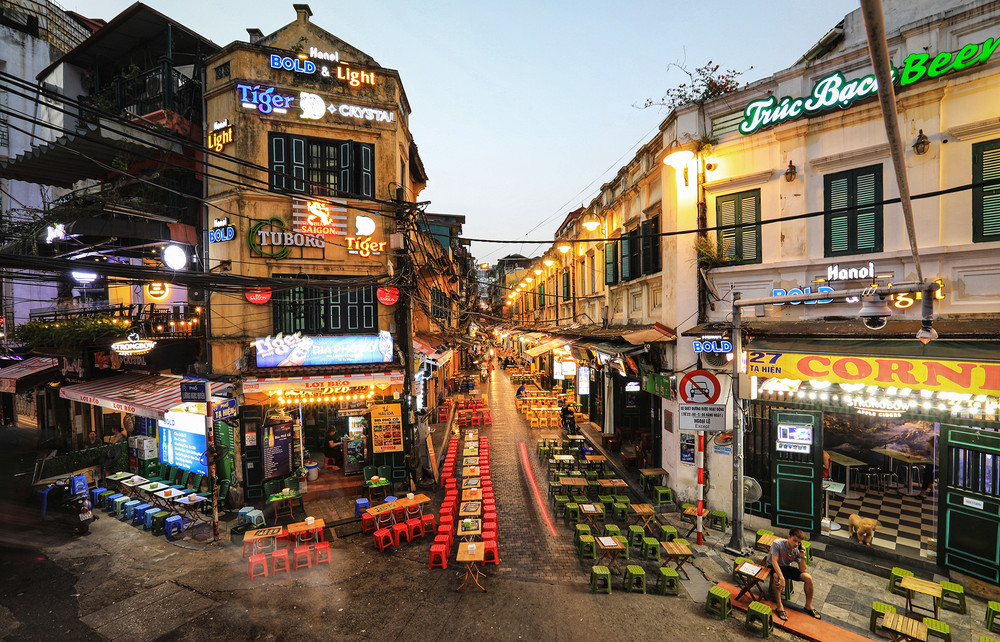
- Street Food Feasts: For example, Ta Hien Street becomes a hub for “Bia Hoi” culture.
- Night Markets: Similarly, weekend markets offer festive shopping under bright lanterns.
- Cultural Performances: Finally, traditional music provides a rhythmic end to the day.
The night air brings renewed excitement to the daily life in Hanoi Old Quarter. Narrow streets fill with the sounds of laughter and clinking glasses. Families take strolls to enjoy cooler temperatures, while youth meet at trendy cafes. Despite the tourism, the core identity remains intact. You can still see grandmothers watching the crowds from balconies. This blend of old-world charm and youthful energy ensures the spirit never sleeps. Ultimately, experiencing this rhythm offers a lesson in living with history. Whether it is the first noodles or the last beer, every moment contributes to the legacy.
Read for more information:
- https://abite.asia/hanoi-cooking-class-discover-vietnamese-recipes-with-local-market-visit/
- https://abite.asia/hanoi-old-quarter-lifestyle-a-deep-dive-into-local-soul/
- https://abite.asia/hanoi-cooking-class-discover-vietnamese-recipes-with-local-market-visit/
At Abite.asia, we specialize in curated Vietnam tours for international travelers, ensuring an authentic and hassle-free experience. Let us take care of your journey so you can fully embrace the beauty of Vietnam. Contact us today at +84363770835 to start planning your adventure!



Leave a Reply