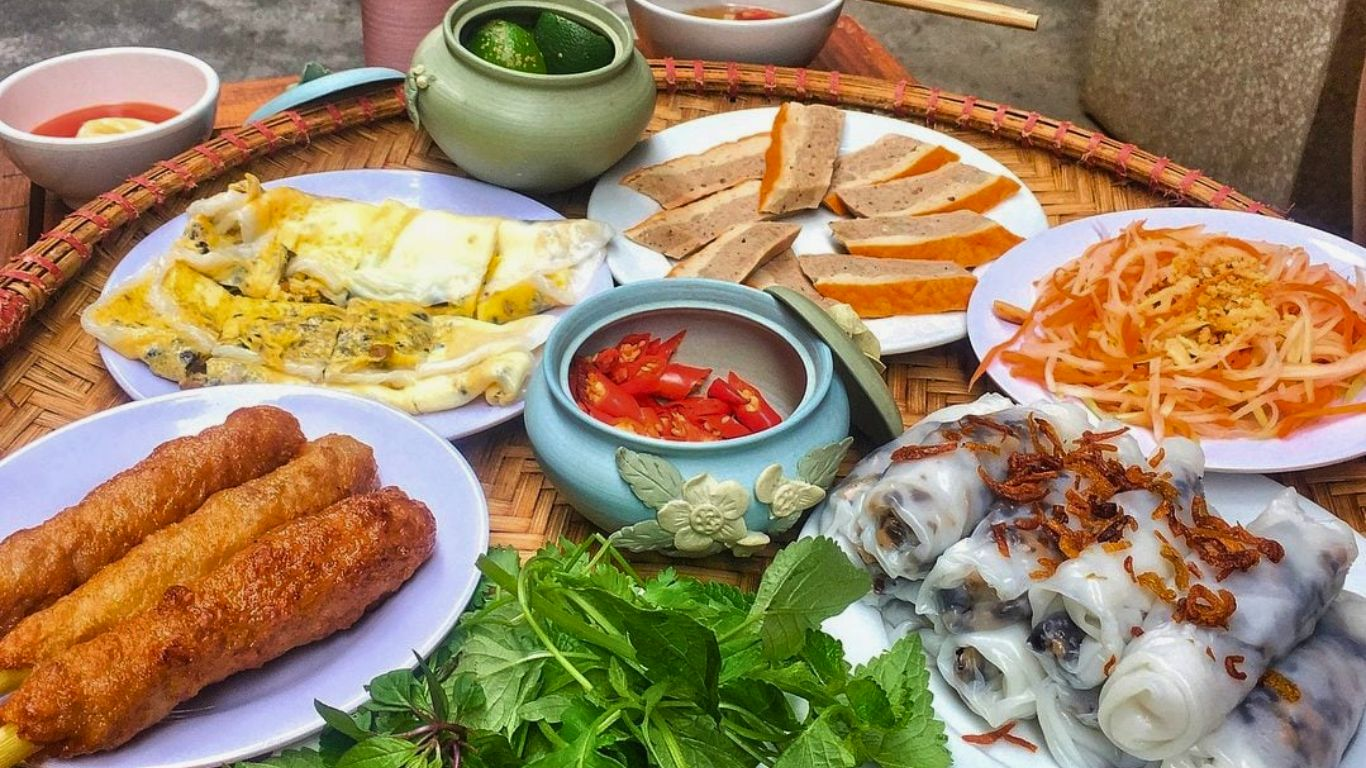
Hanoi is often described as the culinary heart of Vietnam, and nowhere is this more evident than in its vibrant street food culture. A Hanoi street food tour offers travelers the chance to explore the city through its flavors, aromas, and everyday dining habits. Instead of formal restaurants, much of Hanoi’s best food is found on sidewalks, in small alleys, and at family-run stalls that have served the same recipes for generations.
The Old Quarter stands at the center of this experience. Its narrow streets are filled with vendors cooking everything from steaming noodle soups to freshly grilled meats. Each corner reveals a different dish, and each meal reflects a part of Hanoi’s cultural identity. For many visitors, a Hanoi street food tour becomes one of the most memorable ways to connect with the city.
Street food in Hanoi is not only about taste. It also represents community and daily life. People gather on small plastic stools, share meals with friends, and enjoy quick bites between work or errands. Through this lively environment, visitors can observe how food plays an essential role in the rhythm of the city.
1. Why the Old Quarter Is the Best Place for a Street Food Tour
The Old Quarter is widely considered the best starting point for a Hanoi street food tour. This historic district concentrates a wide variety of local dishes within a small area, making it easy for travelers to explore on foot. At the same time, the neighborhood preserves traditional cooking methods and authentic flavors that define Hanoi’s cuisine.
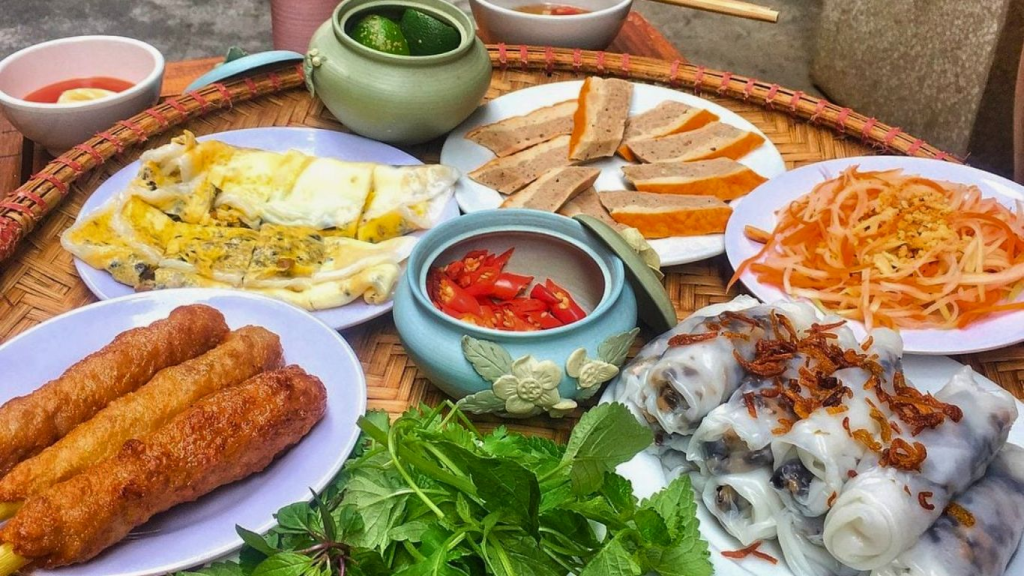
The Old Quarter offers plenty of Hanoi street food. Source: online
This section explains why the Old Quarter offers the perfect setting for discovering street food.
A Dense Network of Food Streets
One of the most appealing aspects of the Old Quarter is how closely food stalls are located to each other. Walking just a few minutes can lead to completely different dishes and cooking styles.
Visitors may notice:
- Streets dedicated to specific foods or cooking traditions
- Small vendors operating right on the sidewalk
- Food stalls that have been run by the same family for decades
- A constant flow of locals and tourists searching for meals
Because of this concentration, travelers can try multiple dishes within a short distance.
Authentic Recipes Passed Through Generations
Many street food vendors in the Old Quarter rely on recipes that have been passed down within families. These recipes often remain unchanged for years, preserving traditional flavors and techniques.
Typical characteristics of these dishes include:
- Simple ingredients combined with careful preparation
- Cooking methods refined through experience rather than formal training
- Strong emphasis on balance between sweet, sour, salty, and savory flavors
- Consistent quality that attracts both locals and visitors
These elements make a Hanoi street food tour feel authentic and deeply connected to local culture.
A Lively and Social Dining Atmosphere
Street food in Hanoi is closely tied to social interaction. Meals are often enjoyed in open spaces where people sit close together and share the experience.
Common scenes in the Old Quarter include:
- Groups of friends chatting over bowls of noodles
- Vendors cooking while interacting directly with customers
- Visitors observing the preparation process from just a few steps away
- A constant mix of sounds, smells, and movement
This lively atmosphere adds an important dimension to the food experience.
Through its dense streets, authentic flavors, and vibrant environment, the Old Quarter becomes the ideal place to begin a Hanoi street food tour. It offers a complete introduction to the culinary traditions that define the city.
2. Must-Try Dishes on a Hanoi Street Food Tour
One of the most exciting parts of a Hanoi street food tour is discovering the wide variety of dishes that define the city’s culinary identity. Each dish tells a story about local ingredients, cooking traditions, and the balance of flavors that Vietnamese cuisine is known for. While the Old Quarter offers countless options, a few signature dishes stand out as essential experiences for any visitor.
Exploring these dishes not only satisfies your appetite but also helps you understand how food reflects Hanoi’s culture and daily life. From comforting noodle soups to flavorful grilled specialties, each meal brings a different texture and taste.
Phở – The Iconic Vietnamese Noodle Soup
Phở is perhaps the most famous Vietnamese dish and a must-try on any Hanoi street food tour. This noodle soup combines rice noodles, herbs, and a slow-cooked broth that develops deep flavor over many hours.
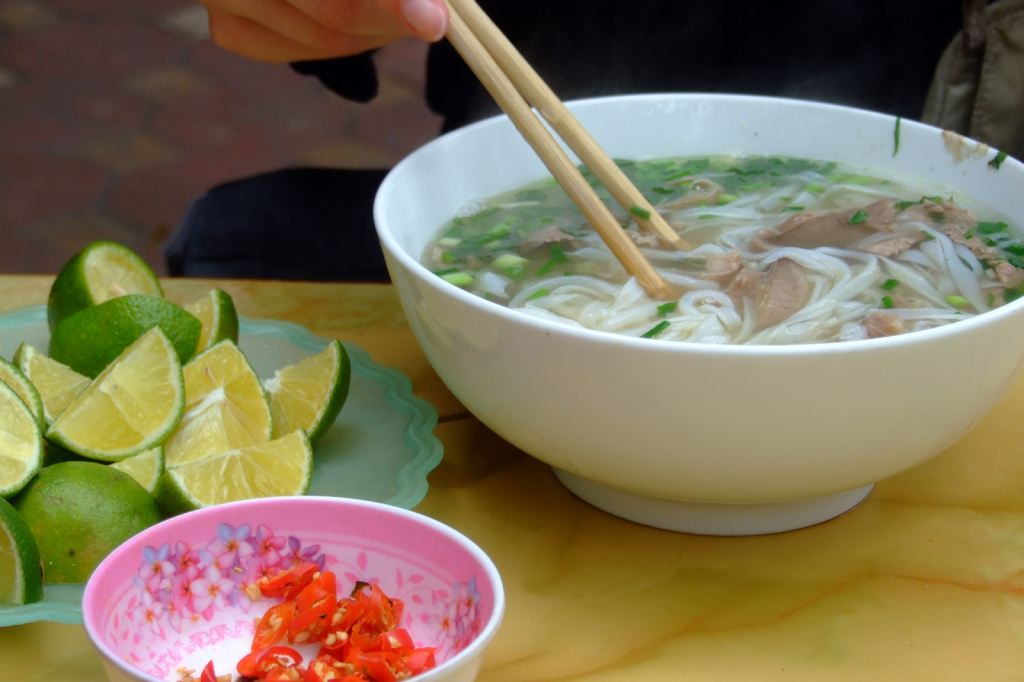
Phở is the perfect start to the day of Hanoians. Source: online
Typical elements of phở include:
- A clear, aromatic broth made from simmered bones and spices
- Thin slices of beef or tender chicken
- Fresh herbs such as cilantro and green onions
- Lime, chili, and sauces served on the side
Although phở is available throughout the day, many locals prefer to eat it in the early morning. The dish feels both light and nourishing, making it a perfect start to the day.
Bún Chả – Grilled Pork with Fresh Noodles
Another essential dish in Hanoi is bún chả. This meal features grilled pork served with rice vermicelli noodles, fresh herbs, and a dipping sauce that balances sweet, sour, and savory flavors.
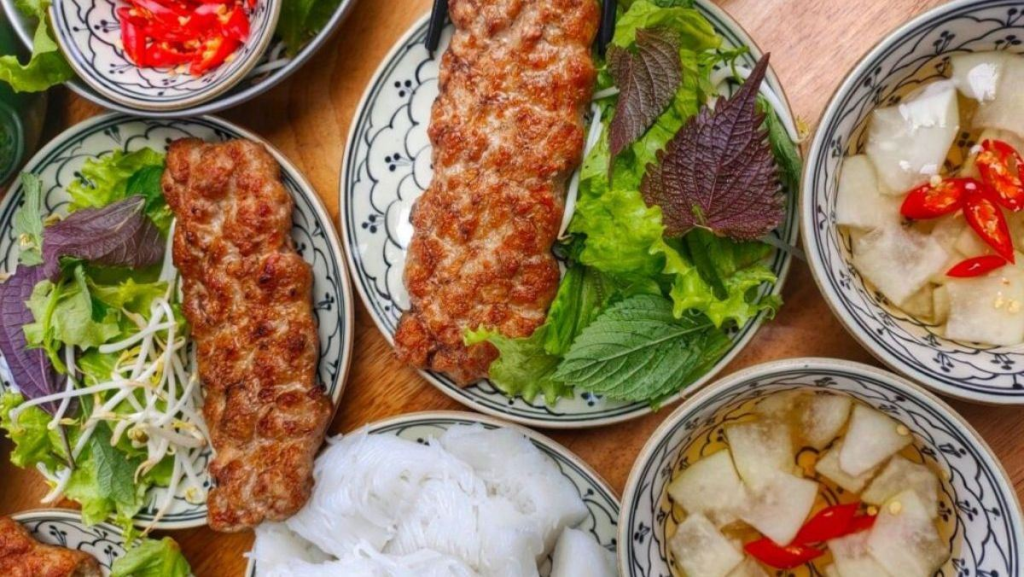
Bún Chả represents the essence of Hanoi’s street food culture.
Key components of bún chả include:
- Charcoal-grilled pork patties and slices of pork belly
- Rice vermicelli noodles served separately
- A dipping sauce made from fish sauce, vinegar, and sugar
- Fresh herbs and vegetables that add texture and freshness
Because of its combination of smoky flavor and light ingredients, bún chả represents the essence of Hanoi’s street food culture.
Bánh Mì – A Fusion of Cultures
Bánh mì is a popular street food that reflects Vietnam’s historical influences. This sandwich combines a crispy baguette with a variety of fillings, creating a quick and flavorful meal.
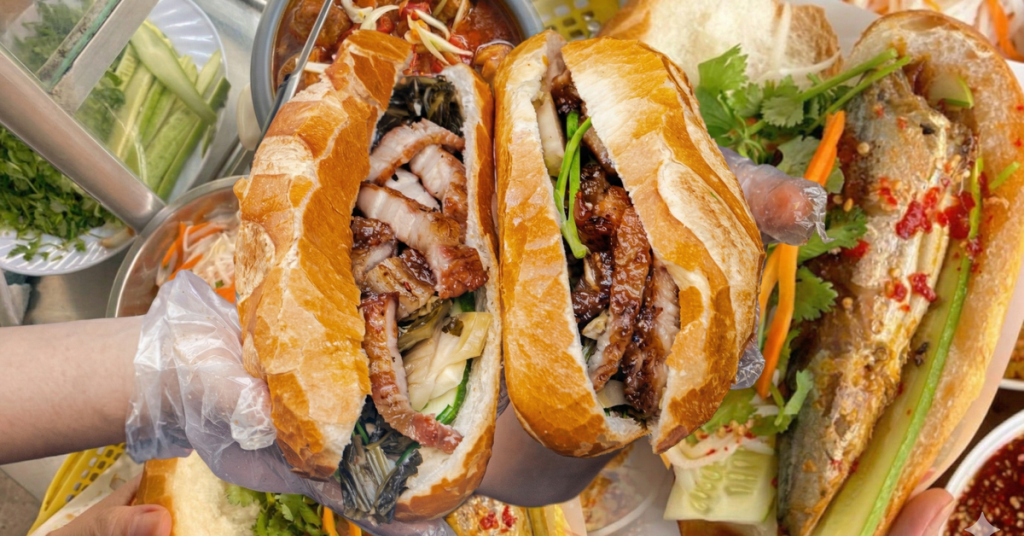
Bánh mì is the mix of textures and flavors. Source: online
Common bánh mì fillings include:
- Grilled meats or pâté
- Pickled vegetables such as carrots and daikon
- Fresh herbs like cilantro
- Chili sauce or mayonnaise for added flavor
The mix of textures and flavors makes bánh mì a convenient option for travelers exploring the city.
Nem Rán – Crispy Fried Spring Rolls
Nem rán, also known as fried spring rolls, are a favorite snack or side dish in Hanoi. These rolls are filled with minced pork, mushrooms, and vegetables, then deep-fried until golden and crispy.
Typical characteristics include:
- Crunchy outer wrapper
- Savory filling with a mix of ingredients
- Served with fresh herbs and dipping sauce
- Often shared among groups
These rolls highlight the importance of texture in Vietnamese cuisine.
Egg Coffee – A Unique Hanoi Specialty
No Hanoi street food tour is complete without trying egg coffee. This drink combines strong Vietnamese coffee with a creamy mixture of egg yolk and sugar, creating a rich and smooth flavor.
Visitors often enjoy egg coffee in small cafés tucked inside the Old Quarter. The drink provides a sweet and memorable ending to a culinary journey through the city.
Together, these dishes showcase the diversity and richness of Hanoi’s street food. Each one offers a different perspective on flavor, preparation, and cultural tradition, making a Hanoi street food tour an unforgettable experience.
3. How a Hanoi Street Food Tour Unfolds
A Hanoi street food tour is not just about eating. It is a journey through the city’s streets, stories, and everyday life. Unlike a traditional dining experience, the tour moves from one location to another, allowing travelers to taste different dishes while exploring the Old Quarter step by step.
Because of this dynamic structure, the experience feels immersive and engaging. Each stop introduces a new flavor, a new environment, and often a new story behind the dish.
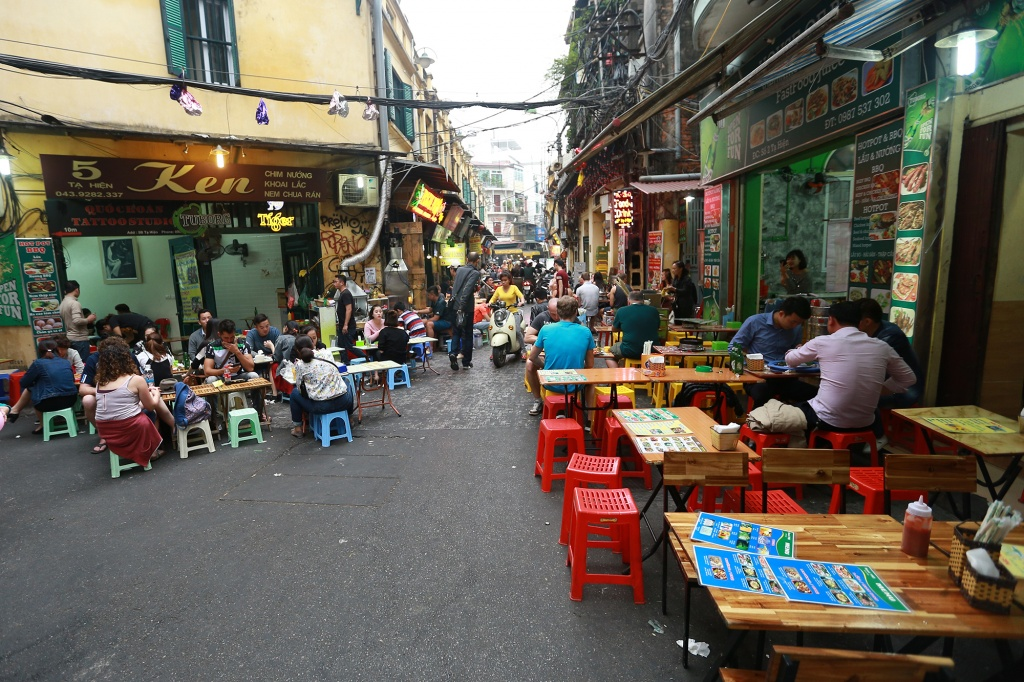
Hanoi street food tour.
Walking Through the Old Quarter
Most street food tours take place on foot, especially in the Old Quarter where streets are narrow and closely connected. Walking allows visitors to fully experience the atmosphere while moving between food stops.
During this part of the tour, travelers often:
- Walk through busy streets filled with vendors and shops
- Pass hidden alleys where small food stalls operate
- Observe how dishes are prepared right on the sidewalk
- Experience the changing rhythm of different streets
This walking journey helps connect food with the physical environment of Hanoi.
Multiple Stops, Multiple Flavors
Instead of eating one large meal, a Hanoi street food tour usually includes several stops, each offering a different dish. This approach allows visitors to sample a wide range of flavors without feeling overwhelmed.
A typical tour may include:
- A bowl of phở or bún at a local noodle stall
- Grilled dishes such as bún chả or skewered meats
- Small snacks like spring rolls or bánh mì
- A drink stop featuring egg coffee or fresh juice
Each stop introduces a new combination of ingredients and cooking techniques.
Learning from Local Guides and Vendors
One of the most valuable aspects of a street food tour is the opportunity to learn from local guides or directly from vendors. Guides often explain the history of dishes, how ingredients are selected, and why certain foods are popular in Hanoi.
Travelers may gain insights such as:
- The origins of specific street food dishes
- How flavors are balanced in Vietnamese cooking
- The role of street food in daily life
- Tips for ordering and eating like a local
These explanations add depth to the experience, turning a meal into a cultural exploration.
Experiencing the Social Side of Food
Street food in Hanoi is closely tied to social interaction. Eating often happens in shared spaces where people sit close together and engage in casual conversation.
During the tour, visitors may notice:
- Locals chatting while enjoying meals on small stools
- Vendors interacting directly with customers
- A lively mix of sounds, smells, and movement
- A welcoming atmosphere that encourages participation
This social environment makes a Hanoi street food tour feel warm and inclusive.
Through walking, tasting, and interacting, the tour becomes more than a culinary activity. It transforms into a deeper exploration of Hanoi’s culture, where food acts as a bridge between people, places, and traditions.
Read for more information:
- https://abite.asia/hanoi-city-tour-explore-the-old-quarter-temples-cultural-landmarks/
- https://abite.asia/hanoi-countryside-motorbike-tour-escape-to-the-green-delta/
- https://abite.asia/hanoi-street-food-for-spring-light-refreshing-local-flavors/
At Abite.asia, we specialize in curated Vietnam tours for international travelers, ensuring an authentic and hassle-free experience. Let us take care of your journey so you can fully embrace the beauty of Vietnam. Contact us today at +84363770835 to start planning your adventure!






Leave a Reply