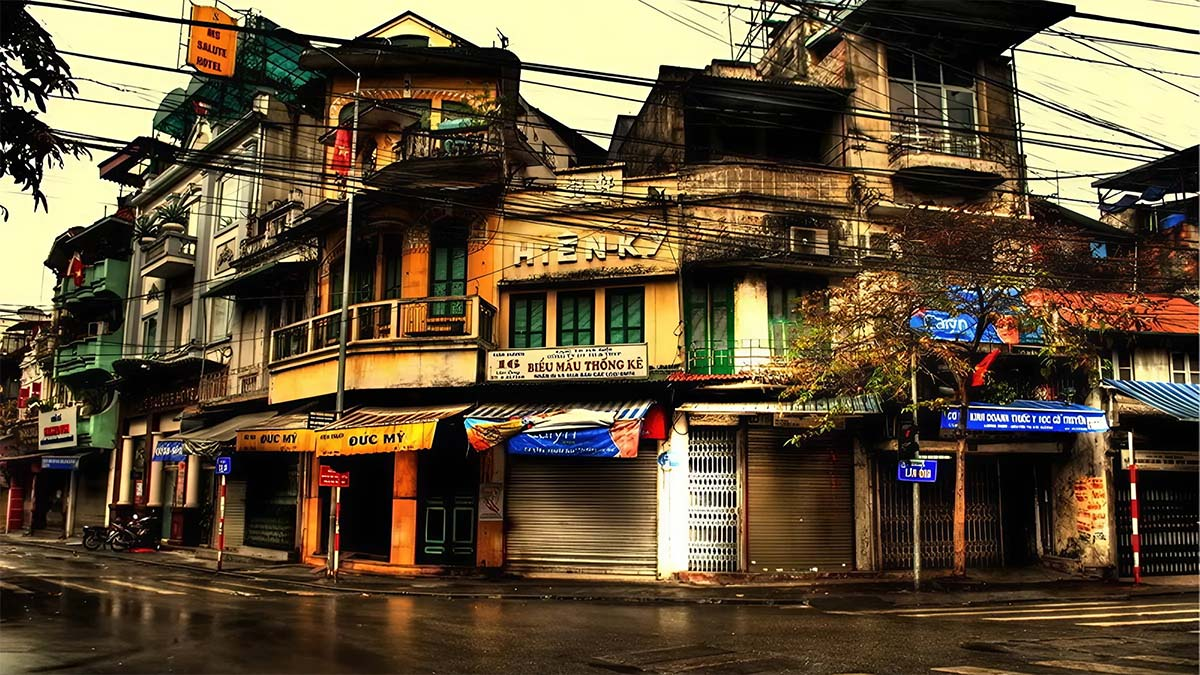
Exploring Hanoi on foot offers a completely different perspective from traveling by car or motorbike. A Hanoi walking tour allows visitors to slow down, notice small details, and experience the city’s rhythm more naturally. Instead of rushing between landmarks, travelers can discover hidden alleys, observe daily routines, and connect with the local atmosphere of the Old Quarter.
The Old Quarter, with its narrow streets and layered history, is the ideal place for a walking experience. Behind busy storefronts and crowded sidewalks lie quiet passageways where local life unfolds. These hidden spaces reveal how residents live, work, and interact within one of Hanoi’s oldest neighborhoods.
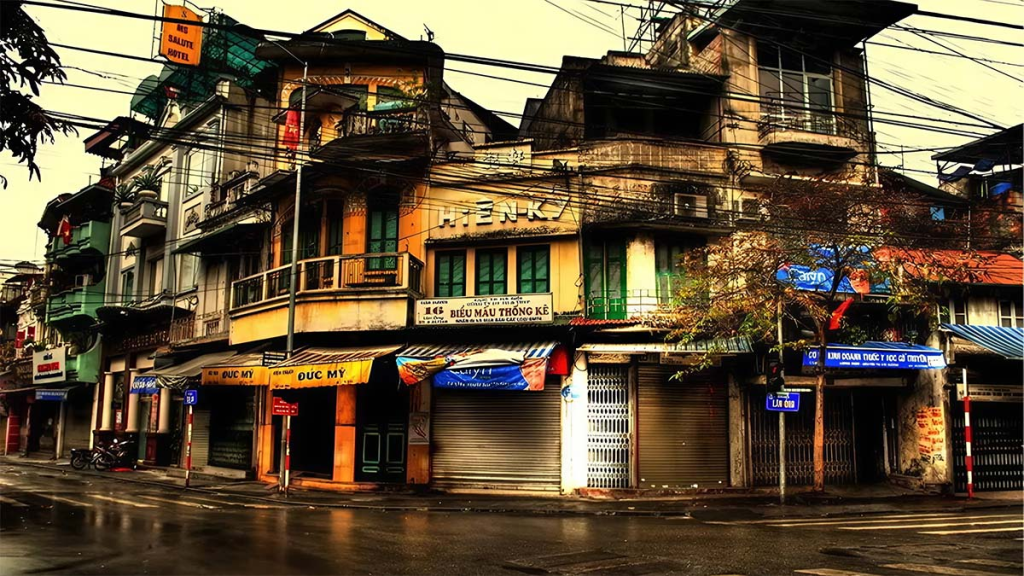
A Hanoi walking tour is not only about sightseeing. It is about observation and discovery. Each step brings new impressions, from the smell of street food to the sound of conversations echoing through small alleys. By walking, visitors gain a deeper understanding of how culture, history, and daily life come together in Hanoi.
1. Why Walking Is the Best Way to Explore Hanoi’s Old Quarter
Walking through the Old Quarter provides access to places that vehicles cannot easily reach. Narrow streets, hidden alleys, and small courtyards form a complex network that can only be fully experienced on foot. A Hanoi walking tour allows travelers to explore these spaces at their own pace while observing the details that define the city’s character.
Access to Hidden Alleys and Local Spaces
One of the greatest advantages of walking is the ability to enter small alleyways that remain invisible from the main streets. These hidden paths often lead to residential areas where daily life continues quietly.
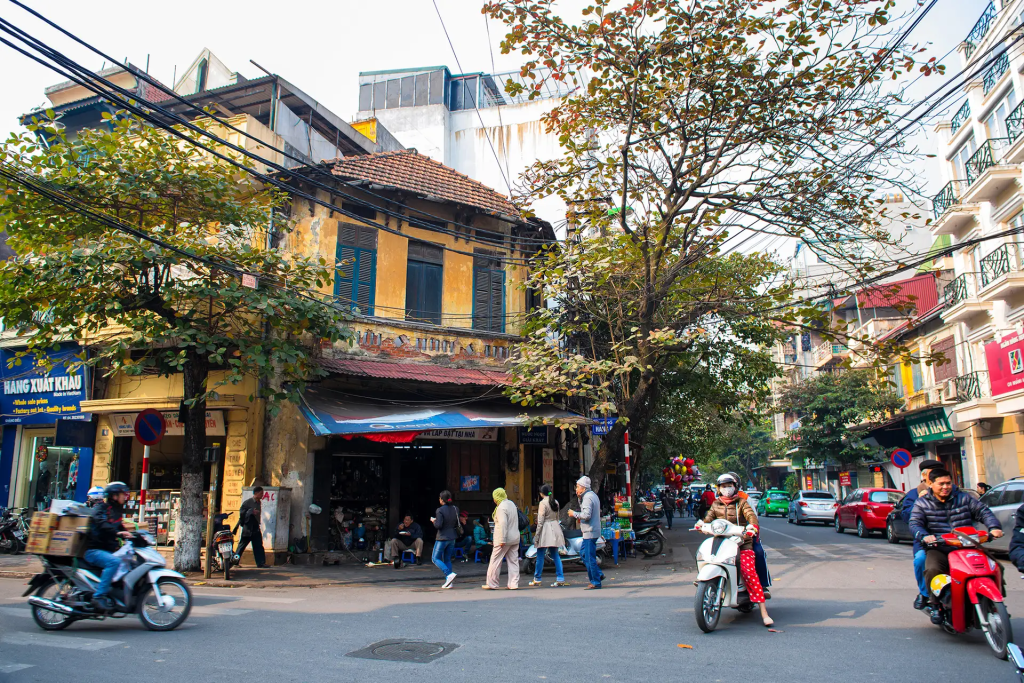
Visitors may discover:
- Narrow alley entrances leading to deeper living spaces
- Small courtyards shared by several families
- Local kitchens and everyday activities visible from doorways
- Quiet corners that contrast with the busy streets outside
These spaces reveal an authentic side of Hanoi that many travelers miss.
A Closer Look at Daily Life
A Hanoi walking tour allows travelers to observe how people live and interact throughout the day. Because movement is slower, it becomes easier to notice everyday routines and social interactions.
Typical scenes include:
- Residents sitting on low stools drinking tea
- Street vendors preparing food right on the sidewalk
- Shop owners arranging goods in front of their stores
- Neighbors chatting in small groups along the street
These moments provide insight into the daily rhythm of the Old Quarter.
Experiencing the Atmosphere Through the Senses
Walking engages all the senses. Travelers not only see the city but also hear its sounds, smell its food, and feel its energy. This sensory experience makes a Hanoi walking tour more immersive than other forms of travel.
Visitors often notice:
- The aroma of fresh street food drifting through the air
- The sound of motorbikes mixed with human conversation
- The visual contrast between old buildings and modern shops
- The changing pace of life from one street to another
Through these experiences, walking becomes the most effective way to understand Hanoi.
Ultimately, a Hanoi walking tour transforms the city into an open, living space where every corner offers something new to discover.
2. Discovering Hidden Alleys and Local Stories
One of the most rewarding parts of a Hanoi walking tour is stepping away from the main streets and exploring the hidden alleys that define the Old Quarter’s true character. These narrow passageways reveal a quieter, more intimate side of the city where daily life unfolds beyond the view of most visitors. While the streets outside remain busy and energetic, the alleys offer a slower rhythm shaped by routine, familiarity, and community.
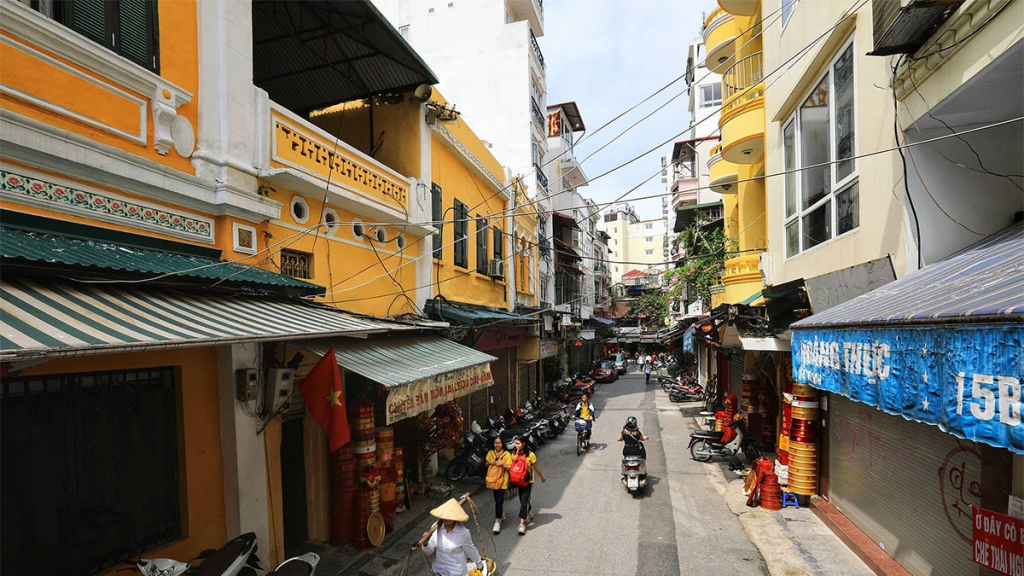
Entering an alley often feels like crossing into a different world. The noise of traffic fades, and the environment becomes more personal. Small details begin to stand out, from the arrangement of household items to the way neighbors interact with each other. Through these observations, travelers gain insight into the everyday lives of Hanoi residents.
A Maze of Narrow Paths and Shared Spaces
The hidden alleys of the Old Quarter form a complex network of narrow corridors and interconnected living areas. Some alleys lead to deeper residential spaces, while others open into small shared courtyards where multiple families live together.
Visitors exploring these spaces may notice:
- Narrow walkways just wide enough for two people to pass
- Layers of homes built closely together over time
- Shared courtyards used for cooking, washing, or socializing
- Electrical wires and balconies crossing above the pathways
These features reflect how residents have adapted to limited urban space while maintaining a strong sense of community.
Everyday Life Inside the Alleyways
Life inside Hanoi’s alleys is simple but vibrant. Daily activities take place in open spaces where neighbors can easily see and interact with each other. Because of this, the boundary between private and public life often becomes blurred.
Common scenes during a Hanoi walking tour include:
- Residents preparing meals just outside their homes
- Elderly locals sitting and watching the street quietly
- Children playing in small open areas
- Neighbors sharing conversations over tea
These everyday moments create a warm and familiar atmosphere that contrasts with the fast pace of the city outside.
Untold Stories Behind Every Door
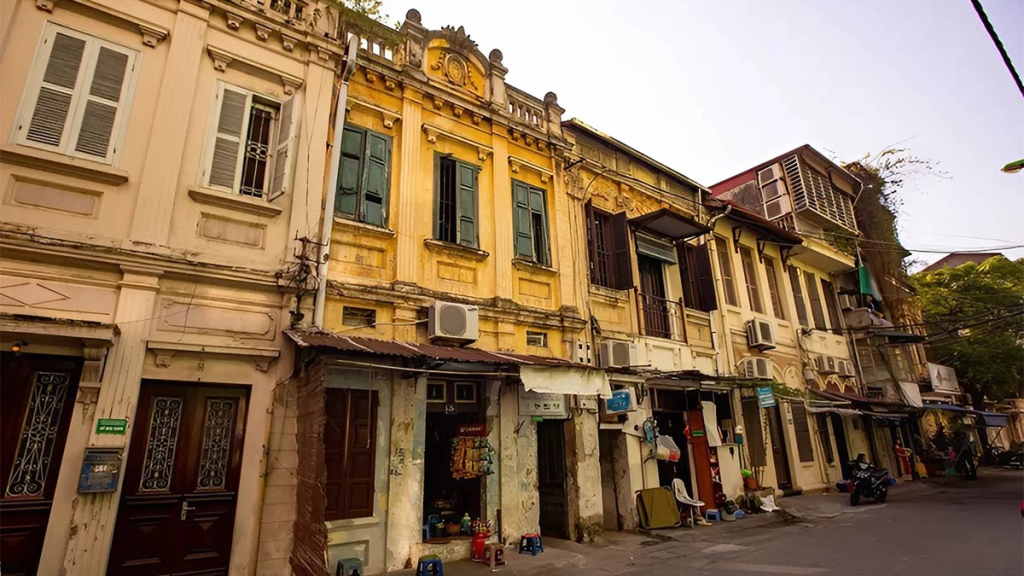
Each alley carries its own history. Many families have lived in these spaces for generations, and their homes reflect layers of change over time. Old doors, faded walls, and small altars often hold stories that are not immediately visible but deeply rooted in the past.
Travelers may observe:
- Traditional architectural elements mixed with modern additions
- Family altars placed inside homes or near entrances
- Signs of long-term residence such as worn pathways or shared objects
- Small details that hint at personal and family histories
These subtle elements give depth to the experience of a Hanoi walking tour.
By exploring hidden alleys, visitors move beyond surface-level sightseeing. Instead, they discover the human side of Hanoi, where everyday life, history, and community come together in quiet and meaningful ways.
3. Street Life, Culture, and Everyday Encounters
A Hanoi walking tour becomes truly memorable through the small, spontaneous encounters that happen along the way. Beyond landmarks and hidden alleys, the streets themselves act as living spaces where culture unfolds in real time. Every corner offers a glimpse into how people interact, work, and relax throughout the day.
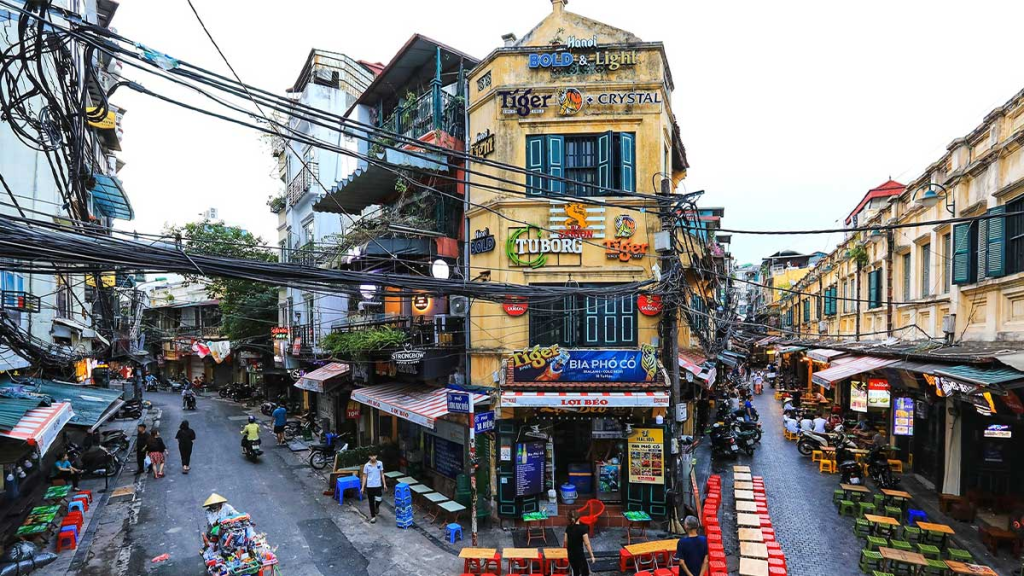
Unlike structured attractions, street life in Hanoi is constantly changing. The same street can feel different in the morning, afternoon, and evening. Because of this, walking allows visitors to experience the city as a dynamic and evolving environment.
Street Vendors and Local Food Culture
One of the most noticeable aspects of Hanoi’s streets is the presence of food vendors. These small businesses operate directly on sidewalks, creating a lively and accessible dining culture.
During a Hanoi walking tour, visitors may encounter:
- Vendors cooking noodles or grilling meat on small stoves
- Mobile carts selling fruits, snacks, or drinks
- Customers sitting on low stools enjoying quick meals
- Fresh ingredients displayed openly along the street
These scenes highlight how food is deeply connected to daily life in Hanoi.
Daily Activities in Public Spaces
In Hanoi, many everyday activities take place outside rather than inside homes. Sidewalks and streets function as shared spaces where people gather, work, and socialize.
Common street scenes include:
- Locals drinking tea and chatting in small groups
- People exercising or walking around nearby lakes
- Shop owners organizing goods in front of their stores
- Mechanics repairing motorbikes along the roadside
These activities create a sense of openness and community that defines the city’s character.
Moments of Interaction and Human Connection
One of the most meaningful aspects of a Hanoi walking tour is the opportunity for simple human interactions. Even brief exchanges can leave a lasting impression.
Travelers may experience:
- Friendly smiles from local residents
- Vendors greeting visitors with curiosity
- Small conversations while buying food or drinks
- Children waving as tourists pass by
These moments add warmth to the journey and help visitors feel connected to the city.
A Living Culture That Evolves Daily
Street life in Hanoi reflects a balance between tradition and modernity. While many customs remain unchanged, new influences continue to shape the city’s daily rhythm.
Visitors often observe:
- Traditional practices coexisting with modern businesses
- Young people gathering in cafés alongside older generations
- Cultural habits adapting to urban development
- A city that remains rooted in its past while moving forward
Through these everyday encounters, a Hanoi walking tour reveals more than just physical spaces. It uncovers the living culture of Hanoi, where people, traditions, and daily routines come together to create a vibrant and authentic urban experience.
4. Tips for Enjoying a Hanoi Walking Tour
A Hanoi walking tour becomes much more meaningful when travelers move with awareness, curiosity, and respect for local life. Because the Old Quarter is both a historic area and a living neighborhood, understanding how to navigate its streets helps visitors enjoy the experience comfortably while appreciating its cultural depth.
This section provides practical tips to help travelers explore Hanoi on foot in a relaxed and engaging way.
Start Early or Walk in the Late Afternoon
Timing can greatly affect the walking experience. The Old Quarter is busy throughout the day, but certain hours offer a more comfortable atmosphere for exploration.
Recommended times include:
- Early morning: quieter streets and authentic local routines
- Late afternoon: softer light and more comfortable temperatures
- Evening: lively street food scenes and illuminated streets
Walking during these periods allows travelers to experience different sides of the city.
Dress Comfortably and Travel Light
Since walking tours involve long periods on foot, comfortable clothing and practical preparation are essential. Hanoi’s weather can be warm and humid, so light clothing helps maintain comfort.
Helpful items to bring include:
- Comfortable walking shoes
- Light, breathable clothing
- A small bag with water and essentials
- Sunscreen or a hat for daytime exploration
Being prepared allows visitors to focus on enjoying the journey.
Stay Aware of Traffic and Surroundings
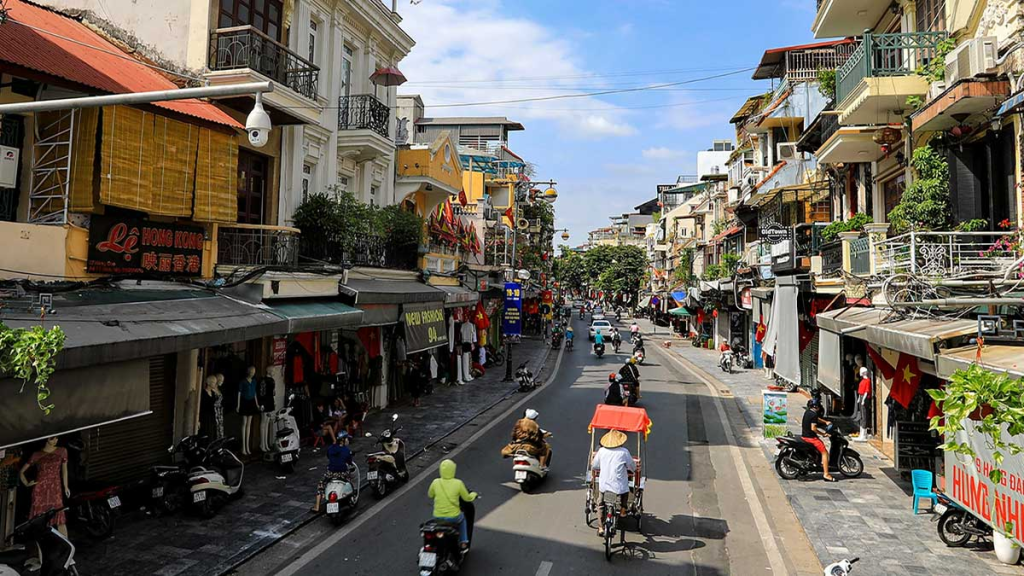
Hanoi’s streets can feel busy, especially in the Old Quarter. Motorbikes often move through narrow spaces, so staying aware of surroundings is important.
Travelers should remember to:
- Walk at a steady pace when crossing streets
- Stay alert to motorbikes and bicycles
- Use sidewalks where available
- Follow the flow of local pedestrians
With a bit of attention, navigating the streets becomes easier over time.
Respect Local Life in Residential Areas
While exploring hidden alleys and neighborhoods, visitors enter spaces where people live their daily lives. Respectful behavior helps maintain a positive atmosphere.
Important etiquette includes:
- Keeping noise levels low in quiet areas
- Asking permission before taking photos of people
- Avoiding blocking narrow pathways
- Observing rather than interrupting daily activities
These small actions help travelers engage more thoughtfully with the community.
Take Time to Slow Down and Observe
One of the greatest advantages of a Hanoi walking tour is the opportunity to slow down. Rather than rushing between locations, visitors can pause to observe small details that reveal the city’s character.
Meaningful moments may include:
- Sitting at a sidewalk café watching street life
- Exploring a quiet alley away from main roads
- Listening to conversations and city sounds
- Noticing how daily routines unfold throughout the day
Ultimately, a Hanoi walking tour is not just about covering distance. It is about experiencing Hanoi at a human pace, where every step offers a chance to discover something new.
Read for more information:
- https://abite.asia/hanoi-vegetarian-food-tour-zen-flavors-in-the-heart-of-the-city/
- https://abite.asia/hanoi-street-food-for-spring-light-refreshing-local-flavors/
- https://abite.asia/hanoi-early-morning-flower-market-a-3am-sensory-journey/
At Abite.asia, we specialize in curated Vietnam tours for international travelers, ensuring an authentic and hassle-free experience. Let us take care of your journey so you can fully embrace the beauty of Vietnam. Contact us today at +84363770835 to start planning your adventure!






Leave a Reply