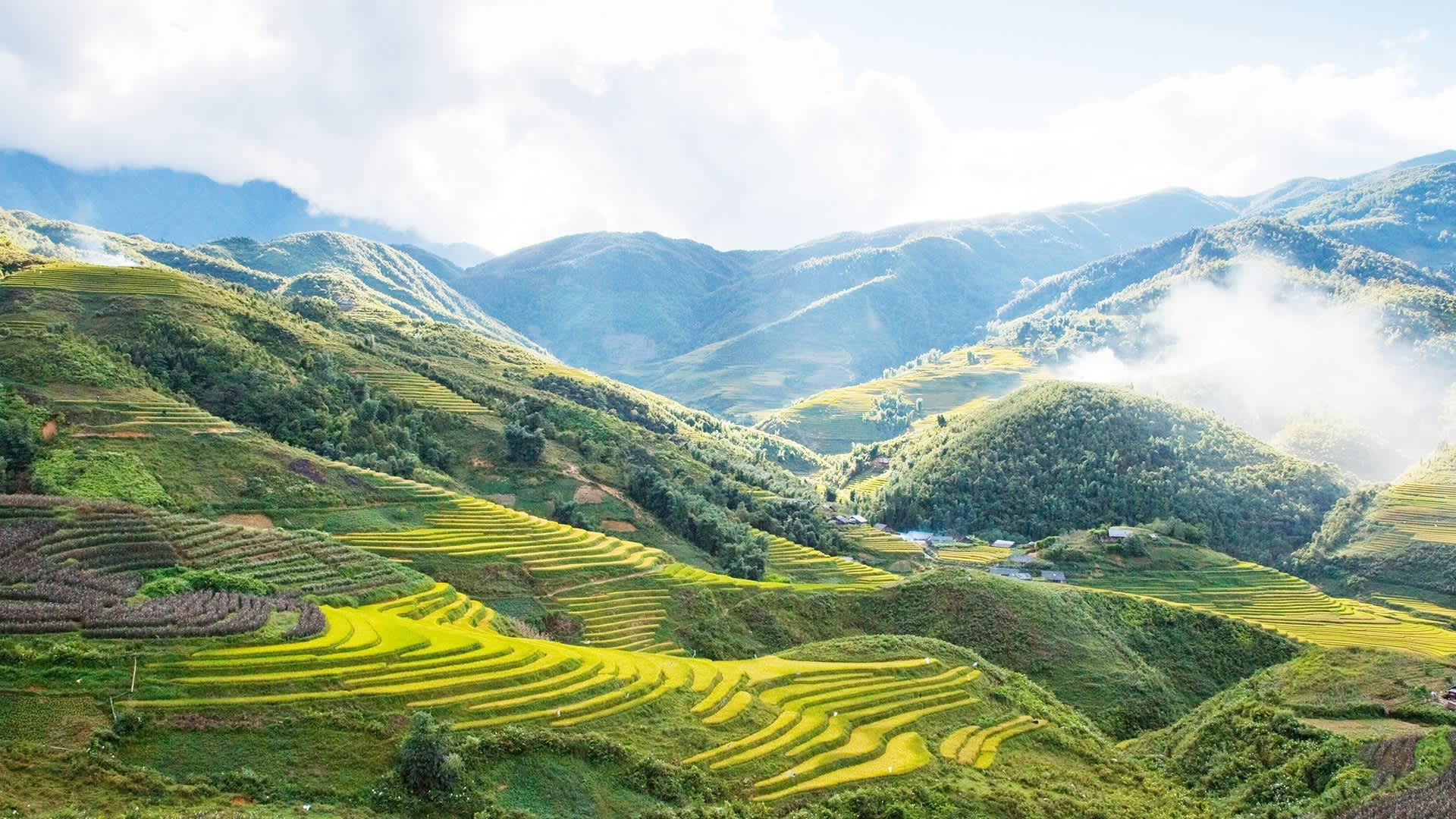
A Sapa trekking tour is one of the best ways to experience the natural beauty and cultural diversity of northern Vietnam. Located in the mountains near the Chinese border, Sapa is famous for its terraced rice fields, misty valleys, and ethnic minority villages that have preserved their traditional lifestyle for generations.
Unlike standard sightseeing tours, trekking in Sapa allows travelers to move slowly through the landscape and experience daily life more closely. Walking along mountain trails, crossing rice terraces, and visiting small villages creates a journey that feels immersive rather than rushed. The experience is not only about scenery, but also about understanding the relationship between local communities and the mountainous environment they call home.
1. Why Choose a Sapa Trekking Tour
A Sapa trekking tour is one of the most rewarding ways to explore northern Vietnam because it combines natural scenery, cultural experiences, and physical activity in a single journey. Instead of simply visiting viewpoints or taking photos from a distance, trekking allows travelers to move directly through the landscape and experience Sapa at a slower, more immersive pace.
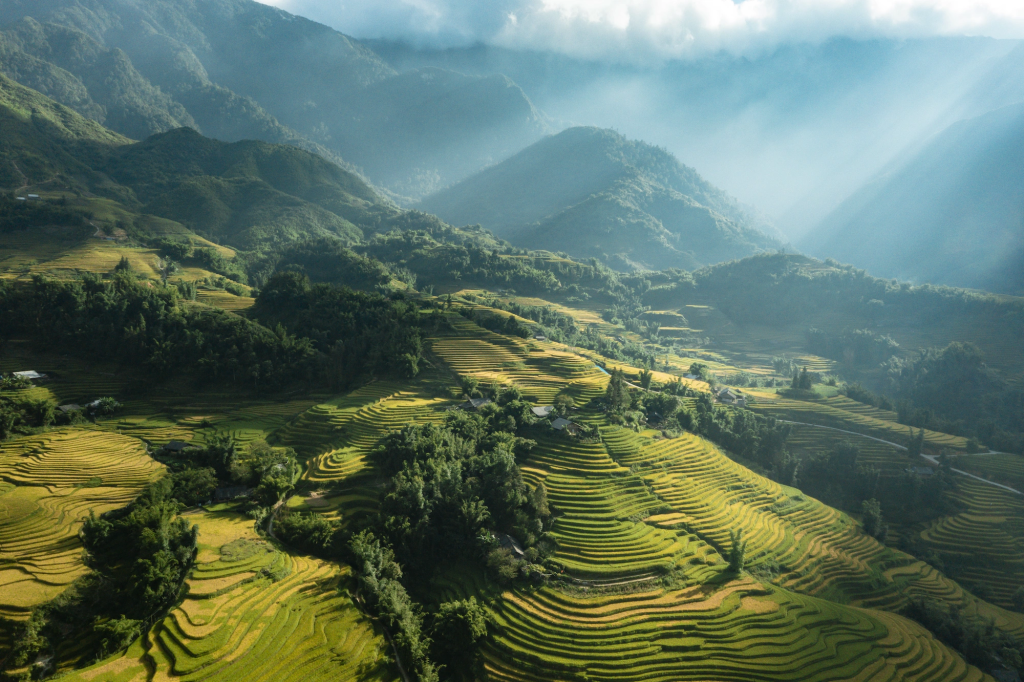
Walk through the iconic rice terraces of Sapa.
Experience the Famous Rice Terraces Up Close
One of the main reasons travelers visit Sapa is its spectacular terraced rice fields. While these landscapes can be seen from town viewpoints, trekking through them creates a completely different experience.
During a Sapa trekking tour, travelers can:
- Walk along narrow trails between rice terraces
- Observe how local farmers work on steep mountainsides
- Experience changing scenery throughout the route
- Enjoy panoramic valley views from higher elevations
The terraces look different depending on the season, from vibrant green during planting months to golden yellow during harvest season.
Discover Ethnic Minority Villages
Sapa is home to several ethnic minority communities, each with its own traditions, clothing, language, and lifestyle. Trekking routes often pass through villages where these cultures remain strongly connected to daily life.
Visitors may encounter:
- Traditional wooden houses built along mountain slopes
- Local markets and handmade textile products
- Farmers working in rice fields or raising livestock
- Communities such as the Hmong, Dao, and Giay people
This cultural element gives a Sapa trekking tour much more depth than a standard nature trip.
A More Authentic and Immersive Travel Experience
Unlike vehicle-based sightseeing, trekking slows down the travel pace and allows travelers to interact more naturally with the environment.
A trekking journey often includes:
- Walking through small paths inaccessible by car
- Stopping in villages for rest or local meals
- Observing daily life in remote mountain areas
- Experiencing the sounds, weather, and atmosphere directly
Because of this slower rhythm, the experience feels more personal and connected to the region.
A Balance Between Adventure and Relaxation
A Sapa trekking tour is active, but it is not necessarily extreme. Many trekking routes are moderate and accessible to travelers with average fitness levels.
Depending on the itinerary, travelers can enjoy:
- Light to moderate hiking through valleys and hills
- Scenic rest stops along the way
- Comfortable homestays or hotels after trekking
- A mix of physical activity and quiet mountain scenery
This balance makes trekking suitable for both adventurous travelers and those simply looking to escape the city.
Different Landscapes Throughout the Year
Another reason to choose Sapa is that the scenery changes dramatically with the seasons. Each period offers a different atmosphere and visual experience.
Travelers visiting at different times may see:
- Bright green rice terraces during summer
- Golden fields during harvest season
- Mist-covered mountains in cooler months
- Clear blue skies and layered valleys during dry weather
This seasonal variation makes every Sapa trekking tour feel unique. A Sapa trekking tour offers much more than mountain scenery. It combines culture, movement, nature, and local life into a journey that feels immersive, authentic, and memorable.
2. What to Expect on a Sapa Trekking Tour
A Sapa trekking tour offers a combination of mountain scenery, village exploration, and moderate physical activity. Unlike traditional city tours, the experience is shaped by movement through nature. Travelers spend much of the journey walking along trails, crossing rice terraces, and passing through ethnic minority villages while gradually observing how the landscape and local life connect together.
Trek along narrow mountain trails and terraces.
A Trekking Experience Through Valleys and Rice Terraces
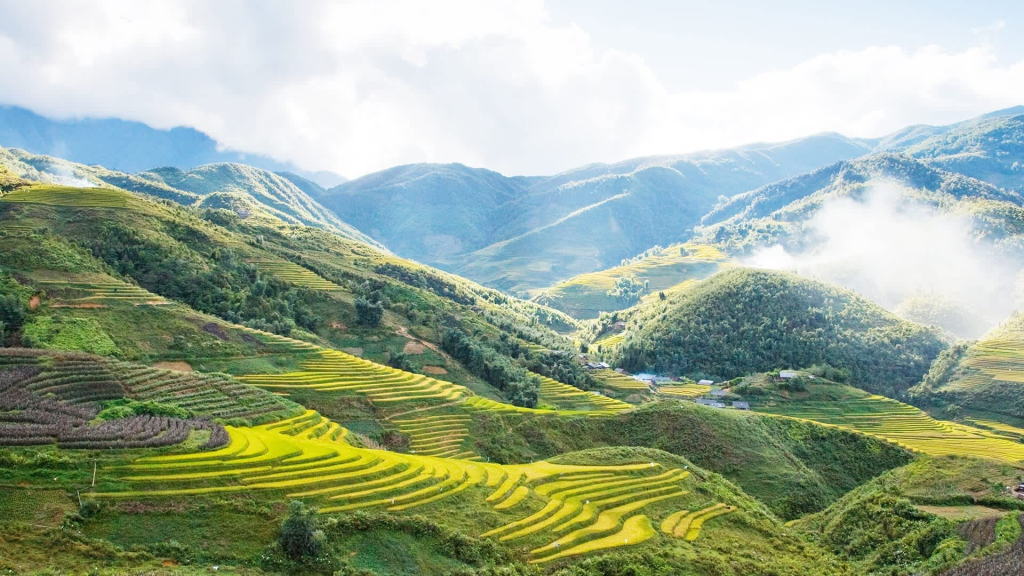
Most trekking routes in Sapa lead travelers through wide valleys surrounded by mountains and terraced rice fields. The scenery constantly changes throughout the walk, which keeps the experience engaging and visually rewarding.
During a typical Sapa trekking tour, travelers may:
- Walk along narrow dirt trails beside rice terraces
- Cross small bridges, streams, and hillside paths
- Pass through valleys with panoramic mountain views
- Stop at scenic viewpoints for photos and rest
The pace is usually steady rather than rushed, allowing visitors to enjoy the surroundings more naturally.
Visits to Ethnic Minority Villages
One of the highlights of trekking in Sapa is the opportunity to visit local villages where ethnic minority communities continue their traditional way of life.
Depending on the route, travelers may explore villages such as:
- Cat Cat Village
- Lao Chai Village
- Ta Van Village
- Y Linh Ho Village
In these villages, visitors can observe:
- Traditional wooden houses and local architecture
- Daily farming and handicraft activities
- Local markets and handmade textile products
- Cultural traditions that remain closely tied to the mountains
This cultural interaction makes a Sapa trekking tour more immersive than a simple hiking trip.
Moderate Physical Activity and Walking Conditions
Trekking in Sapa is generally considered moderate in difficulty, although conditions can vary depending on weather and route length.
Travelers should expect:
- Several hours of walking each day
- Uneven trails, slopes, and occasional muddy sections
- Some uphill and downhill terrain
- Frequent breaks during the journey
Most trekking routes are manageable for travelers with average fitness levels, but comfortable shoes and basic preparation are important.
Changing Weather and Mountain Atmosphere
One of the unique aspects of Sapa is how quickly the weather and atmosphere can change. The mountains often create shifting conditions throughout the day.
During the trek, travelers may experience:
- Cool mornings with fog covering the valleys
- Bright sunlight reflecting across rice terraces
- Sudden light rain or cloudy conditions
- Cooler temperatures compared to Hanoi
These changes add variety and atmosphere to the overall experience.
Homestays and Local Hospitality
Some longer Sapa trekking tours include overnight stays in local homestays instead of hotels. This allows travelers to experience village life more closely.
A homestay experience may include:
- Staying in traditional-style local houses
- Eating homemade meals with local families
- Spending quiet evenings in mountain villages
- Learning more about local customs and lifestyles
For many travelers, this becomes one of the most memorable parts of the journey.
A Slower and More Immersive Travel Rhythm
Unlike fast-paced sightseeing tours, trekking in Sapa encourages travelers to slow down and pay attention to their surroundings. The experience is less about checking attractions off a list and more about observing landscapes, weather, and daily life as you move through the mountains.
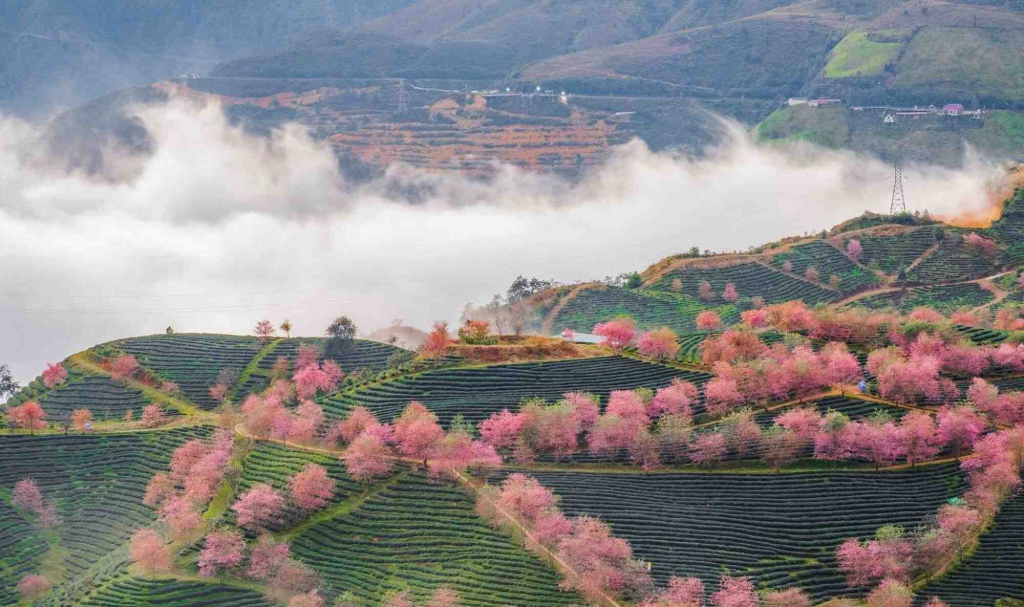
Experience the changing atmosphere of Sapa mountains.
Travelers often enjoy:
- The quiet atmosphere away from large cities
- The rhythm of walking through natural scenery
- Conversations with local guides and villagers
- The sense of disconnecting from busy urban life
A Sapa trekking tour combines nature, culture, and light adventure into a travel experience that feels authentic and immersive. Rather than simply seeing Sapa from a distance, trekking allows travelers to become part of the landscape itself.
3. Best Trekking Routes and Villages to Explore in Sapa
One of the most exciting parts of a Sapa trekking tour is the variety of trekking routes available. Each route offers different scenery, difficulty levels, and cultural experiences. Some trails focus on panoramic rice terrace views, while others lead deeper into remote villages where local traditions remain strongly preserved.
Choosing the right route depends on your fitness level, available time, and the kind of experience you want from your journey.
Cat Cat Village – The Most Accessible Trekking Route
Cat Cat Village is one of the easiest and most popular trekking destinations in Sapa. Located only a short distance from Sapa town, it is suitable for travelers who want a lighter trekking experience without traveling too far into remote areas.
During the walk to Cat Cat Village, travelers can enjoy:
- Terraced rice fields close to the mountainside
- Small waterfalls and streams
- Traditional Hmong houses and handicraft shops
- Scenic walking paths with easy access
Because of its convenience, Cat Cat is often included in shorter Sapa trekking tours.
Lao Chai – Ta Van Route: The Classic Sapa Trek
The route from Lao Chai to Ta Van is considered one of the most iconic trekking experiences in Sapa. This area combines wide valley views, beautiful rice terraces, and cultural interaction with local communities.
Travelers trekking through this route will typically experience:
- Long stretches of layered rice terraces
- Mountain scenery with panoramic viewpoints
- Villages of the Black Hmong and Giay people
- Peaceful rivers and narrow countryside trails
This route is ideal for travelers looking for a balanced mix of nature and culture.
Y Linh Ho Village – A Quieter and More Remote Experience
For travelers wanting a less crowded route, Y Linh Ho offers a more peaceful atmosphere. The trails here feel more natural and less commercialized, making the experience quieter and more immersive.
A Sapa trekking tour through Y Linh Ho often includes:
- Steeper mountain trails and hillside paths
- Remote rice terrace landscapes
- Smaller local villages with fewer tourists
- A stronger connection to rural mountain life
This route is better suited for travelers comfortable with moderate trekking conditions.
Ta Phin Village – Cultural and Scenic Exploration
Ta Phin Village is known for both its natural scenery and the cultural traditions of the Red Dao community. Compared to other trekking areas, Ta Phin feels more open and rural.
Explore one of the most accessible villages in Sapa.
Visitors may experience:
- Traditional herbal bath practices of the Red Dao people
- Quiet roads surrounded by rice fields and mountains
- Handcrafted embroidery and textile products
- A slower and more traditional village atmosphere
This route adds a cultural dimension that makes the Sapa trekking tour feel more diverse.
Fansipan Trekking – For More Adventurous Travelers
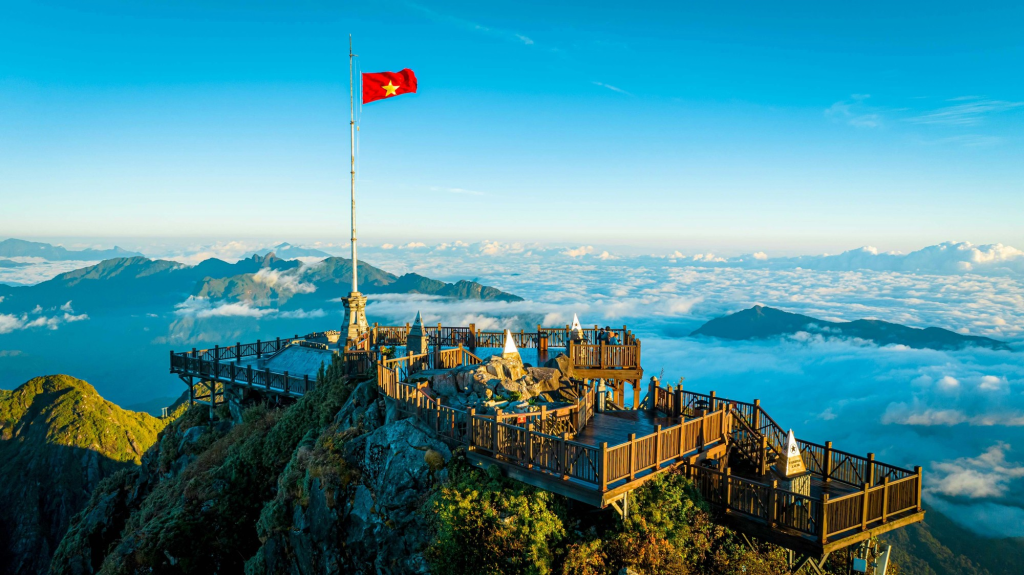
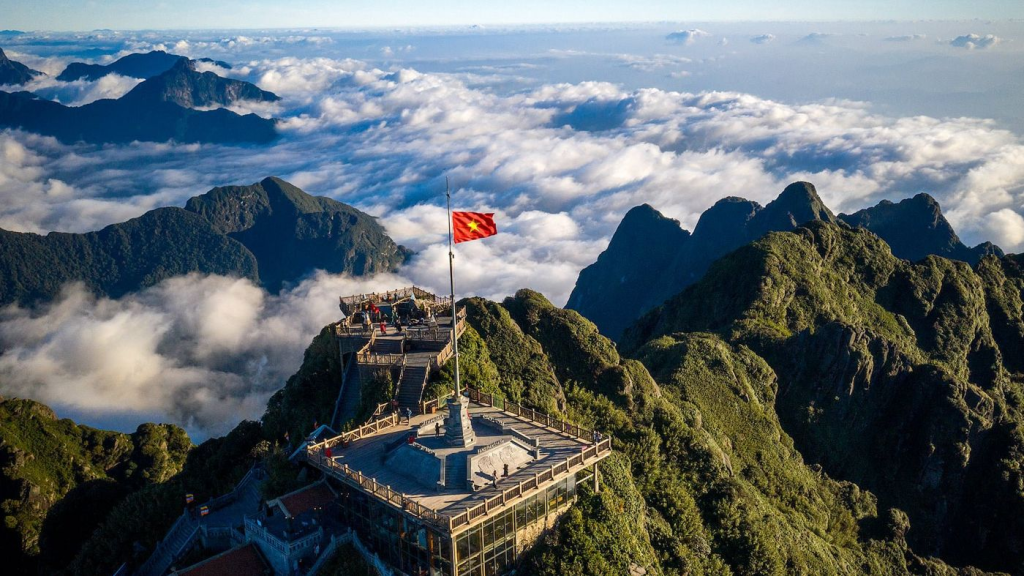
For travelers seeking a more physically demanding challenge, trekking around the Fansipan area offers a different type of experience. Fansipan is the highest mountain in Vietnam, often called the “Roof of Indochina.”
Depending on the itinerary, travelers may:
- Trek through dense mountain forests
- Climb steep trails at higher elevations
- Experience cooler temperatures and changing vegetation
- Reach panoramic viewpoints above the valleys
This option is more suitable for adventurous travelers with stronger fitness levels. Travelers should also consider weather conditions, as rain can make some trails muddy and more difficult. Tthe variety of routes is one of the reasons a Sapa trekking tour feels so unique. Whether you prefer easy scenic walks, cultural village experiences, or more adventurous mountain trails, Sapa offers trekking options that match different travel styles while showcasing some of Vietnam’s most spectacular landscapes.
4. Tips for Planning a Sapa Trekking Tour
Planning a Sapa trekking tour carefully can make a big difference in your overall experience. Since trekking conditions in Sapa depend heavily on weather, terrain, and route difficulty, good preparation helps travelers stay comfortable while fully enjoying the mountain scenery and village atmosphere.
Choose the Right Season for Trekking
The appearance of Sapa changes dramatically throughout the year, so choosing the right season depends on what type of scenery you want to experience.
Many travelers prefer:
- March to May for green landscapes and comfortable temperatures
- September to October for golden rice terraces during harvest season
- December to February for misty mountain scenery and cooler weather
Summer months can also be beautiful, but occasional rain may make trekking trails muddy and slippery.
Wear Proper Trekking Clothing and Shoes
One of the most important parts of a successful Sapa trekking tour is wearing the right gear. Even moderate trekking routes involve uneven terrain, slopes, and dirt trails.
Recommended items include:
- Comfortable trekking shoes with good grip
- Light and breathable clothing for daytime walking
- A waterproof jacket or raincoat
- Warm layers for early mornings and evenings
- A hat and sunscreen for sunny conditions
Avoid wearing casual sandals or shoes without traction, especially during wet weather.
Prepare for Changing Weather Conditions
Mountain weather in Sapa can change quickly. A sunny morning may become foggy or rainy later in the day, especially during certain seasons.
Travelers should be prepared for:
- Sudden temperature changes
- Light rain or mist during trekking
- Slippery trails after rainfall
- Cooler evenings compared to Hanoi
Bringing flexible clothing layers helps travelers adapt more comfortably throughout the trek.
Choose a Trekking Route That Matches Your Fitness Level
Not all trekking routes in Sapa have the same difficulty. Some are short and relatively easy, while others involve steeper and longer mountain trails.
Visit during green or golden rice terrace seasons.
Before booking a Sapa trekking tour, consider:
- Daily walking distance
- Elevation changes and trail conditions
- Whether the route includes steep climbs or muddy terrain
- Your overall comfort with hiking for several hours
Choosing a suitable route makes the experience more enjoyable and less physically exhausting.
Consider Staying in a Local Homestay
For travelers wanting a deeper cultural experience, overnight homestays can add a unique dimension to the journey. Staying in local villages allows visitors to experience mountain life more closely than staying only in Sapa town.
A homestay experience may include:
- Traditional home-cooked meals
- Quiet evenings in the countryside
- Interaction with local families
- Early morning views of rice terraces and valleys
This slower rhythm often becomes one of the most memorable parts of the Sapa trekking tour.
Pack Light but Practical
Since trekking involves several hours of walking, carrying unnecessary items can become uncomfortable. A small and practical backpack is usually enough.
Useful items include:
- Water and light snacks
- A camera or phone for photos
- Power bank and personal medication
- Cash for small purchases in villages
- Extra socks or lightweight clothing
Packing efficiently helps make trekking easier and more comfortable.
Respect Local Culture and Environment
Sapa’s villages are home to ethnic minority communities who maintain strong cultural traditions. Respectful behavior helps create a more positive experience for both travelers and local residents.
Travelers should:
- Ask before taking close-up photos of local people
- Avoid littering on trekking routes
- Respect village customs and private homes
- Support local businesses and handicrafts responsibly
This helps preserve the authenticity of the trekking experience.
Slow Down and Enjoy the Journey
The best part of a Sapa trekking tour is often not a single attraction, but the overall atmosphere of walking through mountains, terraces, and villages at a slower pace.
Many travelers remember:
- Watching fog move across the valleys
- Hearing water streams and mountain sounds
- Walking quietly through rice terraces
- Seeing daily life continue naturally in remote villages
These small moments create the sense of calm and connection that makes Sapa different from other destinations. A Sapa trekking tour is about more than hiking. It is an opportunity to experience northern Vietnam through nature, local culture, and slow travel—creating a journey that feels both active and deeply immersive.
Read for more information:
- https://abite.asia/sapa-tour-from-hanoi-discover-fansipan-mountain-and-local-culture/
- https://abite.asia/sapa-trekking-tour-explore-rice-terraces-and-ethnic-villages/
At Abite.asia, we specialize in curated Vietnam tours for international travelers, ensuring an authentic and hassle-free experience. Let us take care of your journey so you can fully embrace the beauty of Vietnam. Contact us today at +84363770835 to start planning your adventure!



Leave a Reply