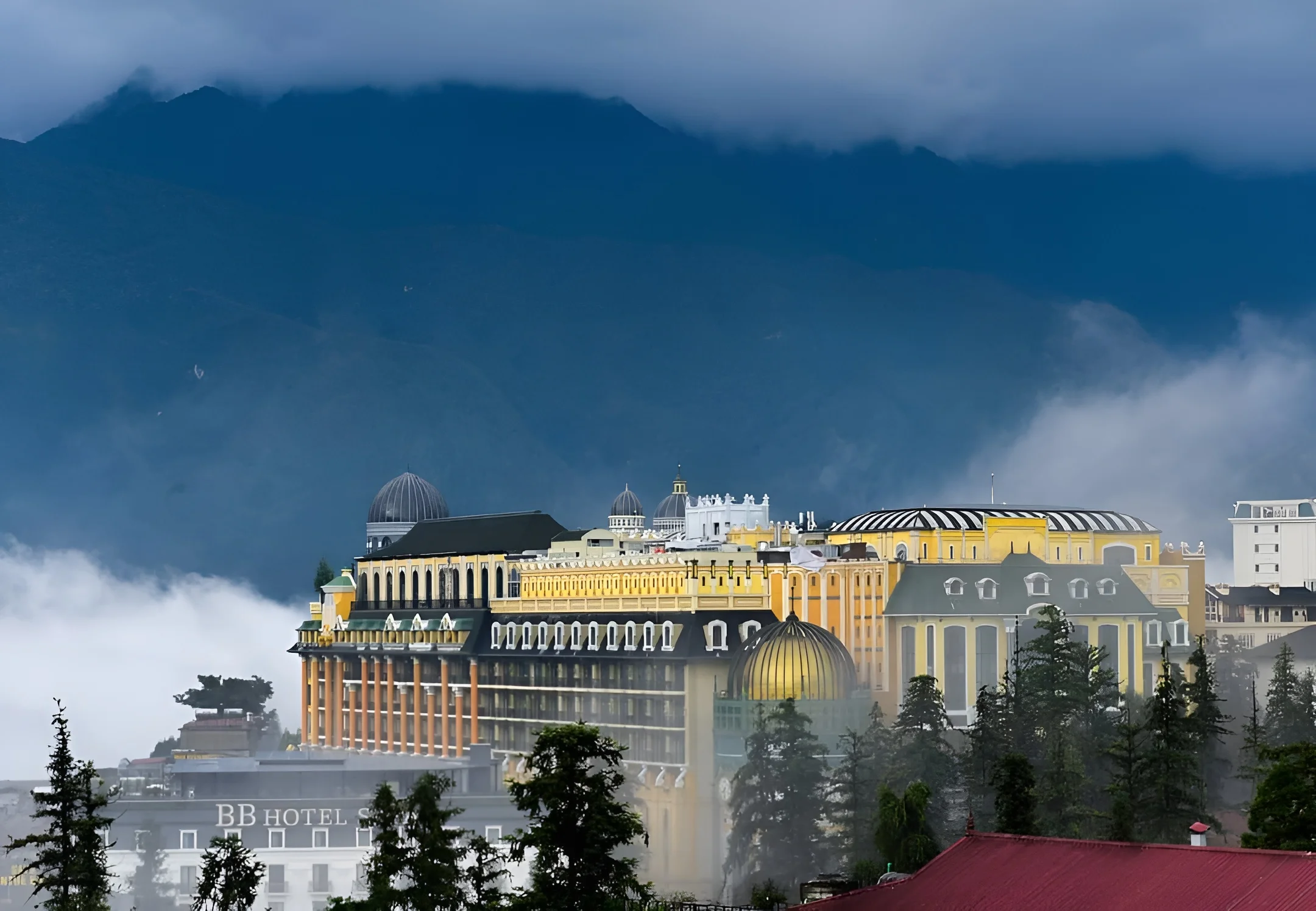
A Sapa tour from Hanoi is one of the most popular ways to experience the breathtaking mountain landscapes and cultural diversity of northern Vietnam. Located in Lao Cai Province near the Chinese border, Sapa is famous for its terraced rice fields, cool climate, ethnic minority villages, and the towering Fansipan Mountain — known as the “Roof of Indochina.”
For travelers starting in Hanoi, Sapa offers a completely different atmosphere from the busy capital. The journey takes visitors from crowded urban streets to misty mountain valleys, where daily life moves at a much slower pace. Whether traveling by overnight train, sleeper bus, or limousine transfer, the route itself becomes part of the adventure.
1. Why Choose a Sapa Tour from Hanoi
A Sapa tour from Hanoi is one of the best options for travelers who want to experience mountain scenery, local culture, and cooler weather within a relatively accessible journey from the capital. Compared to beach destinations or city tours, Sapa offers a completely different atmosphere—one shaped by terraced valleys, misty mountains, and ethnic minority communities that maintain traditional lifestyles.
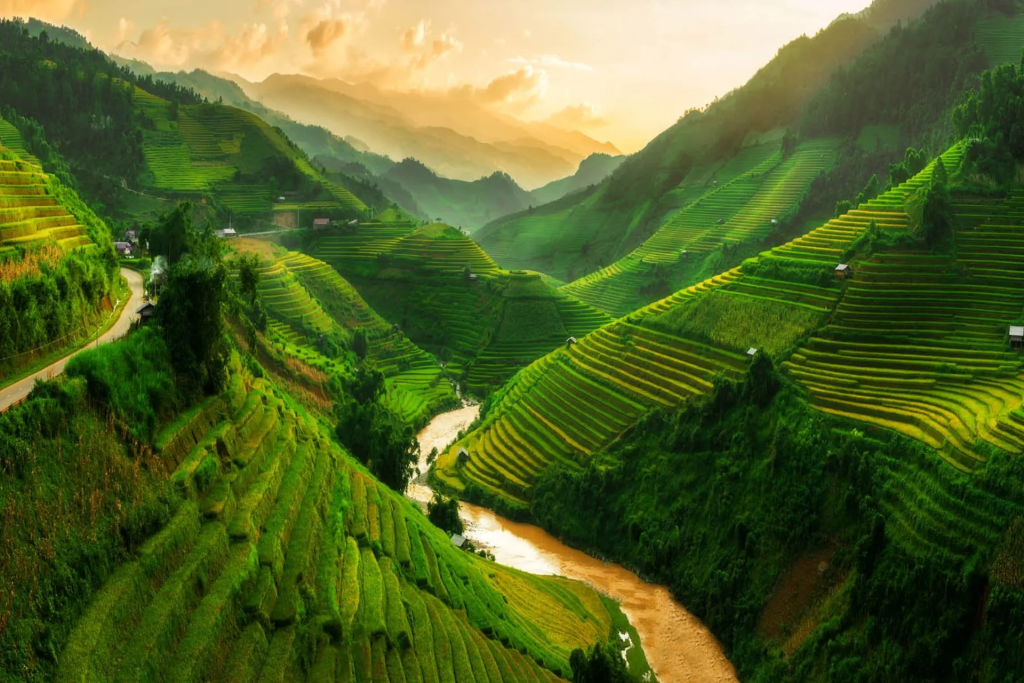
Escape the busy atmosphere of Hanoi and explore the mountains.
Escape the Busy Atmosphere of Hanoi
One of the biggest reasons travelers choose Sapa is the contrast with Hanoi. After the crowded streets and constant movement of the capital, Sapa feels quieter, cooler, and much slower in pace.
A Sapa tour from Hanoi allows travelers to:
- Experience fresh mountain air and cooler temperatures
- Enjoy peaceful landscapes away from urban traffic
- Slow down and relax in a natural environment
- Discover a different side of northern Vietnam
This change in atmosphere is often one of the most memorable parts of the journey.
Visit Fansipan Mountain – The Roof of Indochina
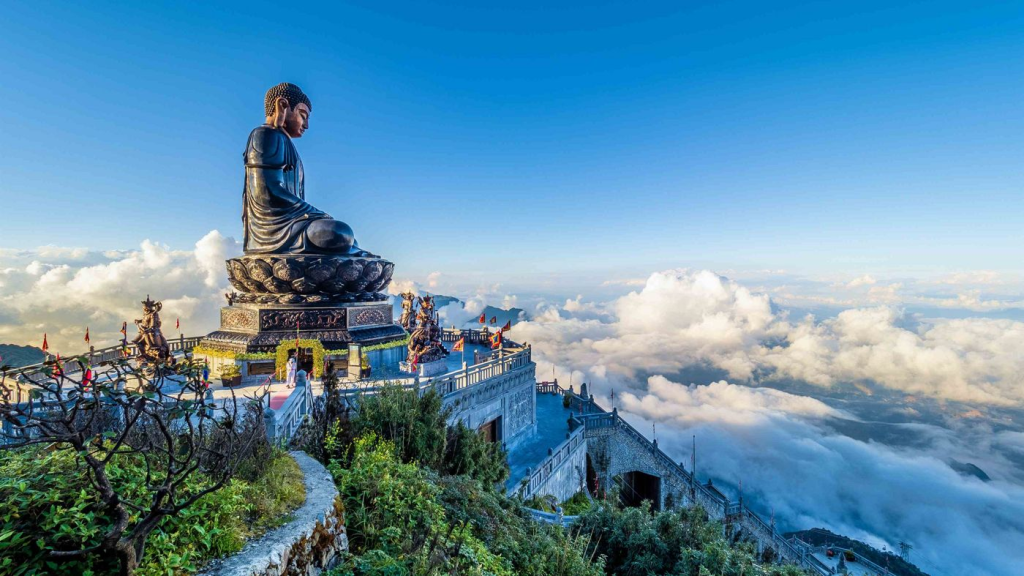
Fansipan Mountain is one of the main highlights of any Sapa trip. Standing at over 3,100 meters above sea level, it is the highest mountain in Vietnam and across the Indochina region.
Travelers visiting Fansipan can:
- Ride the famous cable car through mountain scenery and clouds
- Enjoy panoramic views from high elevations
- Explore temples and viewpoints near the summit
- Experience dramatic weather and landscapes that change throughout the day
For many visitors, reaching Fansipan Peak becomes the defining moment of a Sapa tour from Hanoi.
Experience Ethnic Minority Culture
Sapa is not only about mountains and rice terraces. The region is also home to several ethnic minority groups who continue to preserve their traditions, clothing, farming practices, and handicrafts.
During the tour, travelers may:
- Visit villages such as Cat Cat, Lao Chai, or Ta Van
- Observe traditional wooden houses and local markets
- Learn about Hmong, Dao, and Giay cultures
- See handmade textile and embroidery products
This cultural aspect gives the journey more depth than a typical sightseeing trip.
Explore Spectacular Rice Terrace Landscapes
Sapa is internationally known for its terraced rice fields that cover the mountainsides. These landscapes change throughout the year, creating different visual experiences depending on the season.
Travelers often enjoy:
- Bright green rice terraces during growing season
- Golden landscapes during harvest months
- Mist-covered valleys in cooler weather
- Scenic trekking routes through the mountains
These natural views make a Sapa tour from Hanoi ideal for photography and nature lovers.
A Combination of Adventure and Relaxation
Another advantage of Sapa is the balance between activity and relaxation. Travelers can choose between light sightseeing, trekking, cable car experiences, or simply enjoying the mountain atmosphere.
Depending on the itinerary, activities may include:
- Trekking through villages and rice terraces
- Riding the Fansipan cable car
- Visiting local cafés with panoramic views
- Exploring markets and cultural sites
- Relaxing in mountain homestays or hotels
This flexibility makes Sapa suitable for many travel styles. A Sapa tour from Hanoi offers much more than a mountain getaway. It combines spectacular scenery, cultural discovery, and a peaceful atmosphere into one journey, making it one of the most rewarding travel experiences in northern Vietnam.
2. What to Expect on a Sapa Tour from Hanoi
A Sapa tour from Hanoi combines mountain scenery, cultural exploration, and light adventure into a journey that feels very different from city travel. Depending on the itinerary, travelers may experience overnight transportation, village trekking, cable car rides, and local cultural activities within just a few days. The pace is usually slower than urban tours, allowing visitors to enjoy the atmosphere of northern Vietnam more naturally.
Travel from Hanoi to the mountains of Sapa.
The Journey from Hanoi to Sapa
The experience begins with the transfer from Hanoi to Sapa, which is already part of the adventure. Travelers can choose between overnight trains, sleeper buses, limousine vans, or private transportation.
Most travelers can expect:
- A travel time of approximately 5–6 hours by road
- Scenic mountain views during the final part of the journey
- Cooler temperatures as the route climbs into higher elevations
- A noticeable shift from urban landscapes to rural mountain scenery
Although the trip takes time, the changing scenery makes the journey itself memorable.
Fansipan Cable Car and Mountain Views
One of the highlights of a Sapa tour from Hanoi is visiting Fansipan Mountain. For most travelers, the cable car experience is the easiest and most popular way to reach the summit area.
During the visit, travelers may:
- Ride one of the world’s longest mountain cable cars
- Pass through clouds, forests, and mountain valleys
- Enjoy panoramic views of northern Vietnam
- Explore temples and viewing platforms near the summit
Weather conditions can change quickly, so some visitors experience clear blue skies while others encounter dramatic fog and clouds.
Village Visits and Cultural Experiences
Another important part of the journey is exploring ethnic minority villages around Sapa. These villages provide insight into local life and traditions that remain closely connected to the mountains.
Depending on the route, travelers may visit:
- Cat Cat Village for easy access and traditional handicrafts
- Lao Chai and Ta Van for rice terrace scenery and trekking routes
- Smaller villages with quieter and more authentic atmospheres
During these visits, travelers often observe:
- Traditional clothing and handmade textiles
- Wooden houses built along mountain slopes
- Farming activities on terraced fields
- Local markets and small community life
This cultural interaction adds depth to the overall Sapa tour from Hanoi experience.
Trekking Through Rice Terraces and Valleys
Many itineraries include short or moderate trekking activities. Walking through the valleys allows travelers to experience the landscape more directly compared to sightseeing from vehicles.
A typical trekking experience may involve:
- Walking along dirt trails and mountain paths
- Crossing streams and small bridges
- Passing through rice terraces and local farms
- Stopping at scenic viewpoints for photos and rest
The difficulty level depends on the route, but most tours are manageable for travelers with average fitness levels.
Cool Climate and Changing Weather
One of the most unique aspects of Sapa is its climate. Compared to Hanoi, temperatures are usually much cooler, especially in the early morning and evening.
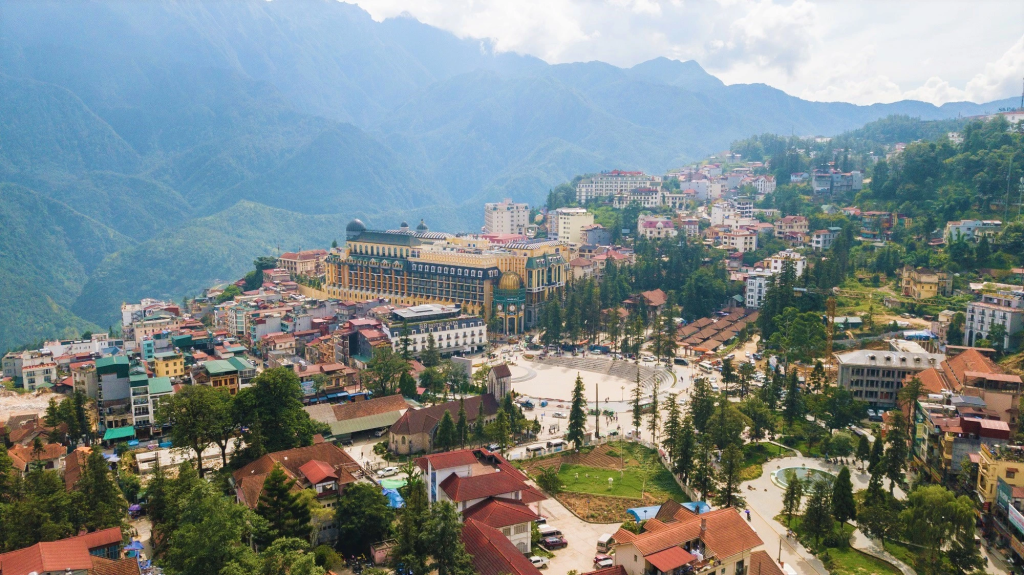
Enjoy fresh mountain air and cooler temperatures.
Travelers should expect:
- Fresh mountain air throughout the trip
- Foggy mornings and changing cloud conditions
- Cooler evenings even during warmer months
- Occasional rain depending on the season
These weather changes create the dramatic atmosphere that Sapa is known for.
A Slower and More Relaxed Travel Pace
Unlike busy city itineraries, a Sapa tour from Hanoi often feels calmer and more immersive. The mountains naturally encourage travelers to slow down and enjoy the surroundings.
Many visitors enjoy:
- Quiet mornings overlooking valleys and rice terraces
- Sitting in cafés with mountain views
- Watching clouds move across the hills
- Experiencing a slower rhythm of daily life
A Sapa tour from Hanoi offers a balanced combination of mountain scenery, cultural discovery, and light adventure. Rather than focusing only on attractions, the journey creates an atmosphere where nature, local life, and slow travel become part of the overall experience.
3. Best Places to Visit on a Sapa Tour from Hanoi
One of the reasons a Sapa tour from Hanoi is so popular is the variety of attractions and experiences available within a relatively small mountain region. From Fansipan Mountain and terraced rice fields to ethnic minority villages and local markets, Sapa offers a combination of natural beauty and cultural depth that feels very different from other destinations in Vietnam.
Fansipan Mountain – The Roof of Indochina
Fansipan Mountain is the most iconic attraction in Sapa and often the highlight of the entire trip. Standing at over 3,100 meters above sea level, it is the highest mountain in Vietnam and across the Indochina region.
Most travelers reach the summit area by cable car, where they can:
- Enjoy panoramic mountain and valley views
- Walk through clouds and changing weather conditions
- Visit temples and spiritual landmarks near the peak
- Experience cooler temperatures at higher elevations
On clear days, the views from Fansipan are among the most spectacular in northern Vietnam.
Cat Cat Village – Traditional Culture Near Sapa Town
Located only a short distance from the town center, Cat Cat Village is one of the easiest cultural destinations to visit during a Sapa tour from Hanoi.
Visitors can explore:
- Traditional Hmong houses built into the hillsides
- Small waterfalls and streams flowing through the valley
- Local handicraft shops and textile products
- Scenic walking paths surrounded by mountains
Although more developed for tourism, Cat Cat still provides a good introduction to local ethnic culture.
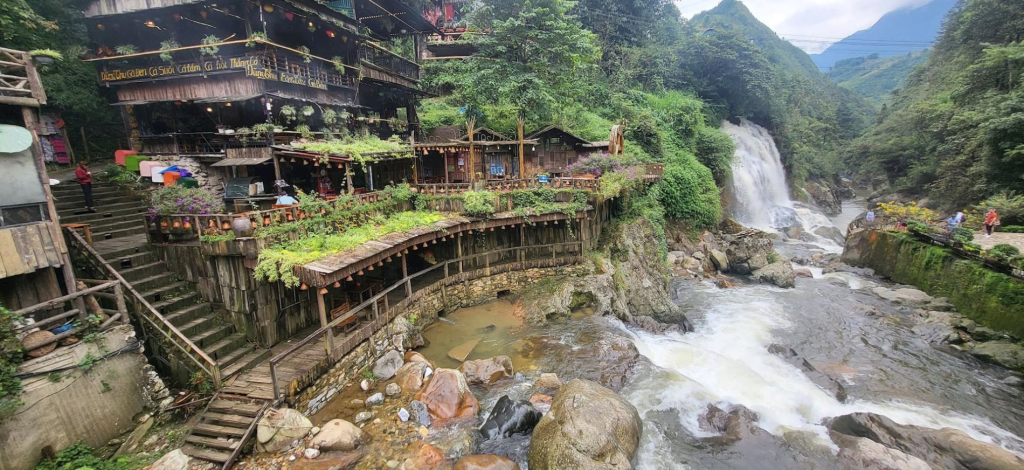
Discover traditional Hmong culture near Sapa town.
Lao Chai and Ta Van Villages – Rice Terrace Landscapes
For travelers wanting a more scenic and immersive experience, Lao Chai and Ta Van are among the most beautiful trekking areas in Sapa.
These villages are famous for:
- Expansive terraced rice fields stretching across the valleys
- Traditional farming landscapes shaped by mountain terrain
- Trekking routes with panoramic viewpoints
- Villages of the Hmong and Giay communities
The journey between Lao Chai and Ta Van is often considered one of the most memorable parts of a Sapa tour from Hanoi.
Sapa Town – Cafés, Markets, and Mountain Atmosphere
While nature is the main attraction, Sapa Town itself also has a unique atmosphere. Surrounded by mountains and cool weather, the town serves as the center for tourism and local cultural exchange.
Travelers often enjoy:
- Mountain-view cafés and restaurants
- Local markets selling textiles and handicrafts
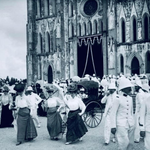
- Walking around the stone church area
- Watching fog move through the streets during cooler evenings
Sapa Town becomes especially charming in misty weather.
Ham Rong Mountain – Panoramic Views Near Town
Ham Rong Mountain is a convenient sightseeing area located close to the center of Sapa. It offers elevated viewpoints without requiring long-distance trekking.
Visitors can experience:
- Flower gardens and landscaped walking areas
- Panoramic views overlooking Sapa Town
- Mountain scenery with cloud-covered valleys
- Easier walking routes suitable for many travelers
This is a good option for travelers wanting scenic views without intensive trekking.
Local Markets and Cultural Life
Depending on the travel schedule, some itineraries also include local ethnic markets where communities from surrounding villages gather to trade goods.
Travelers may find:
- Handmade fabrics and embroidery products
- Traditional clothing from different ethnic groups
- Fresh local produce and mountain specialties
- A lively atmosphere reflecting regional culture
These markets provide another layer of cultural experience during the Sapa tour from Hanoi. A Sapa tour from Hanoi offers a diverse range of attractions that combine mountain scenery, cultural discovery, and local life. Whether visiting Fansipan Peak, trekking through rice terraces, or exploring traditional villages, travelers experience a side of Vietnam that feels peaceful, authentic, and deeply connected to nature.
4. Tips for Planning a Sapa Tour from Hanoi
Planning a Sapa tour from Hanoi carefully can help travelers enjoy the journey more comfortably and avoid common travel difficulties related to weather, transportation, and mountain conditions. Since Sapa is very different from Hanoi in both climate and terrain, preparation is especially important for a smooth and enjoyable trip.
Choose the Best Transportation Option
One of the first decisions travelers need to make is how to travel from Hanoi to Sapa. Several transportation options are available, each offering a different experience.
Popular choices include:
- Sleeper buses for convenience and affordability
- Limousine vans for faster and more comfortable road travel
- Overnight trains for a more traditional travel experience
- Private cars for flexibility and privacy
Most road journeys take around 5–6 hours, while overnight trains usually require an additional transfer from Lao Cai Station to Sapa town.
Pack Properly for Mountain Weather
Weather in Sapa changes quickly and can feel much cooler than Hanoi, especially in the morning and evening. Travelers should prepare clothing suitable for both warm daytime conditions and colder mountain temperatures.
Recommended items include:
- Light layers for daytime walking
- Warm jackets or sweaters for evenings
- Waterproof clothing or rain jackets
- Comfortable trekking shoes with good grip
- Sunscreen, sunglasses, and a hat
Fog, rain, and temperature changes are common, so flexible clothing is important during a Sapa tour from Hanoi.
Choose the Right Season for Your Travel Style
Sapa looks very different depending on the season, and each period offers a unique atmosphere.
Many travelers prefer:
- March to May for green mountains and comfortable weather
- September to October for golden rice terraces during harvest season
- Winter months for misty scenery and cooler mountain views
Rainy periods can make trekking trails muddy, while winter mornings may become very cold at higher elevations.
Prepare for Trekking and Walking
Even if the itinerary is not heavily focused on trekking, most tours still involve walking through villages, valleys, and mountain areas.
Travelers should expect:
- Uneven paths and sloped terrain
- Dirt trails through rice terraces
- Short climbs and downhill walking sections
- Several hours of walking during village visits
Choosing comfortable shoes and pacing yourself helps make the Sapa tour from Hanoi much more enjoyable.
Book Fansipan Cable Car Tickets in Advance
Fansipan Mountain is one of the most visited attractions in Sapa, especially during weekends and high travel seasons. Booking cable car tickets early can help travelers avoid long waiting times.
Before visiting Fansipan, consider:
- Checking weather forecasts for visibility conditions
- Visiting earlier in the day to avoid crowds
- Bringing warm clothing for higher elevations
- Allowing enough time for transportation and sightseeing
Clear weather significantly improves the panoramic mountain views.
Consider Staying in a Homestay
For travelers wanting a deeper cultural experience, local homestays can provide a more immersive way to explore Sapa beyond standard hotels.
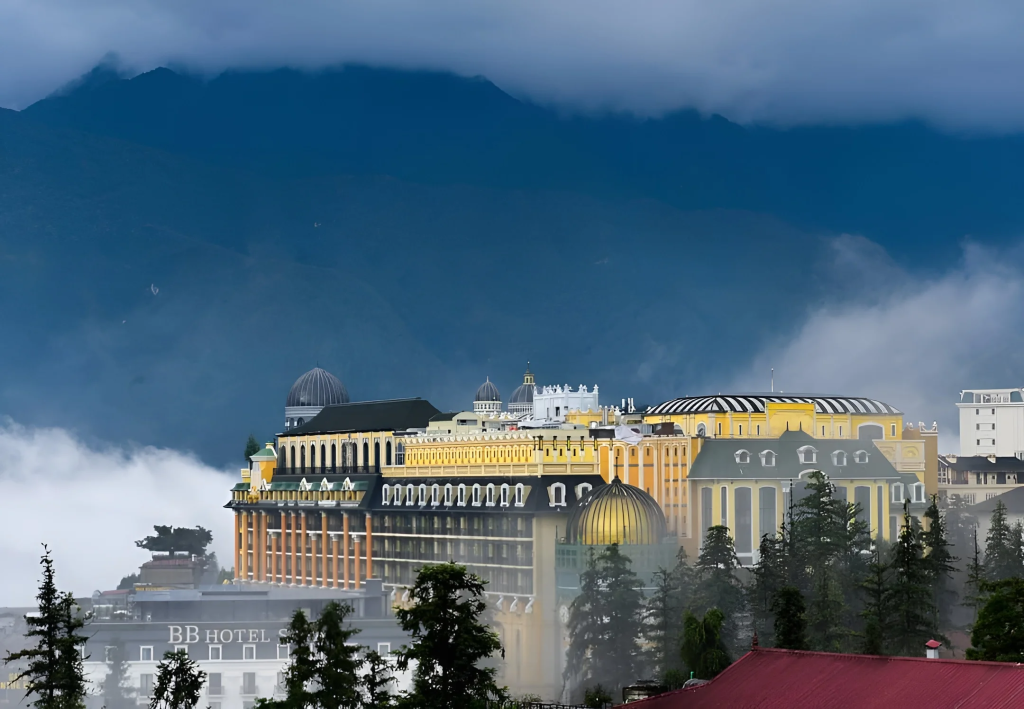
Experience local hospitality in mountain villages.
A homestay experience often includes:
- Staying in traditional-style local houses
- Enjoying homemade meals with local families
- Experiencing quieter village environments
- Learning more about ethnic minority culture and daily life
This slower and more personal atmosphere is often a highlight of the journey.
Respect Local Culture and Communities
Sapa’s villages are home to ethnic minority groups who maintain strong cultural traditions. Respectful behavior helps preserve the authenticity of the destination and creates a better experience for everyone.
Travelers should:
- Ask permission before taking photos of local people
- Avoid littering in villages and trekking areas
- Support local businesses and handmade products responsibly
- Respect private homes and community spaces
Slow Down and Enjoy the Mountain Atmosphere
One of the best parts of a Sapa tour from Hanoi is not only the attractions, but the atmosphere itself. The cool air, quiet valleys, changing fog, and slower rhythm of life create an experience very different from large cities.
Many travelers remember:
- Watching clouds move across mountain peaks
- Drinking coffee while overlooking rice terraces
- Walking quietly through small villages
- Experiencing peaceful mornings in the mountains
A Sapa tour from Hanoi is about more than sightseeing. It is an opportunity to slow down, experience mountain culture, and explore one of the most beautiful natural regions in Vietnam through a balance of adventure, scenery, and local life.
Read for more information:
- https://abite.asia/sapa-trekking-tour-explore-rice-terraces-ethnic-villages/
- https://abite.asia/sapa-tour-from-hanoi-discover-fansipan-mountain-and-local-culture/
- https://abite.asia/sapa-trekking-tour-explore-rice-terraces-and-ethnic-villages/
At Abite.asia, we specialize in curated Vietnam tours for international travelers, ensuring an authentic and hassle-free experience. Let us take care of your journey so you can fully embrace the beauty of Vietnam. Contact us today at +84363770835 to start planning your adventure!



Leave a Reply