The Kim Son Coastal Wetlands form one of Ninh Binh’s most serene natural landscapes, where mangrove forests, tidal flats, and wide horizons create a sense of boundless calm. This coastal region offers travelers a rare experience of stillness, shaped by the rhythm of the tides and the simple beauty of sea–land transitions. In this article, we explore how the wetlands were formed, why the ecosystem is unique, and what visitors can expect when stepping into this quiet world. You will also find cultural insights and practical tips to help you appreciate the wetlands’ understated charm.
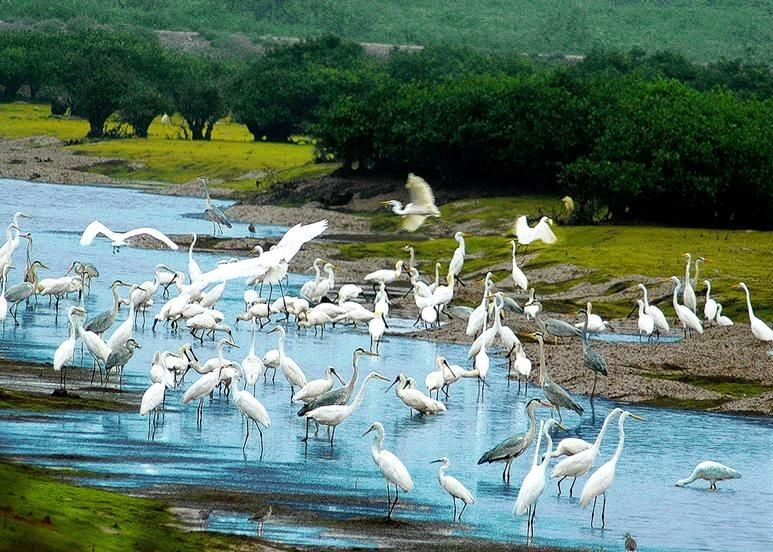
Image for illustrative purposes only. Source: Collected online.
1. Introduction to the Kim Son Coastal Wetlands
The Kim Son Coastal Wetlands represent one of northern Vietnam’s most distinctive coastal ecosystems, offering visitors a peaceful blend of nature, culture, and traditional coastal life. This opening section introduces the wetlands’ natural setting, ecological significance, and the first impressions travelers often experience when they arrive at the coast.
A Vast Coastal Landscape at the Edge of Ninh Binh
Located at the southeastern tip of Ninh Binh, the Kim Son wetlands stretch across a wide expanse of tidal flats, mangrove belts, and river mouths connected to the Ba Lat estuary. The scenery feels open and unhurried, shaped by the interplay of water, wind, and soft coastal light. As visitors approach the area, they pass salt fields, fishing villages, and long dikes that offer a quiet transition from inland countryside to coastal space.
Travelers often describe the wetlands as a place where the sky feels larger than usual. The horizon expands in every direction, and the muted color palette—gray mudflats, pale mangrove roots, soft blue sky—creates a calm and uncluttered atmosphere.
Elements that define the setting:
- Endless mudflats exposed during low tide
- Dense mangrove forests acting as natural coastal shields
- Wooden poles and clam farms scattered across the flats
- Coastal breezes carrying the scent of salt and wet earth
This distinctive landscape sets the tone for a visit centered on quiet observation and gentle immersion in nature.
A Natural Habitat Rich With Life
Although the wetlands may appear minimal at first glance, they hold surprisingly rich biodiversity. The muddy flats and mangrove roots form feeding grounds for many coastal birds. Local fishermen often work in silence, moving with the rhythm of the tides. Small boats drift along shallow channels, while children help collect clams near the shore.

Image for illustrative purposes only. Source: Collected online.
The environment supports a delicate balance between land and sea. The wetlands shift subtly throughout the day: water rises and falls, light softens and brightens, and the wind changes direction as the sun moves across the sky. These slow transformations create a living landscape that rewards patient travelers.
Wildlife and natural features visitors may notice:
- Egrets and herons feeding near the flats
- Crab trails and shell patterns across the mud
- Mangrove roots forming natural tunnels
- Salt farms glistening under the sun
The wetlands’ ecological richness makes them ideal for travelers who enjoy quiet nature-based experiences.
First Impressions of the Coastline
Upon arrival, visitors are often struck by the simplicity of the scene. There are no dramatic cliffs or towering peaks. Instead, the beauty comes from openness and rhythm. The quiet wind, the long rows of wooden stakes, and the distant silhouettes of fishermen create a scene that feels almost meditative.
Even before exploring deeper, many travelers pause to watch the tide move gently across the flats. The atmosphere feels suspended in time, offering a sense of peace that is rare in more crowded destinations.
2. Ecological Importance of the Kim Son Coastal Wetlands
The Kim Son Coastal Wetlands are not only scenic but also scientifically significant. This section highlights how the tides, mangrove forests, and coastal plants create a dynamic ecosystem that protects Ninh Binh’s shoreline and supports diverse wildlife. Travelers will gain insight into why this area is considered one of the most valuable ecological zones in northern Vietnam.
A Living System Shaped by Tides
The wetlands shift continually throughout the day. When the tide falls, vast mudflats emerge and reveal intricate textures shaped by water and wind. When the tide rises, the flats disappear under shallow waves that shimmer in the sun. These transitions give the landscape a sense of movement and life.
Scientists often describe the Kim Son coastal zone as a “breathing ecosystem.” Every tide cycle brings nutrients into the area, supporting fish, crustaceans, and coastal plants. Local fishermen rely on this natural rhythm, timing their work according to the tidal calendar.
What makes the tidal system important:
- It delivers nutrients to support marine life
- It forms feeding habitats for coastal birds
- It regulates sediment flow along the shoreline
- It shapes the daily life of fishing communities
The tide is the heartbeat of Kim Son. Without it, the wetlands would not exist in the form travelers see today.
Mangrove Forests: Nature’s Coastal Shield
Mangrove forests form one of the wetlands’ most vital features. Their tangled roots trap sediment, reduce erosion, and soften the force of waves. Over time, these forests create stable ground for plants and wildlife to thrive.
Image for illustrative purposes only. Source: Collected online.
The mangroves also act as nurseries for fish and crabs. Many species spend their early lives hidden among the roots before moving into deeper waters. Birds fly low above the treetops, often landing to hunt along the edge of the forest.
Ecological roles of mangrove forests:
- Protect coastlines from storms and rising tides
- Provide shelter for young marine species
- Support birds, insects, and small mammals
- Store carbon and contribute to climate balance
For visitors, the mangroves add depth and mystery to the landscape. Their shapes, colors, and quiet strength make them a defining element of the wetlands.
A Haven for Coastal Birds
Birdwatchers consider Kim Son a hidden paradise. The wetlands support flocks of egrets, herons, and sandpipers that glide across the flats in slow, graceful movements. The birds follow the tide, searching for food among the shallow pools and soft mud.
Early morning is the most magical time. The sky glows pink, and birds appear as silhouettes moving across the horizon. Their presence adds life to the otherwise still environment.
Bird species commonly seen:
- Great egrets and cattle egrets
- Black-winged stilts
- Herons hunting along the mangrove edge
- Migratory shorebirds during seasonal passages
This rich biodiversity helps visitors appreciate the wetlands not just as scenery but as a functioning natural system.
A Rare Coastal Ecosystem in Northern Vietnam
While other regions of Vietnam have mangrove wetlands, Kim Son stands out because of its size, its openness, and its connection to local communities. It represents a rare meeting point of ecology and culture, where natural systems and traditional livelihoods coexist.
The wetlands remind visitors that beauty does not always need dramatic landscapes. Sometimes, quiet, slow-moving ecosystems carry the deepest value.
3. Cultural Life and Local Communities
The Kim Son Coastal Wetlands are not only a natural ecosystem but also a living cultural landscape shaped by generations of coastal families. This section explores how local traditions, daily work, and community values blend with the environment, creating a deeper human connection to the wetlands.

Image for illustrative purposes only. Source: Collected online.
Traditional Coastal Livelihoods
Life in Kim Son revolves around the sea. Families have relied on clam farming, net fishing, and salt harvesting for decades. Much of the work depends on the tide, so villagers know the water’s rhythm as well as they know their own homes. Days begin early, often before sunrise, when the flats are cool and the water is low.
Small wooden boats move across the shallow channels. Nets, baskets, and bamboo poles line the riverbanks. The work looks simple, but it requires skill and experience. Many tasks are done by hand, preserving methods passed down through generations.
Common livelihoods in the wetlands:
- Clam farming on marked coastal plots
- Net fishing in tidal channels
- Salt making in large open fields
- Collecting shells and small crustaceans
The connection between people and nature feels strong and steady, shaped by patience and respect for the coast.
Faith and Coastal Traditions
Communities in Kim Son maintain deep spiritual traditions tied to the sea. Many villages have temples dedicated to local deities who protect fishermen and guide their journeys. Rituals honoring the sea are held during certain months, especially before major fishing seasons.
Families also practice small daily offerings at home. Fresh water, incense, and simple prayers express gratitude for safe tides, good harvests, and calm weather. Even visitors notice how faith quietly blends into daily life, shaping the community’s mindset and rhythm.
Spiritual elements found in the area:
- Small temples near dikes or river mouths
- Rituals to pray for safe journeys
- Offerings before fishing trips
- Festivals celebrating the sea and harvest
These customs add emotional depth to the wetlands, grounding the landscape in history and belief.
A Community Shaped by the Rhythm of Nature
Life here moves slowly. People do not rush. Their days follow the tide, and their work follows the season. Children grow up learning the patterns of the coast. Elders pass down stories about storms, abundant years, and hard years. The community feels unified by shared experience and calm endurance.
Visitors often feel welcomed by this simplicity. Locals greet travelers with quiet smiles. Fishermen may wave from their boats. Salt farmers might invite you to watch them work. The warmth is genuine. It reflects the character of the place.
Traits that define the community:
- Warm, open hospitality
- Deep respect for the sea and land
- Knowledge passed through generations
- A lifestyle built on patience and balance
The cultural life of Kim Son shows that the wetlands are more than a scenic space — they are a living home shaped by history, resilience, and human connection.
4. Scenic Highlights and Photography Spots
The Kim Son Coastal Wetlands offer an atmosphere unlike any other part of Ninh Binh. This section highlights the most striking visual moments travelers can experience — from sunrise colors on the mudflats to silhouettes of fishermen at dusk. These scenes help visitors understand why the wetlands are considered one of the province’s most photogenic coastal landscapes.
Sunrise Over the Tidal Flats
Early morning is the most magical time in Kim Son. As the sun rises, soft orange and pink tones spread across the mudflats. The wet surface acts like a mirror, reflecting the sky in wide, gentle patterns. Birds move in small groups, creating shifting shadows across the water. The scene feels quiet but alive.
Photographers often arrive before dawn to capture the moment when light meets water. Even without a camera, the atmosphere alone feels memorable — calm, bright, and full of subtle movement.
Why sunrise is special:
- Soft pastel colors across the flats
- Low-angle light perfect for reflection shots
- Birds feeding in the early tide
- Quiet surroundings with minimal crowds
This moment sets the emotional tone of the day: peaceful and full of space.
Mangrove Forest Lines and Natural Textures
The mangrove forests form striking patterns along the coast. Their roots twist into beautiful shapes, especially when exposed during low tide. As sunlight shifts through the branches, shadows create layered textures on the ground. These natural details are subtle but visually rich.
Visitors walking along the dikes often stop to admire these forms. The forest appears calm from afar, but up close it reveals complex structures — roots, mud patterns, small shells, and drifting leaves.
Photography elements in the mangroves:
- Dense root shapes forming natural frames
- Green foliage contrasting with gray mud
- Light-and-shadow patterns on the forest floor
- Close-up details of shells and small crustaceans
These textures show a quieter side of the wetlands, focusing on small beauty rather than vast horizons.

Image for illustrative purposes only. Source: Collected online.
Silhouettes at Dusk
As the day ends, the wetlands shift again. The sun sets behind the mangrove line, turning the sky deep gold and amber. The wooden stakes used for clam farming appear as long silhouettes stretching across the water. Fishermen returning from the flats become dark moving shapes against the warm sky.
This time feels peaceful and cinematic. The air cools, the tide changes, and the landscape softens into evening rhythm.
Why dusk is unforgettable here:
- Strong silhouettes against golden light
- Calm water reflecting sunset colors
- Fishermen returning from the sea
- A deep stillness settling across the coast
Read for more information:
- Thach Bich Pagoda and Cave: Discover Ninh Binh’s Hidden Sacred Sanctuary
- Hang Mua Viewpoint: Conquer Ninh Binh’s Most Breathtaking Panorama
At Abite.asia, we specialize in curated Vietnam tours for international travelers, ensuring an authentic and hassle-free experience. Let us take care of your journey so you can fully embrace the beauty of Vietnam. Contact us today at +84363770835to start planning your adventure!

Leave a Reply