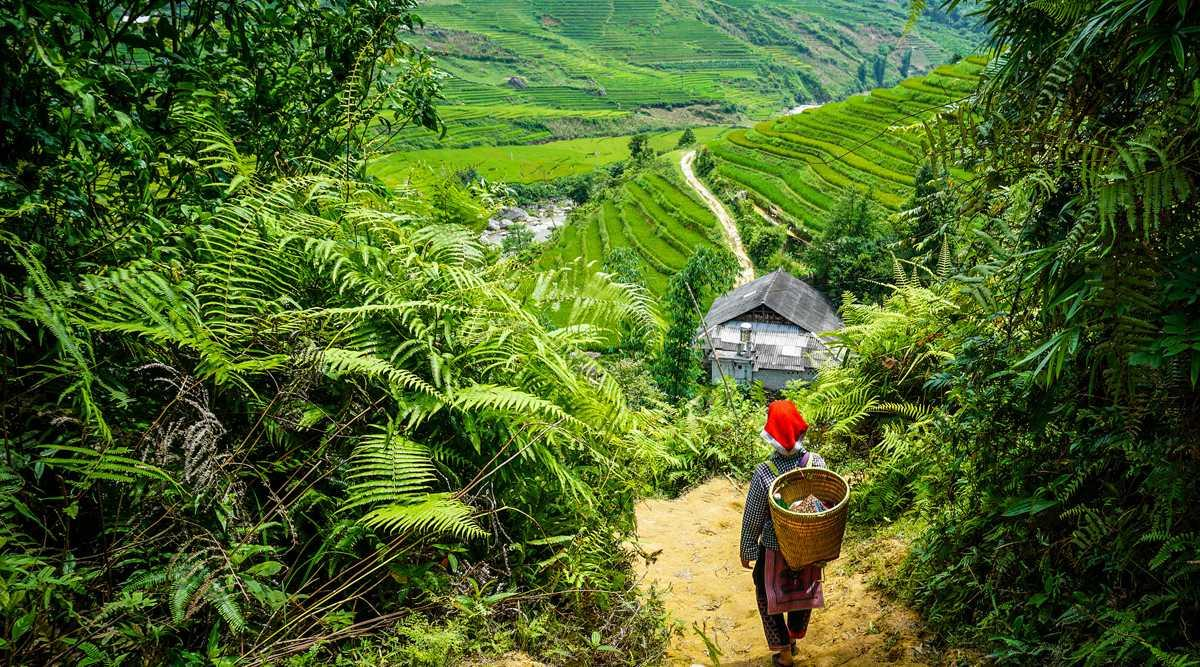
A Sapa trekking tour is one of the most immersive ways to explore northern Vietnam’s mountain landscapes. Known for its terraced rice fields, misty valleys, ethnic minority villages, and winding mountain trails, Sapa offers a travel experience that goes far beyond simple sightseeing. Instead of viewing the scenery from a distance, trekking allows travelers to walk directly through the landscapes that make this region so iconic.
Located in Lao Cai Province, Sapa is home to some of Vietnam’s most beautiful rice terraces. These fields stretch across steep hillsides and change color throughout the year, from fresh green during the growing season to golden yellow during harvest time. A well-planned Sapa trekking tour gives visitors the chance to experience these landscapes up close while moving through valleys, crossing small streams, and following quiet village paths.
Beyond nature, trekking in Sapa also brings travelers closer to local culture. The region is home to ethnic communities such as the Hmong, Dao, Tay, and Giay people, each with distinct traditions, clothing, farming practices, and handicrafts. Many trekking routes pass through villages where daily life remains closely connected to the mountains and rice fields.
For travelers who enjoy slow travel, cultural discovery, and outdoor exploration, a Sapa trekking tour offers a meaningful journey through rice terraces, traditional villages, and scenic mountain trails.
1. Why Choose a Sapa Trekking Tour
A Sapa trekking tour is ideal for travelers who want to experience the region in a deeper and more active way. While Sapa town offers beautiful viewpoints, the real charm of the area often lies beyond the main streets, where mountain paths lead into rice terraces, valleys, and ethnic villages.
Experience Rice Terraces Up Close
The rice terraces are one of Sapa’s most famous features. From a viewpoint, they look beautiful, but walking through them creates a much stronger connection to the landscape. Travelers can see how the fields are shaped into the mountainside and how local farmers work with the terrain throughout the year.
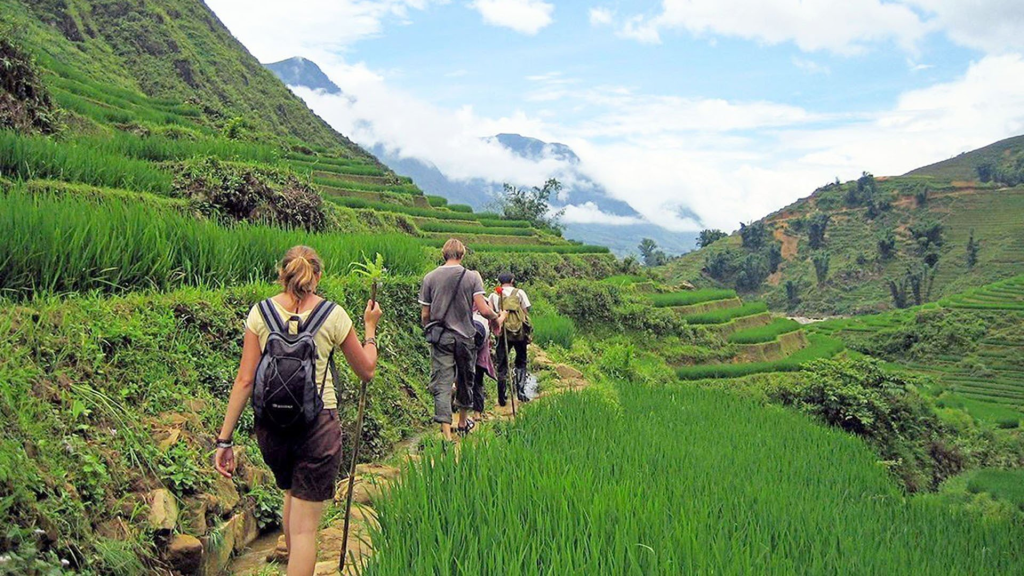
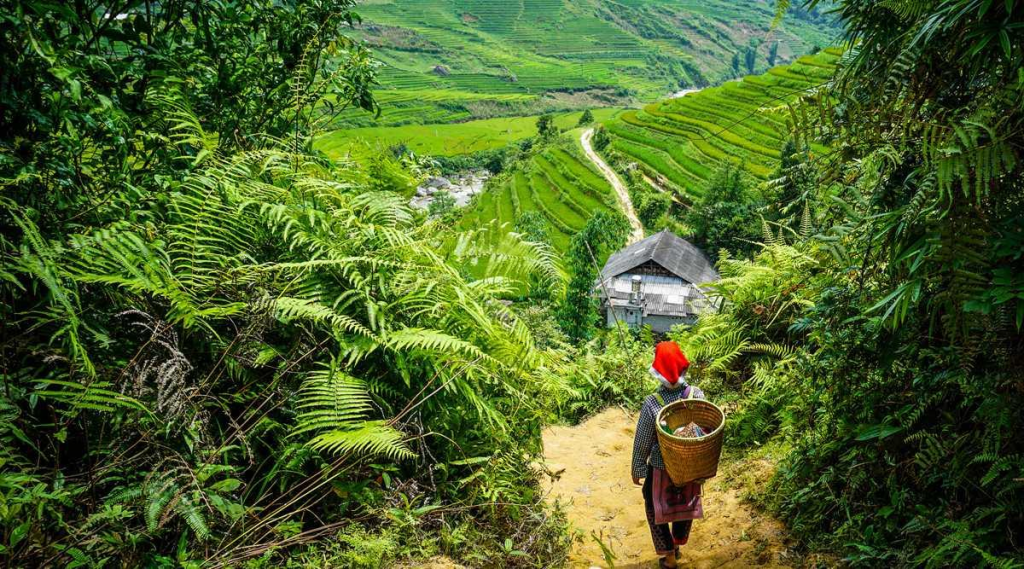
Rice Terrace Landscapes Along Sapa Mountain Trails. Picture: Internet.
During a Sapa trekking tour, visitors may enjoy:
- Narrow trails running between rice terraces
- Panoramic views across valleys and hillsides
- Seasonal colors from green fields to golden harvests
- Close observation of local farming practices
This makes the trekking experience more vivid and memorable than simple sightseeing.
Visit Ethnic Minority Villages
Sapa is not only a nature destination. It is also a cultural region where many ethnic communities continue to preserve their traditional lifestyles. Trekking routes often pass through villages such as Lao Chai, Ta Van, Y Linh Ho, Cat Cat, or Ta Phin, depending on the itinerary.
In these villages, travelers may see:
- Traditional wooden houses built along mountain slopes
- Handmade textiles, embroidery, and local crafts
- Farmers working in fields or caring for livestock
- Local markets, family homes, and village pathways
These encounters help visitors understand how local culture and mountain life are closely connected.
Explore Scenic Mountain Trails
A major highlight of any Sapa trekking tour is the trail itself. The routes may pass through valleys, bamboo forests, streams, hillsides, and quiet rural roads. Each section offers a different view and atmosphere.
Depending on the trail, travelers can experience:
- Gentle walks through open valleys
- More challenging paths with uphill and downhill sections
- Misty mountain views in the early morning
- Quiet paths away from busy tourist areas
This variety makes trekking in Sapa suitable for different travel styles, from light walkers to more adventurous hikers.
A More Authentic Travel Experience
Trekking encourages travelers to slow down and observe details that are easy to miss by car or bus. The sound of streams, the smell of mountain air, the sight of farmers working, and the rhythm of village life all become part of the journey.
Instead of rushing between attractions, a Sapa trekking tour allows visitors to experience the region naturally. This makes the trip feel more personal, immersive, and connected to local life.
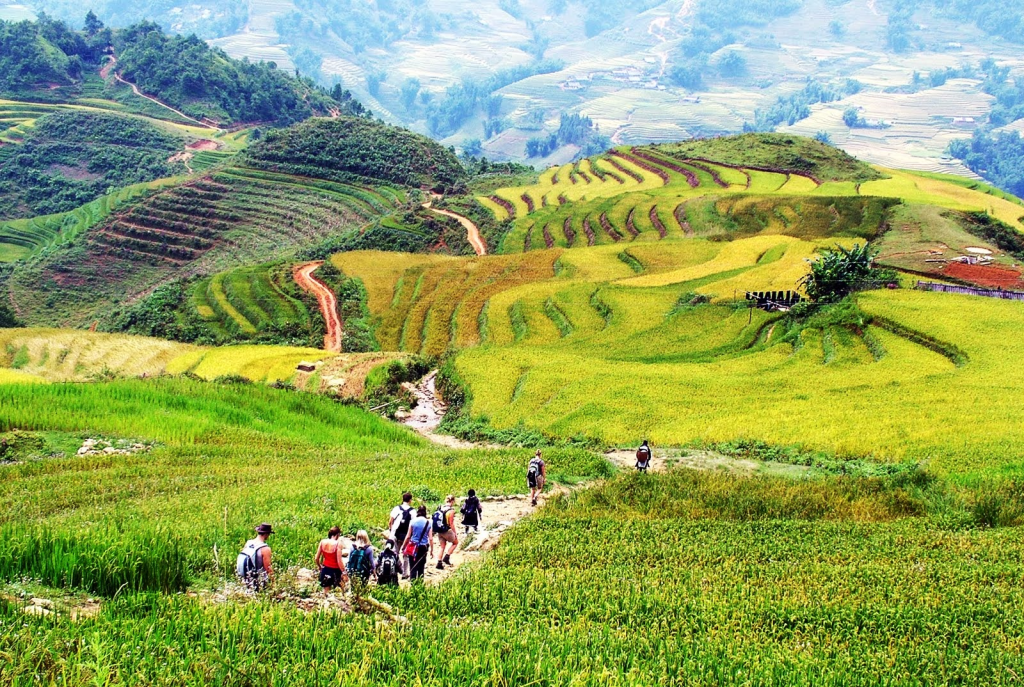
Ethnic Villages and Traditional Life in Sapa. Picture: Internet.
A Balance of Nature, Culture, and Adventure
What makes Sapa special is the combination of landscapes and people. The tour is not only about hiking, and it is not only about visiting villages. It brings both together through movement, observation, and cultural interaction.
Overall, a Sapa trekking tour is a strong choice for travelers who want more than scenic photos. It offers rice terraces, mountain trails, ethnic villages, and authentic local moments in one rewarding journey.
2. What to Expect on a Sapa Trekking Tour
A Sapa trekking tour usually combines scenic walking, village visits, cultural observation, and time in nature. Unlike a city tour with fixed landmarks, trekking in Sapa feels more fluid because the experience depends on the route, weather, season, and local life along the way. Travelers should expect a journey that is active but rewarding, with many quiet moments to enjoy the mountains, rice terraces, and rural atmosphere.
Walking Through Rice Terraces and Valleys
The main part of the tour takes place on foot. Most trekking routes lead travelers away from Sapa town and into valleys where rice terraces stretch across the hillsides. The scenery changes gradually as visitors move through different elevations, village paths, and open viewpoints.
During a Sapa trekking tour, travelers can expect:
- Dirt trails running between rice fields and mountain slopes
- Wide valley views with layered terraces
- Small streams, wooden bridges, and rural pathways
- Scenic stops for photos, rest, and quiet observation
The pace is usually moderate. Instead of rushing, the trek allows travelers to move slowly enough to appreciate the landscape and understand how people live within it.
Visiting Local Ethnic Villages
Village visits are an important part of the trekking experience. Sapa is home to several ethnic minority communities, and many routes pass through villages where traditional culture remains visible in daily life. Depending on the itinerary, travelers may visit places such as Lao Chai, Ta Van, Cat Cat, Y Linh Ho, or Ta Phin.
In these villages, visitors may observe traditional wooden houses, handmade textiles, local markets, farming activities, and family routines. These details make the Sapa trekking tour more meaningful because the journey is not only about scenery. It also introduces the cultural identity of the mountain communities.
Moderate Physical Activity
A trekking tour in Sapa is active, but it does not always have to be difficult. Many routes are suitable for travelers with average fitness levels, especially shorter village treks. However, the terrain can still include slopes, uneven paths, muddy sections, and stone steps.
Travelers should be ready for:
- Several hours of walking
- Uphill and downhill sections
- Uneven trails through fields or villages
- Slippery paths during rainy weather
- Short breaks along the route
Choosing the right route is important. Beginners may prefer easier valley walks, while more adventurous travelers can choose longer mountain trails.
Changing Weather and Mountain Conditions
Sapa’s weather can change quickly, which adds atmosphere but also requires preparation. Mornings may be misty, afternoons may become sunny, and rain can appear unexpectedly during certain seasons.
During a Sapa trekking tour, travelers may experience cool air, foggy valleys, bright sunlight, or muddy trails on the same day. This changing weather is part of Sapa’s charm, but it also means visitors should dress in layers and bring basic rain protection.
Local Guides and Cultural Insights
Most trekking tours are led by local guides who know the trails, villages, and cultural background of the area. A good guide can make the experience much richer by explaining farming practices, ethnic traditions, local customs, and the meaning behind village life.
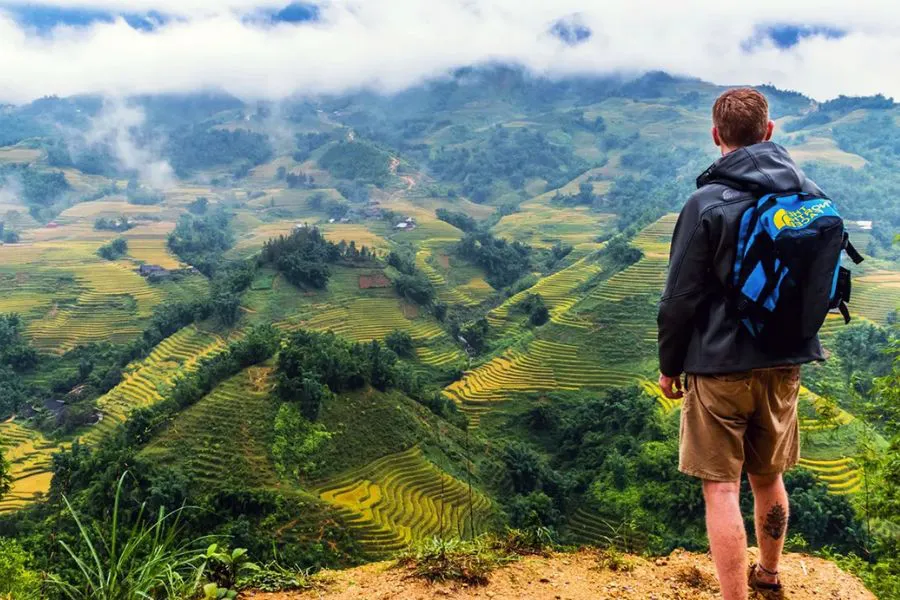
Trekking Through Valleys, Rice Fields and Rural Paths. Picture: Internet.
With a guide, travelers can better understand:
- How rice terraces are cultivated
- The differences between ethnic communities
- Local handicraft traditions
- Village customs and daily routines
- Safe routes during changing weather
This cultural explanation turns the trek from a simple walk into a deeper travel experience.
Homestay or Local Meal Experiences
Some Sapa trekking tour itineraries include lunch in a village or an overnight homestay. These experiences allow travelers to connect more closely with local life after the walking portion of the day.
A local meal may include simple home-style dishes, fresh vegetables, rice, and regional ingredients. For longer treks, staying overnight in a homestay gives visitors a chance to experience quiet evenings in the mountains, away from the busier center of Sapa town.
Overall, travelers should expect a Sapa trekking tour to be scenic, cultural, and moderately active. The experience is not only about reaching a destination, but about walking through rice terraces, meeting local communities, observing mountain life, and enjoying the slower rhythm of northern Vietnam.
3. Best Routes and Villages for a Sapa Trekking Tour
One of the most important parts of planning a Sapa trekking tour is choosing the right route. Sapa offers many trekking options, from easy village walks near town to longer mountain trails through remote valleys. Each route has its own scenery, cultural highlights, and difficulty level, so travelers should select an itinerary that matches their fitness, time, and travel style.
Cat Cat Village – Easy and Accessible
Cat Cat Village is one of the most accessible trekking routes from Sapa town. It is suitable for travelers who want a short and gentle introduction to the region without committing to a long hike. The path is relatively easy, and the village is well-developed for visitors.
During this route, travelers can experience:
- Traditional Hmong-style houses
- Small waterfalls and streams
- Local craft shops and textile displays
- Scenic mountain views close to town
Because Cat Cat is popular, it can feel more touristy than other villages. However, it remains a convenient choice for first-time visitors or those with limited time.
Lao Chai – Ta Van – Classic Rice Terrace Trek
The route from Lao Chai to Ta Van is one of the most popular choices for a Sapa trekking tour. It offers a beautiful combination of rice terraces, valley views, and ethnic minority villages. This route is often suitable for travelers who want a balanced experience with both nature and culture.
Along the way, visitors may see wide rice fields, mountain slopes, small rivers, and local homes. The trail passes through villages of the Hmong and Giay communities, giving travelers a closer look at rural life in Sapa.
This route is ideal for:
- Travelers who want classic Sapa scenery
- First-time trekkers with average fitness
- Visitors interested in village culture
- Photography lovers looking for rice terrace views
The pace is usually moderate, making it one of the best all-around trekking options.
Y Linh Ho – A Quieter Mountain Trail
For travelers who prefer fewer crowds, Y Linh Ho offers a quieter and more natural trekking experience. The route often includes narrow paths, hillside views, and peaceful village scenery. Compared to Cat Cat or central village routes, this area feels more remote and less commercial.
A trek through Y Linh Ho may include:
- Steeper trails and more uneven terrain
- Beautiful valley views with fewer visitors
- Traditional houses surrounded by rice fields
- A stronger sense of rural mountain life
This route is better for travelers who are comfortable with moderate walking and want a more authentic atmosphere during their Sapa trekking tour.
Ta Phin Village – Culture and Countryside
Ta Phin Village is another meaningful stop, especially for travelers interested in the Red Dao community. The area is known for traditional herbal bath practices, handmade textiles, and a peaceful countryside setting.
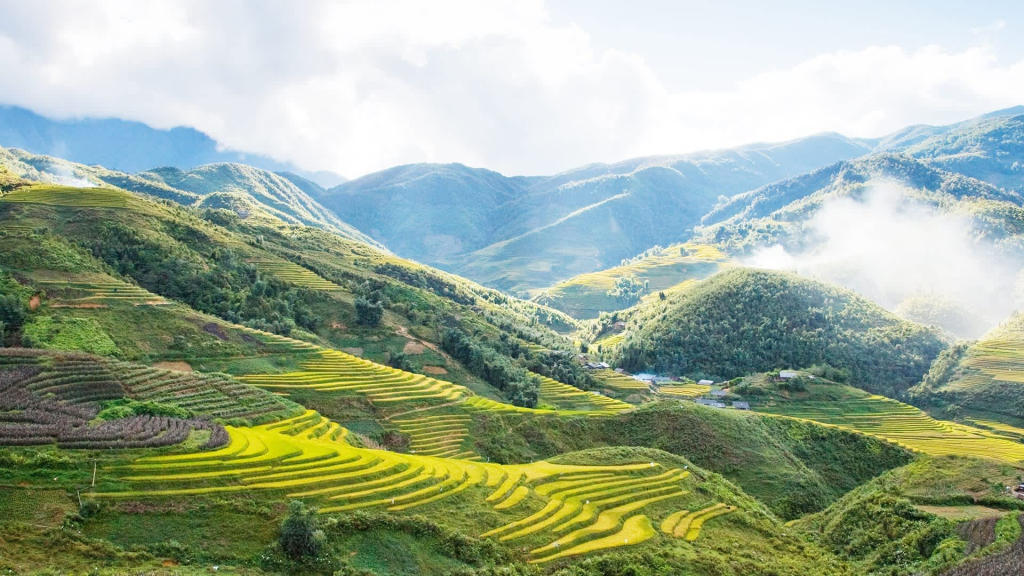
Scenic Trekking Routes Across Sapa Rice Terraces. Picture: Internet.
Visitors may experience:
- Red Dao cultural traditions
- Local embroidery and handicrafts
- Quiet village roads and mountain views
- A slower atmosphere compared to busier routes
Ta Phin is a good choice for travelers who want culture, scenery, and a less intense trekking experience.
Fansipan Trails – For Adventurous Trekkers
For more experienced hikers, trekking around Fansipan offers a more challenging adventure. Fansipan is the highest mountain in Vietnam, and trekking routes here require stronger fitness, proper preparation, and often a professional guide.
This option may include:
- Steep mountain paths
- Forest trails and changing vegetation
- Cooler temperatures at higher elevations
- A stronger physical challenge than village treks
Fansipan trekking is not necessary for every traveler, but it is ideal for those who want a more demanding mountain experience.
How to Choose the Right Route
The best route depends on your time, fitness, and preferred travel mood. Easier routes such as Cat Cat are suitable for short visits, while Lao Chai – Ta Van offers the most classic combination of rice terraces and village life. Y Linh Ho and Ta Phin are better for travelers seeking quieter experiences, while Fansipan trails suit more adventurous hikers.
Overall, the variety of routes is what makes a Sapa trekking tour so rewarding. Whether travelers choose a short village walk or a longer mountain trail, each route reveals a different side of Sapa’s rice terraces, ethnic culture, and natural beauty.
4. Tips for Planning a Sapa Trekking Tour
A Sapa trekking tour becomes much more enjoyable when travelers prepare for the region’s terrain, weather, and cultural environment. Unlike a simple sightseeing trip, trekking involves walking through mountain trails, rice terraces, and local villages, so planning ahead helps visitors stay comfortable while fully enjoying the journey.
Choose the Right Trekking Season
Sapa changes beautifully throughout the year, and the best time to visit depends on the scenery travelers want to experience. Spring and autumn are often the most comfortable seasons because the weather is mild and visibility is usually better.
Travelers may consider:
- March to May for green landscapes and pleasant temperatures
- June to August for lush rice terraces, though rain is more common
- September to October for golden rice fields during harvest season
- November to February for misty mountain views and cooler weather
Choosing the right season helps shape the overall mood of the Sapa trekking tour.
Wear Proper Shoes and Comfortable Clothing
Good footwear is essential because trekking routes may include dirt paths, stone steps, muddy sections, and uneven slopes. Even easier village walks can become slippery after rain, so travelers should avoid sandals or shoes with poor grip.
Preparing for a Comfortable Sapa Trekking Tour. Picture: Internet.
Recommended items include:
- Trekking shoes or comfortable walking shoes
- Light, breathable clothing for daytime walking
- A warm layer for early mornings or evenings
- Raincoat or waterproof jacket during wet months
- Hat, sunglasses, and sunscreen for sunny days
Comfortable clothing allows travelers to move easily while adapting to changing mountain weather.
Select a Route That Matches Your Fitness Level
Not every trekking route in Sapa has the same difficulty. Some trails are short and beginner-friendly, while others require stronger fitness and more preparation. Choosing the right route helps avoid fatigue and makes the journey more enjoyable.
Beginners may prefer Cat Cat Village or shorter Lao Chai routes. Travelers with average fitness can choose Lao Chai – Ta Van or Ta Phin. More adventurous hikers may consider Y Linh Ho or Fansipan-related trails, where the terrain can be steeper and more challenging.
A good Sapa trekking tour should match both travel goals and physical comfort.
Travel with a Local Guide
A local guide can make the trekking experience safer, smoother, and more meaningful. Since some trails pass through villages, fields, and mountain paths without clear signs, guidance is especially useful for first-time visitors.
A knowledgeable guide can help travelers:
- Navigate the safest and most scenic routes
- Understand local customs and village life
- Communicate better with local communities
- Learn about rice farming, handicrafts, and ethnic traditions
- Adjust the route if weather conditions change
This support adds cultural depth to the journey.
Pack Light but Bring Essentials
Since trekking involves several hours of walking, travelers should avoid carrying heavy bags. A small daypack with necessary items is usually enough.
Useful items include:
- Water and light snacks
- Phone or camera for photos
- Power bank
- Personal medication
- Cash for village purchases or local crafts
- Extra socks if the trail may be wet
Packing light keeps the Sapa trekking tour comfortable and practical.
Respect Local Villages and Traditions
Sapa’s trekking routes pass through real communities, not staged attractions. Visitors should behave respectfully when entering villages, taking photos, or interacting with residents.
Travelers should remember to:
- Ask before photographing local people
- Avoid entering private homes without permission
- Support local crafts responsibly
- Keep noise levels low in quiet village areas
- Avoid littering on trails and in communities
These small actions help protect the cultural value of the destination.
Slow Down and Enjoy the Journey
The best part of a Sapa trekking tour is not only reaching a viewpoint or village. It is the process of walking through misty valleys, listening to mountain sounds, watching farmers work in the fields, and seeing local life unfold naturally along the way.
Travelers should leave space for quiet moments, photo stops, and simple conversations. With good preparation and an open mindset, a Sapa trekking journey becomes more than an outdoor activity. It becomes a meaningful experience of nature, culture, and slow travel in northern Vietnam.
Read for more information:
- https://abite.asia/sapa-tour-from-hanoi-fansipan-mountain-local-culture-guide/
- https://abite.asia/sapa-trekking-tour-explore-rice-terraces-ethnic-villages/
At Abite.asia, we specialize in curated Vietnam tours for international travelers, ensuring an authentic and hassle-free experience. Let us take care of your journey so you can fully embrace the beauty of Vietnam. Contact us today at +84363770835 to start planning your adventure!


Leave a Reply