If you have a sweet tooth and are exploring Vietnam’s capital, Hanoi is a treasure trove of local delicacies. From time-honored traditional sweets to modern café-style desserts, Hanoi sweet food culture offers something for everyone. Whether you love something warm and comforting or cool and refreshing, this guide will help you discover the best Hanoi sweet dishes and exactly where to find them. Read on for a complete list of must-try treats and hidden dessert spots across the city.
Why You Should Explore Hanoi’s Dessert Scene
Hanoi sweet food is more than just a way to end a meal—it’s a cultural journey through Vietnam’s rich history, creativity, and sense of community. Unlike the heavily processed desserts found in many modern cities, sweets in Hanoi are often made fresh, using natural, local ingredients like mung beans, coconut milk, black sesame, glutinous rice, and tropical fruits. These ingredients are not only flavorful but also reflect the agricultural backbone of Northern Vietnam.
Sweet food plays an essential role in social gatherings and seasonal celebrations. For example, chè varieties are a staple during summer months to cool down, while bánh trôi tàu and tàu phớ warm the soul during Hanoi’s chilly winters. Each dessert has a story. Many have been passed down through generations, evolving in small home kitchens or thriving in narrow street-side stalls. This gives Hanoi sweet food a charming blend of tradition and innovation that appeals to both locals and curious travelers.
In recent years, modern dessert cafés and pastry shops have emerged, blending Vietnamese heritage with global flavors and stylish presentation. These fusion desserts are drawing a younger crowd and giving classic sweets a fresh spotlight. Whether you prefer wandering through Old Quarter alleyways for chè served in tiny plastic bowls or sipping on matcha cheesecake lattes in an art-inspired café, Hanoi has a sweet destination for every kind of explorer.
Exploring the dessert scene also supports small, family-owned businesses and helps preserve unique culinary traditions that might otherwise fade away. So, whether you’re in it for the sugar rush, the cultural experience, or the Instagrammable moment, Hanoi sweet food is an unforgettable part of your Vietnam journey.
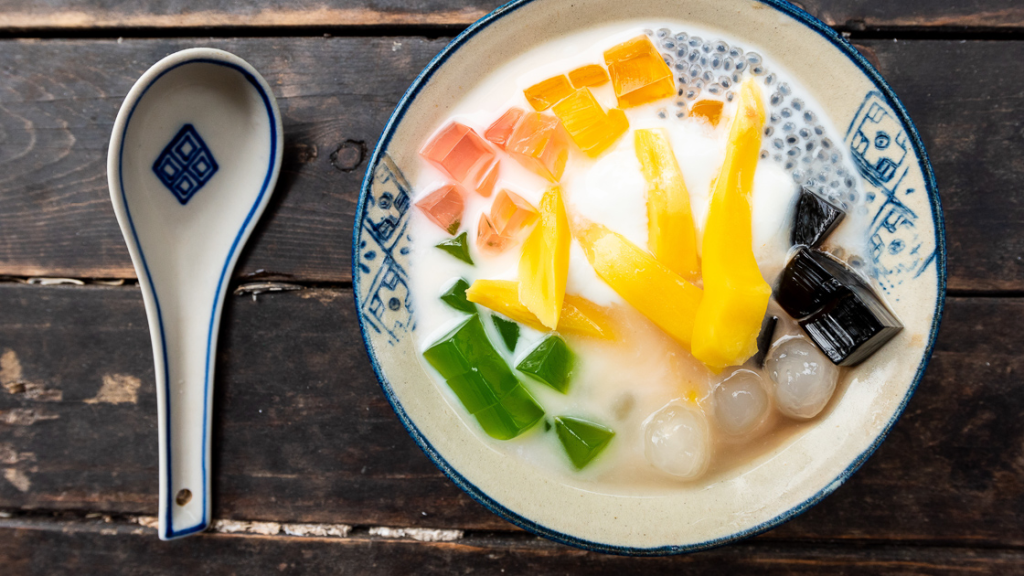
Image for illustrative purposes only. Source: Collected online.
Traditional Vietnamese Desserts You Can’t Miss
Traditional Hanoi sweet food offers a unique glimpse into Vietnamese culinary heritage. These desserts, often simple in ingredients but rich in flavor, are rooted in both family traditions and regional influences. Many have been enjoyed for centuries and are still beloved today—not just for their taste but for the emotions and memories they evoke. Below are some must-try classics that represent the very soul of Hanoi’s dessert scene.
Chè Thập Cẩm (Vietnamese Mixed Sweet Soup)
Chè Thập Cẩm is the ultimate symbol of Vietnamese-style dessert creativity. It’s a vibrant, multi-layered treat made with an assortment of ingredients like red beans, mung beans, tapioca pearls, jelly strips, lotus seeds, and sweetened coconut milk. Everything is layered in a tall glass or bowl and topped with crushed ice. The combination of textures—chewy, creamy, crunchy, and smooth—makes every spoonful exciting.
- Why It’s Special: It’s customizable and reflects the diversity of regional chè variations across Vietnam.
- Cultural Note: Locals often enjoy chè in the late afternoon as a light, energizing refreshment before dinner.
Chè Bưởi (Pomelo Sweet Soup)
At first glance, chè bưởi might sound unusual—sweet soup made from pomelo rind? But the result is surprisingly refreshing and fragrant. The pomelo rind is carefully processed to remove bitterness, then cooked with mung beans and sugar until it becomes translucent and chewy. The entire mixture is topped with rich coconut cream.
- Why It’s Special: Balances tart citrus with sweet creaminess, a truly Vietnamese contrast in flavors.
- Health Note: Pomelo is high in antioxidants and vitamins, making this dessert light and somewhat guilt-free.
Chè Chuối (Banana in Coconut Milk)
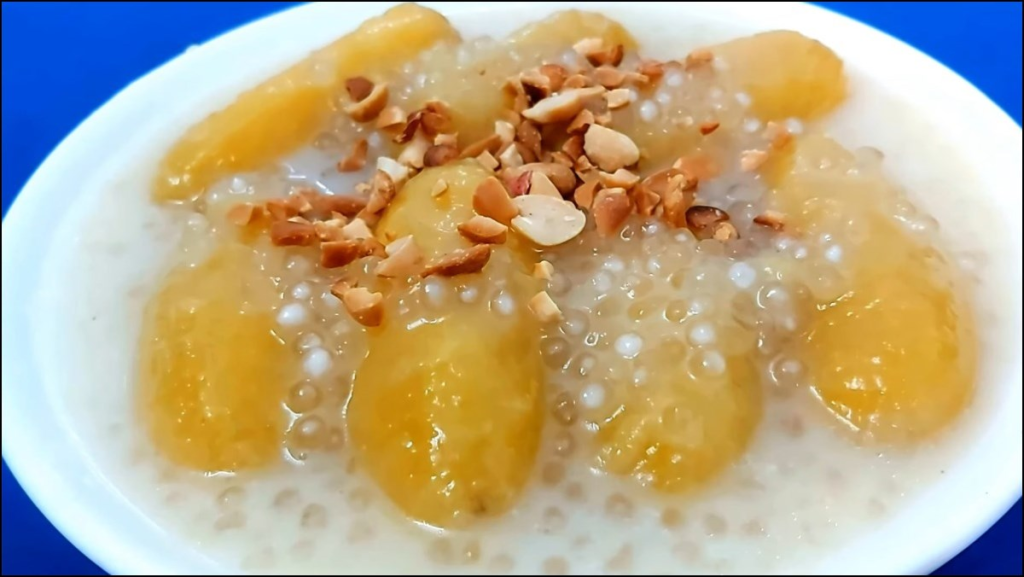
Image for illustrative purposes only. Source: Collected online.
Warm, creamy, and comforting, chè chuối is one of the most nostalgic desserts for Hanoians. It features ripe bananas slow-cooked with tapioca pearls in sweet coconut milk, sometimes enhanced with a pinch of salt and roasted peanuts on top for a crunchy finish.
- Why It’s Special: Combines warmth, softness, and rich tropical flavors in one bite.
- Best Time to Eat: Ideal for cooler evenings or as a sweet finish to a home-cooked Vietnamese meal.
Tàu Phớ (Tofu Pudding with Ginger Syrup)
Tàu phớ is the Vietnamese version of soft tofu pudding, traditionally served with a warm ginger syrup and sometimes tapioca pearls or coconut milk. The tofu is so smooth it melts in your mouth, while the ginger syrup provides a warming contrast that soothes the senses.
- Why It’s Special: It’s incredibly light and easy to digest, perfect for all ages.
- Cultural Insight: Often sold by street vendors on bicycles, tàu phớ is not just a dessert—it’s a symbol of Hanoi’s humble street food tradition.
Bánh Trôi Tàu (Sticky Rice Dumplings in Ginger Syrup)
One of the most iconic Hanoi sweet food dishes for cold weather, bánh trôi tàu consists of two glutinous rice dumplings filled with mung bean paste or black sesame. They’re served in a bowl of hot, fragrant ginger syrup and sometimes sprinkled with sesame seeds or coconut cream.
- Why It’s Special: It’s soft, chewy, and warming—ideal for Hanoi’s winter months.
- Festive Role: Traditionally eaten during the Lunar New Year and Tết Hàn Thực (Cold Food Festival), making it a dish filled with cultural significance.

Image for illustrative purposes only. Source: Collected online.
Bánh Chưng Ngọt (Sweet Square Sticky Rice Cake)
Although bánh chưng is mostly known as a savory dish for Lunar New Year, some versions include a sweet mung bean filling, offering a milder and more dessert-like experience. It’s wrapped in green lá dong leaves and steamed for hours, giving the rice a unique earthy aroma.
- Why It’s Special: It bridges the line between savory and sweet, highlighting the versatility of sticky rice in Vietnamese cuisine.
- Where to Find: Often homemade or sold during traditional festivals, but some specialty shops offer it year-round.
Xôi Ngọt (Sweet Sticky Rice)
Xôi ngọt refers to a range of sweet sticky rice dishes, usually dyed naturally using pandan leaves, magenta plant, or gac fruit. It’s often topped with shredded coconut, ground roasted peanuts, or sugar. Some popular types include xôi gấc (bright red rice), xôi lá cẩm (purple rice), and xôi vò (mung bean-coated sticky rice).
- Why It’s Special: Each type has a symbolic meaning—red for good luck, yellow for wealth.
- Best Pairing: Often eaten as breakfast or a snack rather than post-meal dessert.
Bánh Tro (Ash Sticky Rice Cake)
Bánh tro is a clear, jelly-like rice cake made using glutinous rice soaked in ash water, then wrapped in banana leaves and steamed. It’s served cold with sweet syrup or honey.
- Why It’s Special: Offers a refreshing, light taste unlike most other sticky rice-based desserts.
- Cultural Fun Fact: Traditionally made during the Đoan Ngọ Festival (Mid-Year Festival), believed to help detoxify the body.
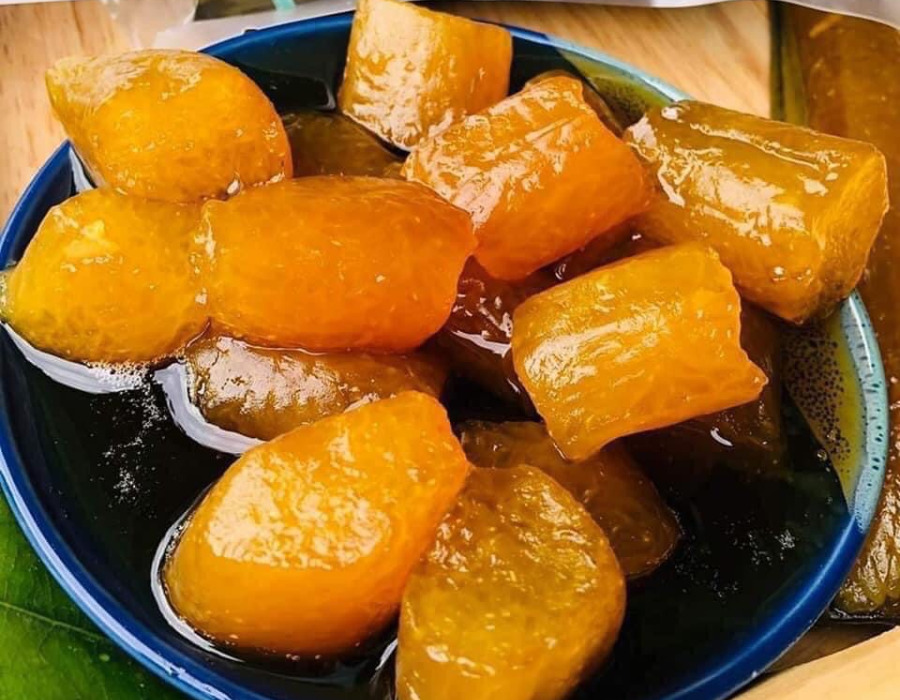
Image for illustrative purposes only. Source: Collected online.
Modern & Fusion Sweet Delights
In recent years, Hanoi has embraced fusion desserts and modern cafes. These newer creations combine Vietnamese ingredients with global styles, offering exciting new options for those seeking variety.
Kem Tràng Tiền (Trang Tien Ice Cream)
Perhaps the most iconic Hanoi ice cream, Kem Tràng Tiền has been around since 1958. The flavors are unique – think young sticky rice (cốm), taro, and coconut – all served on a crispy wafer stick.
- Where to Try: Kem Tràng Tiền – 35 Tràng Tiền, Hoàn Kiếm. It’s a cultural symbol for locals and a top stop for visitors.
Kem Xôi (Sticky Rice Ice Cream)
This fun, modern dessert features creamy ice cream served over sticky rice and topped with shredded coconut and roasted peanuts. The combination of hot and cold textures is addictive.
- Where to Try: Kem Xôi Hàng Than – 95 Hàng Bạc, Hoàn Kiếm. A popular destination for trying Hanoi ice cream with a twist.
Egg Coffee (Cà Phê Trứng)
Though technically a drink, egg coffee is thick and sweet enough to qualify as dessert. It features robust Vietnamese coffee topped with a frothy mix of egg yolk, sugar, and condensed milk.
- Where to Try: Giảng Café – 39 Nguyễn Hữu Huân. The birthplace of this legendary Hanoi sweet food item.
Best Dessert Cafés & Sweet Spots in Hanoi
Beyond individual dishes, there are dessert cafés in Hanoi that bring together great ambiance and delicious treats. Whether you’re working remotely or catching up with friends, these are the best places to enjoy Hanoi sweet food in a relaxed setting.
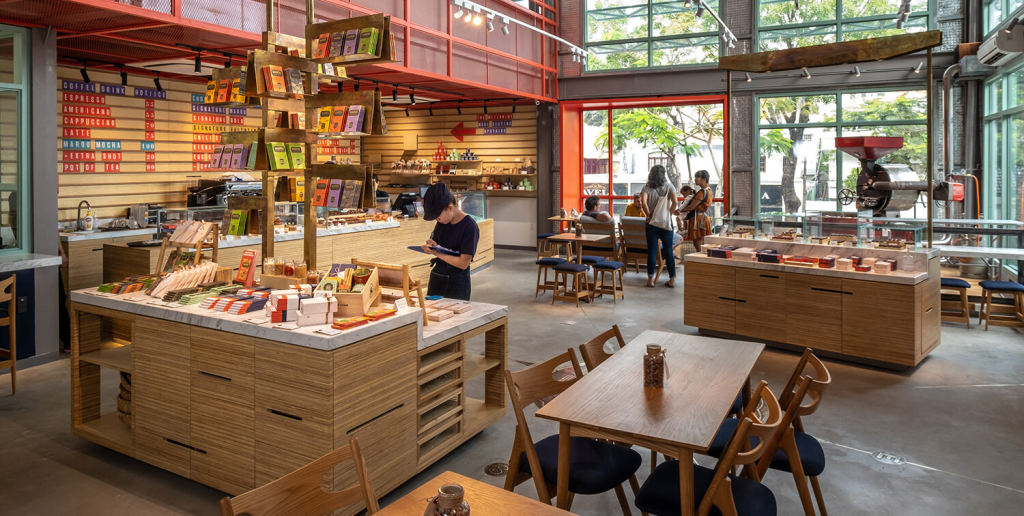
Image for illustrative purposes only. Source: Collected online.
Maison Marou
A premium chocolate café started by the famous Vietnamese chocolate brand. You’ll find pastries, mousses, hot chocolate, and chocolate tarts – all made from locally sourced cacao.
- Address: 91A Thợ Nhuộm, Hoàn Kiếm. Perfect for dessert lovers with a gourmet palate.
Little Bowl
This cozy café offers both Vietnamese and Western-style sweets. From chè to tiramisu and matcha panna cotta, Little Bowl bridges the old and new effortlessly.
- Address: 46 P. Lãn Ông, Hàng Bồ, Hoàn Kiếm, Hà Nội.
S’Patisserie
For those seeking a European touch, S’Patisserie serves French-style pastries and sweets with a Vietnamese flair. Bonus: their lake-view location makes for a perfect Instagram moment.
- Address: 17 P. Hàng Khay, Tràng Tiền, Hoàn Kiếm, Hà Nội
Lutulata Desserts & Drinks
This nostalgic spot feels like stepping into a vintage Hanoi home. It’s a great place to enjoy chè, bánh đúc ngọt, and other classic treats.
- Address: 39 Hàng Cót, Hoàn Kiếm. A great stop for traditional Hanoi sweet food.
From colorful bowls of chè to creamy egg coffee and iconic Hanoi ice cream, the sweet food scene in Vietnam’s capital is vibrant, varied, and absolutely worth exploring. Whether you’re diving into traditional dishes that have stood the test of time or sampling innovative fusions in modern cafés, Hanoi sweet food delivers flavor, culture, and comfort in every bite.
At Abite.asia, we specialize in curated Vietnam tours for international travelers, ensuring an authentic and hassle-free experience. Let us take care of your journey so you can fully embrace the beauty of Vietnam. Contact us today at +84363770835 to start planning your adventure!






Leave a Reply