Vu Lan Festival Vietnam is one of the most meaningful Buddhist and cultural traditions in the country. Often described as a season of gratitude, Vu Lan is a time when Vietnamese people remember their parents, honor their ancestors, and reflect on the value of family bonds.
For many visitors, Vu Lan is not only a religious occasion, but also a window into Vietnamese values. The festival shows how deeply filial piety, compassion, remembrance, and respect for parents are connected to daily life and spiritual culture in Vietnam.
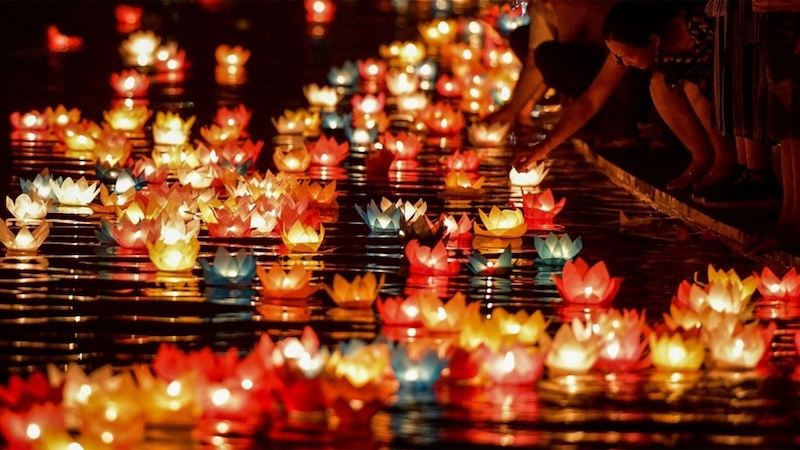
Vu Lan Festival in Vietnam – a season of gratitude and remembrance. Picture: Internet.
During Vu Lan Festival Vietnam, travelers may see people visiting pagodas, offering prayers, preparing vegetarian meals, giving charity, or wearing symbolic roses to express love and remembrance. These simple acts make the festival a gentle yet powerful tradition, helping visitors understand the emotional and cultural depth behind Vietnamese gratitude.
1. The Origin and Meaning of Vu Lan Festival Vietnam
Vu Lan Festival Vietnam is deeply rooted in Buddhist tradition, but over time it has become much more than a religious event. Today, it is widely understood as a season of gratitude, remembrance, and filial love, when Vietnamese people reflect on the kindness of their parents, grandparents, ancestors, and those who have cared for them throughout life.
The Buddhist Origin of Vu Lan
The origin of Vu Lan is often connected with the story of Muc Kien Lien, one of the Buddha’s great disciples. According to Buddhist tradition, Muc Kien Lien wanted to save his mother after seeing her suffering in the afterlife. However, he could not help her by his own power alone, so he asked the Buddha for guidance.
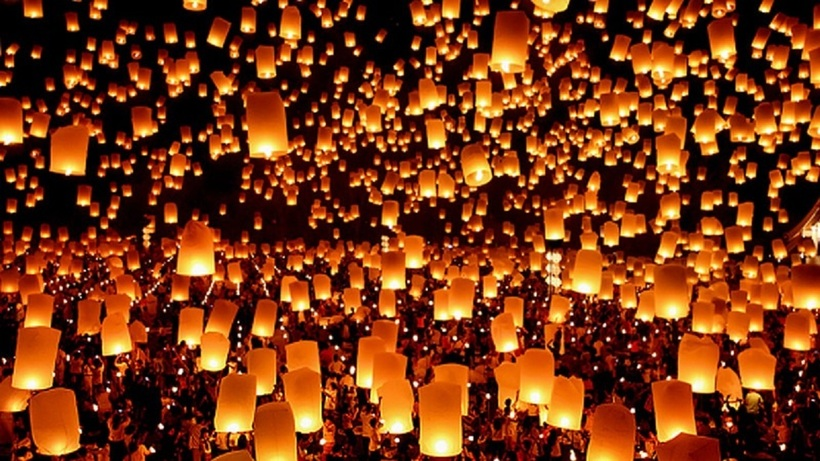
The story of Muc Kien Lien and the origin of Vu Lan Festival. Picture: Internet.
The Buddha taught him to make offerings to the monks and perform good deeds with sincere compassion. Through this act of devotion, Muc Kien Lien was able to help his mother, and the story became a symbol of filial piety in Buddhist culture.
For Vietnamese people, this story is meaningful because it shows that love for parents does not end with daily care. It also includes remembrance, prayer, moral living, and the wish to repay the kindness that parents have given.
From Buddhist Ceremony to Vietnamese Tradition
When Vu Lan became part of Vietnamese culture, it gradually developed into a wider tradition of gratitude. Although the festival still takes place mainly in pagodas, its message is not limited to Buddhist followers. Many Vietnamese families see Vu Lan as a time to think about their parents, remember their ancestors, and live with more kindness.
This is why Vu Lan Festival Vietnam feels both spiritual and emotional. Some people visit pagodas to pray, while others prepare vegetarian meals, offer incense at home, or simply spend more time with their parents. These actions may look simple, but they carry a deep meaning of respect and remembrance.
2. Common Traditions During Vu Lan Festival Vietnam
During Vu Lan Festival Vietnam, many traditions focus on gratitude, remembrance, and compassion. The festival is not usually celebrated with loud street parades or entertainment activities, but through quiet rituals, family moments, pagoda visits, and acts of kindness.
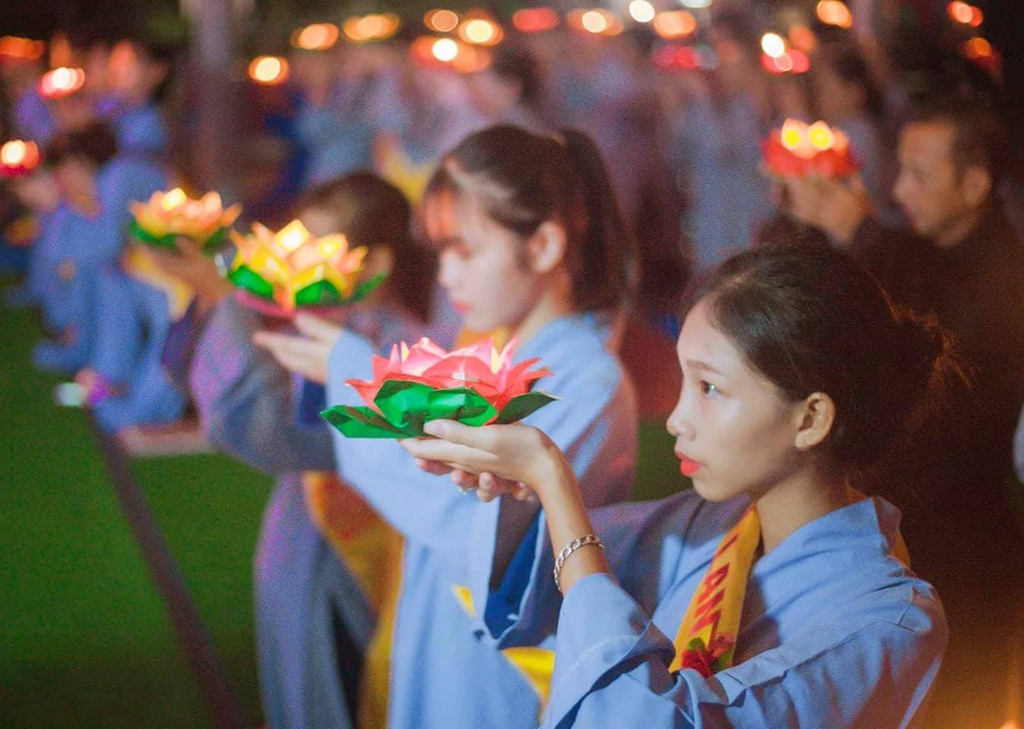
Traditional rituals during Vu Lan Festival in Vietnam. Picture: Internet.
For foreign travelers, these traditions can offer a meaningful look into Vietnamese spiritual life. By observing them respectfully, visitors can better understand how Vietnamese people express love for their parents, honor ancestors, and connect family values with Buddhist teachings.
Visiting Pagodas to Pray for Parents and Ancestors
One of the most common traditions during Vu Lan is visiting pagodas. Many people go to temples to pray for their living parents, remember those who have passed away, and send peaceful wishes to their ancestors.
Inside pagodas, visitors may see people lighting incense, offering flowers, listening to Buddhist teachings, or joining ceremonies led by monks. These activities create a calm and emotional atmosphere, especially because many people come with personal memories and deep feelings of gratitude.
Travelers may notice several common activities at pagodas during Vu Lan:
- Offering incense and flowers
- Praying for parents and ancestors
- Listening to Buddhist talks about filial piety
- Joining chanting ceremonies
- Making donations to the pagoda or charity programs
- Wearing symbolic roses during special ceremonies
These rituals are simple but meaningful. They show that Vu Lan Festival Vietnam is not only about religious practice, but also about remembering love, sacrifice, and family connection.
The Rose Ceremony
The rose ceremony is one of the most touching parts of Vu Lan. During this ceremony, people wear a rose on their chest to express their relationship with their parents, especially their mother.
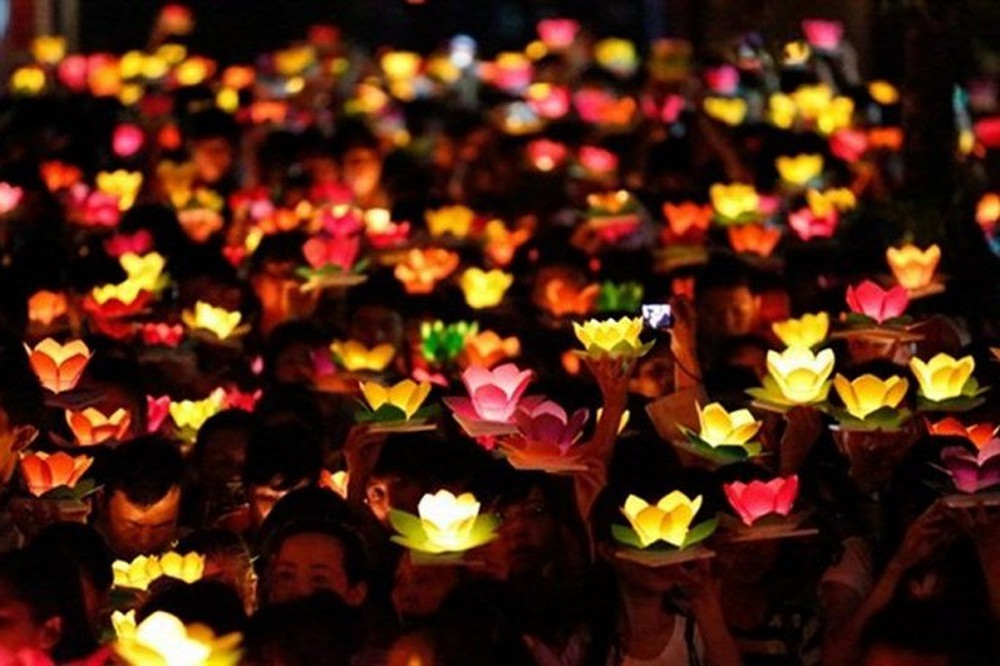
The rose ceremony during Vu Lan Festival in Vietnam. Picture: Internet.
A red rose is often worn by those whose mother is still alive. A white rose is worn by those whose mother has passed away, making the ceremony both beautiful and emotional.
For travelers, the rose ceremony can be a powerful moment to witness. It helps explain why Vu Lan is often described as a season of gratitude, because a small flower can carry deep feelings of love, memory, and loss.
Preparing Vegetarian Meals
Vegetarian food is also closely connected with Vu Lan. Many Vietnamese people choose to eat vegetarian meals during this period as a way to practice compassion, reduce harm, and create peaceful thoughts.
Families may prepare vegetarian dishes at home, while pagodas and restaurants often serve special vegetarian meals. For foreign visitors, this is a good chance to try Vietnamese vegetarian cuisine, which can include tofu dishes, vegetable soups, mushroom hotpots, fresh rolls, and rice-based meals.
This food experience is not only about taste. It also reflects the spirit of Vu Lan, where people try to live more gently, think more deeply, and show kindness through daily choices.
Doing Charity and Good Deeds
Vu Lan is also a time when many people do charity or help others in need. This tradition comes from the idea that gratitude should not stay only within the family, but should also become kindness toward the wider community.
Some common good deeds during Vu Lan include:
- Donating food, clothes, or money
- Supporting elderly people or disadvantaged families
- Joining charity programs organized by pagodas
- Helping parents with daily tasks
- Visiting relatives or spending time with family
- Practicing kind speech and thoughtful behavior
These actions make the festival more practical and human. They show that the meaning of Vu Lan is not only expressed through prayer, but also through how people treat others in everyday life.
3. Best Places to Experience Vu Lan Festival Vietnam
For travelers who want to experience Vu Lan Festival Vietnam in a meaningful way, pagodas are the best places to visit. During this period, many temples become more peaceful and emotional, as people come to pray for their parents, remember ancestors, join Buddhist ceremonies, and reflect on gratitude.
Tran Quoc Pagoda, Hanoi
Tran Quoc Pagoda is one of the most beautiful places to experience Vu Lan in Hanoi. Located near West Lake, the pagoda has a calm atmosphere, historic architecture, and a peaceful setting that feels suitable for quiet reflection.
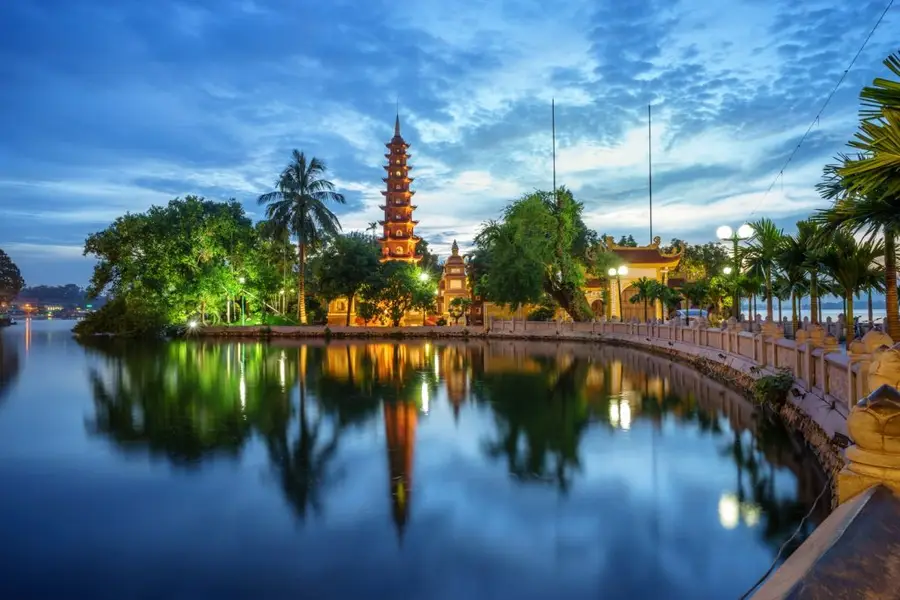
Tran Quoc Pagoda during Vu Lan Festival in Hanoi. Picture: Internet.
During Vu Lan Festival Vietnam, travelers may see local people offering incense, praying, and spending time inside the pagoda grounds. The lakeside location also makes the visit feel gentle and contemplative, especially in the early morning or late afternoon.
Quan Su Pagoda, Hanoi
Quan Su Pagoda is an important Buddhist site in the center of Hanoi. It is a suitable place for visitors who want to observe Vu Lan activities in a more traditional and spiritual setting.
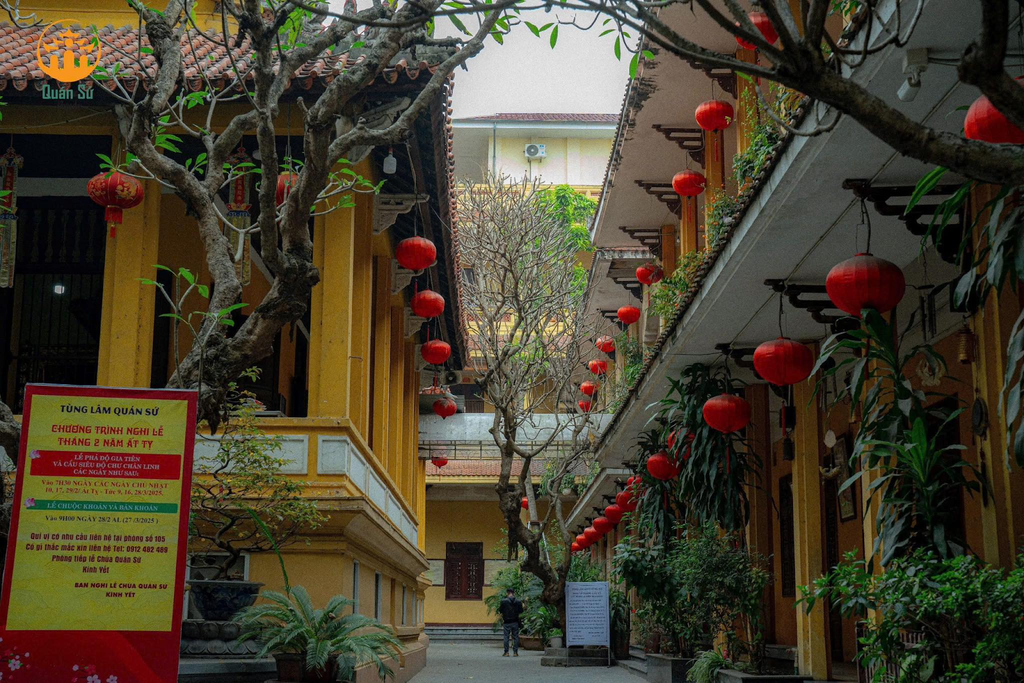
Quan Su Pagoda during Vu Lan Festival in Hanoi. Picture: Internet.
During the festival period, the pagoda may welcome many worshippers who come to pray, listen to Buddhist teachings, or join ceremonies. Travelers should dress modestly and keep quiet, as many people visit Quan Su Pagoda with deep personal feelings during this season.
Bai Dinh Pagoda, Ninh Binh
Bai Dinh Pagoda is a good choice for travelers who want to combine a spiritual visit with natural scenery. As a large Buddhist complex in Ninh Binh, it offers open spaces, impressive architecture, and a peaceful mountain setting.
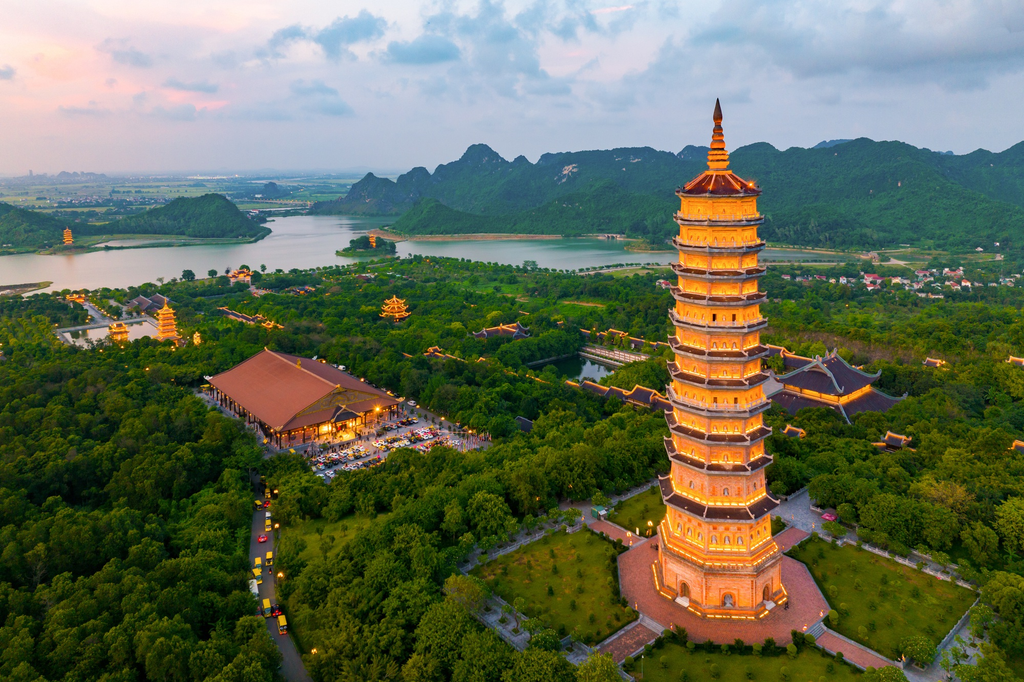
Bai Dinh Pagoda during Vu Lan Festival in Ninh Binh. Picture: Internet.
During Vu Lan, visitors can walk through the pagoda complex, observe local worshippers, and experience the spiritual atmosphere of the season. This destination is also suitable for travelers who want to combine Vu Lan with nearby attractions such as Trang An, Hoa Lu, or Mua Cave.
What Travelers Should Do During Vu Lan
Foreign visitors do not need to fully understand every Buddhist ritual to appreciate Vu Lan. The most important thing is to join or observe respectfully, while paying attention to the meaning behind the actions.
Travelers can experience the festival in simple ways:
- Visit a pagoda in the morning or late afternoon
- Wear modest clothing that covers shoulders and knees
- Observe incense offerings and prayer rituals quietly
- Try vegetarian food during the festival period
- Listen to Buddhist chanting if a ceremony is open to visitors
- Avoid taking close-up photos without permission
- Make a small donation if they wish to support the pagoda or charity activities
These small actions help travelers connect with the spirit of Vu Lan Festival Vietnam. They also show respect for local people who may be visiting the pagoda for deeply personal reasons.
Travel Tips for Visiting Pagodas During Vu Lan
Vu Lan can be a busy time at popular pagodas, so travelers should plan their visit with care. Early morning is often a good time for a quieter atmosphere, while evenings may feel more emotional but also more crowded.
Visitors should move slowly, speak softly, and avoid standing in the way of worshippers. If a ceremony is taking place, it is better to watch from a respectful distance unless invited to join.
Travelers should also remember that Vu Lan is not a performance. It is a meaningful occasion for many Vietnamese families, so respectful behavior will make the experience more authentic and comfortable for everyone.
Read for more information:
- https://abite.asia/bai-dinh-trang-an-tour-pagoda-caves-ninh-binh-scenery/
- https://abite.asia/tran-quoc-pagoda-explore-the-oldest-buddhist-temple-in-hanoi/
At Abite.asia, we specialize in curated Vietnam tours for international travelers, ensuring an authentic and hassle-free experience. Let us take care of your journey so you can fully embrace the beauty of Vietnam. Contact us today at +84363770835 to start planning your adventure!

Leave a Reply