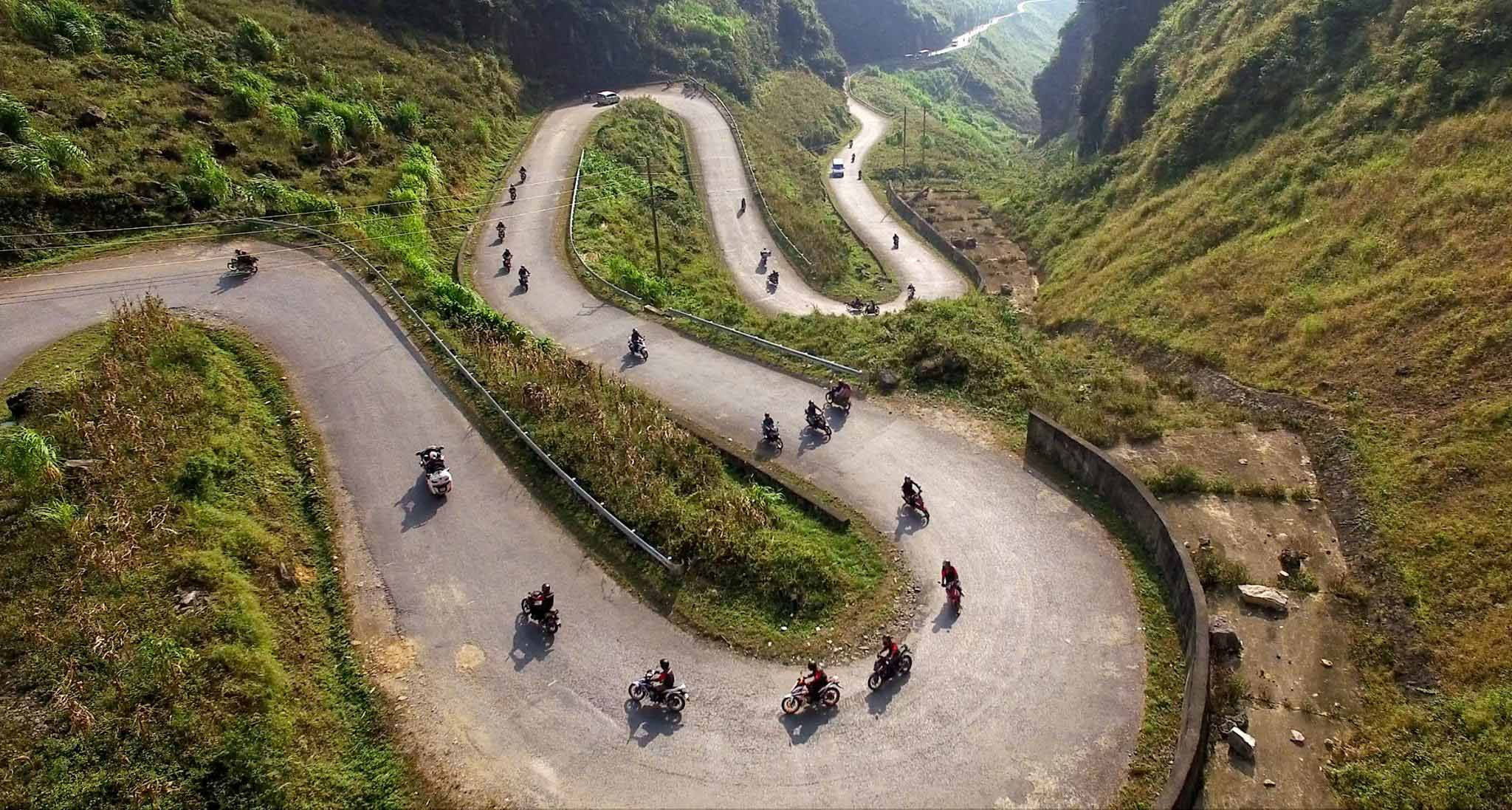
The Ha Giang Loop is one of northern Vietnam’s most unforgettable road journeys, known for its dramatic mountain passes, limestone landscapes, ethnic villages, deep valleys, and remote border scenery. Starting from Ha Giang City, the route usually connects Quan Ba, Yen Minh, Dong Van, Ma Pi Leng Pass, Meo Vac, and several smaller communities along the way.
Unlike a simple sightseeing tour, the Ha Giang Loop is an active adventure that involves long riding hours, changing weather, winding roads, and many scenic stops. Travelers can experience panoramic viewpoints, local markets, traditional houses, mountain towns, and the famous Nho Que River, making the journey both visually impressive and culturally meaningful.
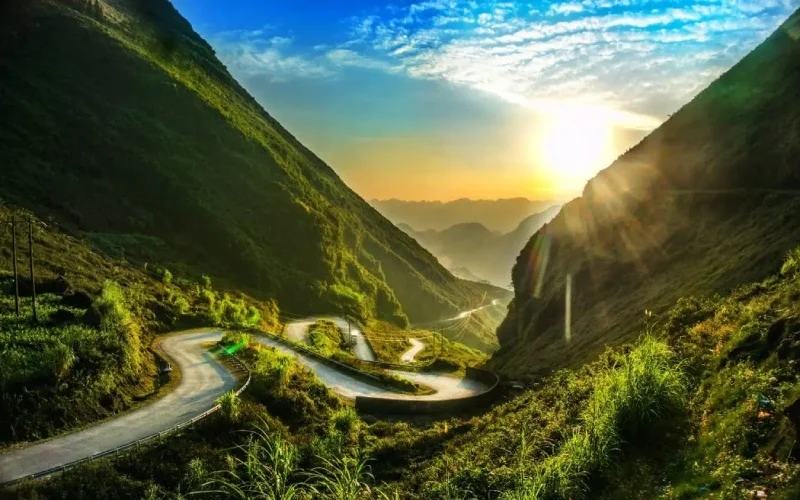
Ma Pi Leng Pass on the Ha Giang Loop. Picture: Internet.
For first-time visitors, good preparation is essential. Choosing between self-riding and an easy-rider tour, packing suitable clothing, understanding road conditions, and planning the right number of days can make the trip safer and more enjoyable.
1. Why Travel the Ha Giang Loop
The Ha Giang Loop is a must-do experience for travelers who want to see Vietnam’s northern mountains in their most dramatic form. The journey combines adventure, nature, culture, and road travel in a way that feels very different from city tours, beach holidays, or standard countryside trips.
One of Vietnam’s Most Scenic Road Trips
The main reason travelers choose the Ha Giang Loop is the scenery. The route passes through high mountain roads, rocky plateaus, deep valleys, terraced fields, rivers, and small villages surrounded by limestone peaks.
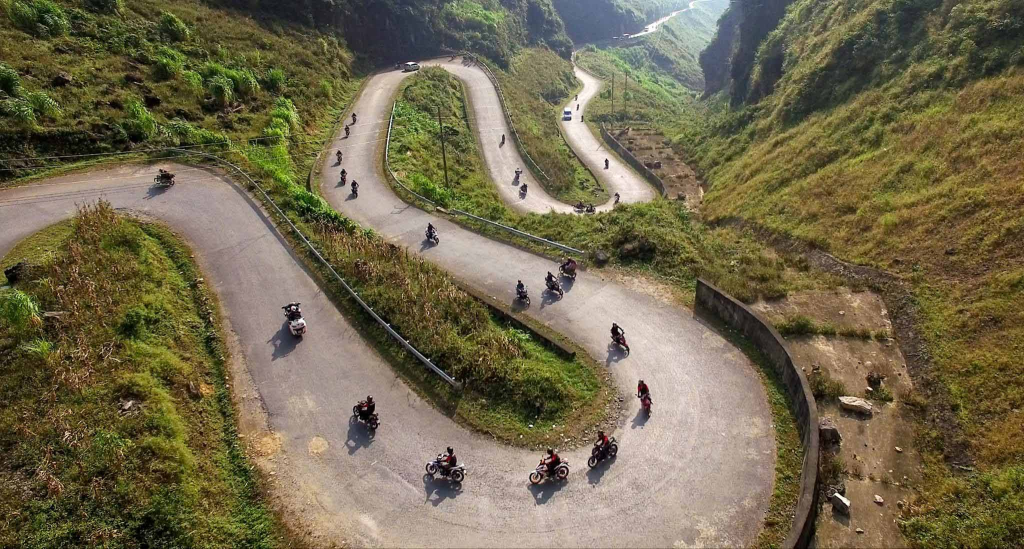
Mountain Road on the Ha Giang Loop. Picture: Internet
During the journey, travelers may experience:
- Quan Ba Heaven Gate and Twin Mountains
- Yen Minh’s winding mountain roads
- Dong Van Karst Plateau
- Ma Pi Leng Pass
- Nho Que River and Tu San Canyon
- Meo Vac and nearby ethnic villages
These landscapes change constantly throughout the route. Each day brings a new combination of cliffs, valleys, passes, and rural scenery, making the road itself one of the biggest highlights of the trip.
A Strong Sense of Adventure
The Ha Giang Loop is more active than many other travel experiences in Vietnam. Travelers spend several hours on the road each day, often passing through steep mountain sections, sharp turns, and remote areas where the scenery feels wild and powerful.
This sense of movement makes the journey exciting and memorable. Whether travelers ride themselves or sit behind a local easy rider, the loop offers a feeling of freedom that is difficult to find on a standard tour.
Rich Ethnic Culture Along the Route
Ha Giang is home to many ethnic communities, including Hmong, Tay, Dao, Nung, and Lo Lo people. Their traditional homes, clothing, markets, farming practices, and village life add cultural depth to the mountain scenery.
Travelers may pass through villages, visit local markets, stay in homestays, or share meals in small mountain towns. These experiences help visitors understand that the Ha Giang Loop is not only about landscapes, but also about the people who live in this remote region.
A Flexible Route for Different Travel Styles
The loop can be experienced in several ways depending on time, budget, and comfort level. Some travelers choose a 3-day, 2-night route for the main highlights, while others prefer a 4-day itinerary to travel more slowly and include quieter areas such as Du Gia.
A typical route may include:
- 3 days 2 nights for a compact adventure
- 4 days 3 nights for a slower and more comfortable pace
- Easy-rider tours for travelers who do not want to drive
- Self-riding options for experienced motorbike travelers
- Small-group tours for a more social experience
This flexibility makes the route suitable for many types of visitors. However, safety should always come first, especially for travelers who are not confident riding motorbikes on mountain roads.
A Journey Beyond Vietnam’s Famous Tourist Routes
The Ha Giang Loop feels more remote than destinations such as Hanoi, Ha Long Bay, Sapa, or Ninh Binh. While it has become more popular in recent years, many parts of the route still feel rugged, local, and deeply connected to mountain life.
For travelers seeking a more adventurous side of northern Vietnam, Ha Giang offers a powerful and memorable experience. The loop combines scenic roads, cultural encounters, and dramatic landscapes into one of the country’s most rewarding journeys.
2. What to Expect on the Ha Giang Loop
The Ha Giang Loop is an active mountain journey, so travelers should expect more than simple sightseeing. The route includes long riding hours, winding roads, changing weather, scenic viewpoints, local villages, and simple accommodation in mountain towns or homestays.
Long Riding Hours Each Day
Most travelers spend several hours on the road every day, especially on a 3-day or 4-day itinerary. The riding time is usually broken up by photo stops, meals, short walks, and village visits, but the journey can still feel tiring for first-time visitors.
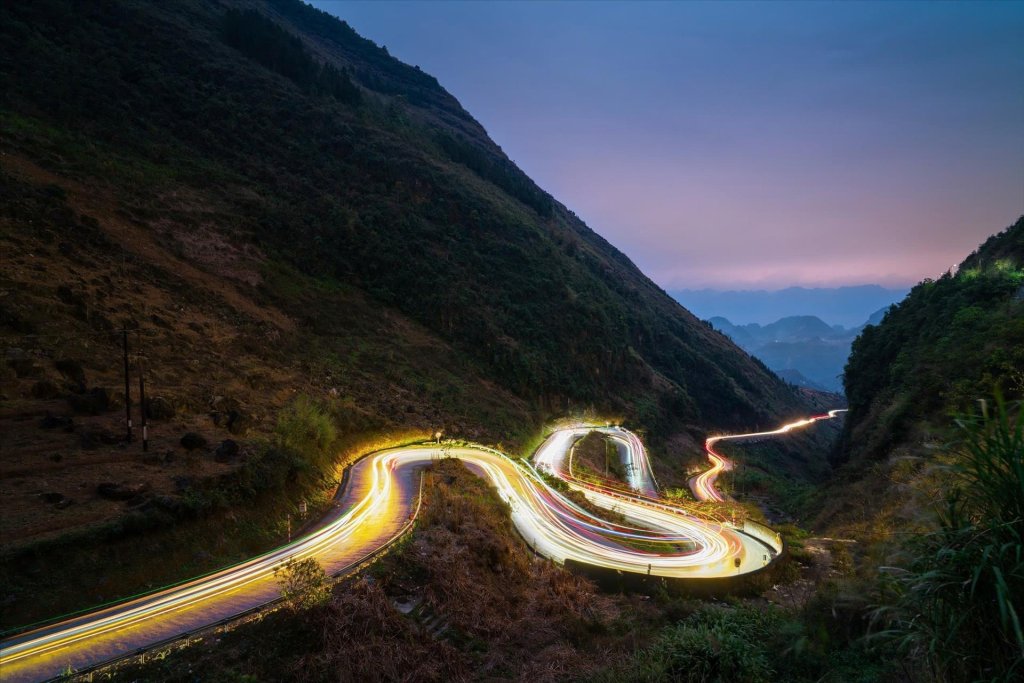
Motorbike Journey Through the Ha Giang Loop. Picture: Internet.
The road is also a major part of the experience, not just transportation between attractions. Travelers will pass through mountain passes, valleys, rocky plateaus, rice fields, and remote settlements, so the scenery changes constantly throughout the day.
Dramatic Mountain Roads and Viewpoints
The Ha Giang Loop is famous for its dramatic roads, especially around Quan Ba, Dong Van, Ma Pi Leng Pass, and Meo Vac. These areas offer some of the most impressive views in northern Vietnam, with steep cliffs, deep valleys, limestone mountains, and winding routes carved into the landscape.
Travelers can expect many scenic stops along the way, including:
- Quan Ba Heaven Gate
- Twin Mountains viewpoint
- Dong Van Karst Plateau
- Ma Pi Leng Pass
- Nho Que River viewpoints
- Small roadside stops above valleys and villages
These viewpoints are often the most memorable parts of the journey. However, travelers should stay careful near road edges, follow guide instructions, and avoid risky photo poses.
Ethnic Villages and Local Culture
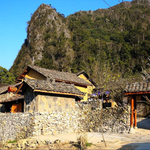
The loop passes through many areas where ethnic minority communities live and work. Travelers may see traditional houses, local markets, farming activities, colorful clothing, and small villages surrounded by mountains.
These cultural encounters make the journey more meaningful because they show how local life continues in a remote and challenging landscape. Visitors should ask before photographing local people, avoid entering private homes without permission, and behave respectfully in villages and markets.
Simple Accommodation and Local Meals
Accommodation on the Ha Giang Loop is usually simple but comfortable enough for a short mountain journey. Travelers may stay in guesthouses, hostels, or homestays in places such as Dong Van, Meo Vac, Du Gia, or nearby villages.
Meals are often served at local restaurants or homestays and may include rice, vegetables, meat dishes, soups, and regional specialties. The experience is usually informal and social, especially for travelers joining small-group tours.
Changing Weather and Road Conditions
Weather in Ha Giang can change quickly because of the mountain terrain. A sunny morning may turn into mist, rain, or cooler temperatures later in the day, especially on high passes or during rainy months.
Travelers should prepare practical items such as:
- Warm jacket or windbreaker
- Light raincoat
- Comfortable shoes
- Sunscreen and sunglasses
- Small backpack for daily essentials
- Waterproof cover for phone or camera
- Personal medication if needed
These items help make the journey safer and more comfortable. They are especially useful because the weather can affect visibility, road conditions, and outdoor stops.
Self-Riding or Easy-Rider Experience
Travelers can complete the loop by self-riding or joining an easy-rider tour with a local driver. Self-riding gives more independence, but it requires confidence, experience, and careful attention to mountain road conditions.
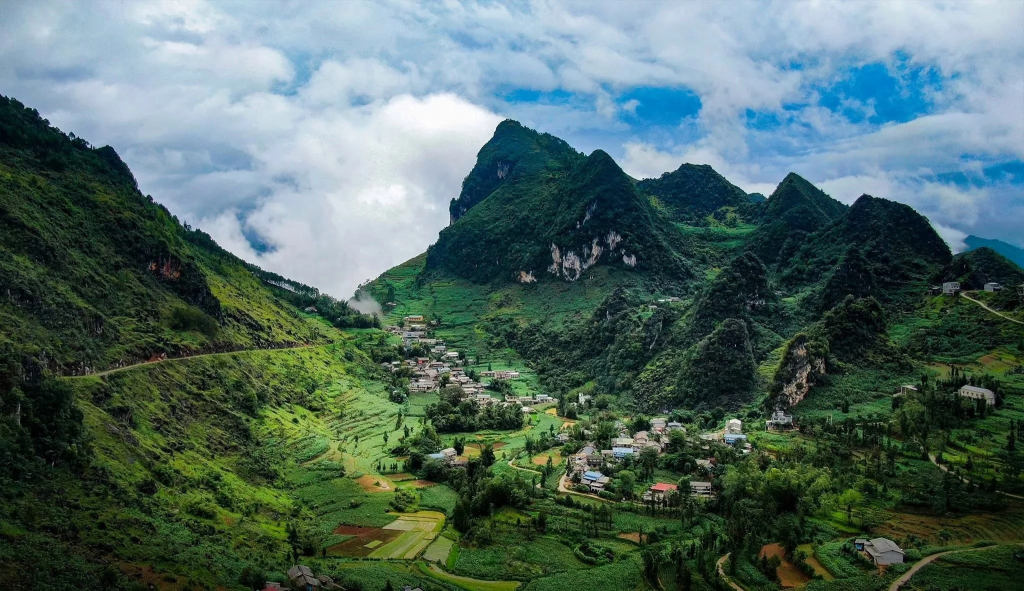
Easy Rider Tour on the Ha Giang Loop. Picture: Internet.
For many first-time visitors, an easy-rider tour is the more comfortable and safer choice. Local drivers understand the route, weather, and difficult sections, allowing travelers to focus on the scenery, photography, and cultural stops.
A Social and Adventurous Atmosphere
Many travelers join group tours, so the Ha Giang Loop often has a social atmosphere. People share meals, stop at viewpoints together, and stay in the same accommodation, which can make the journey more fun and memorable.
At the same time, travelers should be ready to follow a shared schedule. Departure times, rest stops, and sightseeing durations are usually arranged for the whole group, especially on organized tours.
A Rewarding but Demanding Journey
The Ha Giang Loop is not the most relaxing trip in Vietnam, but it is one of the most rewarding. Long rides, mountain weather, and simple facilities can feel challenging, yet the dramatic scenery and cultural encounters make the experience unforgettable.
With realistic expectations, suitable clothing, and the right riding option, travelers can enjoy the loop safely and comfortably. The journey offers a powerful combination of adventure, local life, and northern Vietnam’s most impressive mountain landscapes.
3. Final Tips for Planning the Ha Giang Loop
Planning the Ha Giang Loop carefully is important because the journey involves mountain roads, changing weather, long riding hours, and remote areas. Although the route is one of the most rewarding adventures in northern Vietnam, travelers should prepare properly to make the experience safer, smoother, and more enjoyable.
Choose the Right Number of Days
Most travelers choose either a 3-day or 4-day itinerary for the Ha Giang Loop. A 3-day route is suitable for visitors with limited time who want to see the main highlights, including Quan Ba, Dong Van, Ma Pi Leng Pass, Meo Vac, and the Nho Que River area.
A 4-day route is better for travelers who want a slower pace and more time for villages, viewpoints, and quieter places such as Du Gia. The extra day helps reduce long riding pressure and makes the journey feel more comfortable, especially for first-time visitors.
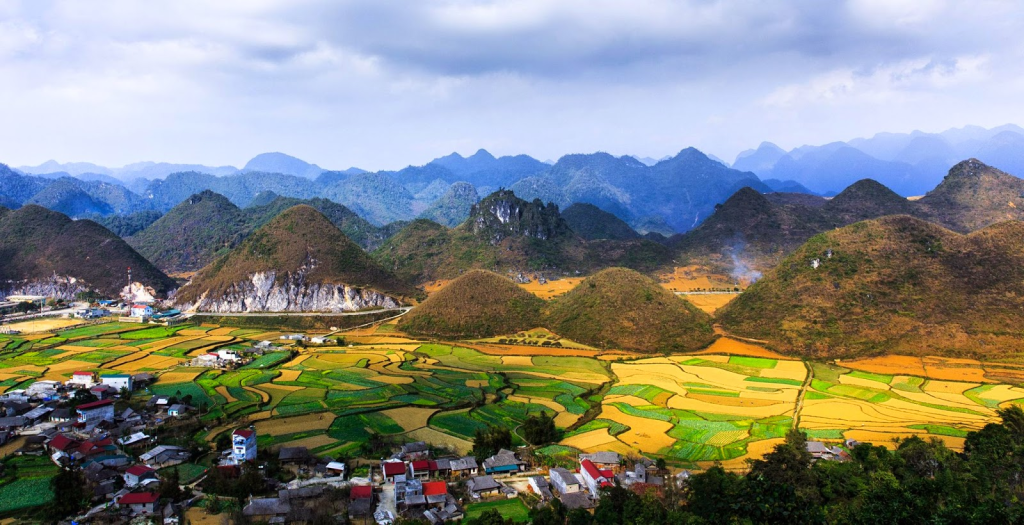
Panoramic View of Dong Van Karst Plateau. Picture: Internet.
Decide Between Self-Riding and Easy Rider
Self-riding can be exciting for experienced motorbike travelers, but the mountain roads require confidence and caution. Some sections include sharp turns, steep slopes, unpredictable traffic, and changing weather conditions, so riders should be realistic about their ability.
For travelers with limited motorbike experience, an easy-rider tour is usually the safer and more comfortable option. A local driver handles the road while visitors can focus on the scenery, take photos, and enjoy the cultural stops along the way.
Pack Light but Prepare Well
Travelers should avoid bringing heavy luggage on the loop because space is limited and the journey includes several overnight stops. A small backpack with essential items is usually enough for a short route.
Useful items to bring include:
- Warm jacket or windbreaker
- Light raincoat
- Comfortable shoes
- Sunscreen and sunglasses
- Basic toiletries
- Personal medication
- Waterproof cover for phone or camera
- Small cash for local expenses
These items help travelers handle changing mountain conditions more comfortably. They are especially important because weather, shops, and services may be less predictable in remote areas.
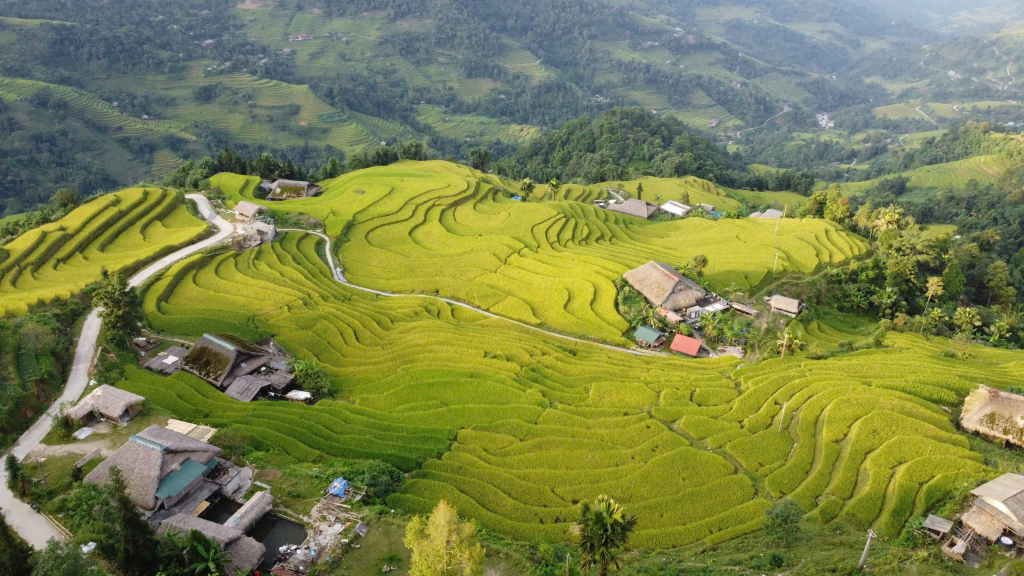
Nho Que River from Ma Pi Leng Pass. Picture: Internet.
Respect Local Communities
The Ha Giang Loop passes through many ethnic villages where people live, work, farm, and trade every day. Visitors should treat these places as real communities rather than only scenic photo stops, and respectful travelers should:
- Ask before taking close-up photos of local people
- Avoid entering private homes without permission
- Keep noise levels low in villages and homestays
- Support local food stalls and shops politely
- Follow guide instructions at cultural sites
- Avoid leaving rubbish along roads or viewpoints
These small actions help protect local culture and create a better relationship between travelers and residents. They also make the journey feel more meaningful and responsible.
Stay Flexible with Weather and Road Conditions
Mountain weather can affect the Ha Giang Loop at any time of year. Fog, rain, landslides, slippery roads, or low visibility may lead guides to adjust the route or change the timing of certain stops.
Travelers should avoid packing the schedule too tightly and leave room for changes. A flexible mindset helps visitors enjoy the journey even when the weather is not perfect, because misty valleys and cloudy passes can still create a dramatic mountain atmosphere.
Conclusion
The Ha Giang Loop is one of Vietnam’s most unforgettable road adventures, offering a powerful mix of limestone mountains, deep valleys, ethnic villages, scenic passes, and remote local life. The journey can be physically demanding, but it rewards travelers with some of the most dramatic landscapes in northern Vietnam.
With the right itinerary, suitable riding option, practical packing, and respectful behavior, the loop becomes much more than a scenic road trip. It is a memorable journey through Ha Giang’s mountains, cultures, and landscapes, making it a must-do experience for travelers who want to discover Vietnam’s adventurous highland side.
Read for more information:
- https://abite.asia/ha-giang-loop-tour-complete-3-days-2-nights-adventure/
- https://abite.asia/ha-giang-loop-itinerary-the-perfect-3-days-2-nights-route/
At Abite.asia, we specialize in curated Vietnam tours for international travelers, ensuring an authentic and hassle-free experience. Let us take care of your journey so you can fully embrace the beauty of Vietnam. Contact us today at +84363770835 to start planning your adventure!



Leave a Reply