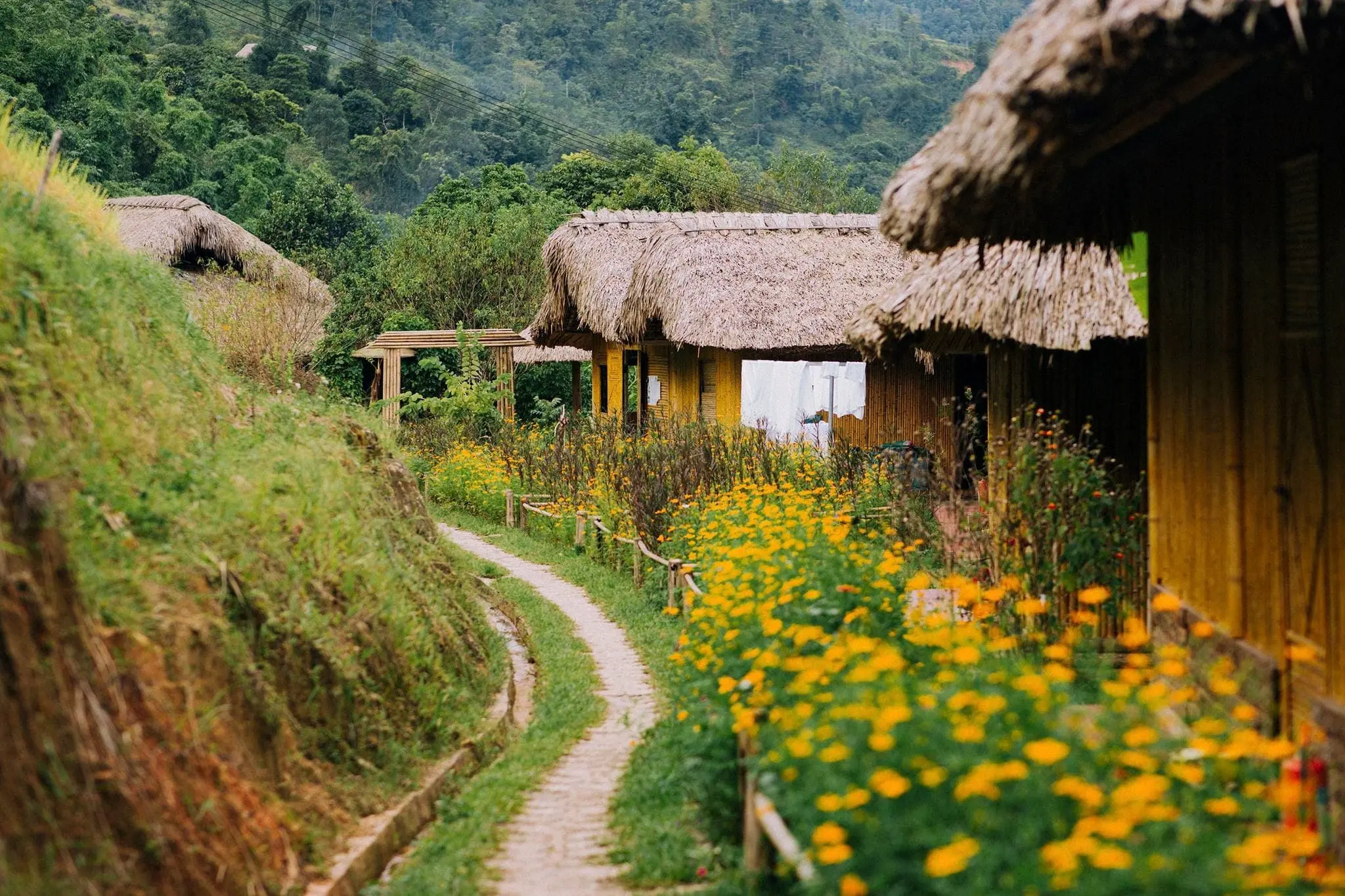
A well-planned Ha Giang Loop Itinerary allows travelers to experience northern Vietnam’s dramatic mountain roads, ethnic villages, deep valleys, and remote border landscapes within three days and two nights. The route usually connects Ha Giang City with Quan Ba, Yen Minh, Dong Van, Ma Pi Leng Pass, Meo Vac, and several scenic stops along the way. Each day combines riding, photography, cultural visits, and local meals, creating a journey that feels both adventurous and rewarding. For travelers with limited time, this compact itinerary offers an excellent balance of iconic viewpoints, mountain culture, and unforgettable road experiences.
1. Why Choose a 3 Days 2 Nights Ha Giang Loop Itinerary
A 3-day, 2-night Ha Giang Loop Itinerary is a practical choice for travelers who want to explore the region’s most famous landscapes without extending the journey for too long. The route is compact but varied, combining mountain passes, ethnic villages, local towns, river views, and overnight stays in northern Vietnam’s remote highlands.
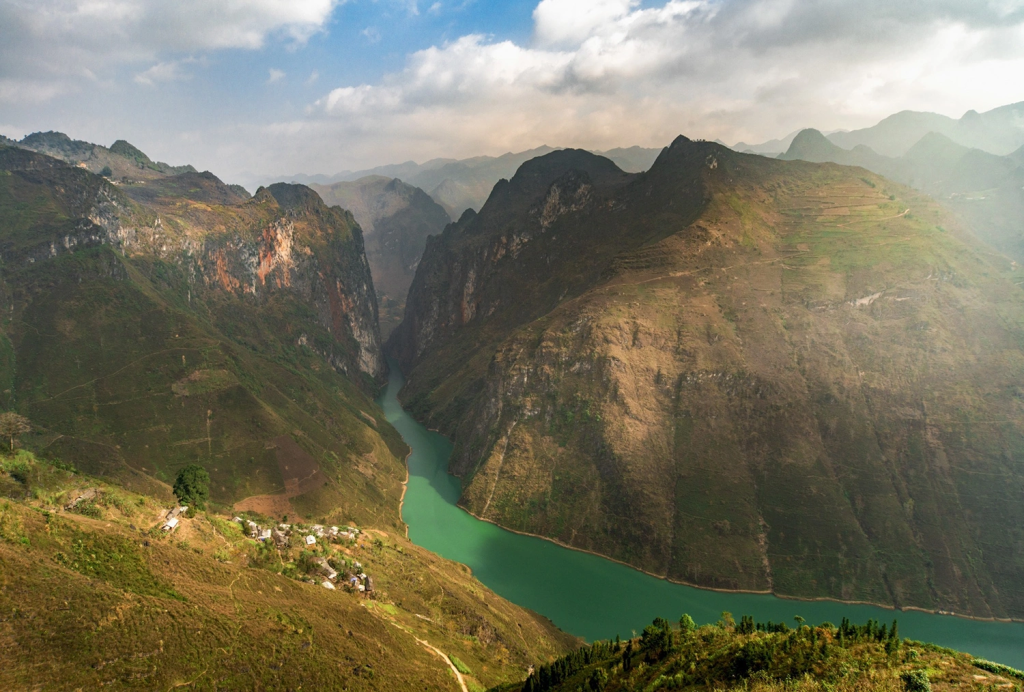
Ha Giang Loop Itinerary Through Mountain Roads and Valleys. Picture: Internet.
A Balanced Route for Limited Travel Time
Three days provide enough time to visit the main highlights while keeping the trip manageable. Travelers can experience the most iconic parts of Ha Giang without needing to organize a longer four- or five-day journey.
A typical Ha Giang Loop Itinerary may include:
- Quan Ba Heaven Gate
- Yen Minh mountain roads
- Dong Van Karst Plateau
- Dong Van Old Quarter
- Ma Pi Leng Pass
- Nho Que River
- Meo Vac and nearby villages
This route covers a wide range of scenery within a short period. It is especially suitable for travelers who want to combine Ha Giang with other destinations in northern Vietnam.
Experience Different Landscapes Each Day
One of the strongest advantages of the loop is the constant change in scenery. The journey begins with green valleys and mountain viewpoints before moving into the rocky terrain of Dong Van and the dramatic canyon landscapes around Ma Pi Leng.
Travelers may see:
- Forested hills and terraced farmland
- Limestone peaks and rocky plateaus
- Deep valleys and winding mountain passes
- Turquoise river sections below steep cliffs
- Small villages surrounded by agricultural land
These changes prevent the road journey from feeling repetitive. Each section of the route offers a different atmosphere and new opportunities for photography.
Visit the Main Highlights Without Rushing Too Much
Although a 3-day route is active, it still allows time for scenic stops and cultural visits. A well-organized schedule includes breaks at viewpoints, villages, local restaurants, and overnight towns rather than focusing only on covering distance.
Travelers can stop to admire the landscape, explore local streets, and rest between long riding sections. This creates a more balanced experience than attempting to complete the loop in only two days.
Discover Ethnic Culture Along the Route
A Ha Giang Loop Itinerary passes through areas inhabited by Hmong, Tay, Dao, Nung, Lo Lo, and other ethnic communities. Traditional architecture, clothing, farming practices, and local markets add cultural depth to the mountain journey.
Depending on the route, travelers may encounter:
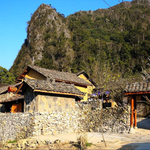
- Earthen houses surrounded by stone walls
- Traditional wooden and stilt houses
- Local markets selling food and textiles
- Farmers working on steep mountain land
- Villages located near scenic passes
These communities are living residential areas, so visitors should approach them respectfully. Travelers should ask permission before taking close-up photographs and avoid entering private homes without an invitation.
Stay Overnight in Mountain Towns and Villages
The two overnight stays are an important part of the itinerary because they allow travelers to experience Ha Giang after the riding day ends. Most routes include Dong Van on the first night and Meo Vac, Du Gia, or another local area on the second night.
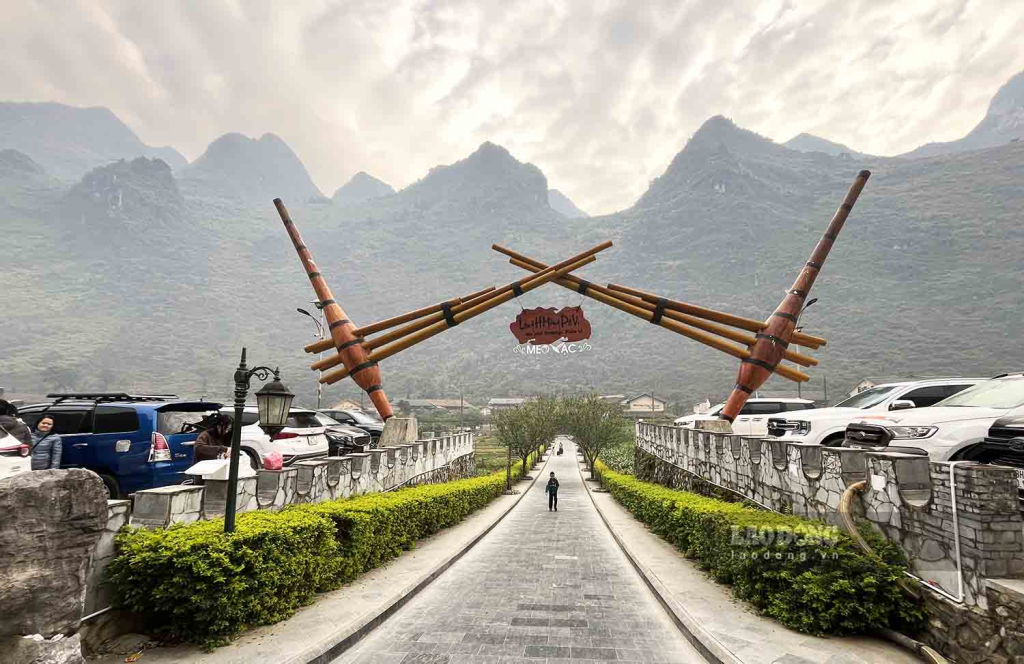
Overnight Experience in Ha Giang Mountain Towns and Villages. Picture: Internet.
During the evenings, travelers can enjoy local meals, walk through small town centers, and rest in guesthouses or homestays. These overnight stops also make the journey more comfortable by dividing the route into manageable daily sections.
Choose Between Self-Riding and an Easy Rider
Travelers can follow the route independently or join an organized tour with a local easy rider. The best option depends on motorbike experience, confidence, and familiarity with mountain roads.
An easy-rider tour may be more suitable for visitors who:
- Have little experience riding motorbikes
- Are unfamiliar with steep mountain roads
- Want to focus on scenery and photography
- Prefer local guidance throughout the route
- Want accommodation and meals arranged in advance
Experienced riders may prefer greater independence, but safety should remain the main priority. Weather, road conditions, and traffic can make some sections challenging even for confident riders.
A Complete Introduction to Ha Giang
A 3-day, 2-night route gives travelers a strong introduction to Ha Giang’s landscapes and cultural diversity. It includes the region’s best-known viewpoints while still creating space for villages, meals, and quiet moments along the road.
Overall, a well-planned Ha Giang Loop Itinerary offers an effective balance of adventure, scenery, and cultural discovery. It is a rewarding option for travelers who want to experience the character of Ha Giang within a compact but memorable journey.
2. The Perfect 3 Days 2 Nights Ha Giang Loop Itinerary
A well-organized Ha Giang Loop Itinerary usually follows a circular route from Ha Giang City through Quan Ba, Yen Minh, Dong Van, Ma Pi Leng Pass, Meo Vac, and several smaller mountain communities. The exact order may vary depending on the tour operator, weather, and road conditions, but the structure below offers a balanced mix of riding, sightseeing, cultural stops, and overnight stays.
Day 1: Ha Giang City – Quan Ba – Yen Minh – Dong Van
The first day usually begins in Ha Giang City with a short briefing, luggage preparation, and safety instructions. Travelers then head north through Bac Sum Pass toward Quan Ba, where the mountain scenery becomes more dramatic and the main loop experience begins.
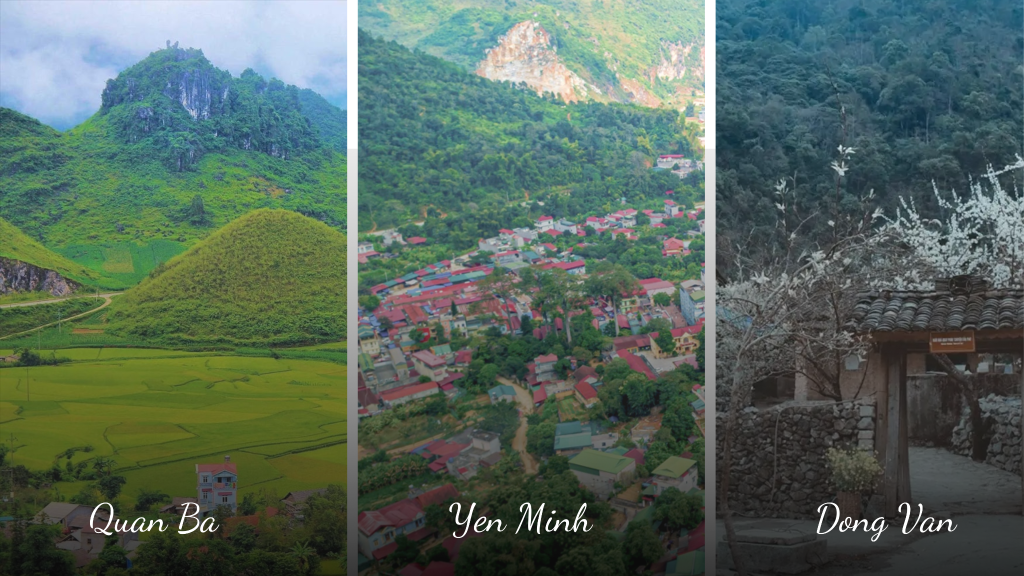
Scenic Route from Quan Ba to Dong Van on Ha Giang Loop. Picture: Collected
Typical Day 1 stops may include:
- Bac Sum Pass
- Quan Ba Heaven Gate
- Twin Mountains viewpoint
- Villages and farmland around Yen Minh
- Scenic sections of the Dong Van Karst Plateau
- Dong Van Old Quarter
Quan Ba Heaven Gate is often one of the first major viewpoints on the route. From here, travelers can admire valleys, limestone mountains, and agricultural landscapes before continuing toward Yen Minh.
The road between Yen Minh and Dong Van introduces the rocky terrain that defines the northern part of Ha Giang. Depending on the schedule, the group may stop at ethnic villages, local houses, roadside viewpoints, or historical sites before reaching Dong Van in the late afternoon.
First Night in Dong Van
Dong Van is a convenient and atmospheric place to spend the first night. The town offers guesthouses, homestays, local restaurants, and a small old quarter where travelers can relax after a long riding day.
In the evening, visitors may explore the old streets, try regional food, and enjoy coffee in traditional buildings. The town becomes quieter after dark, creating a comfortable pause before the most dramatic section of the route on Day 2.
Day 2: Dong Van – Lung Cu – Ma Pi Leng Pass – Meo Vac
The second day is often the visual highlight of the Ha Giang Loop Itinerary. Travelers may begin with a visit to Lung Cu or nearby northern villages before continuing along the mountain road between Dong Van and Meo Vac.
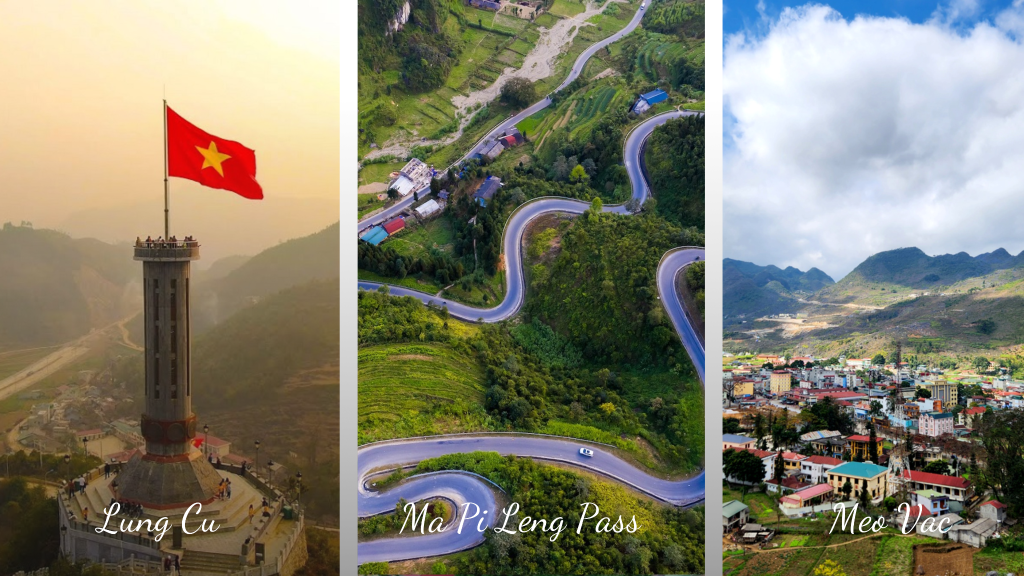
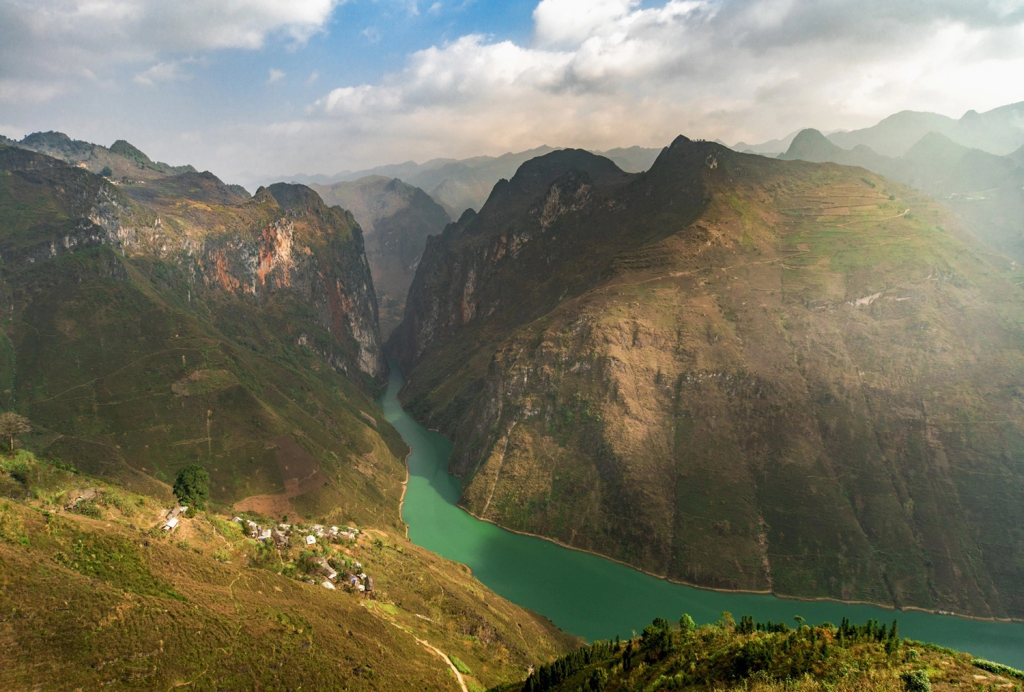
Ma Pi Leng Pass and Nho Que River on Ha Giang Loop Journey. Picture: Collected
Typical Day 2 highlights may include:
- Lung Cu Flag Tower
- Border viewpoints and ethnic villages
- Dong Van mountain roads
- Ma Pi Leng Pass
- Nho Que River viewpoints
- Optional boat trip through Tu San Canyon
- Arrival in Meo Vac or a nearby village
Lung Cu is often included for travelers who want to visit one of the northernmost areas of Vietnam. The route offers wide views of mountains, border valleys, traditional houses, and local farming communities.
Ma Pi Leng Pass and the Nho Que River
Ma Pi Leng Pass is one of the most famous sections of the loop and a major reason many travelers choose this route. The road follows steep mountain slopes above the Nho Que River, offering panoramic views of cliffs, valleys, and winding roads.
Depending on the itinerary and local conditions, travelers may also take a boat ride through Tu San Canyon. This activity provides a different perspective of the landscape, with high limestone walls rising above the river.
The boat trip may require additional transport and walking, so travelers should check whether it is included in the tour package. Weather and river conditions can also affect the schedule.
Second Night in Meo Vac or a Local Village
After exploring Ma Pi Leng and the Nho Que River area, the group usually continues to Meo Vac or a nearby village for the second night. Accommodation may be arranged in a guesthouse, hostel, or homestay, depending on the tour style.
The evening often includes a shared dinner and time to rest with the group. Staying in a smaller mountain community gives travelers a quieter experience and a closer connection to local life.
Day 3: Meo Vac – Mau Due – Du Gia – Ha Giang City
The final day returns to Ha Giang City through a different section of the loop. This route often passes through Mau Due, Du Gia, or other rural areas with softer landscapes, river valleys, rice fields, and smaller mountain villages.
Rural Villages and Mountain Landscapes from Meo Vac to Du Gia. Picture: Internet.
Typical Day 3 experiences may include:
- Scenic roads around Mau Due
- Rural villages and agricultural valleys
- Short stops near waterfalls or rivers
- Local lunch along the route
- Final mountain viewpoints
- Return to Ha Giang City in the late afternoon
Compared with the rocky scenery around Dong Van, the final section often feels greener and more relaxed. It gives travelers a different perspective of Ha Giang before the journey ends.
How the Three-Day Route Is Balanced
The first day introduces travelers to mountain passes, valleys, and the Dong Van Karst Plateau. The second day focuses on the most dramatic landscapes, including Ma Pi Leng Pass and the Nho Que River, while the final day offers quieter rural scenery and a gradual return to Ha Giang City.
This structure keeps the Ha Giang Loop Itinerary varied from beginning to end. Within three days, travelers can experience iconic viewpoints, ethnic villages, local towns, river canyons, and remote roads without repeating the same route.
3. What to Expect and Final Tips for the Ha Giang Loop Itinerary
A 3-day, 2-night Ha Giang Loop Itinerary is an active mountain journey that combines long riding hours, frequent scenic stops, local meals, and simple overnight accommodation. Travelers should prepare for changing weather, winding roads, and a schedule that can feel demanding, especially on sections around Dong Van and Ma Pi Leng Pass.
Several Hours on the Road Each Day
Most days include several hours of riding, but the journey is usually divided by viewpoints, village visits, meal breaks, and short rest stops. The road itself is a major part of the experience, so travelers should expect to spend more time moving through the landscape than staying at individual attractions.
A typical day may include:
- Early morning departure
- Long sections of mountain road
- Frequent photography stops
- Lunch at a local restaurant
- Village or cultural visits
- Arrival at the overnight stop in the late afternoon
Comfortable clothing, covered shoes, and light luggage can make the riding experience much easier. Travelers should also stretch during breaks and drink enough water throughout the day.
Changing Weather and Road Conditions
Ha Giang’s mountain weather can change quickly, especially at higher elevations. Sunshine, fog, rain, and cooler temperatures may all appear during the same day, while wet conditions can make some roads more difficult.
Travelers should bring:
- A waterproof jacket
- A warm layer for mountain passes
- Sunscreen and sunglasses
- A small backpack with essentials
- A waterproof cover for phones and cameras
Flexibility is important because guides may adjust the route or timing for safety. A well-planned Ha Giang Loop Itinerary should leave enough room for weather-related changes without making the trip feel rushed.
Simple Accommodation and Shared Meals
Accommodation usually includes guesthouses, hostels, or local homestays rather than luxury hotels. Rooms are generally practical and comfortable enough for a short stay, but facilities may be basic in smaller towns and villages.
Meals are often served family-style and may include rice, vegetables, meat dishes, soups, and regional specialties. Shared dinners also create a social atmosphere, especially for travelers joining a small-group tour.
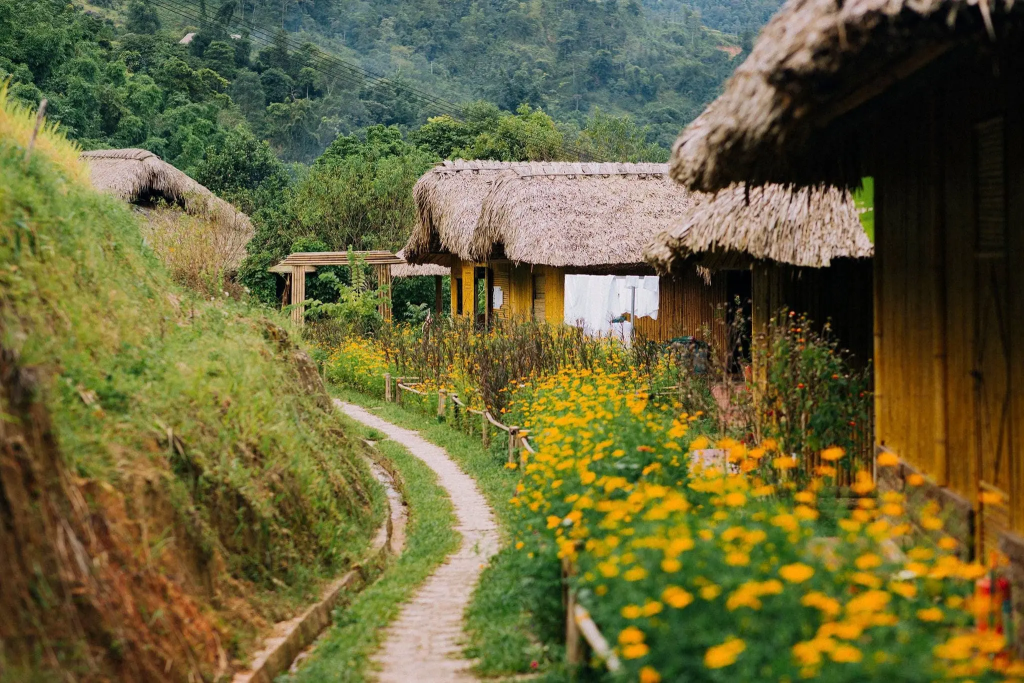
Local Homestay and Shared Meals During Ha Giang Loop Tour. Picture: Internet.
Respect Local Communities
The route passes through ethnic villages where people continue their daily lives, farming, trading, and raising families. Travelers should treat these communities as residential areas rather than photo locations. Respectful visitors should:
- Ask permission before photographing local people
- Avoid entering private homes without invitation
- Keep noise levels low in villages
- Support local food stalls and crafts responsibly
- Follow guide instructions at cultural sites
These small actions help protect local traditions and create a more positive experience for both residents and visitors. They also make cultural encounters feel more genuine and meaningful.
Choose the Right Riding Option
Self-riding may appeal to experienced motorbike travelers, but the mountain roads can be challenging. Travelers with limited riding experience should consider joining an easy-rider tour with a local driver. An easy rider allows passengers to focus on the scenery, take photographs, and avoid the stress of navigating steep or unfamiliar roads. Safety should remain the main priority when choosing how to complete the Ha Giang Loop Itinerary.
Read for more information:
- https://abite.asia/ba-be-lake-national-park-everything-you-need-to-know-before-visiting/
- https://abite.asia/ban-gioc-waterfall-vietnams-most-spectacular-border-waterfall/
- https://abite.asia/ba-be-lake-ban-gioc-waterfall-tour-complete-2d1n-adventure/
At Abite.asia, we specialize in curated Vietnam tours for international travelers, ensuring an authentic and hassle-free experience. Let us take care of your journey so you can fully embrace the beauty of Vietnam. Contact us today at +84363770835 to start planning your adventure!



Leave a Reply