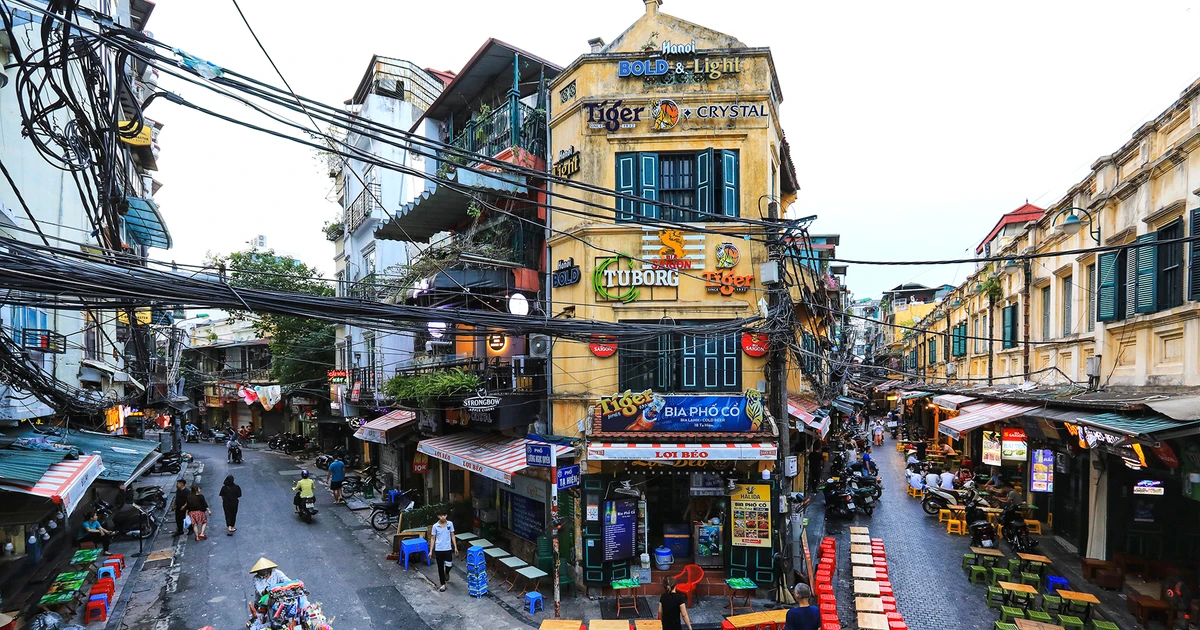
Old Quarter Hanoi is one of the most fascinating areas to explore on foot, offering a lively mix of history, local culture, street food, traditional shops, and everyday city life. Located near Hoan Kiem Lake, the Old Quarter is known for its narrow streets, old tube houses, busy sidewalks, and small family-run businesses that have shaped the capital for generations.
Walking through Old Quarter Hanoi allows travelers to experience the city slowly and closely. Visitors can pass by ancient houses, local markets, temples, cafés, street vendors, and hidden alleys while observing how modern life continues within a historic neighborhood.
For first-time visitors, a walking route through the Old Quarter is one of the best ways to understand Hanoi beyond its famous landmarks. The area is not only a sightseeing destination, but also a living cultural space where food, architecture, trade, and local habits come together in a vibrant and memorable way.
1. Why Explore Old Quarter Hanoi on Foot
Exploring Old Quarter Hanoi on foot is one of the best ways to experience the capital’s history, culture, and daily life in a natural way. The area is full of narrow streets, old houses, local shops, food stalls, temples, and markets, so walking allows travelers to notice details that are easy to miss when moving by car or motorbike.
Experience Hanoi’s Historic Streets Closely
The Old Quarter is known for its long history as a trading area, where many streets were traditionally connected to specific crafts or goods. Even today, visitors can still see streets selling items such as silk, silver, paper decorations, shoes, herbs, and household products.
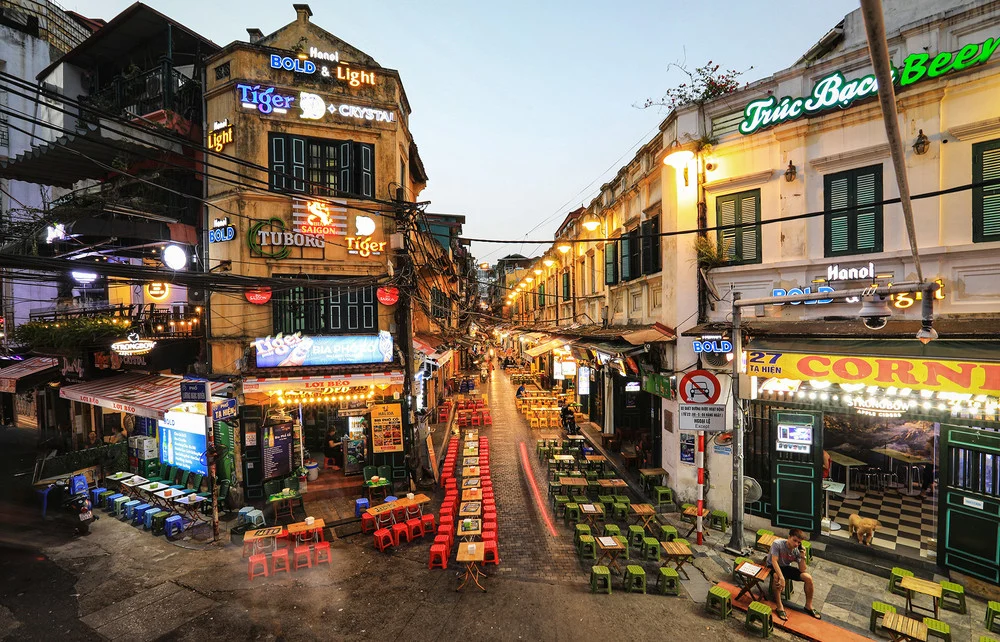
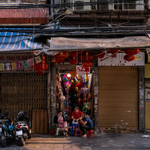
Historic Streets and Traditional Shop Houses in Hanoi Old Quarter. Picture: Internet
Walking through the area gives travelers a closer look at how old and new Hanoi exist together. Traditional tube houses, small temples, modern cafés, street vendors, and family-run shops all appear within the same neighborhood, creating a lively and layered atmosphere.
Discover Local Life Beyond Famous Landmarks
A walking route through Old Quarter Hanoi is not only about visiting attractions. It is also about observing the rhythm of local life, from people preparing food on the sidewalk to shop owners arranging goods in narrow storefronts.
Travelers may notice:
- Street vendors selling fruit, snacks, and drinks
- Small family businesses operating from old houses
- Locals gathering at sidewalk cafés
- Motorbikes moving through narrow streets
- Traditional shops mixed with modern stores
- Daily routines happening around temples and markets
These small details help visitors understand Hanoi as a living city rather than only a historic destination. The experience feels more authentic when travelers slow down and observe how people use the streets every day.
Enjoy Street Food Along the Way
Food is one of the strongest reasons to explore the Old Quarter on foot. Many of Hanoi’s most famous dishes can be found in small eateries, market corners, and sidewalk stalls throughout the neighborhood.
During a walk, visitors can try phở, bún chả, bánh mì, fried snacks, fresh noodles, local desserts, and egg coffee. Instead of sitting in one restaurant for a full meal, travelers can stop at different places and experience Hanoi’s food culture step by step.
Visit Temples, Markets, and Hidden Corners
The Old Quarter is full of small cultural and historical stops that are easy to discover while walking. Some are well-known, while others are hidden between shops, alleys, and residential areas.
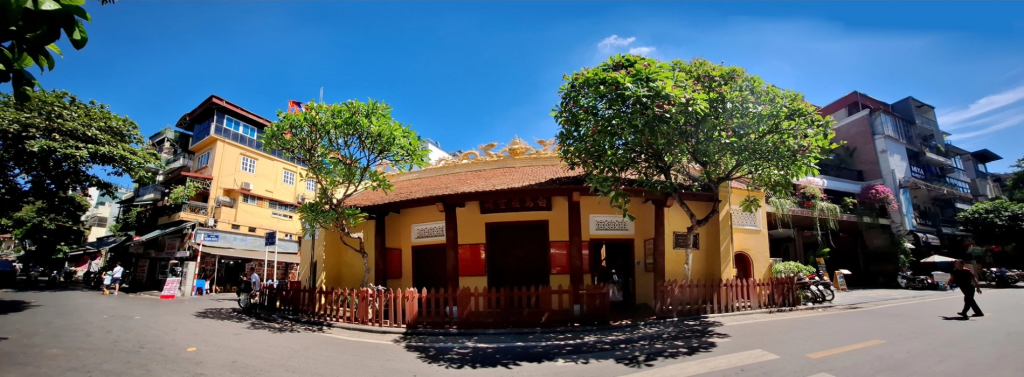
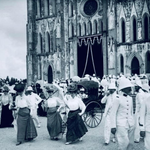
Bach Ma Temple and Cultural Landmarks in Hanoi Old Quarter. Picture: Internet
Depending on the route, travelers may visit:
- Bach Ma Temple
- Dong Xuan Market
- Old tube houses
- Small local pagodas
- Traditional craft streets
- Hidden cafés and quiet alleys
These stops add depth to the walking experience. They show that Old Quarter Hanoi is not only busy and colorful, but also rich in history, spirituality, and community life.
A Flexible Experience for Every Traveler
Walking through the Old Quarter can be adjusted to many travel styles. Some visitors prefer a short route around Hoan Kiem Lake and nearby streets, while others spend half a day exploring markets, temples, food stops, and quieter alleys.
This flexibility makes the area suitable for first-time visitors, photographers, food lovers, solo travelers, couples, and families. With comfortable shoes and a curious mindset, a walk through Old Quarter Hanoi becomes one of the most memorable ways to discover the capital.
2. What to Expect When Walking Through Old Quarter Hanoi
Walking through Old Quarter Hanoi is a lively and flexible experience that combines sightseeing, local culture, food, shopping, and everyday street life. The area can feel busy at first, but once travelers slow down, each street reveals a different part of Hanoi’s character.
Busy Streets and Narrow Sidewalks
The Old Quarter is known for its narrow streets, crowded sidewalks, and constant movement. Motorbikes, street vendors, pedestrians, shops, and food stalls often share the same space, creating an energetic atmosphere that feels very different from quieter tourist areas.
Travelers should walk carefully and stay aware of traffic, especially when crossing roads or moving through busy intersections. The best approach is to walk slowly, keep to the side when possible, and follow the rhythm of local pedestrians instead of rushing.
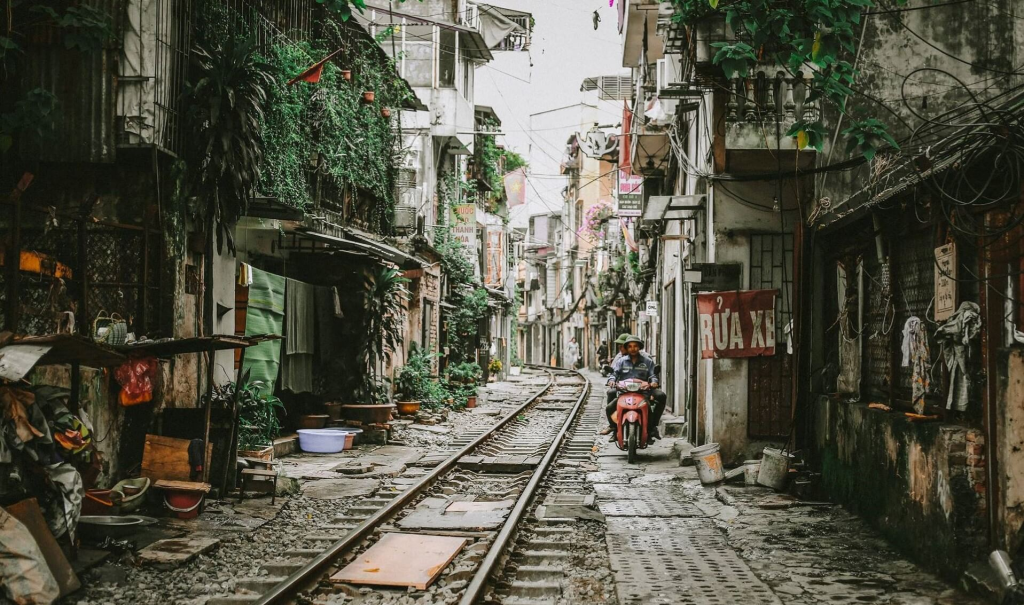
Walking Through the Busy Streets of Hanoi Old Quarter. Picture: Internet
A Mix of History and Modern City Life
One of the most interesting parts of Old Quarter Hanoi is the way historic architecture and modern life exist together. Old tube houses, temples, and traditional shops stand beside cafés, boutique stores, restaurants, and travel services.
Visitors may see faded colonial-style buildings, narrow balconies, wooden doors, and small altars placed inside shops or homes. These details show that the Old Quarter is not only a tourist area, but also a living neighborhood where families, businesses, and local traditions continue every day.
Street Food Around Every Corner
Food is everywhere in the Old Quarter, from small noodle shops to sidewalk grills and local cafés. Travelers can stop for a full meal or simply try snacks while walking through different streets.
Popular food experiences may include:
- Phở or other noodle soups
- Bún chả with grilled pork
- Bánh mì and savory snacks
- Fresh spring rolls or fried rolls
- Local desserts and sweet soups
- Egg coffee or traditional Vietnamese coffee
These food stops make the walking experience more enjoyable and help travelers understand Hanoi through taste. Trying small portions at different places is often better than having one large meal too early.
Markets, Shops, and Traditional Streets
The Old Quarter has many streets connected to trade and local commerce. Some streets still focus on specific products, while others now mix traditional shops with modern cafés, souvenir stores, and fashion boutiques.
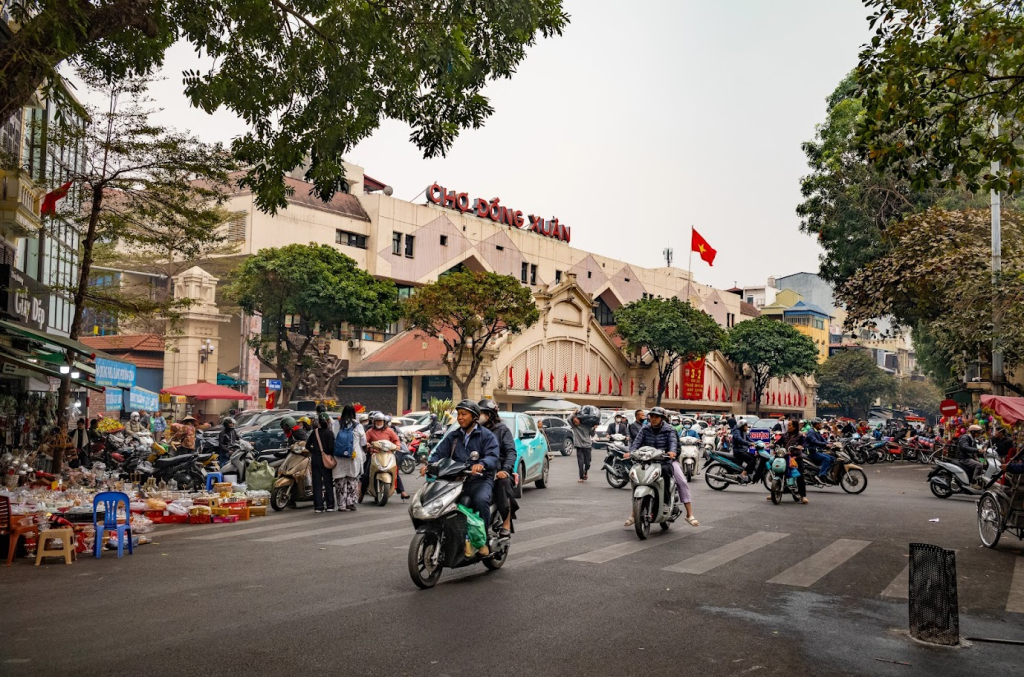
Shopping at Dong Xuan Market in Hanoi Old Quarter. Picture: Internet
Visitors can explore areas around Dong Xuan Market, Hang Gai, Hang Bac, Hang Ma, and other well-known streets. Each area has its own atmosphere, from colorful decorations and silk products to jewelry shops, household goods, and local market scenes.
Cultural Stops and Hidden Corners
A walk through Old Quarter Hanoi can also include temples, old houses, small pagodas, and quiet alleys hidden between busy streets. These places provide a calmer contrast to the noise and movement outside.
Depending on the route, travelers may visit Bach Ma Temple, heritage houses, local communal houses, or small spiritual sites. Visitors should dress respectfully, keep their voices low, and avoid disturbing worshippers when entering these cultural spaces.
A Good Area for Photography
The Old Quarter is highly photogenic because every street has layers of color, movement, and texture. Shopfronts, food stalls, old buildings, street vendors, motorbikes, and narrow alleys all create strong visual details.
Travelers should take photos thoughtfully, especially when photographing local people. Asking permission before close-up portraits and avoiding blocked walkways will make the experience more respectful and comfortable for everyone.
A Flexible Route with No Fixed Pace
Walking through Old Quarter Hanoi does not require a strict plan. Some travelers may follow a short route around Hoan Kiem Lake, while others may spend several hours exploring food streets, markets, cafés, and cultural stops.
The best experience often comes from leaving space for unexpected discoveries. A small alley, a local food stall, a quiet temple, or an old shopfront can become just as memorable as the main attractions.
3. Final Tips for Walking Through Old Quarter Hanoi
Walking through Old Quarter Hanoi is one of the most enjoyable ways to experience the capital, but the area can feel busy and crowded for first-time visitors. With a little preparation and a flexible mindset, travelers can enjoy the historic streets, local food, markets, cafés, and cultural stops more comfortably.
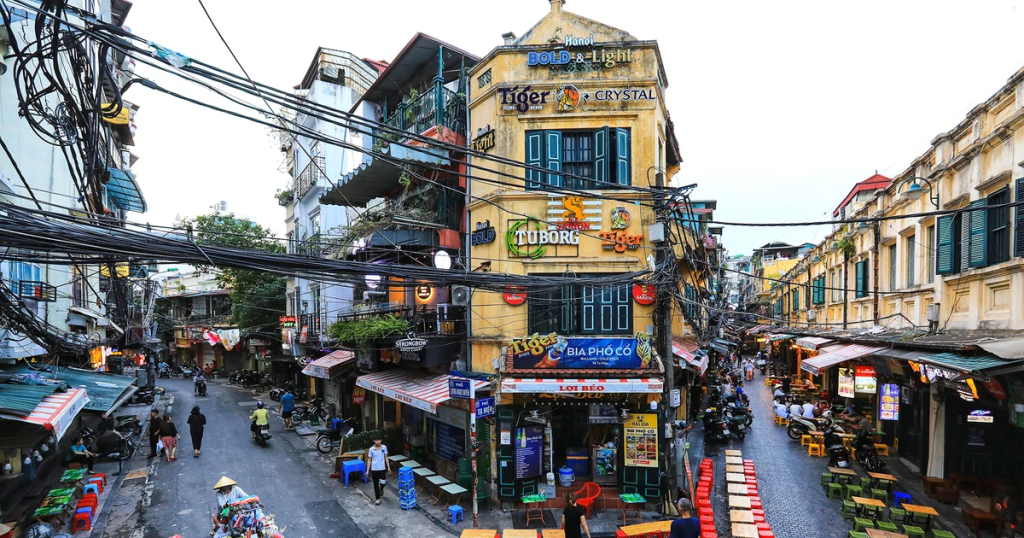
Walking Route Through Hanoi Old Quarter Near Hoan Kiem Lake. Picture: Internet
Choose a Good Time to Walk
The Old Quarter can be explored at different times of day, but each period offers a different atmosphere. Morning is a good time to see local routines, street vendors, and breakfast stalls, while late afternoon and evening bring more food activity, lights, and nightlife energy.
Travelers who prefer quieter streets may want to start earlier in the day. Those who enjoy a lively atmosphere can explore in the evening, especially around Hoan Kiem Lake, Ta Hien Street, and weekend walking streets.
Wear Comfortable Shoes and Keep Belongings Safe
A walking route through Old Quarter Hanoi may include narrow sidewalks, uneven surfaces, crowded streets, and several food or shopping stops. Comfortable shoes are important because visitors may spend several hours moving between streets, temples, markets, and cafés.
Travelers should also keep personal belongings secure, especially in crowded areas. A small crossbody bag, zipped pocket, or compact backpack is more practical than carrying too many loose items while walking.
Plan a Flexible Route
The Old Quarter is best explored with a loose plan rather than a strict schedule. Travelers can choose a few main stops, then leave time for food breaks, hidden alleys, local shops, or unexpected photo opportunities.
A simple walking route may include:
- Hoan Kiem Lake
- Bach Ma Temple
- Dong Xuan Market
- Hang Ma Street
- Hang Bac or Hang Gai Street
- Local food stalls and cafés
- Ta Hien Street in the evening
This kind of flexible route helps visitors enjoy the area naturally. It also prevents the walk from feeling rushed or too focused on checking off attractions.
Be Careful with Traffic
Traffic is part of the Old Quarter experience, especially with motorbikes moving through narrow streets. Crossing the road may feel difficult at first, but visitors can manage it by walking steadily, staying alert, and avoiding sudden movements.
Travelers should also avoid standing in the middle of busy streets for photos. It is better to take pictures from safer corners, sidewalks, or slower alleys where they do not block traffic or disturb local businesses.
Respect Local Spaces
Although Old Quarter Hanoi is a popular tourist area, it is also a real neighborhood where people live, work, worship, and run family businesses. Visitors should treat temples, markets, homes, and small shops with respect throughout the walk.
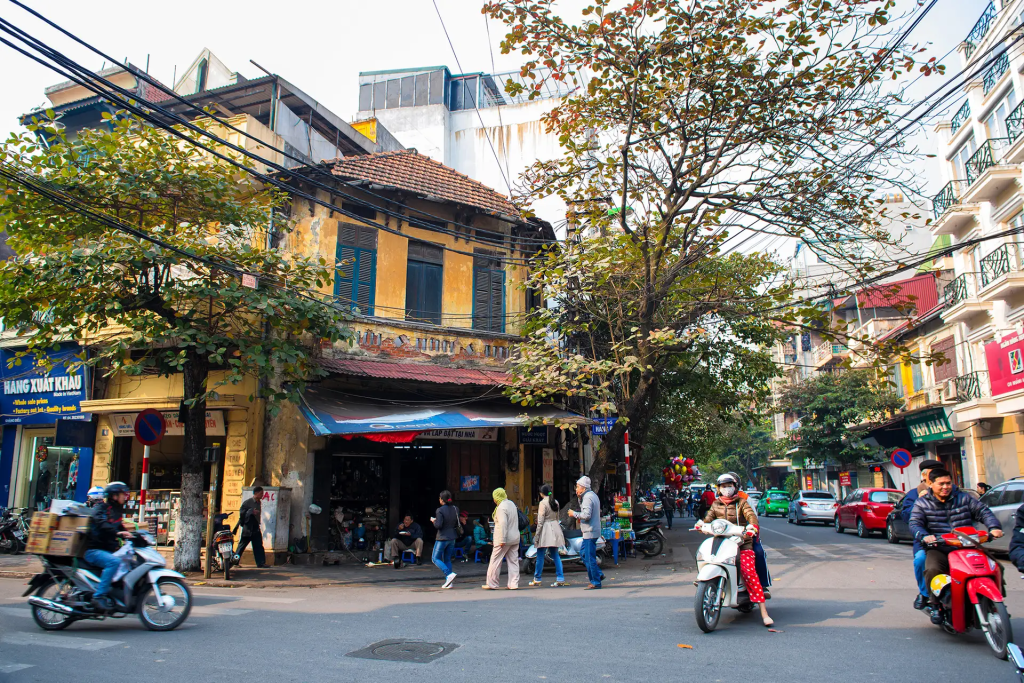
Respecting Local Life and Cultural Heritage in Hanoi Old Quarter. Picture: Internet
Travelers should ask before taking close-up photos of local people, keep noise levels low in spiritual sites, and avoid entering private spaces without permission. These small actions help make the experience more respectful and more meaningful.
Conclusion
Walking through Old Quarter Hanoi is a simple but memorable way to discover the city’s history, food culture, architecture, and everyday life. The area offers more than famous streets or tourist spots because its real charm comes from the details: old houses, sidewalk kitchens, local cafés, busy markets, and quiet temples hidden between shopfronts.
With comfortable shoes, careful traffic awareness, and time to explore slowly, travelers can experience the Old Quarter as one of Hanoi’s most vibrant cultural spaces. Whether visiting for food, photography, shopping, or local atmosphere, a walk through this historic neighborhood is an essential part of any Hanoi itinerary.
Read for more information:
- https://abite.asia/hanoi-street-food-tour-the-ultimate-local-food-experience/
- https://abite.asia/hanoi-city-tour-old-quarter-hoan-kiem-lake-train-street-guide/
- https://abite.asia/hanoi-food-tour-best-street-food-you-must-try-in-hanoi/
At Abite.asia, we specialize in curated Vietnam tours for international travelers, ensuring an authentic and hassle-free experience. Let us take care of your journey so you can fully embrace the beauty of Vietnam. Contact us today at +84363770835 to start planning your adventure!



Leave a Reply