
Hmong Traditional Houses Ha Giang are an important part of the province’s cultural landscape, especially in the rocky highlands of Dong Van, Meo Vac, Yen Minh, and Quan Ba. These houses are not only places to live, but also reflections of how Hmong communities have adapted to mountain weather, limited land, stone terrain, and long-standing family traditions.
One of the most distinctive house types is the trình tường house, built with thick earthen walls, wooden frames, tiled roofs, and a layout designed to protect families from cold winds and harsh highland conditions. From the outside, these homes may look simple and quiet, but their structure reveals deep knowledge of climate, materials, and daily life in the mountains.
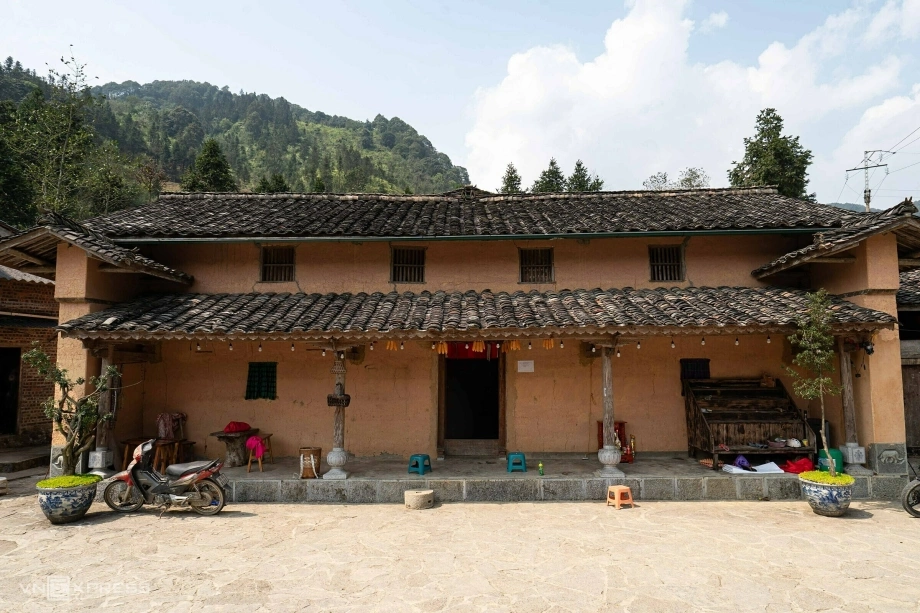
Traditional Hmong houses in Ha Giang. Picture: Internet.
For travelers exploring Ha Giang, learning about Hmong Traditional Houses Ha Giang makes the journey more meaningful. Villages, valleys, and old houses in places such as Dong Van Old Quarter, Lung Cam Cultural Village, Pho Bang, and Sung La show how architecture, culture, and mountain life are closely connected.
1. Architectural Features of Hmong Traditional Houses in Ha Giang
The architecture of Hmong traditional houses in Ha Giang is shaped by the natural conditions of the northern mountains. In a region of rocky plateaus, cold winters, steep roads, and limited farming land, houses needed to be strong, practical, and suitable for multi-generation family life.
Trình Tường Houses: Thick Earthen Walls for Mountain Weather
A typical Hmong trình tường house is built with thick walls made from compacted earth. This method helps keep the house warmer in winter and cooler in summer, which is very useful in Ha Giang’s highland climate.
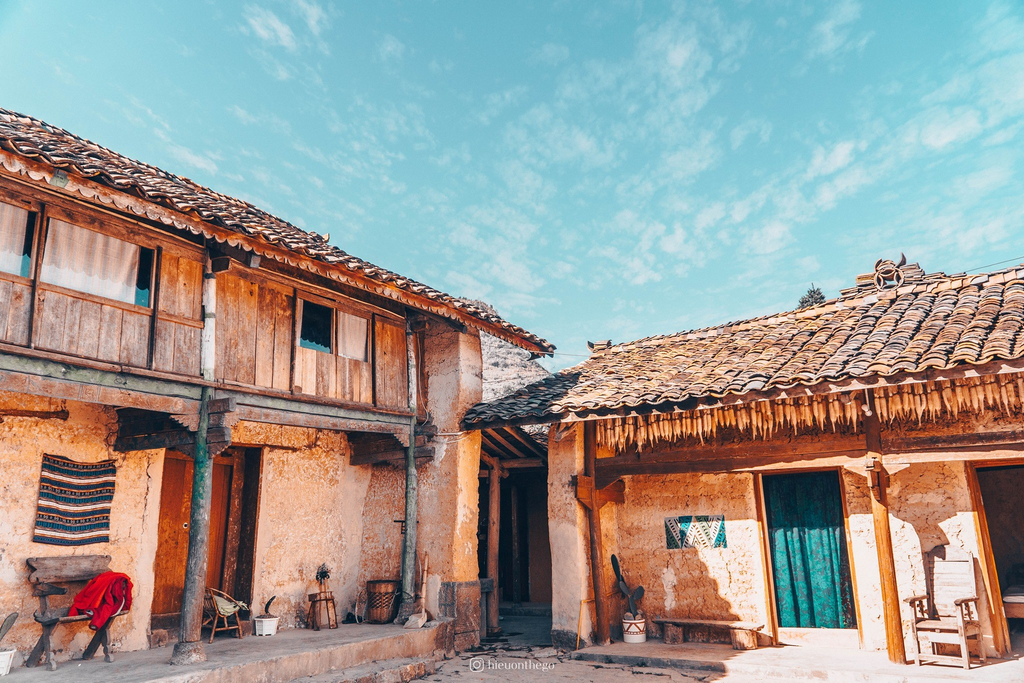
Traditional trình tường house in Ha Giang. Picture: Internet.
The walls are usually plain and solid, giving the house a strong, grounded appearance. Their beauty comes not from decoration, but from the natural color of earth, the balance of the structure, and the way the house blends into the mountain landscape.
Wooden Frames and Tiled Roofs
Inside many Hmong houses, wooden columns and beams support the main structure. Wood gives the house strength and flexibility, while also creating a warm interior atmosphere for family life.
The roof is often covered with yin-yang tiles or traditional clay tiles, depending on the area and the age of the house. These roofs help protect the interior from rain, cold wind, and strong mountain weather, while also creating the familiar image of old highland villages in Ha Giang.
A Practical Layout for Family Life
Hmong traditional houses are usually designed around daily needs. The interior may include a central living area, sleeping spaces, a kitchen, storage areas, and a family altar, all arranged in a simple but functional way.
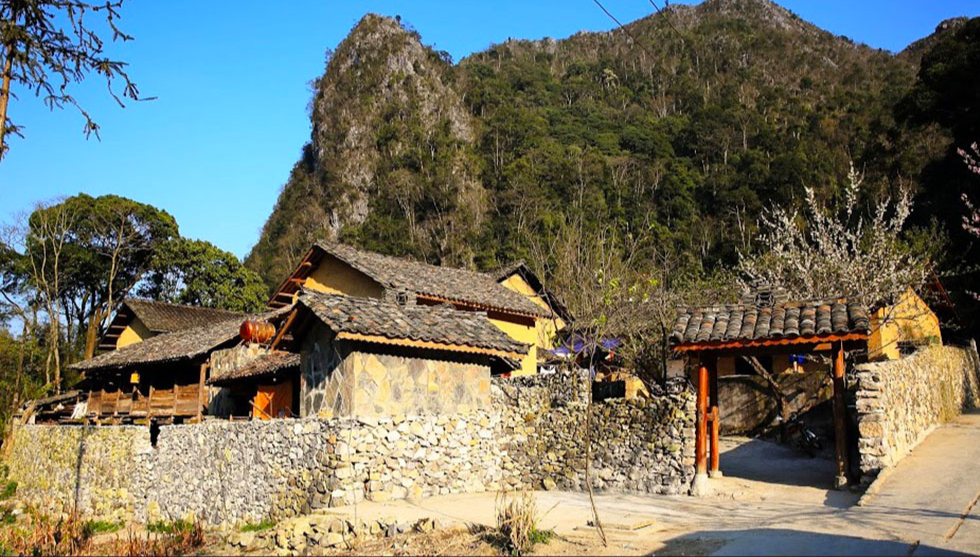
Interior of a traditional Hmong house in Ha Giang. Picture: Internet.
The house is often connected to farming life as well. Families may store corn, tools, firewood, or agricultural products around the house, showing how domestic space and working life are closely linked in the mountains.
A Courtyard and Stone Fence Around the House
Many Hmong houses in Ha Giang have a small courtyard in front and a stone fence surrounding the property. The courtyard is used for drying corn, preparing food, repairing tools, or gathering family members during daily activities.
The stone fence is also a special feature of highland architecture. Built from local stones, it protects the house, marks the family space, and creates a strong visual connection with the rocky plateau around it.
Architecture That Blends with the Landscape
One of the most beautiful things about Hmong Traditional Houses Ha Giang is how naturally they fit into the mountain scenery. The earth walls, wooden doors, tiled roofs, corn drying on fences, and stone paths all create a quiet harmony with the surrounding valleys and cliffs.
For travelers, these houses show that architecture is not only about design. It is also about survival, adaptation, family tradition, and the relationship between people and the land they live on.
2. Best Places to See Hmong Traditional Houses in Ha Giang
The best way to understand Hmong Traditional Houses Ha Giang is to visit villages where these homes still stand within real mountain communities. In many places, the houses are not built as tourist displays, but as living spaces shaped by family life, farming work, local materials, and the harsh conditions of the rocky highlands.
Lung Cam Cultural Village – A Classic Highland Setting
Lung Cam Cultural Village, located in Sung La Valley, is one of the most famous places to see traditional Hmong houses in Ha Giang. The village is surrounded by limestone mountains, corn fields, stone fences, and old earthen-wall houses, creating a strong image of highland life.
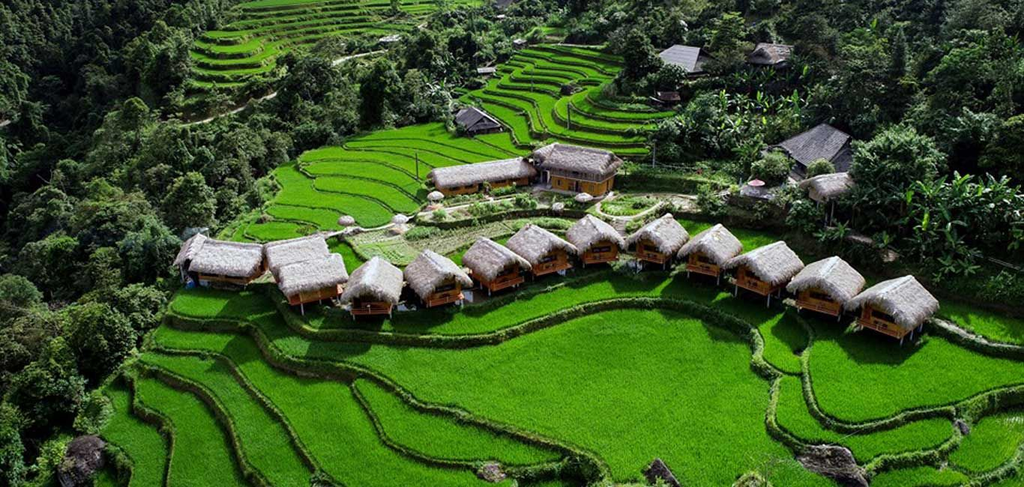
Traditional Hmong houses in Lung Cam Cultural Village. Picture: Internet.
One of the most well-known stops here is the old house used in the Vietnamese film The Story of Pao. For travelers, this place is meaningful because it shows the structure of a traditional trình tường house, with thick earthen walls, wooden details, tiled roofs, and a peaceful courtyard.
What Travelers Can Experience in Lung Cam
A visit to Lung Cam is not only about seeing one old house. Travelers can walk slowly through the village, observe stone fences, wooden gates, corn drying in front of homes, and the way houses are arranged close to the mountain landscape.
This is also a good place for photography and cultural observation. Visitors can see how Hmong Traditional Houses Ha Giang blend with the natural scenery instead of standing apart from it.
Dong Van Old Quarter – Traditional Houses in a Historic Town
Dong Van Old Quarter is another important place to see old houses in Ha Giang. Although it is more of a small historic town than a rural village, the area still has traditional houses with earthen walls, tiled roofs, wooden frames, and old shopfronts.
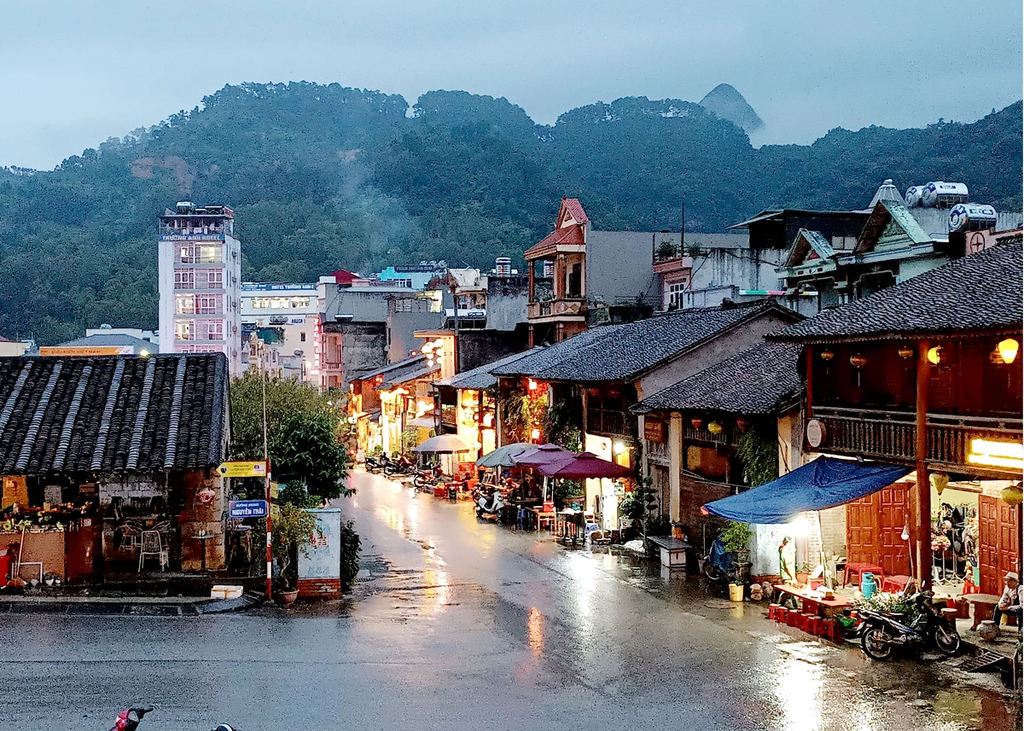
Traditional houses in Dong Van Old Quarter. Picture: Internet.
The architecture here reflects a mix of highland ethnic culture and trading-town life. Travelers can walk through the old streets, visit local cafés, and see how traditional buildings have been adapted for shops, homestays, and daily business.
Pho Bang – A Quiet Town with Old Earthen Houses
Pho Bang is a quieter destination that still preserves the feeling of an old highland settlement. The town is known for its peaceful streets, aged walls, tiled roofs, wooden doors, and houses that carry the atmosphere of a slower mountain life.
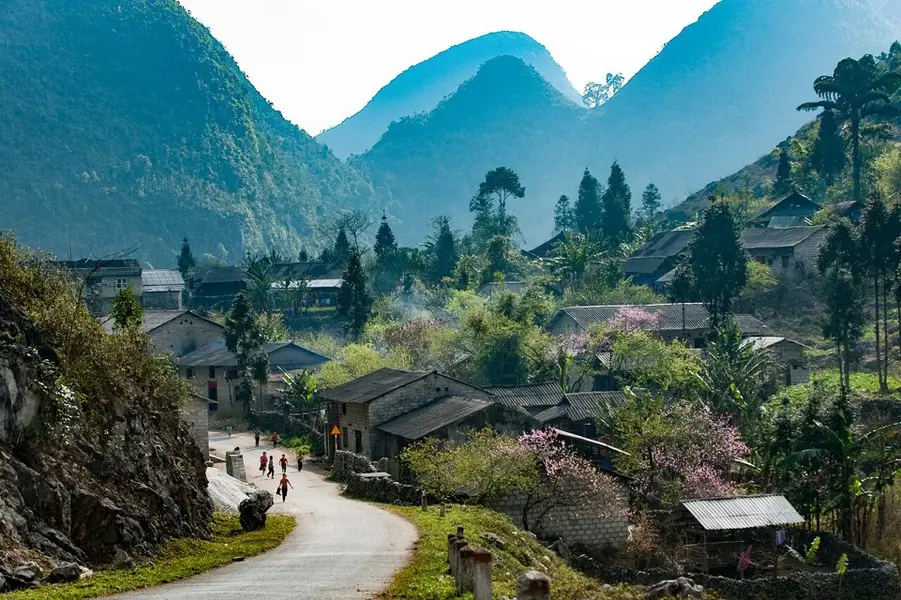
Old earthen houses in Pho Bang, Ha Giang. Picture: Internet.
For travelers who want a less crowded experience, Pho Bang is a good place to observe traditional architecture without rushing. The beauty here is subtle, coming from faded walls, quiet alleys, old gates, and the way local homes sit naturally among the hills.
Sung La Valley – Houses Among Flowers and Stone Mountains
Sung La Valley is one of the most scenic areas in Ha Giang, especially for travelers who want to combine architecture with landscape. The valley is famous for its peaceful villages, seasonal flowers, corn fields, and traditional houses surrounded by limestone mountains.
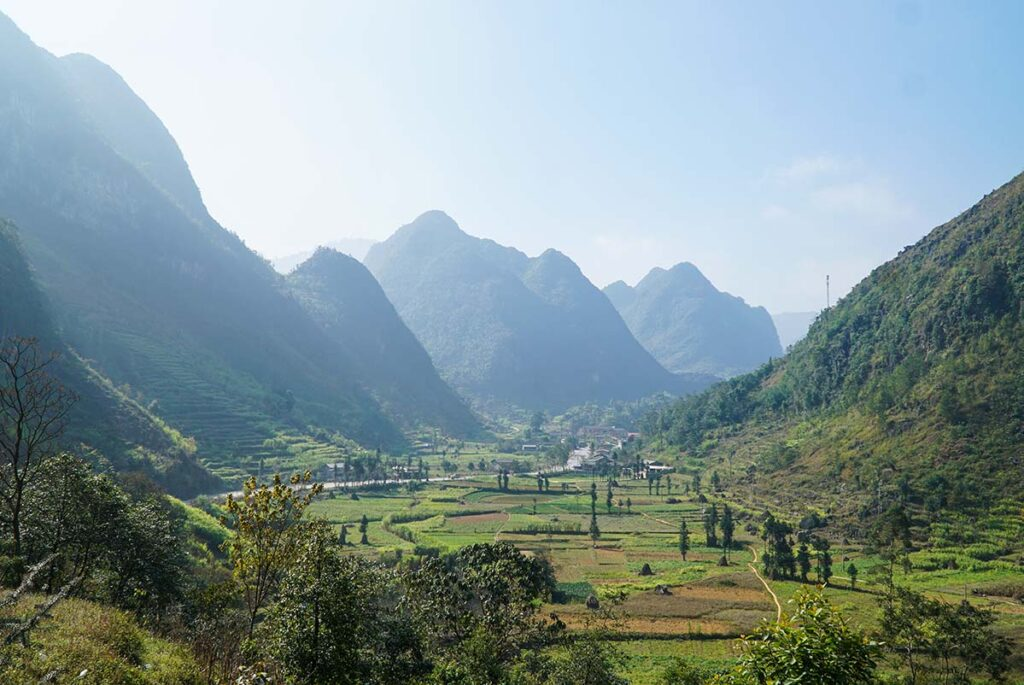
Traditional Hmong houses in Sung La Valley. Picture: Internet.
During a visit, travelers can notice how Hmong houses are connected to farming life. Courtyards may be used for drying corn, storing tools, preparing food, or gathering family members, showing that the house is both a home and a working space.
Villages Around Dong Van and Meo Vac
Beyond the well-known stops, many villages around Dong Van and Meo Vac also have traditional Hmong houses. These areas are especially interesting because the homes are part of everyday life rather than arranged only for visitors.
Travelers passing through these districts may see trình tường houses beside rocky fields, stone fences, mountain roads, and small family courtyards. These scenes help visitors understand why Hmong Traditional Houses Ha Giang are so closely tied to the land, climate, and farming rhythm of the region.
How to Visit Respectfully
Because many traditional houses are still private homes, travelers should be careful and respectful when visiting villages. Not every beautiful house is open for tourists, and local families may not want visitors entering their courtyards or taking close-up photos without permission.
Foreign visitors should keep a few simple rules in mind:
- Ask before entering a house or courtyard
- Ask before taking photos of local people
- Avoid touching household items or altar spaces
- Follow the guide’s instructions in private villages
- Buy local products politely if they wish to support residents
- Keep noise low and avoid blocking small village paths
These small actions help protect the dignity of local communities. They also make the travel experience more meaningful because visitors are seeing real homes, not only architectural objects.
Why These Places Matter
The places above show different sides of Hmong architecture in Ha Giang. Lung Cam and Sung La highlight village scenery and cultural atmosphere, while Dong Van Old Quarter and Pho Bang show how traditional houses can exist within historic towns.
Together, these destinations help travelers understand Hmong Traditional Houses Ha Giang as part of a living cultural landscape. The houses are beautiful because of their form, but they are even more meaningful because they reveal how mountain communities build, work, worship, and live across generations.
3. Travel Tips and Cultural Meaning of Hmong Traditional Houses in Ha Giang
Visiting Hmong Traditional Houses Ha Giang is not only an architectural experience, but also a way to understand how people live in the northern mountains. These houses show how local communities adapt to cold weather, rocky land, farming life, family traditions, and the need to protect their homes in a harsh highland environment.
What Travelers Should Notice When Visiting
When walking through Hmong villages, travelers should look beyond the exterior of the houses. The thick earthen walls, wooden gates, stone fences, tiled roofs, and small courtyards all have practical meanings connected to daily life.
A traditional Hmong house is usually simple, but every part has a purpose. The walls help keep the house warm, the courtyard is used for daily work, and the stone fence protects the family space while blending naturally with the rocky plateau.
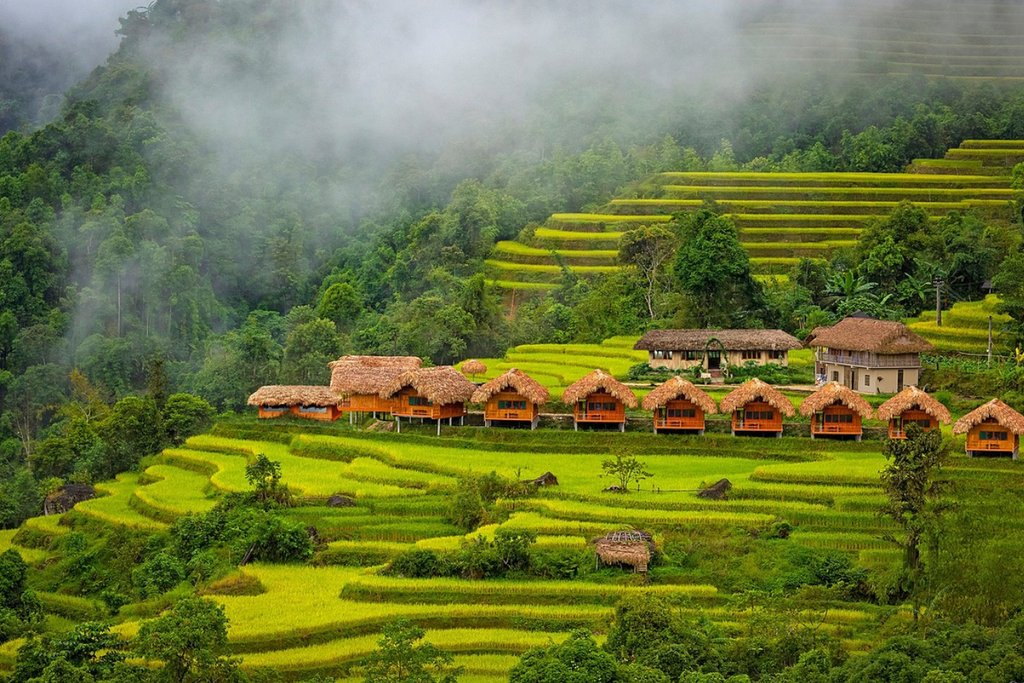
Earthen walls and stone fences of a Hmong house. Picture: Internet.
Travelers can notice several important details:
- Thick earthen walls made for mountain weather
- Wooden doors, beams, and window frames
- Yin-yang tiled roofs or old clay roof tiles
- Stone fences surrounding the house
- Courtyards used for drying corn or farming products
- Family altar spaces inside the home
- Corn, firewood, and farming tools stored around the house
These details help visitors understand that Hmong Traditional Houses Ha Giang are not designed only for appearance. They are practical homes shaped by climate, family needs, farming work, and local materials.
The Connection Between Houses and Mountain Life
Hmong houses in Ha Giang are closely connected to the surrounding landscape. Many homes are built among limestone mountains, corn fields, stone paths, and highland valleys, creating a strong relationship between architecture and nature.
This connection is especially clear in places like Sung La, Lung Cam, Dong Van, and villages around Meo Vac. The houses seem to grow out of the mountain environment, using earth, stone, wood, and tiles that match the colors and textures of the landscape.
How to Visit Respectfully
Many traditional houses are still private homes, so travelers should visit with respect. A beautiful old house may look interesting from the outside, but it may also be someone’s family space, workplace, and spiritual home.
Foreign visitors should avoid entering courtyards or interiors without permission. If they want to take photos of local people, children, or private spaces, they should ask first or follow their local guide’s advice.
Simple respectful travel tips include:
- Dress modestly when visiting villages
- Ask before entering homes or courtyards
- Do not touch altar spaces or family objects
- Avoid taking close-up photos without permission
- Keep noise low in quiet villages
- Stay on village paths and avoid damaging crops
- Support local products politely if interested
These actions help protect the dignity of local communities. They also make the experience more meaningful because travelers are learning from a living culture, not only looking at old buildings.
Why Local Guides Can Improve the Experience
A local guide can make the visit much more meaningful for foreign travelers. Guides can explain the structure of trình tường houses, the meaning of family spaces, the role of stone fences, and the daily routines connected to farming life.
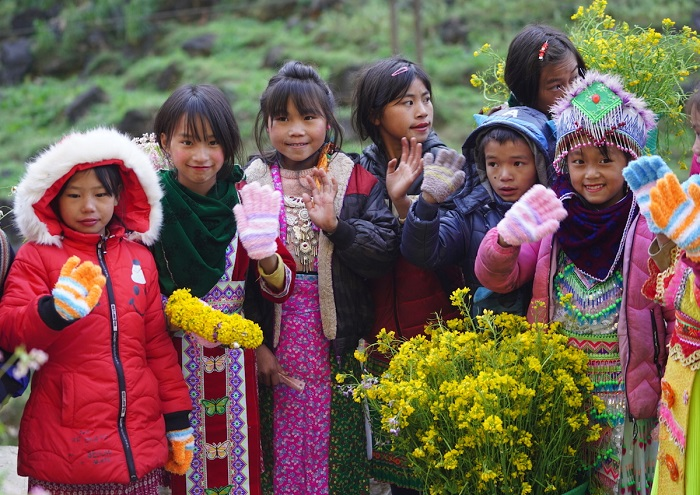
Exploring a traditional Hmong village with a local guide. Picture: Internet.
A guide can also help travelers communicate respectfully with local families. This is especially helpful in remote villages, where not every household is used to foreign visitors or comfortable with unexpected photography.
The Best Way to Include These Houses in a Ha Giang Trip
Travelers can include traditional Hmong houses as part of a wider Ha Giang itinerary. Instead of treating them as quick photo stops, visitors should combine architecture with village walks, local markets, scenic valleys, and cultural observation.
A meaningful route can include Lung Cam Cultural Village, Sung La Valley, Dong Van Old Quarter, Pho Bang, and villages around Meo Vac. These places allow travelers to see how Hmong Traditional Houses Ha Giang appear in different settings, from quiet valleys to old trading towns.
Conclusion
Hmong Traditional Houses Ha Giang are important because they tell the story of mountain life through architecture. Their thick earthen walls, wooden frames, tiled roofs, stone fences, and practical interiors reveal how Hmong communities have adapted to the climate, landscape, and daily needs of the rocky highlands.
For travelers, these houses offer more than beautiful photos. They provide a deeper way to understand Ha Giang’s culture, family traditions, farming life, and the close relationship between people and the mountains they call home.
Read for more information:
- https://abite.asia/ha-giang-loop-travel-guide-everything-you-need-to-know-before-you-go/
- https://abite.asia/dong-van-karst-plateau-exploring-vietnams-unesco-global-geopark/
At Abite.asia, we specialize in curated Vietnam tours for international travelers, ensuring an authentic and hassle-free experience. Let us take care of your journey so you can fully embrace the beauty of Vietnam. Contact us today at +84363770835 to start planning your adventure!


Leave a Reply